Have you ever wondered what role calories play in building muscle? If you’re working hard in the gym, you might be curious about how to fuel your body effectively.
You’ve probably heard that calories are crucial for muscle growth, but is that really true? And if it is, how many do you actually need? We’ll dive into the essential relationship between calories and muscle building. We’ll uncover the truth behind what your body truly needs to maximize those gains.
Whether you’re a seasoned athlete or just starting out, understanding this connection might be the key to unlocking your full potential. Stick around as we explore how to tailor your diet for optimal muscle growth. Your muscles—and your future self—will thank you!
Calories And Muscle Growth
Building muscle requires more than just lifting weights. Calories play a crucial role in muscle growth. They provide the energy your body needs for intense workouts and recovery. Without sufficient calories, gaining muscle mass becomes challenging. Understanding how calories contribute to muscle development can enhance your fitness journey.
Calories: The Energy Source For Muscle Growth
Calories are the fuel your body uses for energy. During workouts, your muscles need energy to perform exercises. Consuming enough calories ensures your body has the necessary energy for these tasks. If calorie intake is low, muscle growth may slow down.
Balancing Calories For Optimal Muscle Gain
Balancing calorie intake is key to gaining muscle. Too few calories can lead to muscle loss. Eating more calories than your body needs can help increase muscle mass. But eating too many can also lead to fat gain. Finding the right balance is essential.
Protein And Caloric Intake
Protein is vital for muscle repair and growth. Calories support the process by providing energy. Combining protein with an adequate calorie intake boosts muscle building. Ensure you get enough protein daily for effective muscle growth.
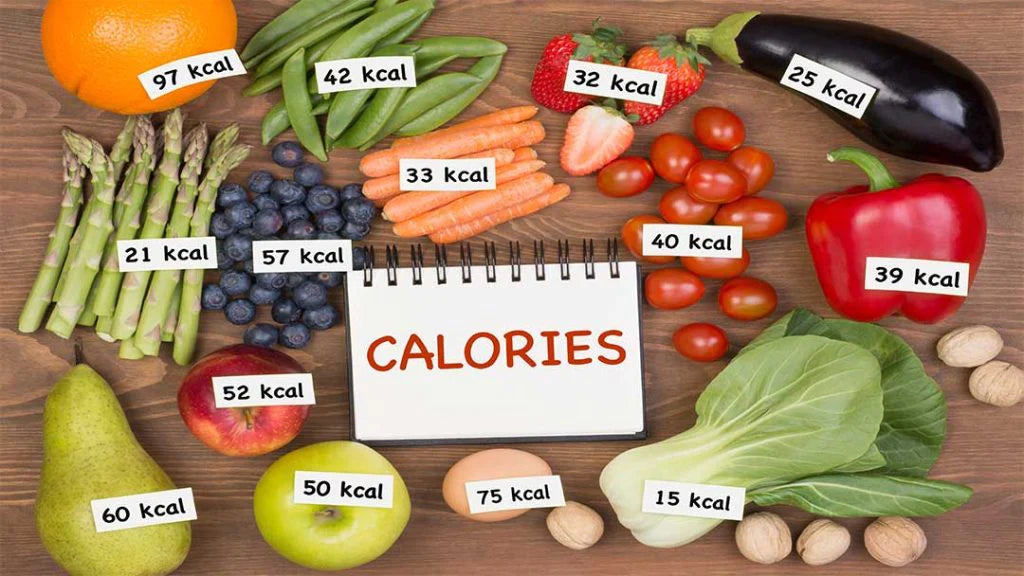
Tracking Calorie Intake For Results
Monitoring calorie intake can help achieve muscle goals. Keep a food diary to track what you eat. This helps ensure you’re consuming enough calories for muscle growth. Adjust your diet based on your progress and body needs.
Credit: ironbullstrength.com
Role Of Caloric Surplus
Building muscle requires a caloric surplus. Extra calories provide the energy needed for muscle growth. Without enough calories, muscle development can stall, making it harder to achieve fitness goals.
The journey to building muscle is not just about pumping iron; it’s also about how you fuel your body. If you’ve ever wondered why you’re not seeing the gains you expect, it might be time to look at your calorie intake. The concept of a caloric surplus is crucial when trying to pack on muscle. Eating more calories than your body burns can provide the necessary energy and nutrients to support muscle growth. But how does this work exactly? Let’s dive into the role of caloric surplus in muscle building.Understanding Caloric Surplus
A caloric surplus means consuming more calories than your body needs to maintain its current weight. Think of it as giving your body extra fuel. This additional energy can help in the process of muscle synthesis and repair. Imagine your muscles as a construction site. With more calories, you have more materials to build with. This doesn’t mean you should eat anything and everything. Focus on nutrient-rich foods that support muscle growth. You might be surprised to learn that even a slight surplus can make a big difference. Adding just 250 to 500 extra calories a day can help you see significant gains over time.Impact On Muscle Synthesis
When you have a caloric surplus, your body has the energy to repair and build muscle more effectively. Every workout tears your muscle fibers, and it’s the recovery process that strengthens them. Have you ever felt sore after a workout? That soreness means your muscles need nutrients to repair. By eating more, you’re providing those essential building blocks. But how do you know if you’re in a surplus? Look at your energy levels. Feeling energized and seeing gradual weight gain can indicate you’re on the right track. Remember, the goal is muscle gain, not fat gain. Consider tracking your food intake and progress. This can help you adjust your calorie intake to ensure you’re in a surplus while still making healthy choices. Is your current diet supporting your muscle goals? It’s worth pondering how a caloric surplus could change your results.Nutrient Timing
Nutrient timing plays a crucial role in muscle building. Eating at the right time can enhance muscle growth. It helps your body use the calories and nutrients effectively. Timing impacts how your muscles recover and grow after workouts. Let’s explore the importance of pre and post-workout meals.
Pre-workout Meals
Eating before exercise fuels your body. It gives you energy for intense workouts. A balanced meal boosts your performance. Include proteins and carbohydrates in your meal. Proteins aid muscle repair, while carbs provide energy. A good pre-workout meal can enhance your endurance.
Consider eating 1-2 hours before hitting the gym. This allows your body to digest food. It ensures you don’t feel heavy during exercise. A banana with peanut butter or oatmeal with fruits can be ideal. They are light yet nutrient-rich options. They keep you energized throughout your session.
Post-workout Nutrition
Post-workout nutrition is vital for recovery. Muscles need nutrients to repair and grow. Consuming proteins after exercise helps muscle synthesis. Carbohydrates replenish energy stores. Aim to eat within 30 minutes after your workout.
A protein shake or grilled chicken with rice can be beneficial. These meals provide essential nutrients quickly. They speed up recovery and enhance muscle growth. Hydration is also key after workouts. Drink water to replace lost fluids. This supports overall muscle health.
Macronutrients Importance
Building muscle requires more than just lifting weights. It demands a balanced intake of macronutrients. These nutrients provide the essential building blocks for muscle growth. Each plays a unique role in the process. Understanding their importance can help optimize your muscle-building efforts.
Proteins For Muscle Repair
Proteins are crucial for muscle repair. They supply the amino acids needed for recovery. After a workout, muscles experience tiny tears. Consuming protein helps repair these tears, leading to growth. Lean meats, eggs, and legumes are excellent protein sources. Make sure you include them in your diet regularly.
Carbohydrates For Energy
Carbohydrates are the body’s main energy source. They fuel your workouts, allowing you to train harder. Without adequate carbs, you may feel tired quickly. Whole grains, fruits, and vegetables are great carb sources. They provide long-lasting energy to power through your sessions.
Fats For Hormonal Balance
Fats play a vital role in hormone production. Hormones like testosterone are important for muscle growth. Healthy fats support their creation and balance. Avocados, nuts, and olive oil are rich in these fats. Including them supports overall health and muscle-building goals.
Calorie Quality Vs. Quantity
When it comes to building muscle, the debate often revolves around calorie quality versus quantity. Is it enough to simply count calories, or should you be more concerned with where those calories come from? You might be tempted to think that a higher calorie intake is all that’s necessary for muscle growth, but let’s dig deeper into how the quality of your calories can make a difference.
Whole Foods Vs. Processed Foods
Whole foods provide a rich source of nutrients that processed foods often lack. Think about the difference between a fresh grilled chicken breast and a frozen chicken nugget. The former gives you protein, vitamins, and minerals without extra additives. Processed foods, on the other hand, might offer convenience but often come with unhealthy fats and sugars.
Your body thrives on nutrients that whole foods provide. These nutrients are essential for muscle repair and growth. Next time you reach for a snack, consider how it can benefit your muscle-building journey. Do you want quick energy or sustainable fuel?
Nutrient-dense Choices
Choosing nutrient-dense foods can maximize your calorie intake efficiently. Foods like nuts, leafy greens, and lean meats are packed with the vitamins and minerals your muscles need. They provide more bang for your buck compared to calorie-dense but nutrient-poor options like candy or chips.
Think about nutrient-dense choices as an investment in your muscle growth. If you’ve ever felt sluggish after a junk food binge, you know the impact poor nutrition can have. Wouldn’t you prefer energy that fuels your workouts and helps you recover faster?
Consider the balance between quality and quantity in your diet. Are you feeding your muscles with the best possible fuel, or just filling up on empty calories? Your choices today can shape your muscle-building success tomorrow.
.jpg?width=1200&name=Macros-Trifecta-08%20(1).jpg)
Credit: www.trifectanutrition.com
Metabolic Rate Considerations
Building muscle requires calories. Muscles need energy to grow and repair. Eating enough calories supports this process.
When you’re trying to build muscle, understanding your metabolic rate is crucial. It’s not just about eating more calories but about knowing how your body uses them. Your metabolism is like your body’s engine, constantly burning fuel to keep you going. But how does it affect muscle building? Let’s break it down.Basal Metabolic Rate
Your Basal Metabolic Rate (BMR) is the number of calories your body needs to keep basic functions running. These include breathing, circulating blood, and regulating body temperature. Think of it as the calories you burn when you’re just lounging around all day. Knowing your BMR can help you decide how many calories you need for muscle growth. If your BMR is 1,500 calories, you need more than that to build muscle. I discovered this when I was hitting the gym but saw no results. I was unknowingly under-eating!Influence Of Physical Activity
Physical activity significantly increases the number of calories you burn. Whether you’re lifting weights or doing cardio, your body uses more energy. This means you need to consume more calories to compensate for those burned during exercise. Consider tracking your workouts to understand your calorie needs better. Are you pushing hard in the gym but not seeing gains? Perhaps you’re not eating enough to support your activity level. Ever felt like you’re working hard but going nowhere? It might be time to adjust your calorie intake based on your activity. By understanding your metabolic rate, you can align your calorie intake with your muscle-building goals. So, are you fueling your body efficiently to see the gains you want?Common Myths
Many believe muscle growth requires excessive calories, but balance is key. Consuming enough protein and energy supports muscle repair and growth. Quality of calories matters more than quantity.
Embarking on a muscle-building journey can be filled with excitement and confusion. You might find yourself sifting through a mountain of advice, only to discover that much of it is riddled with myths. Understanding these myths is crucial in crafting a diet and workout plan that truly works for you.Bulking Myths
Bulking often brings to mind images of endless plates of food and skyrocketing calorie counts. But is this really necessary? Many believe that to build muscle, you must consume excessive calories. The truth is, while a calorie surplus can aid muscle growth, it doesn’t mean you should overload your plate with unhealthy foods. Quality matters more than quantity. I once thought eating anything and everything was the key to bulking. My energy levels plummeted, and I gained unwanted fat. Instead, focus on nutrient-dense foods like lean proteins, whole grains, and healthy fats. What’s your bulking experience? Are you eating smart or just eating more?Misconceptions About Cutting
Cutting is often seen as a time to drastically slash calories and endure endless cardio sessions. The myth here is that you need to starve yourself to reveal muscle. In reality, cutting should be about creating a slight calorie deficit while maintaining muscle. It’s about finding balance, not deprivation. Years ago, I tried an extreme cut and ended up losing muscle instead of fat. The key is to maintain protein intake and include strength training in your routine. Have you found yourself in a similar trap? Consider tweaking your approach rather than going to extremes. Understanding these myths can help you tailor your diet and training to effectively build muscle without falling into common traps. Remember, the journey to muscle growth is personal, and what works for one might not work for another. So, what will you do differently now that you know the truth?Personalized Caloric Needs
Calculating your personal caloric needs is vital for muscle growth. Consuming the right amount of calories fuels muscle repair and growth. Balanced nutrition supports effective workouts, ensuring your body has the energy needed to build muscle.
Building muscle isn’t just about lifting weights; it’s about fueling your body right. Personalized caloric needs play a crucial role in this process. Everyone’s body is different, and understanding your unique requirements can make all the difference in your muscle-building journey.Assessing Individual Requirements
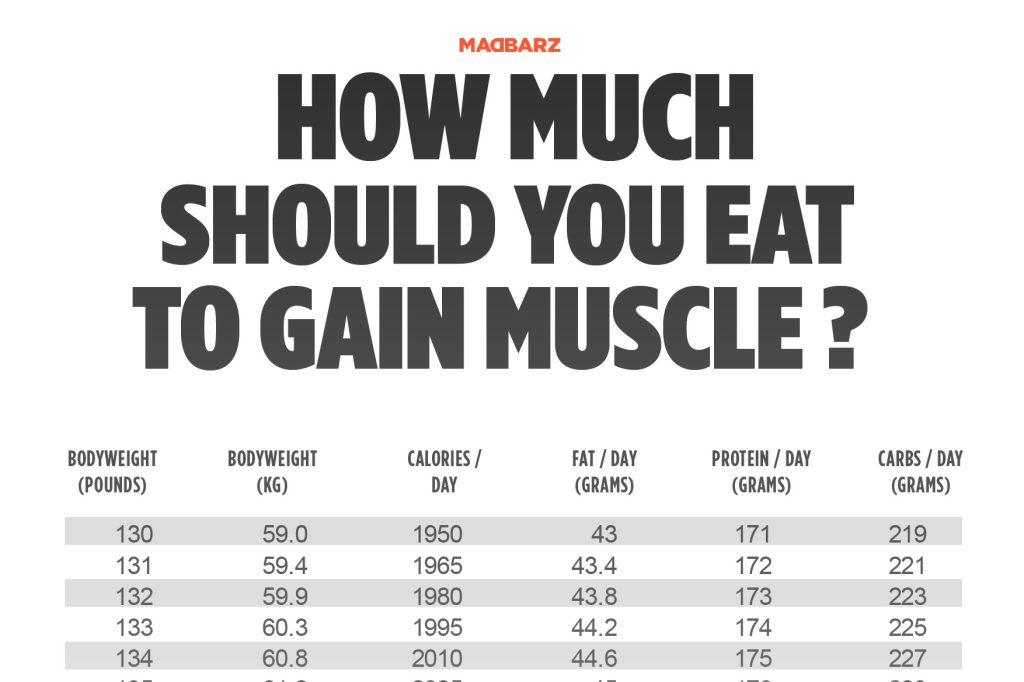
Understanding your caloric needs is like finding the right fuel for a car. Your body requires a specific amount of energy to function, and this varies from person to person. To get a rough idea, you can start by calculating your Basal Metabolic Rate (BMR), which tells you how many calories your body needs at rest. Have you ever noticed how your friend might eat more than you but still maintain the same weight? That’s because individual factors like age, gender, and metabolism play a significant role. Online calculators can provide estimates, but listening to your body is key. Track your food and energy levels for a week to see how your body responds.Adjusting For Goals And Lifestyle
Once you understand your baseline needs, it’s time to adjust for your goals. Are you aiming to bulk up or just tone? If muscle gain is the goal, a caloric surplus is necessary. This means eating more calories than you burn, but not so much that it leads to unnecessary fat gain. Consider your lifestyle too. Are you sedentary or always on the move? A desk job might mean fewer calories burned during the day compared to someone in a physically demanding role. Your workout intensity also matters. An intense weightlifting session will require more energy than a light yoga class. Think about your long-term goals. Is your muscle-building journey a sprint or a marathon? Adjusting your caloric intake in phases could help you reach your targets more effectively. Keep experimenting and tweaking your diet to find what works best for you. Does this approach to understanding your caloric needs change how you think about muscle building? Remember, the right balance can lead to impressive gains and a healthier lifestyle.
Credit: www.fitfatherproject.com
Frequently Asked Questions
Can You Still Build Muscle Without Enough Calories?
Building muscle without enough calories is challenging. The body needs energy to support muscle growth. Consuming insufficient calories can hinder muscle development and recovery. Focus on nutrient-rich foods to maximize your calorie intake. Balancing protein, carbs, and fats is crucial for effective muscle growth.
Are Calories Needed To Gain Muscle?
Yes, calories are essential for muscle gain. Consuming a calorie surplus provides energy for muscle growth and repair. Balanced intake of proteins, carbohydrates, and fats supports effective muscle building. Ensure you eat nutrient-dense foods to optimize your muscle development efforts.
Will I Gain Muscle If I Eat 3000 Calories A Day?
Eating 3000 calories daily can help gain muscle if paired with strength training. Caloric surplus supports muscle growth. Ensure a balanced diet with protein, carbs, and fats. Individual needs vary based on activity level, metabolism, and goals. Consult a nutritionist for personalized advice.
Can I Build Muscle On A Calorie Deficit?
Building muscle on a calorie deficit is challenging but possible. Focus on high protein intake and strength training. Ensure your workouts are intense and progressive. Prioritize recovery and adequate sleep to support muscle growth. Monitor progress closely and adjust your diet and exercise routine as needed.
Conclusion
Building muscle requires calories. They fuel your workouts. Important for recovery too. Without enough calories, muscle growth slows. Protein plays a key role. Provides building blocks for muscle. Carbs supply energy. Fats support hormone production. Balance is crucial. Eat enough calories to support your goals.
Monitor your intake. Adjust as needed. Listen to your body. Feel tired? Eat more. See progress? Keep going. Muscle building is a journey. Takes time and patience. Stay consistent. Focus on nutrition. Watch your muscles grow. Stay committed. Results will come.