Are you tired of the endless cycle of trying to lose fat and gain muscle with little success? You’re not alone.
Many people struggle with finding the right balance between shedding pounds and building strength. But what if the secret lies not in how much you exercise, but in how you eat? Imagine transforming your body by simply tweaking your diet.
Picture yourself finally achieving the toned physique you’ve been dreaming of. This isn’t just wishful thinking—it’s entirely possible with the right nutritional strategies. You’ll discover practical, science-backed eating tips that can help you lose fat and build muscle effectively. Ready to unlock the potential of your diet? Keep reading to find out how you can start seeing real results.
Credit: www.youtube.com
Nutrition Basics
Eating to lose fat and build muscle focuses on balanced nutrition. Prioritize lean proteins, whole grains, and vegetables. Control portions to support weight loss and muscle gain.
Eating to lose fat and build muscle can seem daunting. It’s a delicate balance that requires a solid understanding of nutrition basics. Knowing what your body needs will help you reach your fitness goals more effectively. This section breaks down the essentials, so you can make informed choices without confusion. Let’s get into the nitty-gritty of what your body needs.Macronutrient Breakdown
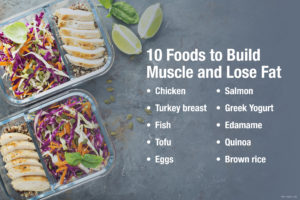
Proteins, carbohydrates, and fats are the building blocks of your diet. Each plays a crucial role in muscle building and fat loss. Proteins are essential for muscle repair and growth. Aim for lean sources like chicken, fish, or plant-based options like beans. Carbohydrates provide energy for your workouts. Opt for complex carbs like whole grains and vegetables to keep your energy steady. Fats are vital for hormone production. Healthy fats from avocados or nuts can improve your metabolism and support muscle growth. Have you considered how much of each macronutrient you need daily? Understanding their roles helps you balance your intake.Caloric Needs
Your caloric intake determines whether you lose fat or gain muscle. It’s about creating a calorie deficit or surplus. To lose fat, you need to consume fewer calories than you burn. But don’t starve yourself—this can lead to muscle loss. To build muscle, you need extra calories to fuel growth. However, overeating can lead to fat gain. Finding the right balance requires tracking your daily caloric intake. Apps and online calculators can make this easier. What’s your current calorie goal? Adjust it based on your activity level and fitness targets. Eating to achieve your goals doesn’t mean depriving yourself. It’s about making smarter choices that align with your body’s needs. The journey to losing fat and building muscle is unique to you. Keep experimenting and adjusting until you find what works best. Remember, every meal is an opportunity to nourish your body and move closer to your goals.
Credit: www.pinterest.com
Protein Power
Protein is often hailed as the star player in the game of losing fat and building muscle. Its ability to repair and grow muscle tissue is unmatched. But how much do you really know about its power? Let’s dive into why protein is essential and how you can make it your ally in achieving your fitness goals.
Importance Of Protein
Protein is the building block of muscle. Without it, your workouts might not yield the results you desire. When you exercise, your muscles undergo stress and tiny tears. Protein helps repair these tears, making your muscles stronger and bigger.
But protein isn’t just about muscles. It plays a crucial role in other bodily functions like hormone production and immune support. Consuming enough protein can keep your metabolism active, aiding in fat loss.
Have you ever skipped a protein-rich meal and felt sluggish? That’s because protein provides steady energy levels. It’s vital for maintaining your workout intensity.
Best Protein Sources
Choosing the right protein sources can make a big difference. Not all proteins are created equal. Some are complete, containing all essential amino acids your body needs. Others might lack a few.
Animal-based proteins like chicken, beef, and fish are complete proteins. They are excellent for muscle building and recovery. For example, a grilled chicken breast can be your best friend post-workout.
Plant-based proteins like beans, lentils, and quinoa are great too. While they may not be complete on their own, combining them can provide all the amino acids. A quinoa and black bean salad is a delicious option that packs a protein punch.
Have you tried protein supplements? Whey protein shakes can be convenient and effective, especially when you’re short on time. They can be mixed with fruits and nuts for a tasty and nutritious snack.
How can you make protein work for you? Start by adding it to each meal. Aim for a balance of animal and plant-based sources. Experiment with different combinations to keep your meals exciting and nutritious.
Are you ready to harness the power of protein? It’s not just about eating more; it’s about eating smarter. Your body will thank you for it, and you’ll see the results in the mirror.
Carbohydrates And Fat
Balancing carbohydrates and fat helps in losing fat and building muscle. Focus on whole grains and healthy fats. These fuel workouts and aid recovery, promoting lean muscle growth and fat loss.
Achieving your fitness goals often involves a delicate balance between losing fat and building muscle. One critical aspect is understanding the roles of carbohydrates and fats in your diet. These macronutrients can greatly impact how your body functions and responds to exercise. Let’s dive into how you can harness the power of carbs and fats to optimize your fitness journey.Role Of Carbs
Carbs aren’t just about giving you energy; they’re essential for muscle recovery and growth. After a workout, your muscles are like hungry sponges, ready to absorb nutrients. Eating carbs helps replenish glycogen stores, which fuels muscle repair. Consider timing your carb intake around workouts. Eating a bowl of oatmeal before hitting the gym can provide sustained energy. Post-workout, try a banana or a smoothie to kickstart recovery. Carbs also support brain function and mood. Ever noticed how low-carb diets can leave you feeling sluggish? That’s because your brain relies on glucose, a form of carb, to keep you sharp and motivated.Healthy Fats
Fats often get a bad rap, but they are crucial for hormone production and overall health. Healthy fats, like those found in avocados, nuts, and olive oil, can actually aid in fat loss and muscle gain. These fats help you feel full and satisfied, reducing the urge to overeat. Just a handful of almonds can stave off hunger for hours, making it easier to maintain a calorie deficit. They also support joint health, which is vital for anyone engaging in regular exercise. Omega-3 fatty acids, found in fish, can reduce inflammation and improve joint function. Are you getting enough healthy fats? If not, adding a spoonful of natural peanut butter to your breakfast or enjoying a salmon dinner could be a game changer. Balancing carbs and fats isn’t just about following a diet; it’s about understanding what your body needs to thrive. What changes will you make to your diet to better support your fitness goals?Meal Timing
When you’re aiming to lose fat and build muscle, meal timing can play a crucial role. Eating at the right times can help fuel your workouts, aid recovery, and maximize muscle growth. But how do you know when and what to eat? Let’s break it down.
Pre-workout Nutrition
Imagine you’re about to hit the gym. What you eat before your workout can set the tone for your performance. A combination of carbohydrates and protein is ideal. Carbs provide energy, while protein aids in muscle repair.
Consider a banana with some peanut butter. It’s quick, easy, and effective. If you’ve got a bit more time, a small bowl of oatmeal with berries can do wonders. The goal is to keep it light, so you don’t feel weighed down.
How often do you find yourself sluggish during a workout? Try adjusting your pre-workout snack and notice the difference. Timing your meal about 30 minutes to an hour before you start can give your body the fuel it needs.
Post-workout Recovery
After a workout, your muscles are craving nutrients to repair and grow. That’s where post-workout nutrition steps in. Eating a meal rich in protein within 45 minutes of finishing can significantly aid recovery.
Think about a grilled chicken breast with mixed vegetables or a protein shake with some fruit. These options are quick and effective in replenishing your energy and supporting muscle growth.
Ever felt sore the day after a workout? Proper post-workout nutrition can help reduce muscle soreness and speed up recovery. Don’t skip this crucial step.
Meal timing isn’t just about what you eat but when you eat it. It can transform your workout results and keep you energized throughout the day. Start timing your meals and watch your progress accelerate. Are you ready to make the change?
Supplementation
Supplementation plays a crucial role in achieving fitness goals. It aids in fat loss and muscle building. Proper supplements can enhance your diet and exercise routine. Choosing the right ones can make a significant difference.
Protein Supplements
Protein is essential for muscle repair and growth. Protein supplements offer a convenient source of high-quality protein. They help in meeting daily protein needs efficiently. Whey protein is popular for quick digestion and absorption. Plant-based proteins are great for those avoiding animal products.
Supplementing with protein supports lean muscle development. It also aids in recovery post-exercise. Consider your dietary needs and preferences. Choose a protein supplement that complements your lifestyle.
Fat Burners
Fat burners can assist in weight management. They typically contain ingredients to boost metabolism. Caffeine is a common component that increases energy levels. Green tea extract is known for its fat-burning properties.
Fat burners should be used wisely. They are not a substitute for a balanced diet. Consult a healthcare provider before starting any fat burner. Ensure it’s suitable for your health condition.
Combining fat burners with exercise maximizes their benefits. They can enhance the body’s ability to burn calories. Aim for a comprehensive approach to fat loss. Focus on nutrition, exercise, and suitable supplementation.
Hydration
Hydration plays a vital role in fat loss and muscle building. Drinking enough water supports metabolism and aids nutrient absorption. Staying hydrated can improve workout performance and recovery.
Hydration is often overlooked in the quest to lose fat and build muscle, yet it’s a crucial component of any fitness journey. Staying adequately hydrated not only supports metabolic processes but also aids in muscle recovery and growth. Have you ever finished a workout feeling drained and wondered if it was more than just the exercise? Your hydration level might be the missing link.Water Intake
Water is your body’s essential partner in muscle building and fat loss. It helps transport nutrients to your muscles, improving performance and aiding recovery. Aim for at least 8 to 10 glasses a day, but remember, the more active you are, the more you need. During intense workouts, your body loses water through sweat, which can lead to dehydration. This not only slows down your metabolism but also hampers muscle function. Always carry a water bottle and sip frequently throughout the day. Don’t wait until you’re thirsty; your body is already dehydrated by then.Electrolyte Balance
Electrolytes like sodium, potassium, and magnesium are vital for muscle function and hydration. They help maintain fluid balance, support nerve function, and regulate muscle contractions. Have you noticed muscle cramps during workouts? It might be due to an electrolyte imbalance. Consider incorporating foods rich in electrolytes into your diet. Bananas, spinach, and avocados are excellent choices. If you’re sweating a lot during workouts, an electrolyte drink can be a quick fix. Just be cautious with added sugars in commercial sports drinks. Balancing water and electrolytes can make a noticeable difference in your energy levels and workout efficiency. Are you giving your body the hydration it needs to perform at its peak? Start paying attention to these details to enhance your fitness results.Meal Planning
Designing a meal plan can help shed fat and build muscle efficiently. Balanced meals with protein, healthy fats, and carbs support fitness goals. Eating regularly boosts metabolism and maintains energy levels for workouts.
Crafting a meal plan that helps you lose fat and build muscle can seem like a puzzle. Yet, with the right strategy, this goal is entirely achievable. Meal planning is your roadmap to success, ensuring you consume the right nutrients at the right times. It’s not just about eating less or more; it’s about eating smarter. By planning your meals, you gain control over your diet, making it easier to stick to your goals. So, how do you start planning meals that fuel muscle growth while torching fat?Balanced Meal Examples
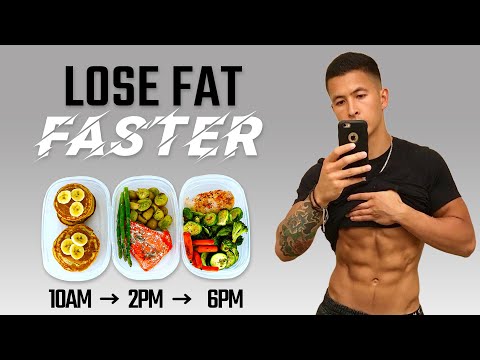
Think about what your plate looks like. A balanced meal includes lean proteins, complex carbs, and healthy fats. For breakfast, consider a veggie omelet with whole-grain toast and a side of berries. Lunchtime could feature grilled chicken, quinoa, and a colorful salad. Dinner might be salmon with brown rice and steamed broccoli. Snacks are equally important; try Greek yogurt with nuts or a protein shake with a banana. Balance is key, and a variety of foods ensures you get all the nutrients needed for muscle building and fat loss.Tracking Progress
How do you know if your meal plan is working? Tracking your progress is crucial. Keep a food diary or use an app to log your meals. This helps you see patterns and make adjustments as needed. Are you losing fat but not gaining muscle? Maybe you need more protein. Seeing success can motivate you to keep going. Don’t forget to track your physical changes too. Take photos or measure body parts to visually track your transformation. This data keeps you informed and on track, making it easier to tweak your plan for optimal results. Are you ready to take control of your diet and reach your fitness goals? Meal planning might be the missing piece.
Credit: www.pinterest.com
Common Mistakes
Many people make the mistake of skipping meals while trying to lose fat and build muscle. Consuming too little can slow metabolism and reduce energy for workouts. Eating irregularly can lead to poor nutrient absorption, affecting muscle growth and fat loss.
Eating to lose fat and build muscle is a common goal, but the journey is often riddled with pitfalls. Many people set out with the best intentions, only to be derailed by simple, yet impactful, mistakes. Whether you’re just starting or have been on this path for a while, understanding these common errors can help you stay on track.Overeating Healthy Foods
It’s easy to assume that just because a food is healthy, you can eat as much of it as you want. Avocados, nuts, and whole grains are nutritious, but they are calorie-dense. Portion control is crucial, even with healthy foods. Have you ever snacked on almonds, thinking you’re making a smart choice, only to realize you’ve consumed hundreds of calories? Tracking your portions can prevent this. Use a kitchen scale or measuring cups to keep your servings in check. Mindful eating can also help. Focus on your hunger cues and ask yourself if you’re really hungry or just eating out of habit. This awareness can prevent overeating and help you make better choices.Ignoring Recovery
Building muscle isn’t just about lifting weights; your muscles need time to repair and grow. Skipping recovery days can lead to burnout or injury. How often do you find yourself feeling fatigued and wondering why you aren’t seeing results? Rest days are as important as workout days. They allow your muscles to heal and grow stronger. Plan them into your routine like you would any workout. Quality sleep also plays a role in recovery. Aim for 7-9 hours a night to ensure your body has time to repair. Consider your sleep environment—dark, cool, and quiet—to maximize the benefits of your rest. By avoiding these common mistakes, you can make meaningful progress toward your goals. What changes will you make to your routine today?Frequently Asked Questions
Can I Lose Fat And Gain Muscle At The Same Time?
Yes, you can lose fat and gain muscle simultaneously. Focus on strength training and maintain a balanced diet. Consuming enough protein and managing calorie intake are crucial. Prioritize sleep and recovery to optimize results. Consistency in workouts and nutrition will help achieve both goals effectively.
What Is The Fastest Way To Build Muscle And Lose Fat?
Combine strength training with high-intensity interval cardio for effective results. Focus on compound exercises like squats and deadlifts. Maintain a balanced diet rich in protein, healthy fats, and complex carbs. Stay hydrated and get adequate sleep for recovery. Consistency and discipline are key to achieving your fitness goals.
How Do Bodybuilders Eat So Much And Not Get Fat?
Bodybuilders eat frequently to fuel intense workouts. They focus on high-protein diets with balanced carbs and fats. Their intense training burns calories, aiding muscle growth and fat loss. Proper meal timing and portion control prevent fat gain. Supplements support nutritional needs, optimizing performance and recovery.
How Many Meals Should You Eat To Gain Muscle And Lose Fat?
Eat 4-6 smaller meals daily to gain muscle and lose fat. Focus on balanced nutrition and protein intake. Adjust meal frequency based on personal preferences and lifestyle. Consistency and portion control are key to success. Consult a nutritionist for personalized advice.
Conclusion
Eating right helps you lose fat and build muscle. Balanced meals are key. Include proteins, healthy fats, and carbohydrates. Each plays a vital role. Stay hydrated. Water supports your body’s functions. Track your progress. Adjust your diet as needed. Listen to your body.
It tells you what it needs. Pair your diet with regular exercise. They work together. Consistency is crucial for success. Don’t rush the process. Results take time and patience. Celebrate small victories. They motivate you to keep going. A healthy lifestyle is a journey.
Make it enjoyable. Your health and fitness matter most.