Imagine looking in the mirror and seeing a strong, well-defined neck that complements your physique. Building neck muscles might seem like a task reserved for the gym, but the truth is, you can achieve this right at home.
If you’ve ever felt self-conscious about a thin or weak neck, or if you’re just looking to enhance your overall strength and appearance, you’re in the right place. This article will guide you through simple yet effective exercises and tips to help you build neck muscles without stepping out of your house.
Get ready to discover how a stronger neck can boost your confidence and improve your posture. Keep reading to learn how you can transform your neck with minimal equipment and maximum results.
Benefits Of Strong Neck Muscles
Strong neck muscles improve posture and reduce neck pain. Exercises like neck bridges and resistance training build these muscles at home.
Building strong neck muscles isn’t just about aesthetics; it offers a host of practical benefits that can enhance your daily life. Whether you’re lifting weights, sitting at a desk, or playing sports, a strong neck can make a significant difference. Let’s explore why developing these muscles is essential and how it can impact you positively.Improved Posture
Strong neck muscles help support your head and align your spine. This reduces strain on your shoulders and back. You might notice you sit and stand taller, which can boost your confidence and presence.Reduced Risk Of Injury
A sturdy neck can prevent injuries during physical activities. Whether you’re playing sports or simply moving around, your neck muscles act as a cushion against sudden movements or impacts. Have you ever experienced a sore neck after an unexpected jolt? Strengthening these muscles can minimize such discomforts.Enhanced Athletic Performance
For athletes, neck strength can improve overall performance. A robust neck enhances stability and balance, crucial for activities like running and cycling. Imagine having better control and agility while playing your favorite sport.Decreased Neck Pain
Many people suffer from neck pain due to poor posture or stress. Building neck muscles can alleviate this pain by providing better support. You’ll likely find everyday activities more comfortable, without the nagging ache.Boosted Confidence
Feeling strong physically often translates to feeling strong mentally. When your neck is toned and strong, it can boost your self-esteem. Have you ever noticed how a small change in your physique can make you feel more empowered?Better Breathing
Strong neck muscles can aid in proper breathing techniques. This is especially beneficial for singers, speakers, or anyone needing strong lung capacity. You may find yourself breathing more deeply and efficiently, contributing to overall well-being. Incorporating neck exercises into your routine at home is simple and effective. Even small efforts can lead to significant improvements. Are you ready to strengthen your neck and enjoy these benefits?
Credit: www.wikihow.com
Anatomy Of The Neck
The neck is often overlooked in fitness routines, yet it plays a crucial role in our daily activities. Understanding the anatomy of the neck can help you target the right muscles and movements, ensuring you build strength effectively and safely from the comfort of your home.
Key Muscle Groups
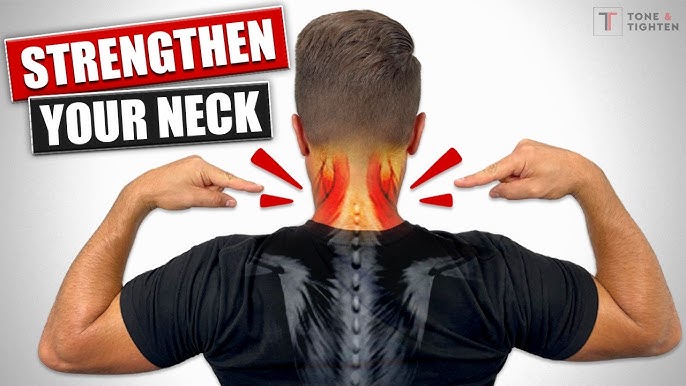
Have you ever considered what makes your head turn smoothly or hold your posture upright? The neck is composed of several key muscle groups, including the sternocleidomastoid, trapezius, and scalene muscles. These muscles not only support the head but also contribute to movement and stability.
The sternocleidomastoid is responsible for the rotation and flexion of the head. It’s the muscle that lets you nod or shake your head. The trapezius extends from your neck down to your mid-back, helping you shrug your shoulders and support the weight of your arms. The scalene muscles aid in breathing and neck flexion, making them vital for everyday functions.
Functions And Movements
Think about the variety of movements your neck performs daily. It’s not just about turning your head; your neck muscles are involved in complex functions like swallowing and breathing. The neck’s ability to move in multiple directions—forward, backward, and sideways—relies heavily on the coordination of its muscles.
Each movement engages different muscles. When you look over your shoulder, your sternocleidomastoid and trapezius are hard at work. When you nod, you’re primarily using the sternocleidomastoid. Understanding these functions helps in designing exercises that enhance these movements, all while ensuring you don’t strain or injure yourself.
Have you ever felt neck strain after a long day at work? This is often due to poor posture and weak neck muscles. Strengthening these muscles can improve your posture, reduce pain, and even boost your confidence. Plus, with the right exercises, you can achieve this without any fancy equipment.
Are you ready to take charge of your neck health? Building neck muscles at home is not only possible; it can be incredibly rewarding. By focusing on the anatomy and understanding the role of each muscle group, you can tailor your exercises to meet your specific needs. What’s your next move? Start by assessing your current neck strength and setting goals for improvement.
Essential Equipment For Home Workouts
Strengthening neck muscles at home requires essential equipment like resistance bands and a stability ball. These tools offer a versatile workout, targeting neck and supporting muscles efficiently. Consistent use helps improve posture and neck strength, making home workouts effective and convenient.
Building neck muscles at home is a rewarding pursuit. With the right equipment, you can create an effective workout routine that targets your neck muscles without the need for a gym membership. Whether you’re a fitness enthusiast or a beginner, having the essential tools at home can make all the difference in achieving those gains. Let’s dive into what you need to get started.Basic Tools
When I started my home workout journey, I realized the importance of having basic tools. A set of resistance bands was my first investment. They are versatile and easy to use for neck exercises. Another must-have is a yoga mat. It provides comfort during floor exercises and ensures stability, preventing any slips. A mirror might sound trivial, but it’s invaluable for checking your form. Proper form is crucial for effective results and to avoid injuries.Cost-effective Alternatives
Not everyone wants to invest heavily in workout equipment. Luckily, there are cost-effective alternatives. Books or water bottles can act as weights for resistance training. They are readily available and can be adjusted by changing the contents or size. Another option is using a towel for resistance. Loop it under your neck and pull gently for resistance exercises. You don’t need a fortune to build neck muscles at home. Get creative with what you have. What items around your house can double as workout gear? Essential equipment doesn’t mean expensive equipment. Use these tools to create a personalized workout space that suits your needs and budget.Warm-up Techniques
Building neck muscles at home requires a solid understanding of warm-up techniques. These techniques are essential to prevent injuries and improve your workout efficiency. You might think warming up is just a formality, but it’s a crucial step in your fitness journey. Let’s explore the importance of warming up and discover some effective exercises to get your neck ready for action.
Importance Of Warming Up
Warming up prepares your muscles for the strain they’ll endure during exercise. It increases blood flow and flexibility, reducing the risk of strains and sprains. Imagine trying to stretch a cold rubber band; it snaps easily, right? Your muscles behave similarly when cold. By warming up, you ensure they’re ready to work hard without injury.
Skipping warm-ups is tempting, especially when you’re short on time. But remember, a five-minute warm-up can save you weeks of recovery. It’s a small investment with huge returns. Plus, it mentally prepares you, signaling that it’s time to focus on your workout.
Effective Warm-up Exercises
Start with neck rotations. Sit or stand comfortably, gently rotating your neck in a circular motion. This helps loosen the joints and increase flexibility. Aim for five rotations in each direction.
Next, try neck tilts. Tilt your head from side to side, bringing your ear towards your shoulder. Hold each tilt for a few seconds. This stretches the muscles along the sides of your neck, crucial for avoiding stiffness.
Don’t forget shoulder shrugs. Shrug your shoulders upwards and hold for a few seconds, then release. Repeat this ten times. It’s not just your neck that needs warming up; your shoulders support neck movements too.
You might wonder, “Can I skip these exercises if my neck feels fine?” The answer is no. Even if your neck feels okay, warming up is a preventive measure. It’s better to be safe than sorry.
Building neck muscles at home is convenient and rewarding. But safety should always come first, and warm-ups are a key part of that safety net. Do you have a favorite warm-up exercise that works wonders for you?
Neck Strengthening Exercises
Building neck muscles at home is simple yet effective. Strong neck muscles improve posture and reduce neck pain. They also enhance overall fitness. Here are some exercises to strengthen your neck muscles.
Isometric Exercises
Isometric exercises involve holding a position. This helps build strength without movement. Start with neck presses. Sit or stand up straight. Press your palm against your forehead. Push gently while resisting with your neck muscles. Hold for 10 seconds. Repeat three times. Next, try the side neck press. Place your hand on the side of your head. Push against your hand, using neck muscles to resist. Hold for 10 seconds. Repeat for both sides. These exercises increase neck strength.
Dynamic Exercises
Dynamic exercises involve movement. They enhance flexibility and strength. Begin with neck rotations. Sit or stand comfortably. Turn your head slowly to the right. Hold for a second. Move back to the center. Repeat on the left side. Perform 10 repetitions. Next, try neck tilts. Tilt your head toward your shoulder. Hold briefly. Return to the center. Alternate sides for 10 repetitions. Lastly, do neck extensions. Tilt your head back gently. Hold for two seconds. Return to starting position. Perform 10 repetitions.
Advanced Variations
Advanced exercises challenge your neck further. Try weighted neck exercises. Use small weights or resistance bands. Perform neck curls. Lie down on your back. Place a light weight on your forehead. Curl your neck forward slowly. Return to starting position. Repeat 10 times. Another option is the resisted neck extension. Attach a resistance band to a stable object. Place the band around your head. Face away from the anchor. Extend your neck backward against the band. Perform 10 repetitions. These exercises boost neck strength efficiently.
Incorporating Resistance Bands
Boost neck muscle strength at home using resistance bands. These versatile tools offer effective tension for targeted exercises. Enjoy a simple and convenient workout routine to enhance neck muscles without any special equipment.
Building neck muscles at home can be both effective and convenient, especially when you add resistance bands to your routine. These bands are versatile, easy to store, and perfect for targeting various muscle groups, including those often overlooked neck muscles. Plus, they can make your workouts more challenging, ensuring you continue to see progress.Advantages Of Resistance Bands
Resistance bands offer several benefits that traditional weights might not. First, they are incredibly portable. You can take them anywhere, making it easy to maintain your workout routine even while traveling. They provide variable resistance, meaning the tension increases as you stretch them. This helps in working your muscles through a full range of motion, promoting better muscle growth and strength. Another advantage is their low-impact nature. They reduce the risk of injury, making them suitable for people of all fitness levels. You can gradually increase the resistance as your neck muscles get stronger, tailoring the intensity to your needs.Sample Exercises
Incorporating resistance bands into your neck workouts can be straightforward. Start with the Neck Extension exercise. Loop the band around a sturdy anchor above your head and sit on the floor, facing away. Hold the band with both hands, placing it behind your head, and gently push back against the resistance. For a Neck Flexion exercise, anchor the band at a low point. Sit facing the anchor and loop the band around the back of your head. Pull your head forward against the resistance, engaging the front neck muscles. Lateral Neck Flexion is another effective move. Secure the band to your right and loop it over your head to the left side. Pull your head to the left, then switch sides. Think about how incorporating these exercises might change your workout. Are you ready to feel the difference?Bodyweight Exercises For Neck
Building neck muscles at home is both practical and effective. Bodyweight exercises offer a simple way to strengthen your neck without equipment. They are convenient and can fit easily into your daily routine. Let’s explore some key exercises to help you build neck muscles.
Push-up Variations
Push-ups are more than just arm exercises. They engage multiple muscles, including your neck. Try the standard push-up first. Keep your body straight. Lower yourself until your chest nearly touches the ground. Push back up. This movement helps activate neck muscles.
Incline push-ups also benefit the neck. Use a stable surface, like a bench. Place your hands on it, feet on the floor. Perform the push-up in this position. The incline changes the muscle engagement, including the neck.
Bridges And Holds
Neck bridges are effective for strengthening. Lie on your back. Place your feet flat on the ground, knees bent. Lift your hips up, forming a bridge. Hold this position for a few seconds. Focus on engaging the neck muscles.
Isometric holds are simple but powerful. Sit or stand upright. Push against your forehead with your hand. Resist the pressure with your neck. Hold for a few seconds. Repeat on the sides and back of your head.
These exercises build strength and stability. Consistency is key to seeing results. Include them in your routine for a balanced workout.
Core And Neck Connection
Building neck muscles at home involves more than just neck exercises. The connection between your core and neck is vital. A strong core provides stability and support for neck movements. This reduces strain and improves overall posture. Understanding this connection helps you target both areas effectively.
Importance Of Core Stability
Core stability plays a crucial role in neck health. A stable core keeps your spine aligned. This reduces stress on neck muscles. When your core is weak, your neck compensates. This leads to tension and discomfort. Strengthening your core helps maintain balance and posture.
Exercises To Strengthen Both
Some exercises target both the core and neck. Planks are effective. They engage your core deeply. Hold a plank while keeping your neck in line. This strengthens your neck and core simultaneously.
Another exercise is the bird dog. Start on all fours. Extend one arm and opposite leg. Keep your neck straight. This stabilizes your core and strengthens your neck. Regular practice enhances stability and reduces neck strain.
Stretching And Flexibility
Building neck muscles at home involves simple stretches and exercises. Start with slow head rotations and gentle side tilts. Consistent practice enhances flexibility and strengthens neck muscles, contributing to overall posture improvement.
Building neck muscles at home isn’t just about strength exercises; stretching and flexibility play a crucial role. Stretching enhances muscle recovery and prevents injuries, while flexibility improves your range of motion and overall performance. Whether you’re a seasoned athlete or a beginner, integrating these elements into your routine can elevate your workout results. So, how can you effectively incorporate stretching and flexibility into your neck muscle-building regimen at home?Post-workout Stretches
After an intense neck workout, your muscles need proper care. Stretching after exercise helps in reducing muscle stiffness and soreness. Consider the neck tilt stretch: gently tilt your head sideways, bringing your ear toward your shoulder. Hold this position for 15-30 seconds, feeling the stretch along the opposite side of your neck. Repeat for both sides. Another effective stretch is the chin tuck. Sit or stand with a straight back, and tuck your chin toward your chest. Hold for 15 seconds to feel the muscles at the back of your neck stretch. Don’t rush through these stretches; breathing deeply will enhance the relaxation and benefits.Daily Flexibility Routine
Flexibility isn’t just a post-workout affair; it’s a daily commitment. Start your day with neck rolls: sit or stand comfortably, slowly roll your head in a circular motion. This helps loosen tight muscles and increases flexibility over time. Incorporate dynamic movements like shoulder shrugs into your routine. Raise your shoulders towards your ears, hold briefly, then relax. Doing this several times a day can prevent tension build-up and improve neck mobility. Why not challenge yourself with a question? How flexible is your neck compared to a month ago? Tracking progress keeps you motivated and can reveal surprising improvements. Remember, flexibility is a journey, not a destination. Stay consistent and attentive to your body’s signals. Your neck will thank you for the care and dedication.
Credit: www.youtube.com
Preventing Neck Injuries
Strengthen neck muscles at home with simple exercises like neck tilts and chin tucks. Regular practice helps prevent neck injuries. Keep muscles flexible and strong to support daily activities.
Preventing neck injuries while building muscles at home is crucial. It ensures your workouts are effective and safe. Neglecting safety can lead to setbacks and long-term issues.Common Mistakes
Many people overlook the importance of form. They rush through exercises, compromising posture. This can strain neck muscles unnecessarily. Another mistake is using weights that are too heavy. This leads to awkward movements and increases injury risk. Ignoring warm-ups is also a common error. Cold muscles are more prone to injury. Always prep your body before starting your workout.Safe Exercise Practices
Prioritize correct form over speed or weight. Keep your movements controlled and deliberate. This enhances muscle engagement and reduces injury risk. Use weights that challenge but don’t overwhelm. Start light and gradually increase as you build strength. This ensures your muscles adapt safely. Remember to warm up your neck muscles. Simple stretches prepare them for exercise. This reduces the risk of strain or injury. Think about how your body feels during exercises. Are you comfortable or pushing too hard? Listening to your body can help prevent injuries. Have you ever felt a twinge in your neck during exercise? It might be your body’s way of telling you to adjust your approach.Tracking Progress
Building neck muscles at home requires dedication and consistency. Track progress by noting exercises and increasing repetitions weekly. This helps visualize growth and boosts motivation.
Tracking your progress is essential when you’re building neck muscles at home. It helps you stay motivated and ensures you’re moving in the right direction. By keeping an eye on your improvements, you can adjust your workouts and keep challenging yourself.Setting Realistic Goals
Start by setting achievable goals. Aim for small, measurable improvements rather than drastic changes overnight. Consider what you want to achieve in the next month. Do you want to increase the number of reps or hold a plank for longer? Setting specific goals makes it easier to track your progress. Remember, your goals should be realistic. It’s better to aim for consistent growth rather than pushing for immediate results that might lead to injury.Monitoring Improvements
Keep a simple workout journal. Write down the exercises you perform and the number of reps or time you spend on each. Every week, review your notes. Are you doing more reps or holding positions longer? Even small changes are signs of improvement. Consider using a mirror or recording videos to check your form. Are your movements becoming smoother and more controlled? Your posture during exercises can tell a lot about your progress. Tracking progress isn’t just about numbers. It’s about feeling stronger and more confident. Ask yourself: Do you feel more stable and powerful in your daily activities? Engage with yourself. Are you ready to adjust your routine based on what you’ve learned?
Credit: in.pinterest.com
Frequently Asked Questions
How Can I Build My Neck Muscles Fast?
Focus on neck exercises like neck flexion, extension, and lateral raises. Use resistance bands or weights for added intensity. Maintain proper form and gradually increase weight. Incorporate neck workouts twice weekly for balanced growth. Ensure adequate rest and nutrition to support muscle development.
Are Neck Muscles Easy To Build?
Building neck muscles requires dedication and consistent training. Exercises like neck curls and extensions help strengthen them. Progress might be slower than larger muscles, but persistence yields results. Proper form and gradual weight increase are crucial. Neck muscles can be effectively developed with the right approach and routine.
What Are The Symptoms Of Weak Neck Muscles?
Weak neck muscles can cause neck pain, stiffness, and limited movement. You may experience headaches and fatigue. Poor posture, difficulty holding your head up, and muscle spasms are also common symptoms. Regular exercise and proper ergonomics can help strengthen neck muscles and alleviate symptoms.
Can Weak Neck Muscles Be Strengthened?
Yes, weak neck muscles can be strengthened. Consistent exercises like neck stretches and resistance training improve muscle strength. Consulting a physical therapist can provide personalized guidance. Proper posture and regular breaks from screen time also help maintain neck muscle health.
Always start exercises gently to avoid strain.
Conclusion
Building neck muscles at home is achievable and rewarding. Start with basic exercises. Gradually increase intensity to see progress. Consistency is key. Stick to your routine. No need for fancy equipment. Focus on form and safety. Listen to your body.
Rest when needed. Balanced nutrition supports muscle growth. Stay hydrated. Monitor your progress regularly. Celebrate small achievements. Enjoy the journey to a stronger neck. Confidence and strength will follow. Practice patience and perseverance. Results may take time, but they will come.
Keep pushing forward. Your efforts will pay off.