Imagine looking in the mirror and seeing a healthier, stronger version of yourself. The secret lies in how you fuel your body.
If you’ve ever wondered how to eat to lose fat and build muscle, you’re not alone. Many people struggle to find the right balance between shedding excess weight and gaining lean muscle. This article is your guide to achieving both goals without feeling deprived or overwhelmed.
You’ll discover simple strategies that work with your body’s natural processes. No complicated jargon—just straightforward advice you can follow. By the end, you’ll know exactly what to eat to transform your body and boost your confidence. Are you ready to take control of your health and see real results? Let’s dive in!

Credit: www.pinterest.com
Balanced Nutrition Basics
Eating the right foods helps you lose fat and build muscle. Balanced nutrition is key. It supports your fitness goals effectively. Understanding what your body needs is essential.
Let’s dive into the basics of balanced nutrition. We’ll explore macronutrients and caloric intake. This knowledge will guide your meal planning.
Macronutrients Role
Macronutrients are proteins, carbs, and fats. Each plays a vital role. Proteins repair and build muscles. Carbs provide energy for workouts. Fats help absorb vitamins and support cell growth.
Balancing these nutrients is crucial. Too much of one can hinder progress. Aim for a varied diet. Include lean meats, whole grains, and healthy fats.
Caloric Intake Guidelines
Calories measure energy from food. To lose fat, consume fewer calories than you burn. To build muscle, increase calories slightly.
Calculate your daily needs based on activity level. Use online tools or consult a nutritionist. Monitor your intake for effective results.
Adjust calories as goals change. Listen to your body’s signals. Stay mindful of portion sizes.
Credit: www.facebook.com
Protein Intake Strategies
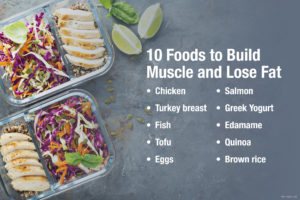
Eating the right amount of protein helps lose fat and build muscle. Focus on lean sources like chicken and fish. Spread intake throughout the day for better results.
When trying to lose fat and build muscle, understanding protein intake strategies is crucial. Protein isn’t just another nutrient; it’s the cornerstone of your fitness journey. Whether you’re lifting weights or doing cardio, your muscles need protein to repair and grow. But how much do you need, and when should you consume it? Let’s dive into practical strategies that can make a real difference in your results.Best Sources Of Protein
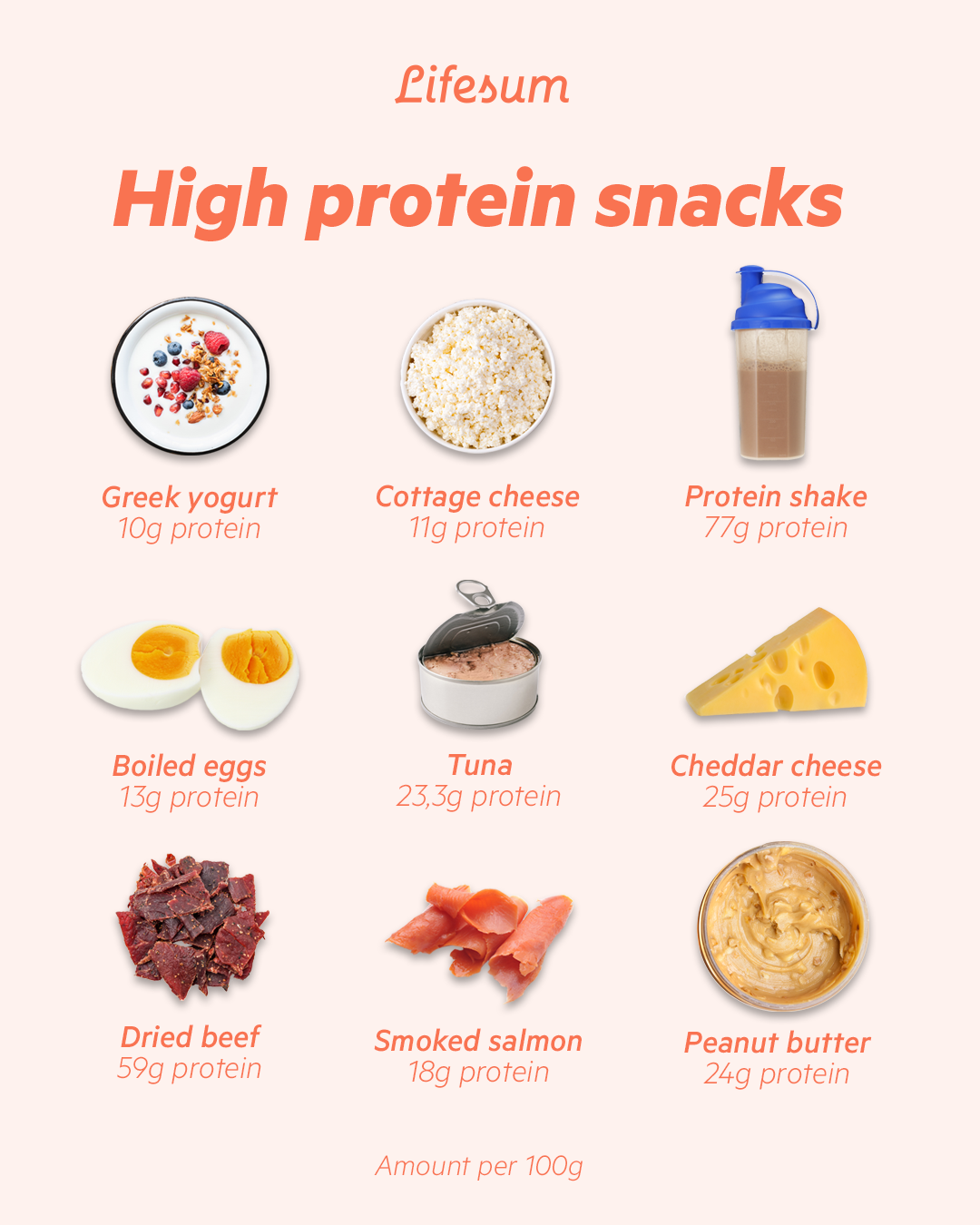
Choosing the right sources of protein is vital. You want to opt for options that provide high-quality protein without excess fat or calories. Eggs are a fantastic choice; they are affordable and versatile. If you’re looking for variety, consider chicken breast, which is low in fat and high in protein. Dairy lovers can benefit from Greek yogurt and cottage cheese, both rich in protein and great for your gut health. For plant-based eaters, lentils and quinoa offer protein-packed alternatives without compromising on taste or nutrition. Curious about other options? Experiment with different fish like salmon or tuna. They’re not only high in protein but also loaded with omega-3 fatty acids. What’s your favorite source of protein?Timing And Distribution
When you consume protein can be as important as the amount you take. Ideally, you should distribute your protein intake throughout the day. This helps maintain muscle protein synthesis, which is essential for muscle growth. Think about starting your day with protein-rich meals. Breakfast could include a protein shake or scrambled eggs. As you move through the day, aim to have protein in every meal. Lunch might include grilled chicken, while dinner could be a hearty lentil soup. Snack on almonds or a protein bar to keep your levels steady. Do you often skip post-workout meals? This is a crucial time to consume protein. A protein-rich snack or shake can help your muscles recover faster. Why not try timing your protein intake and observe the difference in your energy levels and muscle recovery? By focusing on these strategies, you can optimize your protein intake for fat loss and muscle gain. What changes are you planning to make today?Carbohydrates And Fat Management
Balancing carbohydrates and fats helps in losing fat and building muscle. Choose whole grains and lean proteins. Eat healthy fats like nuts and avocados.
Eating to lose fat and build muscle is a balance. Carbohydrates and fats play a crucial role in this process. Managing them smartly can help achieve your fitness goals. It’s not just about cutting them out. Understanding what types to consume is key. Let’s explore how to manage carbs and fats effectively.Choosing Complex Carbs
Complex carbs provide long-lasting energy. They digest slowly, keeping you full longer. Foods like oats, brown rice, and quinoa are great choices. These carbs fuel your workouts and help muscle recovery. Avoid simple sugars found in candy and soda. They can lead to fat gain. Opt for whole grains and vegetables. They offer nutrients and fiber. This supports weight loss and muscle growth.Healthy Fats Importance
Healthy fats are crucial for body function. They help absorb vitamins and support brain health. Avocados, nuts, and olive oil are excellent sources. These fats can reduce inflammation. They also aid in muscle repair. Include them in moderation for best results. Avoid trans fats found in processed foods. They can hinder your fitness progress. Focus on sources like fish and seeds. These provide omega-3 fatty acids. They support heart health and a lean body. Balancing carbs and fats is essential. Choose wisely to fuel your body and meet your goals.Meal Planning Techniques
Embarking on a fitness journey to shed fat and build muscle requires strategic meal planning. It’s not just about what you eat, but how you organize your meals to maximize results. By mastering meal planning techniques, you can efficiently fuel your body, manage hunger, and enhance muscle growth. Wondering how to optimize your meal plans for effective fat loss and muscle gain? Let’s dive into some practical strategies that can transform your eating habits.
Portion Control Tips
Portion control is crucial for managing calorie intake and ensuring balanced nutrition. Rather than guessing, use a food scale or measuring cups to accurately portion your meals. This helps prevent overeating and keeps you on track with your fitness goals.
Aim to fill half your plate with vegetables, a quarter with lean proteins like chicken or tofu, and the remaining quarter with whole grains such as quinoa or brown rice. This simple formula can help balance your nutrients without the hassle.
Feeling hungry after a meal? Check your portion sizes. Sometimes, adjusting portions can help you feel satisfied and avoid unnecessary snacking. Are you keeping an eye on how much you’re actually eating?
Meal Frequency Benefits
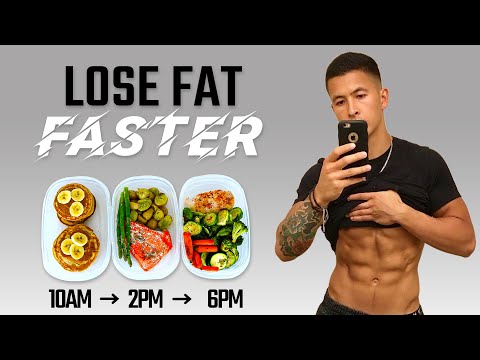
Eating more frequently can be beneficial for maintaining energy levels and managing hunger. Instead of three large meals, consider having five or six smaller meals throughout the day. This can keep your metabolism active and prevent energy dips.
Having consistent meal times helps your body anticipate food intake, reducing cravings and stabilizing blood sugar levels. But remember, frequency doesn’t mean overeating—it’s about spreading your daily intake wisely.
Does waiting too long between meals lead to binge eating or poor food choices? Frequent meals might be your solution. Experiment with meal frequency and observe how your body responds to find the rhythm that suits you best.
Meal planning is more than just organizing food; it’s about understanding how different techniques can shape your fitness journey. With mindful portion control and strategic meal frequency, you can make significant strides toward your goals. So, how will you start planning your meals differently today?
Hydration And Its Role
Hydration is crucial for fat loss and muscle growth. Water supports metabolism and aids digestion. Proper hydration ensures efficient nutrient transport in the body. This balance helps in burning fat and building muscle. Water keeps your muscles hydrated and functioning well. It prevents cramps and fatigue during workouts. Staying hydrated is essential for overall health and fitness.
Optimal Water Intake
Understanding how much water you need is vital. Aim for at least 8 cups daily. This amount supports basic body functions. If you exercise, you need more water. Increase your intake to match your activity level. Listen to your body’s thirst signals. Adjust your water intake based on your needs.
Hydration Timing
Timing your water intake can enhance performance. Drink water before and after workouts. This maintains energy levels and aids recovery. Start your day with a glass of water. It rehydrates after hours of sleep. Spread your water intake throughout the day. This keeps your body consistently hydrated.
Supplements For Support
Eating right helps in losing fat and building muscle. Balance protein, carbs, and healthy fats in meals. Supplements can enhance results when combined with a nutritious diet and regular exercise.
When you’re on a mission to lose fat and build muscle, diet and exercise are key players. Yet, sometimes you need a little extra help. That’s where supplements come into play. They can provide support, filling in nutritional gaps and boosting your performance. But which ones should you choose? And are they safe? Let’s dive into this.Common Supplements For Muscle Gain
Creatine is a popular choice among fitness enthusiasts. It enhances strength and increases lean muscle mass. You might notice quicker recovery after intense workouts too. Protein powder is another staple. It offers a convenient way to get the protein your muscles need to grow and repair. Mix it with water, milk, or add it to your smoothies for an easy protein boost. Branched-chain amino acids (BCAAs) are often used to prevent muscle breakdown. They can be especially helpful if you’re training hard and eating at a caloric deficit. Are these supplements part of your regimen? If not, why not give them a try?Safety And Efficacy
Safety should always come first. Not all supplements are created equal. Look for products that have been tested by third parties for quality and purity. Consult with a healthcare professional before starting any new supplement. This is crucial if you have existing health conditions or are taking other medications. Remember that supplements are just that—supplements. They should add to a balanced diet, not replace it. Real food should still be your primary source of nutrients. Read reviews, ask friends, and experiment to find what works best for you. Have you ever thought about how certain supplements might impact your goals? Incorporating the right supplements can be a game-changer in your fitness journey. Are you ready to take the next step?Monitoring Progress
Monitoring progress is crucial for those aiming to lose fat and build muscle. It helps you stay on track with your fitness goals. With regular checks, you can adjust your diet or workouts as needed. This ensures you are on the right path to success.
Tracking Fat Loss
Tracking fat loss is essential to know if your diet works. Regular weigh-ins can provide valuable insights. Use a digital scale for accuracy. Record your weight weekly to spot trends. Body measurements can also show progress. Measure your waist, hips, and thighs. Keep a log to see changes over time. Photos are another useful tool. Take pictures monthly to visualize differences. These methods can help you monitor fat loss effectively.
Assessing Muscle Growth
Assessing muscle growth requires more than just looking in the mirror. Strength gains are a great indicator. Keep a workout journal to note improvements. Record the weight and reps for each exercise. Progress in these areas often signals muscle growth. Body measurements can highlight gains too. Measure your arms, chest, and legs. Log these numbers to track increases. Consider using a body fat scale. Some models estimate muscle mass alongside fat. This helps provide a fuller picture of your progress.
Credit: www.youtube.com
Frequently Asked Questions
What Diet Is Best For Fat Loss And Muscle Gain?
A balanced diet with high protein, moderate carbs, and healthy fats aids fat loss and muscle gain. Focus on lean meats, whole grains, and vegetables. Hydration and portion control are essential. Regular meals boost metabolism and fuel workouts. Consult a nutritionist for personalized advice.
Can I Lose Fat And Gain Muscle At The Same Time?
Yes, you can lose fat and gain muscle simultaneously. Achieve this by maintaining a balanced diet, incorporating strength training, and ensuring adequate protein intake. Prioritize consistency and monitor progress to maximize results. Adjust calorie intake based on activity level for optimal fat loss and muscle gain.
How Much Food Should I Eat To Lose Fat And Gain Muscle?
Consume a balanced diet with a caloric deficit for fat loss and adequate protein for muscle gain. Calculate your daily caloric needs and ensure a mix of lean proteins, healthy fats, and complex carbs. Adjust portions based on progress and individual needs.
Consult a nutritionist for personalized guidance.
What Burns Fat The Fastest?
High-intensity interval training (HIIT) burns fat quickly. Combine it with a balanced diet and strength training. Stay hydrated and ensure adequate sleep for optimal results. Consistency and a healthy lifestyle are key to effective fat loss.
Conclusion
Eating right fuels fat loss and muscle growth. Balance is key. Choose lean proteins, healthy fats, and whole grains. These foods support your goals. Eat a variety of colorful fruits and vegetables. They provide essential vitamins. Hydration matters too. Drink enough water daily.
Adjust portion sizes based on your needs. Listen to your body signals. Stay consistent with your meals. Exercise complements your diet. Both work together for better results. Remember, patience is important. Changes take time. Stay committed. Your journey to a healthier body begins now.
Small steps lead to big changes. Keep moving forward.