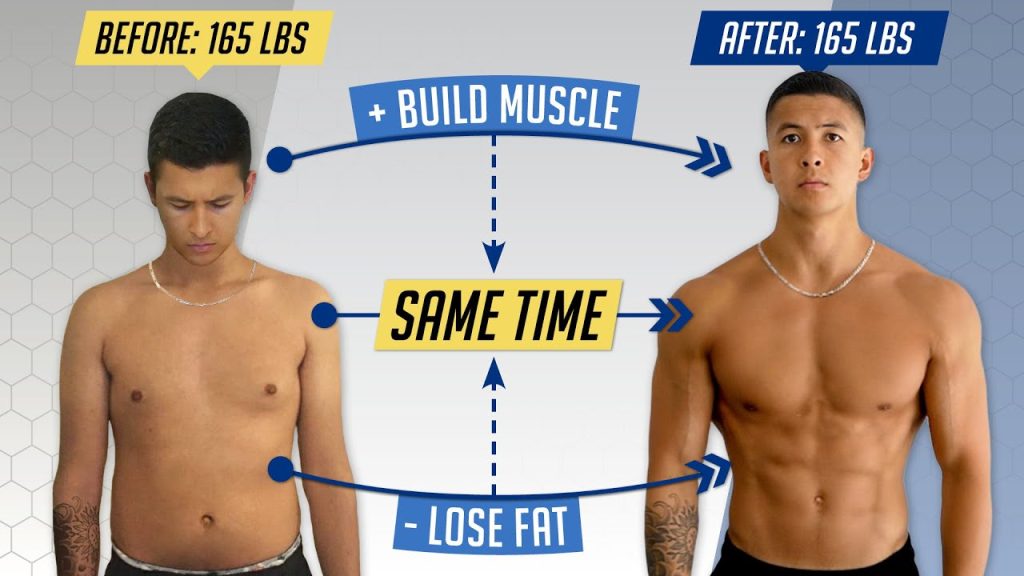
Are you on a quest to build muscle but feeling confused about what your diet should include? You’re not alone.
Many fitness enthusiasts and beginners alike grapple with the question: “Do you need fat to build muscle? ” You might be tempted to cut fat from your diet entirely, thinking it will help you get leaner and more muscular. But could that actually be hindering your progress?
Before you make any dietary changes, it’s crucial to understand the role fat plays in muscle development. This article will unravel the mysteries surrounding dietary fat and its impact on your muscle-building goals. Get ready to discover how the right balance of nutrients can fuel your workouts and optimize your gains. Stay with us to uncover the truth about fat and muscle growth – it might just transform your approach to fitness and nutrition!
Role Of Fat In Muscle Growth
The role of fat in muscle growth often gets overlooked. Many people focus on protein and carbs. But fats have an essential part too. They support hormone production. Hormones like testosterone help muscle growth. Fats also provide energy. This energy is vital for workouts.
Understanding Healthy Fats
Not all fats are equal. Healthy fats include unsaturated fats. These come from sources like olive oil and nuts. They help reduce inflammation. This aids in muscle recovery. Healthy fats also support heart health. A strong heart improves workout performance.
Fats And Energy Levels
Fats are a dense energy source. They provide more calories per gram than carbs. This energy is crucial for long workouts. It helps maintain stamina. Without enough energy, workouts suffer. Fat provides the fuel needed to build muscle.
Fats And Hormone Production
Fats play a role in hormone production. Hormones like testosterone are crucial for muscle growth. Eating healthy fats boosts these hormones. This leads to better muscle development. Low-fat diets can harm muscle gains.
Balancing Fat Intake
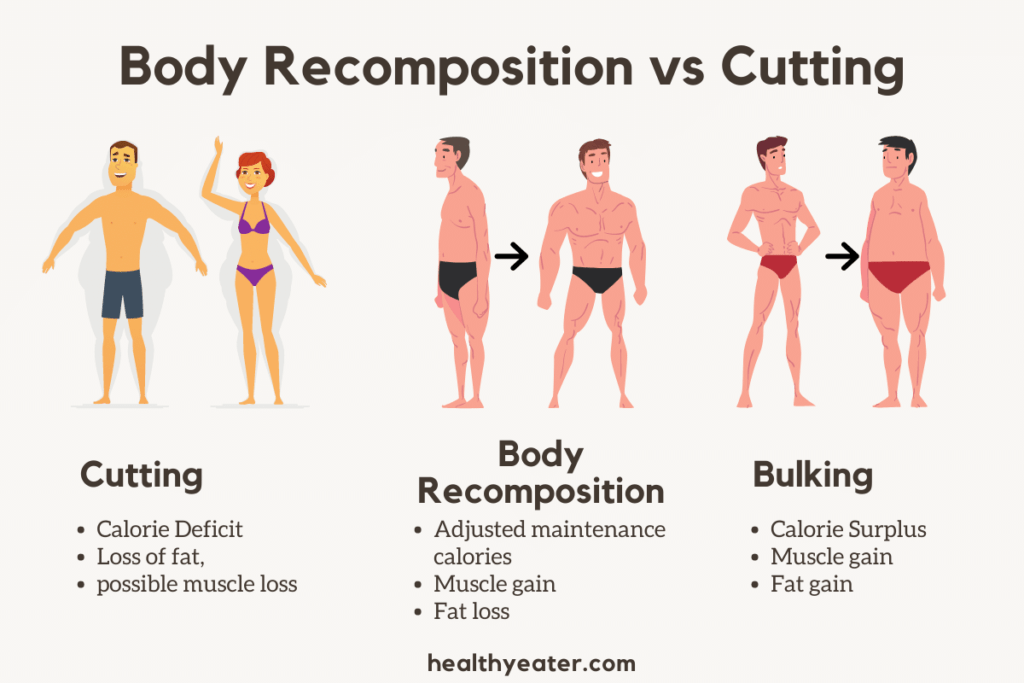
Balance is key with fat intake. Too much fat can lead to weight gain. Focus on portion control. Choose healthy fats over trans and saturated fats. This ensures you get the benefits without negative effects. A balanced diet supports overall health and fitness goals.
Credit: healthyeater.com
Types Of Dietary Fat
When thinking about building muscle, you might wonder about the role of dietary fat. It’s crucial to understand that not all fats are created equal. The type of fat you consume can significantly impact your muscle-building journey. Here’s a breakdown of the three main types of dietary fat and how they can affect your goals.
Saturated Fats
Saturated fats often get a bad reputation, but they play a role in muscle growth. Found in foods like butter, red meat, and cheese, these fats can support testosterone production, which is vital for muscle building.
While you shouldn’t overdo it, including moderate amounts of saturated fats can aid your fitness journey. Consider adding a small serving of lean beef or whole eggs to your diet.
Have you noticed any changes in your workout performance when you adjust your intake of saturated fats?
Unsaturated Fats
Unsaturated fats are often praised for their health benefits. They are found in foods like avocados, nuts, and olive oil. These fats can reduce inflammation and support overall health, which is essential when you’re pushing your body in workouts.
Integrating unsaturated fats into your diet can enhance muscle recovery and growth. Imagine the difference in your recovery times when you add a handful of almonds or drizzle olive oil over your salad.
What’s your favorite source of unsaturated fats? How does it fit into your daily meals?
Trans Fats
Trans fats are the ones you should avoid. Found in many processed and fried foods, they offer no benefits for muscle building and can harm your health.
Consuming trans fats can lead to inflammation and slow down your muscle recovery. Cutting them out can drastically improve your health and fitness results.
Next time you’re grocery shopping, check the labels. Are there trans fats hiding in your favorite snacks?
Understanding these types of dietary fats can help you make informed choices. The right balance can boost your muscle-building efforts. What changes will you make in your diet today to optimize your fitness goals?
Fat And Hormone Production
Fat plays a crucial role in hormone production, impacting muscle growth. Healthy fats help in the creation of essential hormones. These hormones are vital for building muscle mass effectively. Understanding fat’s role in hormone production can boost your fitness journey.
Testosterone Levels
Testosterone is a key hormone for muscle growth. Healthy fats support testosterone production. Avocados, nuts, and olive oil are excellent sources. They provide the necessary fat for optimal testosterone levels. Maintaining balanced testosterone aids muscle development.
Estrogen Balance
Estrogen balance is important for both men and women. Excess estrogen can hinder muscle growth. Consuming healthy fats can maintain estrogen levels. Omega-3 fatty acids are particularly beneficial. They help in keeping estrogen in check. A balanced diet supports hormone harmony.
Credit: www.youtube.com
Fat’s Impact On Metabolism
Fat often gets a bad reputation in fitness circles. Yet, understanding its role in metabolism may change your perspective. It’s not just about counting calories. Fat plays a crucial role in how our bodies use energy.
Energy Sources
Fat is a dense energy source. It’s twice as calorie-rich as proteins or carbs. This makes it vital for long-lasting energy. While carbs provide quick energy, fat sustains energy over time. This is essential for endurance during workouts.
Metabolic Rate
Fat influences your metabolic rate. Your body burns calories even at rest. Healthy fats boost this process. They enhance calorie burn during exercise and rest. This helps maintain a balanced metabolism. A stable metabolic rate is key for muscle growth.
Balancing Macronutrients
Balancing macronutrients is crucial when aiming to build muscle effectively. It’s not just about piling on protein shakes or cutting carbs; it’s about finding the right mix of protein, carbohydrates, and fats. Have you ever wondered why some people seem to gain muscle effortlessly while others struggle despite intense workouts? The answer often lies in how they balance their macronutrients. Let’s delve into the specifics.
Protein Requirements
Protein is the building block of muscle. Without enough of it, your body can’t repair and grow muscle tissues after a workout. Aim for a daily intake that matches your weight and activity level. A practical tip is to include a protein source in every meal—think lean meats, dairy, or plant-based options like beans and lentils.
Have you ever noticed a difference when you consistently hit your protein goals? You might find your recovery times improve, leading to better performance in the gym. But don’t overdo it; excess protein won’t magically turn into more muscle. Balance is key.
Carbohydrate Needs
Carbohydrates provide the energy needed for your workouts. Skipping carbs can leave you feeling fatigued and unable to push through those last reps. Consider whole grains, fruits, and vegetables to keep your energy levels steady throughout the day.
Think about your last intense workout. Did you feel sluggish halfway through? If yes, evaluate your carb intake. Adjusting it could mean the difference between hitting a personal best or cutting your session short.
Striking a balance between protein and carbs is essential. But don’t forget about fats—they are a crucial part of your diet too. Are you ready to refine your macronutrient balance for optimal muscle gain? Remember, the right mix fuels your muscle-building journey.
Credit: pioneer-performance.com
Healthy Fat Sources
Building muscle doesn’t just need protein and carbohydrates. Healthy fats play a crucial role in muscle growth and overall health. They provide energy, help absorb vitamins, and support hormone production. Including healthy fats in your diet can enhance your muscle-building efforts. Discover the best sources of healthy fats to fuel your fitness journey.
Omega-3 Fatty Acids
Omega-3 fatty acids benefit your heart and muscles. They reduce inflammation and improve joint health. This is vital for anyone engaging in regular exercise. Fatty fish like salmon, mackerel, and sardines are rich in omega-3s. Flaxseeds and walnuts also provide these essential fats. A diet rich in omega-3s supports muscle recovery and growth.
Monounsaturated Fats
Monounsaturated fats are another excellent source of healthy fats. They help lower bad cholesterol levels and support heart health. These fats are abundant in foods like avocados, olives, and nuts. Olive oil is a popular choice for cooking and salad dressings. Consuming monounsaturated fats can enhance your energy levels. This makes it easier to maintain an active lifestyle.
Common Myths About Fat
Many believe cutting fat aids muscle growth, but fats are essential. They support energy levels and hormone production. Balanced diets with healthy fats can actually help build muscle efficiently.
Understanding fat’s role in muscle building can be confusing, especially with all the myths floating around. You might have heard some claims that make you question whether fats are friends or foes in your fitness journey. Let’s break down these common myths to help you make informed choices.Fat Makes You Fat
It’s easy to think that eating fat will lead to gaining fat, but this isn’t the whole story. The truth is, consuming more calories than your body needs is what leads to weight gain, regardless of whether those calories come from fat, protein, or carbs. Consider this: if you eat a balanced amount of fat, your body can use it as a valuable energy source. This is crucial, especially when you’re working out, as it helps fuel your muscles and support their growth. Next time you reach for a snack, think about how it fits into your overall calorie needs rather than just its fat content.All Fats Are Unhealthy
Not all fats are created equal. While trans fats and excessive saturated fats can be harmful, healthy fats like those found in avocados, nuts, and olive oil are beneficial. These healthy fats are essential for hormone production, including testosterone, which plays a vital role in muscle growth. I once swapped out my daily snack for a handful of almonds, and I noticed not only an improvement in my energy levels but also better muscle recovery. Incorporating healthy fats can make a significant difference in your fitness progress. So, why not make a small change and see how it impacts your workouts? As you consider your diet, ask yourself this: Are you giving your body the right kind of fuel to support your fitness goals? By understanding the role of fats, you can make smarter choices that enhance your muscle-building efforts.Practical Tips For Including Fat
Incorporating fat into your diet aids muscle growth by providing essential energy and supporting hormone production. Fat enhances nutrient absorption, helping your body efficiently use protein for muscle repair. Balanced fat intake contributes to overall health, promoting effective muscle-building efforts.
Including fat in your diet is essential for muscle building. But how do you balance fat intake without going overboard? Let’s dive into practical tips for including fat in your meals, focusing on meal planning and portion control.Meal Planning
Creating a meal plan helps you stay on track with your fat intake. Start by identifying healthy fats you enjoy, like avocados, nuts, and olive oil. Include these in your weekly grocery list. Think about your meals for the week. Which dishes can benefit from a healthy fat boost? Stir-fries, salads, and smoothies are great options. This planning ensures you have the right ingredients ready. Are you often rushed during meal prep? Consider batch cooking. Preparing several servings in advance can save time and help you control fat portions efficiently.Portion Control
It’s easy to overconsume fats, especially when they taste so good. To manage this, use measuring tools like cups or spoons when serving fats like oils or nut butters. This keeps portions consistent. Visual cues can also guide you. Picture the size of a dice for cheese or a small handful for nuts. These visual aids can help you serve just the right amount without overdoing it. Ever felt too full after a fatty meal? Try eating slower. It allows your body to register fullness and prevents you from consuming unnecessary calories. How does portion control fit into your muscle-building routine? By balancing fat intake with these practical tips, you can support muscle growth without compromising your health goals.Frequently Asked Questions
Can I Build Muscle Without Fat?
Yes, building muscle without gaining fat is possible. Focus on balanced nutrition, strength training, and monitoring calorie intake. Prioritize protein-rich foods, and maintain a slight calorie surplus to fuel muscle growth. Regularly adjust your diet and exercise plan based on progress.
Consistency and discipline are key for optimal results.
Can You Build Muscle On Low-fat?
Yes, you can build muscle on a low-fat diet. Focus on consuming lean proteins, complex carbohydrates, and adequate calories. Balanced nutrition supports muscle growth. Ensure you have a consistent workout routine to maximize results. Prioritize nutrient-rich foods for optimal muscle development and recovery.
Can You Gain Muscle Even If You’re Skinny?
Yes, skinny individuals can gain muscle with proper diet and strength training. Focus on high-protein meals and progressive workouts. Consistency and dedication are key for muscle growth. Consult a fitness expert to tailor a program to your needs. Ensure sufficient rest and recovery for optimal results.
Is Fat Necessary For Muscle Growth?
Yes, fat is essential for muscle growth. It provides energy and supports hormone production, crucial for muscle development. Including healthy fats in your diet can enhance overall strength and endurance. Balance is key; opt for sources like avocados, nuts, and fish to support your fitness goals.
Conclusion
Balancing fat intake is key to building muscle. Too much or too little can affect results. Healthy fats support hormone production. They also boost energy. Include sources like avocados, nuts, and fish. These foods help muscles grow. But don’t overdo it.
Keep your diet balanced. Combine fats with proteins and carbs. This ensures optimal muscle development. Listen to your body. Make adjustments as needed. Remember, every body is different. Consult a nutrition expert if unsure. With the right balance, you’ll achieve your muscle goals.
Stay committed and patient for best results.