Ever wondered if simply adjusting the treadmill to an incline could be the secret to building muscle? You’re not alone.
Many fitness enthusiasts, like you, are curious about maximizing their workouts without spending hours lifting weights. Walking on an incline might just be the game-changer you need. Imagine turning your regular walk into a powerful muscle-building session. It’s not just about burning calories but about sculpting and strengthening your body in a way you might not have considered before.
Curious to see how this simple change can redefine your fitness routine? Read on to discover how walking uphill can transform your workouts and help you achieve the results you’ve been chasing.
Incline Walking Basics
Incline walking offers a simple way to boost your fitness routine. This method involves walking uphill, either on a treadmill or natural terrain. The added slope challenges your muscles and cardiovascular system. It’s a great option for those seeking more intensity without running.
Understanding Incline Levels
Incline levels range from slight slopes to steep climbs. A gentle incline mimics a slight hill and is perfect for beginners. Steeper inclines demand more muscle engagement and energy. Most treadmills allow you to adjust the incline easily. Start with a low incline and gradually increase it. This way, your body adapts safely to the new challenge.
Benefits Of Walking On An Incline
Walking on an incline targets different muscle groups. It works the calves, hamstrings, and glutes more than flat walking. This muscle activation helps in toning and strengthening. Incline walking also burns more calories. The effort needed to walk uphill increases your heart rate. Over time, this boosts cardiovascular health and aids weight loss.
Incline walking reduces joint strain. Compared to running, it is gentler on the knees and ankles. It’s suitable for those with joint concerns or injuries. It also improves balance and coordination. As you adjust to the incline, your core muscles engage. This stabilizes your body and enhances overall balance.

Credit: www.tiktok.com
Muscle Engagement
Walking on an incline challenges your muscles differently. The slope alters muscle engagement, leading to increased activation and strength. Understanding which muscles are engaged can help maximize your workout.
Targeted Muscle Groups
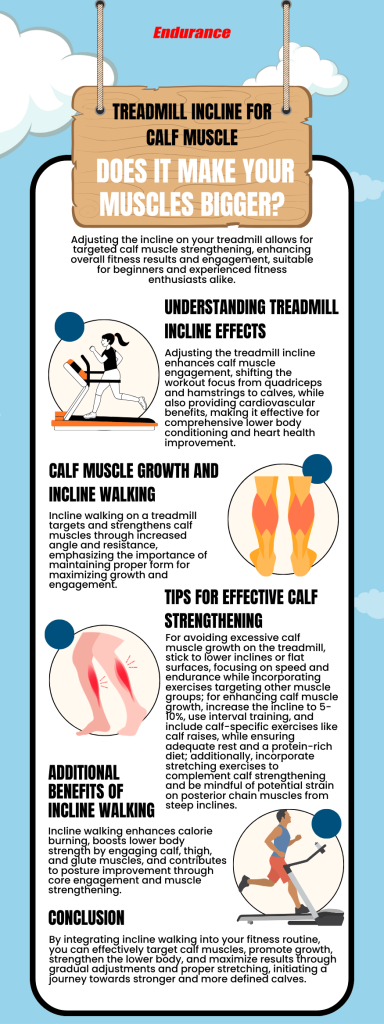
Incline walking primarily targets the calves, hamstrings, and glutes. These muscles work harder to push your body uphill. The calves propel you forward, while the hamstrings stabilize your movements. Glutes engage to lift the body with each step.
The quadriceps also play a role, especially on steeper inclines. They help extend the knee with every stride. This muscle engagement leads to muscle toning and increased endurance.
Intensity And Muscle Activation
The steeper the incline, the greater the intensity. A higher slope increases muscle activation, leading to more calorie burn. Your heart rate rises, boosting cardiovascular health.
Incline walking requires more effort, enhancing muscle building. Short bursts of intensity can lead to faster muscle growth. This makes incline walking effective for strength training.
Adjusting the incline level alters the workout intensity. Even a slight increase can challenge your muscles further. Varying the slope keeps muscles guessing, preventing workout plateaus.
Strength Vs Endurance
Walking on an incline can be more than just a simple workout. It’s an effective way to challenge your body. But does it help you build muscle, or does it enhance endurance? To answer this, let’s dive into the concepts of strength and endurance. You’ll discover how walking uphill can impact your fitness journey and which goals it can help you achieve. Whether you’re chasing the burn of muscle strength or the stamina of endurance, walking on an incline has something to offer.
Building Muscle Strength
Incline walking engages different muscle groups compared to walking on flat ground. Your calves, hamstrings, and glutes get a more intense workout as they work harder to push you uphill. This added resistance can lead to muscle growth.
Think about the feeling after a steep hike; your legs feel like they’ve been through a rigorous workout. That’s because incline walking forces your muscles to exert more effort. Over time, this can lead to increased muscle strength.
Consider adding intervals of incline walking to your routine. Gradually increase the steepness to challenge your muscles further. This method can help you build strength without the need for heavy weights.
Enhancing Muscular Endurance
Walking on an incline isn’t just about strength. It also tests your muscular endurance. As your muscles work harder to maintain a steady pace uphill, they develop the ability to sustain effort over longer periods.
Reflect on your last uphill walk; you likely noticed your heart rate increasing. This cardiovascular boost enhances your endurance, allowing your muscles to perform better and longer in future workouts.
If you’re aiming to improve your endurance, focus on maintaining a consistent incline walk pace. Over time, you’ll find your muscles can handle longer durations without tiring quickly.
So, when considering incline walking, ask yourself: Are you looking to build muscle or boost endurance? Understanding your fitness goals will help you tailor your walking routine for maximum benefit.
Comparing Incline To Flat Walking
Walking is a simple exercise with many benefits. Choosing between incline and flat walking can affect your workout results. Both methods help improve fitness, but each has unique advantages. Understanding these differences helps you decide which is better for your goals.
Muscle Impact Differences
Incline walking engages more muscles than flat walking. It targets your calves, thighs, and glutes intensely. The steeper the incline, the harder your muscles work. Flat walking primarily focuses on your lower legs. While it supports cardiovascular health, it does not build muscle as effectively as an incline.
Caloric Burn And Efficiency
Incline walking burns more calories in less time. The slope increases the effort needed, boosting your energy expenditure. This makes incline walking more efficient for weight loss. Flat walking burns fewer calories per minute. It remains a good option for longer, steady workouts. For faster results, incline walking is the better choice.
Incorporating Incline Walking
Incline walking engages more muscles than flat walking. It targets calves, hamstrings, and glutes effectively. This boosts muscle growth and strength.
Walking on an incline is more than just a cardio workout; it’s a fantastic way to build muscle, especially in your lower body. By simply adjusting the treadmill or choosing hilly outdoor paths, you can transform your walking routine into a muscle-building powerhouse. The incline challenges your muscles in new ways, making them work harder to propel your body uphill. But how can you effectively add incline walking into your fitness regimen?Workout Routines And Tips
Start with a clear plan. Choose a treadmill setting or a trail with a gentle incline. Aim for a 5-10% slope to begin. Gradually increase the incline as your strength and endurance build. You’ll notice your calves, quads, and glutes working harder. Incorporate intervals—alternating between flat and inclined walking—to keep your muscles guessing and avoid plateauing. Hydration is key; keep water handy to maintain your energy levels.Progression And Variation
Progress at your own pace. As your body adapts, increase the incline or duration to continue challenging your muscles. Experiment with variations like side-stepping or backward walking on an incline for a different muscle engagement. Have you ever tried carrying light weights or using ankle weights during your incline walk? This adds resistance and further boosts muscle growth. Listen to your body. If you experience discomfort, adjust the incline or duration accordingly. Tracking your progress keeps you motivated and helps you see the muscle-building benefits over time. Consider mixing incline walking with other workouts like cycling or strength training to maximize muscle development.Thought-provoking Question
Are you ready to take your walking routine to the next level by embracing the challenge of incline walking?Common Mistakes
Walking on an incline can strengthen muscles, but common mistakes include overestimating its impact compared to weight training. Misjudging the incline’s difficulty may lead to ineffective workouts, hindering muscle growth. Adjusting the incline and pace properly ensures better results and minimizes the risk of injury.
Walking on an incline can be a great way to build muscle. Yet, many make common mistakes that hinder progress. These errors often lead to frustration and even injury. Let’s explore some pitfalls to watch out for.Avoiding Overexertion
Pushing too hard can cause muscle strain. Many people think more effort means better results. This isn’t always true. Start slow to avoid injury. Increase intensity gradually. Listen to your body. If you feel pain, stop immediately. Rest is crucial for muscle growth. Don’t skip rest days. They’re as important as exercise.Proper Form And Posture
Good posture is key when walking on an incline. Keep your back straight. Avoid leaning forward or backward. Maintain a natural stride. Swing your arms to keep balance. Engage your core for stability. Proper form prevents strain on muscles. It also improves effectiveness. Always focus on how your body moves. Small adjustments can lead to big improvements.Scientific Insights
Walking on an incline engages muscles more intensely than flat surfaces. The added resistance strengthens calves, thighs, and glutes. This activity can enhance muscle tone and endurance over time.
Walking on an incline is more than just a simple exercise; it’s a fascinating blend of cardiovascular activity and muscle engagement. Many fitness enthusiasts swear by its effectiveness, but how does incline walking actually contribute to muscle building? Let’s dive into some scientific insights to better understand the mechanics and benefits of this activity.Research On Incline Walking
Studies have shown that walking on an incline increases the activation of muscle groups, particularly in the lower body. Research conducted by various universities highlights that this activity engages the hamstrings, calves, and glutes more intensely compared to walking on a flat surface. A study from the Journal of Sports Science & Medicine found that participants walking at a 5% incline exhibited greater muscle activity in the glutes and thighs. This means that as you elevate your treadmill or head uphill, you’re not just burning calories—you’re also giving your muscles a workout.Expert Opinions
Fitness experts agree that incline walking can be a game-changer for those looking to tone and strengthen their lower body. Personal trainers often recommend incline walking as a low-impact alternative to running, which can be easier on your joints while still offering muscle-building benefits. Dr. Lisa, a renowned sports physiologist, mentions that walking on an incline not only targets specific muscle groups but also improves overall endurance and stability. She often advises clients to incorporate varied inclines to challenge different muscle fibers and prevent workout monotony. Have you ever noticed how a simple walk uphill leaves your legs feeling more worked out? That’s your muscles adapting and growing stronger with each step. So next time you lace up your sneakers, think about adding an incline to your routine. What could be more satisfying than knowing each step is sculpting your body while giving your heart a boost?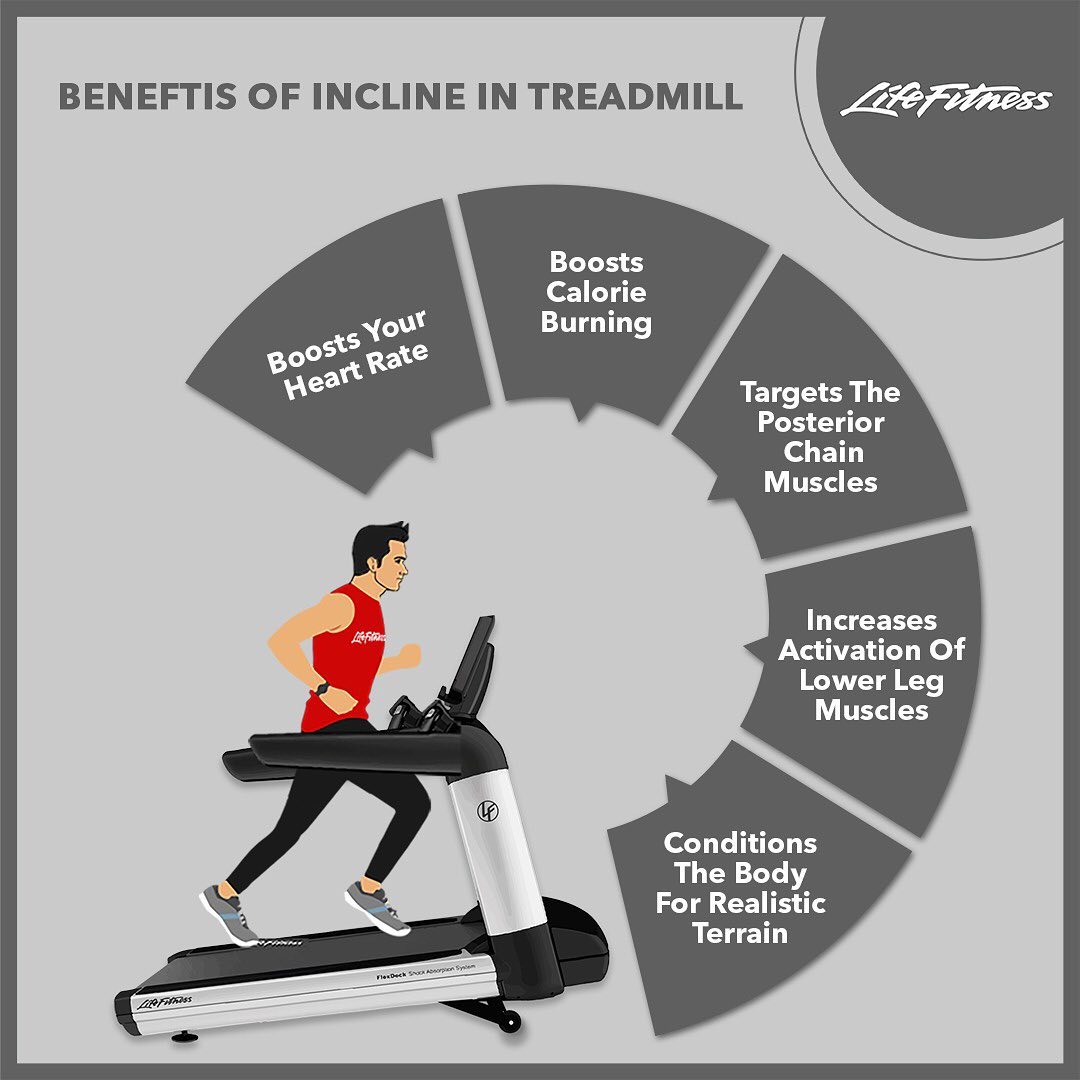
Credit: www.mes.org.mm
Practical Applications
Walking on an incline can be more than just a cardio workout. It can also help build muscle, especially in the legs and glutes. By adjusting the incline, you add resistance. This resistance challenges the muscles, promoting growth. Here, we explore how to apply incline walking effectively in daily routines.
Incorporating Into Daily Life
Incline walking can fit easily into your daily schedule. Start by choosing a hilly route for your walks. If you use a treadmill, increase the incline gradually. Aim for at least three sessions a week. Each session should last 30 to 45 minutes. This consistency strengthens muscles over time. You can also replace some flat walks with incline walks. This switch keeps your routine fresh and engaging.
Equipment And Gear
Wearing the right gear enhances your incline walking experience. Invest in comfortable, supportive shoes. Proper footwear reduces the risk of injury. Consider moisture-wicking clothing for comfort. If walking outdoors, use a hat and sunscreen. A fitness tracker can monitor progress. It helps you track distance and incline. This data motivates and guides your muscle-building journey.

Credit: runtothefinish.com
Frequently Asked Questions
Can You Gain Muscle Walking On Incline?
Walking on an incline can help build muscle, especially in the lower body. The increased resistance strengthens calves, hamstrings, and glutes. It’s a low-impact exercise that also boosts cardiovascular fitness. For significant muscle gain, combine with strength training and proper nutrition.
Is 30 Minutes Of Incline Walking Enough?
30 minutes of incline walking can boost cardiovascular health, burn calories, and strengthen muscles. It’s beneficial for weight management and improving endurance. Adjust the incline to challenge yourself and maximize results. Regular incline walking supports a healthy lifestyle. Consult a fitness professional for personalized advice.
Does Incline Walking Slim Or Bulk Legs?
Incline walking primarily tones and slims the legs by burning fat and enhancing muscle definition. It’s a low-impact exercise ideal for weight loss without bulking muscles significantly. Regular sessions improve cardiovascular health and boost metabolism, contributing to overall body fat reduction.
Why Do Bodybuilders Walk On Inclines?
Bodybuilders walk on inclines to boost cardiovascular fitness and burn more calories. Incline walking engages different muscle groups, enhancing leg strength and endurance. It also helps in reducing joint strain compared to running. Incorporating incline walking into routines supports fat loss and improves overall athletic performance, aiding in achieving a well-defined physique.
Conclusion
Walking on an incline can indeed build muscle. It targets the legs and core. This exercise strengthens muscles gradually. It’s simple yet effective for fitness enthusiasts. Engage in consistent incline walking for better results. Remember to maintain proper form. This ensures maximum muscle activation.
Pair it with a balanced diet for best outcomes. Suitable for all fitness levels. Incline walking also boosts cardiovascular health. A great addition to any workout routine. Try incorporating it into your weekly schedule. Enjoy the benefits of stronger, toned muscles.
Stay active and healthy with incline walking.