Are you striving to sculpt a lean, muscular body while shedding unwanted fat? You’re not alone.
Many people face the challenge of balancing muscle gain with fat loss, often unsure of where to start. The secret lies not just in the gym, but on your plate. Imagine unlocking the power of your meals to work in harmony with your body’s goals.
This isn’t about rigid diets or feeling deprived. It’s about eating smarter. Discover how the right foods can fuel your workouts, enhance your recovery, and optimize your metabolism. Ready to transform the way you eat and achieve the body you desire? Keep reading to uncover the simple yet effective strategies to eat your way to a fitter, stronger you.
Nutrition Basics
Understanding nutrition basics is crucial for anyone looking to build muscle and burn fat. It’s not just about what you eat, but how it fuels your body for effective workouts and recovery. When you’re armed with the right knowledge, you can make smarter choices that push you closer to your fitness goals. Let’s dive into the essentials that will power your transformation.
Macronutrients Explained
Macronutrients are your body’s primary source of energy. They include proteins, carbohydrates, and fats. Each plays a unique role in muscle building and fat loss.
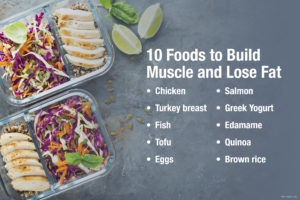
Proteins are essential for muscle repair and growth. You might find that a chicken breast or tofu provides the protein boost you need after a workout.
Carbohydrates fuel your energy. Ever notice how a bowl of oatmeal keeps you energized during morning workouts?
Fats support hormone function and provide long-lasting energy. A handful of almonds can be a great source of healthy fats.
Balancing these macronutrients can make or break your fitness journey. Are you getting the right mix?
Role Of Micronutrients
Micronutrients might be small, but they pack a punch. These include vitamins and minerals that play vital roles in your body.
Vitamin D strengthens bones, while Vitamin C helps repair tissues. Do you include fruits and veggies in your meals?
Minerals like magnesium aid muscle function, and iron boosts your energy levels. Leafy greens and beans are excellent sources.
Ignoring these can lead to fatigue and slower muscle recovery. Is your diet rich in these powerful micronutrients?
Caloric Surplus And Deficit
Caloric intake determines if you gain or lose weight. Consuming more calories than you burn leads to a surplus, essential for muscle gain.
Ever tried adding an extra spoon of peanut butter for more calories? This simple addition can help build muscle.
Conversely, a deficit occurs when you burn more calories than you consume, aiding fat loss. Swapping fries for a salad could be your first step towards a deficit.
Balancing these two can be tricky. Do you track your calories to ensure you’re on the right path?
Nutrition is not just about eating; it’s about eating smart. Are you ready to make your meals work for your goals?
Protein And Muscle Growth
Protein plays a vital role in muscle development and fat reduction. Consuming the right amount of protein can accelerate muscle growth. It also helps in maintaining lean muscle while burning fat. Protein is essential for repairing and building muscle tissues.
Optimal Protein Sources
Choosing the best protein sources is crucial for muscle growth. Lean meats like chicken and turkey offer high-quality protein. Fish, especially salmon, provides protein and healthy fats. Plant-based options include beans, lentils, and tofu. Eggs and dairy products are also excellent choices. They provide a good balance of protein and other nutrients.
Timing Your Protein Intake
The timing of protein intake affects muscle growth. Eating protein within 30 minutes after exercise helps muscle recovery. It’s beneficial to spread protein intake throughout the day. Start with protein-rich breakfast to fuel your body. Include protein in every meal for sustained energy. Consistent protein intake supports muscle maintenance.
Protein Supplements
Protein supplements can be a convenient way to increase intake. Whey protein is popular for post-workout recovery. Plant-based protein powders are suitable for vegans. They provide essential amino acids for muscle growth. Ensure supplements fit into your daily protein goals. Supplements should complement a balanced diet, not replace it.
Carbohydrates For Energy
Carbohydrates often get a bad rap, especially when you’re trying to build muscle and burn fat. But they’re crucial for providing the energy you need to power through workouts and recover efficiently. Without the right carbs, you might find yourself lacking the stamina to lift, run, or even stay active throughout the day. So, how do you choose the right carbs to fuel your journey?
Complex Vs Simple Carbs
Not all carbs are created equal. Complex carbohydrates, like whole grains and vegetables, offer sustained energy because they digest slowly. They’re your best bet for fueling workouts and maintaining energy levels. Simple carbs, like sugar and white bread, digest quickly and can lead to energy spikes and crashes.
Imagine eating a bowl of oatmeal before a workout compared to a sugary snack. The oatmeal will keep you energized longer, while the sugary snack might leave you depleted halfway through. Which sounds more effective for your goals?
Carb Timing Strategies
Timing is everything when it comes to carbs. Eating carbs before a workout can provide immediate energy, helping you push harder and lift heavier. After your workout, carbs can help replenish glycogen stores, aiding recovery and muscle growth.
Consider having a banana or a slice of whole-grain toast before you hit the gym. Post-workout, a mix of protein and carbs can optimize recovery. Have you tried timing your carbs around your workouts to see the difference it makes?
Carb Cycling Explained
Carb cycling involves varying your carb intake on different days to maximize muscle gain and fat loss. On high-intensity workout days, you eat more carbs to fuel your body. On rest days, you reduce carb intake to promote fat burning.
This strategy can keep your metabolism guessing and prevent plateaus. Have you ever felt stuck despite your efforts? Carb cycling might be the tweak your routine needs. Try alternating your carb intake according to your activity level and see the results.
Understanding how to harness the power of carbohydrates can transform your fitness journey. It’s not just about cutting carbs but using them wisely. Are you ready to rethink your carb strategy for better energy and results?
Fats And Hormone Balance
Fats play a crucial role in balancing hormones. They are vital for muscle building and fat burning. The right fats support hormone production, especially testosterone. Testosterone is key in muscle growth and fat loss. Understanding healthy fat choices can aid in achieving fitness goals.
Healthy Fat Choices
Choose fats that nourish your body. Avocados, nuts, and seeds are excellent. Use olive oil and coconut oil for cooking. These fats support hormone health. Avoid trans fats found in processed foods. They can harm your hormone balance.
Omega-3 And Omega-6
Omega-3 and Omega-6 are essential fatty acids. They play a big role in hormone balance. Omega-3 is found in fish like salmon. It reduces inflammation and supports heart health. Omega-6 is found in oils like sunflower and corn. Balance both to maintain optimal health.
Impact On Testosterone Levels
Testosterone levels are crucial for muscle growth. Healthy fats boost testosterone production. They provide the building blocks for hormone creation. Low-fat diets can reduce testosterone levels. Ensure your diet includes adequate healthy fats. This supports muscle gain and fat loss.
Meal Planning Strategies
Meal planning is crucial for building muscle and burning fat. It helps you stay on track with your fitness goals. Effective meal planning includes specific strategies. These strategies ensure you consume the right foods at the right times. This section provides insights into optimizing your meals for workouts and recovery.
Pre And Post-workout Meals
Eating before and after workouts is essential. Pre-workout meals fuel your body. They provide energy for intense sessions. Opt for carbs like oatmeal or bananas. Pair them with protein sources such as eggs. Post-workout meals aid recovery. They help repair muscles. Include lean proteins like chicken or fish. Add complex carbs like brown rice or sweet potatoes.
Meal Prep Tips
Preparing meals in advance saves time. It ensures you eat healthy consistently. Start by planning your weekly menu. Choose simple recipes that include proteins, carbs, and fats. Use containers to store portions. This helps manage serving sizes. Batch cooking is effective. Cook large amounts and divide into meals. Freeze meals to preserve freshness.
Balancing Macronutrients
Macronutrients are vital for muscle growth and fat loss. Protein builds and repairs tissues. Carbs provide energy. Fats support cell functions. Balance these nutrients in every meal. Aim for a plate with protein, carbs, and fats. Examples include grilled chicken, quinoa, and avocado. Adjust portions based on goals. More protein for muscle gain. Fewer carbs for fat loss.
Hydration And Performance
Staying hydrated boosts muscle growth and aids fat loss. Water helps your body burn calories and build strength. Proper hydration supports energy levels and recovery, enhancing workout performance.
Hydration plays a vital role in both muscle building and fat burning. If you’re aiming to maximize your workouts and see real progress, understanding how water and electrolytes affect your performance is crucial. Let’s dive into the essentials of keeping your body properly hydrated for optimal results.Importance Of Water
Water is more than just a thirst quencher. It helps regulate your body temperature and lubricates your joints. Staying hydrated ensures that your muscles receive the nutrients and oxygen they need to function effectively. Imagine feeling sluggish halfway through your workout. This might be a sign of dehydration. Drinking enough water can help you push through those last reps with energy and power.Electrolytes Explained
Electrolytes are minerals like sodium, potassium, and magnesium. They help balance the fluids in your body. When you sweat, you lose these essential minerals, affecting your performance. Replenishing electrolytes is key, especially after intense workouts. Consider adding electrolyte-rich drinks or foods like bananas and yogurt to your diet. They can help maintain the balance needed for muscle function and recovery.Hydration Timing
Timing your water intake can make a huge difference. Drinking small amounts throughout the day is better than gulping down a liter right before your workout. Aim to drink water consistently to keep your body hydrated. Think of hydration as a part of your workout routine. Drink water before, during, and after exercise to support your muscles and energy levels. How do you plan your hydration strategy? Start noticing how your body feels at different hydration levels to find what works best for you.Supplements For Muscle And Fat Loss
Balanced nutrition supports muscle growth and fat loss. Protein-rich foods boost muscle repair. Healthy fats and carbs fuel workouts. Supplements like whey protein and BCAAs enhance results.
Supplements for muscle and fat loss can be a game changer for your fitness journey. They can help you reach your goals faster and more efficiently. But not all supplements are made equal, and knowing which ones to choose can be overwhelming.Essential Supplements
Before diving into specific supplements, it’s crucial to understand the basics. Protein powder, for instance, is essential for muscle repair and growth. If you struggle to get enough protein from your diet, a daily shake can fill the gap. Branched-chain amino acids (BCAAs) are another important supplement. They help reduce muscle soreness, allowing you to train harder and more often. Do you include these in your routine?Creatine And Muscle Mass
Creatine is a powerhouse for building muscle. It boosts your strength and helps you perform better during high-intensity workouts. Many athletes swear by it for a reason. Adding creatine to your regimen can result in noticeable gains in muscle size and power. It’s one of the most researched supplements, with solid evidence backing its effectiveness. Have you tried creatine yet, and what results did you notice?Fat Burners: Pros And Cons
Fat burners are popular for those looking to shed extra pounds. They can increase metabolism and suppress appetite, but they aren’t magic pills. It’s important to pair them with a healthy diet and exercise. However, some fat burners come with side effects like jitteriness or increased heart rate. Always read the labels and start with a low dose to see how your body reacts. Are the potential benefits worth the risks for you? Incorporating the right supplements into your diet can amplify your muscle-building and fat-loss efforts. Just remember, they should complement, not replace, a balanced diet and regular exercise. What will you try first?
Credit: www.youtube.com
Tracking Progress
Building muscle and burning fat requires tracking progress. This involves monitoring diet and exercise routines. Consistent evaluation helps adjust strategies for optimal results.
Tracking your progress is crucial in the journey of building muscle and burning fat. It helps you understand what works for you and what needs change. Without tracking, you might miss the small victories or the areas needing improvement. Being aware of your progress keeps you motivated and focused on your goals.Using Fitness Apps
Fitness apps simplify tracking your workouts and diet. They provide a platform to log your daily activities. You can record meals, workouts, and track calories. Most apps offer insights into your habits. They help identify trends and areas for improvement. Fitness apps often include community support. Connecting with others boosts your motivation. You can share achievements and challenges with friends.Adjusting Your Diet
Diet plays a vital role in fitness goals. Regularly assess your food intake. Make changes based on your progress. If muscle gain stalls, consider increasing protein. For burning fat, reduce calorie intake. Keep a food diary to track nutrients. Your diet should align with your fitness objectives. Adjustments help optimize results. Listen to your body’s response to changes.Measuring Body Composition
Body composition measurement is key for accurate tracking. It goes beyond weight scales. Use methods like calipers or body scanners. They reveal muscle and fat percentages. Regular measurements show progress clearly. Muscle gain may not show on scales. Composition measurements provide real insights. This helps you understand physical changes better.Common Pitfalls
Mistakes can hinder muscle growth and fat loss. Eating too few calories stalls progress, while excessive protein intake burdens the kidneys. Skipping carbs reduces energy, affecting workouts and recovery.
Building muscle and burning fat is a common goal for many fitness enthusiasts. However, the journey is often riddled with common pitfalls that can derail your progress. Understanding these pitfalls can help you stay on track and achieve your fitness goals more effectively.Overeating Healthy Foods
It’s easy to assume that all healthy foods are free from calories. However, foods like avocados, nuts, and olive oil, while nutritious, are calorie-dense. I once thought snacking on almonds was a free pass. But my weight plateaued because I wasn’t mindful of portion sizes. It’s crucial to remember that even healthy foods can contribute to weight gain if consumed in excess. Are you measuring your portions accurately, or are you underestimating those extra calories?Skipping Meals
Skipping meals might seem like a quick way to cut calories, but it often backfires. Skipping meals can slow down your metabolism and lead to overeating later. I remember skipping breakfast, thinking it would help burn fat faster. Instead, I ended up eating more at lunch. Regular meals keep your metabolism steady and energy levels high. Are you skipping meals in hopes of faster results, only to find yourself hungrier and less energetic?Inconsistent Tracking
Tracking your food intake and workouts can reveal valuable patterns. But inconsistent tracking provides misleading data. I once tracked diligently for a week but slacked off the next, leading to confusing results. Consistency is key. Accurate tracking helps you make informed decisions and adjust your diet and exercise as needed. Have you been consistent with tracking, or do you find yourself estimating more often than not? Remember, awareness is the first step toward change. By recognizing these pitfalls, you’re better equipped to make smarter choices on your fitness journey.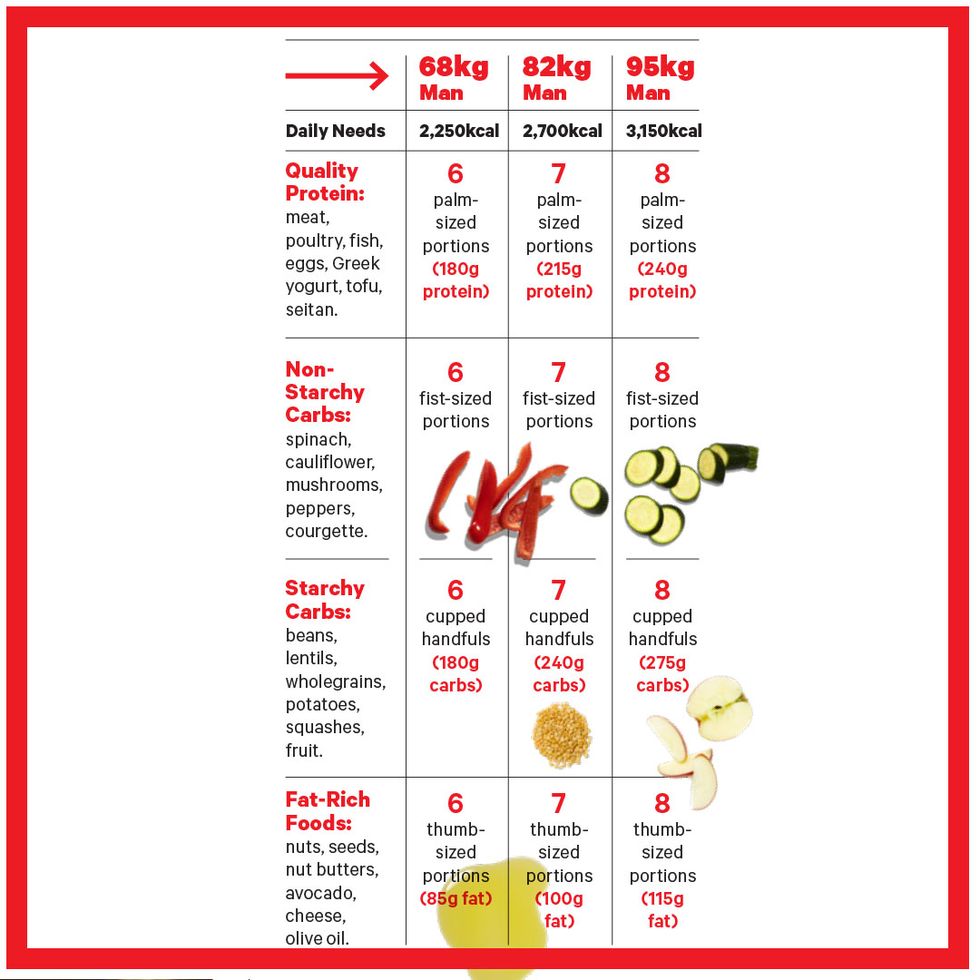
Credit: www.menshealth.com

Credit: www.asweetpeachef.com
Frequently Asked Questions
What Is The Best Diet To Build Muscle And Burn Fat?
A balanced diet rich in protein, healthy fats, and complex carbohydrates builds muscle and burns fat. Focus on lean meats, fish, eggs, nuts, whole grains, and vegetables. Stay hydrated and maintain a calorie deficit for fat loss. Consistency and portion control are key.
Can I Burn Fat And Build Muscle?
Yes, you can burn fat and build muscle simultaneously. Focus on strength training and a balanced diet. Include protein-rich foods and maintain a calorie deficit. Consistency and patience are key to achieving desired results. Stay hydrated and get enough sleep for optimal recovery and performance.
Does Eating Help With Gain Muscle And Weight Loss?
Eating a balanced diet aids muscle gain by providing essential nutrients. Consuming protein and healthy fats supports muscle growth. For weight loss, focus on portion control and nutrient-dense foods. Combining proper nutrition with exercise helps achieve both muscle gain and weight loss effectively.
Adjust your diet based on personal goals.
Will I Get Fat If I Eat More To Build Muscle?
Eating more can lead to fat gain if calorie intake exceeds muscle-building needs. Focus on balanced nutrition and strength training. Adjust your diet based on progress and goals to minimize fat gain while building muscle.
Conclusion
Building muscle and burning fat requires smart eating choices. Prioritize protein-rich foods for muscle growth. Include healthy fats and carbs for energy. Stay hydrated to support your body’s functions. Consistency is key; stick to your meal plan. Pay attention to portion sizes to avoid overeating.
Listen to your body’s needs and adjust as necessary. Regular exercise complements your dietary efforts. A balanced diet and active lifestyle lead to better results. Remember, patience is essential. Change takes time. Stay committed to your goals, and progress will follow.
Your journey to a healthier body starts with each meal.