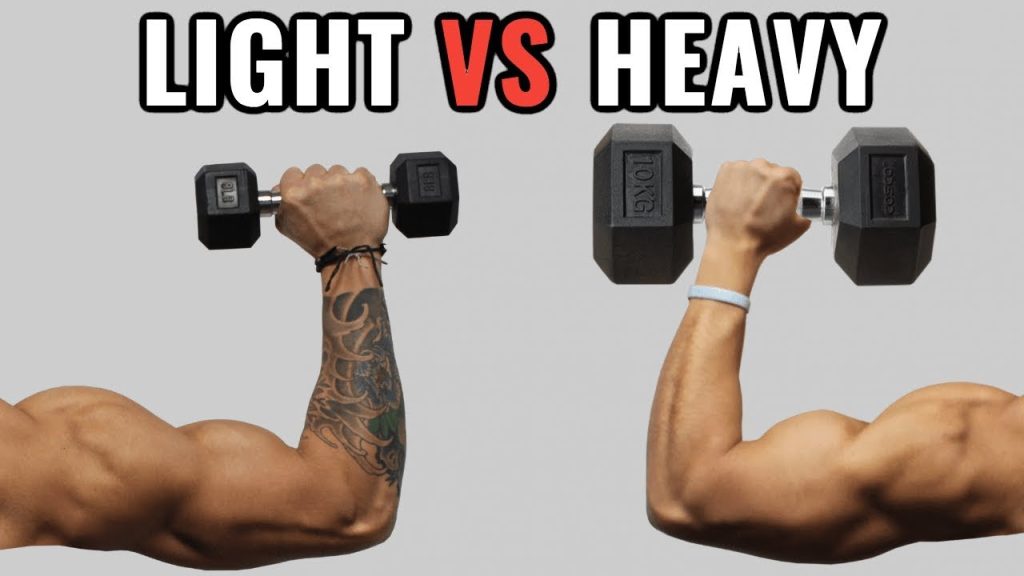
Are you wondering if lifting heavy weights is the only way to build muscle? Maybe you’ve heard that you need to push your limits with massive weights to see any real progress.
But what if that’s not the whole truth? You might be surprised to learn that building muscle isn’t just about how much you can lift. There’s more to the equation, and understanding it could be the key to transforming your fitness journey.
You’ll discover the secrets behind muscle growth and find out if you really need to go heavy every time you hit the gym. Stay with us, and uncover the strategies that could redefine your workout routine and maximize your muscle gains.

Credit: www.youtube.com
Muscle Building Fundamentals
Building muscle isn’t just about lifting heavy weights. It’s a blend of various elements. Understanding these fundamentals helps you reach your goals effectively. Many believe that only heavy lifting builds muscle. This isn’t entirely true. Let’s explore the basics that contribute to muscle growth.
Understanding Muscle Tension
Muscle tension is key for growth. It’s about how much stress your muscles experience. You can achieve tension with both heavy and lighter weights. The focus should be on challenging your muscles. Consistent stress over time leads to growth.
The Role Of Metabolic Stress
Metabolic stress happens when your muscles experience fatigue. This is often felt as a burn during exercise. It’s a sign of effective muscle engagement. Many reps with lighter weights can create this stress. This encourages muscle growth without heavy lifting.
The Importance Of Muscle Damage
Muscle damage occurs during intense workouts. It’s part of the muscle-building process. Small tears in muscle fibers repair over time, making them stronger. Both heavy and lighter weights can cause this. It’s about the workout intensity and variety.
Progressive Overload Principle
Progressive overload is vital for muscle growth. It means gradually increasing weight, reps, or intensity. This ensures continuous muscle challenge. Without this, muscles won’t grow, regardless of weight size. It’s a strategy for long-term gains.
Nutrition And Recovery
Proper nutrition fuels muscle growth. Proteins, carbs, and fats play a role. Recovery is equally crucial. Muscles need rest to rebuild and grow. Without adequate recovery, growth stalls. Focus on balanced nutrition and rest for optimal results.
Consistency Over Intensity
Consistency is more important than lifting heavy weights. Regular workouts lead to progress. Intensity is important, but consistency builds habits. Muscles grow with regular, challenging workouts. Don’t skip sessions, even if they seem less intense.
Heavy Lifting And Muscle Growth
Building muscle often sparks the debate: is heavy lifting essential for muscle growth? While heavy weights can certainly lead to gains, they aren’t the only path to bulking up. Understanding how your body responds to different types of resistance can help tailor your workout to meet your goals. Let’s dive into the relationship between heavy lifting and muscle growth.
Heavy Lifting: Does It Really Make Muscles Grow?
Heavy lifting challenges your muscles, pushing them to adapt and grow stronger. This method increases muscle fiber recruitment, leading to growth. But is it the only way?
Consider this: many people achieve impressive muscle definition using lighter weights with more repetitions. It’s about finding a balance that works for your body and goals.
Finding Your Optimal Weight
It’s crucial to find the right weight for your body. Start with a manageable weight and gradually increase it. Your muscles should feel challenged but not overwhelmed.
Tracking your progress can help you find that sweet spot. Keep a journal of your weights and reps to see what works best for muscle growth.
Mixing Up Your Routine
A varied routine can be more effective than sticking to heavy weights alone. Incorporate lighter weights, resistance bands, and bodyweight exercises.
Switching things up keeps your muscles guessing, preventing plateau and promoting continuous growth. Experiment with different exercises to see what triggers the best response.
Should You Focus Solely On Heavy Lifting?
Heavy lifting isn’t the be-all and end-all of muscle growth. Think about your long-term goals. Is it strength, size, or endurance?
Balance heavy lifting with other forms of resistance training. This approach can help you achieve a well-rounded physique.
Personal Insight: The Power Of Variety
Reflecting on my journey, I found that mixing heavy lifting with lighter weights improved my muscle growth. It was surprising how a shift in routine yielded better results.
Have you tried varying your workouts? Experiment and observe how your body responds. You might just find that perfect combination that suits your needs.
Muscle growth is a personal journey. Discover what works for you, and remember—there’s no single formula for success. What’s your take on heavy lifting and muscle growth?
Role Of Lighter Weights
Many believe heavy weights are key to building muscle. But lighter weights can also play a crucial role. They offer diverse benefits that contribute to muscle growth.
High Repetitions And Muscle Endurance
Lighter weights allow more repetitions. This increases muscle endurance significantly. Muscles adapt to handle stress over time. High repetitions boost stamina. They improve the ability to sustain effort longer. This prepares muscles for heavier loads later.
Progressive Overload With Light Weights
Progressive overload doesn’t need heavy weights. Lighter weights can still challenge muscles. Gradually increase the number of repetitions. This keeps the muscles under continuous stress. Over time, muscles grow and strengthen. It’s a gradual process that is effective.
Scientific Perspective
Many wonder if heavy weights are essential for muscle growth. Science provides insights into this common query. The answer isn’t as straightforward as it seems. Understanding the scientific perspective can help guide effective workouts.
Studies On Weight And Muscle Hypertrophy
Research explores the relationship between weight intensity and muscle size. Studies show varying results. Some suggest heavy weights are key to muscle hypertrophy. Others highlight benefits of lighter weights with higher repetitions. A study published in the Journal of Strength and Conditioning Research found that both methods can build muscle. It depends on individual goals and body response.
Researchers agree that muscle growth isn’t solely about weight. Factors like nutrition, rest, and consistency play crucial roles. Consider this when choosing your workout approach.
Expert Opinions And Findings
Experts in fitness have diverse opinions on lifting heavy. Many trainers advocate for lifting heavier weights. They claim it’s necessary for maximum muscle gain. However, some experts support lighter weights for endurance and muscle tone. Brad Schoenfeld, a well-known fitness expert, suggests a balanced approach. He emphasizes varying weight intensity to achieve different results.
Fitness experts stress listening to your body. Muscle growth can be achieved without straining. It’s important to find a routine that suits your physical abilities and goals.
Factors Influencing Muscle Gain
Lifting heavy weights isn’t the only way to build muscle. Consistency, proper form, and a balanced diet play crucial roles. Progressive overload, even with lighter weights, can effectively stimulate muscle growth.
Building muscle isn’t just about lifting heavy weights. It’s a complex process influenced by a variety of factors. Ever wondered why some people seem to gain muscle effortlessly while others struggle despite hours at the gym? The answer lies in a mix of genetics, diet, and recovery. By understanding these elements, you can tailor your approach to muscle building. Let’s dive into the key factors that play a crucial role in your muscle gain journey.Genetics And Muscle Response
Genetics play a significant role in how your muscles respond to weight training. Have you noticed some people bulk up quickly while others gain strength without much visible size? Your genetic makeup determines your muscle fiber type and distribution, influencing your muscle growth potential. Think about your family. Do you share a similar body type with your parents or siblings? This could explain your muscle building tendencies. While you can’t change your genetics, knowing your muscle response can help you set realistic goals and choose the right workout strategy.Diet And Recovery Importance
Diet fuels your muscles. Without proper nutrition, your efforts in the gym won’t yield significant results. Prioritize protein intake as it repairs and builds muscle tissues. But don’t overlook carbohydrates and fats—they provide the energy needed for intense workouts. Recovery is equally crucial. Do you give your muscles enough time to rest and repair? Sleep and rest days are vital for muscle growth. Neglecting recovery can lead to burnout and injury, hindering your progress. Balance your workout intensity with adequate rest to optimize muscle gain. Consider your lifestyle. Are you eating well and sleeping enough to support your muscle-building goals? Small changes in these areas can make a big difference. Embrace a balanced approach to ensure your body has what it needs to build muscle effectively.
Credit: www.fitandwell.com
Balancing Weight And Technique
Building muscle doesn’t always mean lifting heavy weights. Technique plays a key role in muscle growth. Focus on proper form and gradually increase resistance for effective results.
Balancing weight and technique is crucial in muscle building. Lifting heavy weights is often seen as the only way to gain muscle. But focusing solely on weight can lead to poor form and injury. Understanding the balance between weight and technique can enhance muscle growth safely. Proper form and safety are key components of an effective workout routine.Importance Of Proper Form
Proper form ensures that muscles work efficiently. This leads to better muscle growth. Correct technique reduces the risk of injury. It allows you to target specific muscles effectively. Focus on controlled movements rather than lifting the heaviest weights possible. Proper form helps maintain body balance. It also improves posture and stability.Avoiding Injury While Lifting
Using the correct technique prevents injuries. Injuries can halt progress and cause long-term issues. Start with lighter weights to learn the right form. Gradually increase weight as your strength improves. Warm up before lifting to prepare your muscles. Stretch afterwards to aid recovery. Listen to your body’s signals to avoid strain. Rest is vital for muscle repair and growth.Practical Tips For Muscle Building
Building muscle doesn’t always mean lifting heavy weights. Focus on proper form, consistency, and gradual weight increase. Combining resistance training with balanced nutrition can effectively enhance muscle growth.
Building muscle doesn’t always mean lifting the heaviest weights you can find. While lifting heavy can help, it’s not the only path to muscle growth. Let’s dive into some practical tips that can aid your muscle-building journey. Whether you’re a beginner or a seasoned gym-goer, these insights can help you achieve your goals more effectively.Setting Personal Goals
Start by setting clear and realistic goals. Do you want to increase muscle mass, improve strength, or enhance endurance? Knowing your aim will guide your workout choices and keep you focused. Write down your goals and review them regularly. This helps track your progress and motivates you to stay on track. Adjust your goals as needed to reflect your evolving fitness level and interests. Think about what success looks like for you. Is it lifting a certain weight or seeing physical changes in the mirror? Having a clear vision helps maintain your motivation.Designing An Effective Workout Plan
Crafting a workout plan tailored to your goals is crucial. Focus on a mix of exercises that target different muscle groups. This ensures balanced development and reduces injury risk. Include both compound movements like squats and deadlifts, and isolation exercises such as bicep curls. Compound exercises engage multiple muscles, while isolation exercises allow you to focus on specific areas. Consider your schedule and energy levels. How many days can you realistically commit to working out each week? Plan sessions that fit your lifestyle and allow ample time for recovery. Remember, consistency trumps intensity. A well-thought-out routine performed regularly will yield better results than sporadic, intense workouts. What small change can you make today to stick to your plan more consistently?Common Misconceptions
Many believe heavy weights are essential for muscle growth. This idea often leads to misconceptions. People think lighter weights won’t help build muscle. But, is lifting heavy really the only way? Let’s explore common misconceptions and understand the truth behind muscle building.
Debunking Myths About Heavy Lifting
Heavy lifting isn’t the only path to strong muscles. Many think heavy weights equal bigger muscles. But that’s not always true. Muscle growth depends on various factors. Proper technique, consistency, and rest matter too. Light weights can be effective with high repetitions. They help in muscle endurance and definition. It’s not just about the weight, but how you use it.
Understanding Muscle Adaptation
Muscles adapt to stress over time. They grow stronger with regular challenges. Heavy lifting is one way to apply stress. But it’s not the only method. Different exercises stimulate muscles in unique ways. Using varied weights promotes balanced growth. Muscle fibers respond to different types of tension. Mixing heavy and light weights can be beneficial. It provides diverse challenges for muscle adaptation.
Credit: medium.com
Frequently Asked Questions
Can I Build Muscle Without Lifting Heavy?
Yes, building muscle without lifting heavy is possible. Focus on high-repetition exercises, bodyweight workouts, and resistance bands. Prioritize proper form, progressive overload, and balanced nutrition. These methods stimulate muscle growth effectively, ensuring strength gains and improved fitness. Consistency is key for long-term results and sustainable muscle development.
Is It Better To Lift Heavy Or Light To Build Muscle?
Lifting heavy weights generally helps build muscle by increasing strength and stimulating growth. Light weights with high repetitions can enhance muscle endurance. Combining both methods optimizes results. Focus on proper form and progressively increase weight. Listen to your body and adjust intensity to avoid injury while maximizing muscle development.
Do I Have To Lift Heavy To Get Results?
No, you don’t have to lift heavy to get results. Focus on proper form and consistent workouts. Increase weight gradually and combine strength training with cardio and a balanced diet for effective results. Prioritize what your body can handle to avoid injury and ensure progress.
Is Weight Lifting Necessary For Muscle Gain?
Weight lifting is essential for muscle gain. It stimulates muscle growth and increases strength. Resistance training helps build muscle mass effectively. Consistent weight lifting enhances muscle development and improves overall fitness. Combine weight lifting with proper nutrition for optimal muscle gain results.
Conclusion
Building muscle doesn’t always need heavy weights. Lifting light can be effective too. Consistency and proper form matter most. Focus on challenging your muscles. Mix up your routines for variety. Listen to your body. Rest is important for growth. Nutrition plays a key role in muscle building.
Balance protein, carbs, and fats. Stay hydrated for better workouts. Set realistic goals and track progress. Patience is essential. Results take time. Fitness journeys are personal. Find what works best for you. Enjoy the process and celebrate small wins. Stay committed, and success will follow.