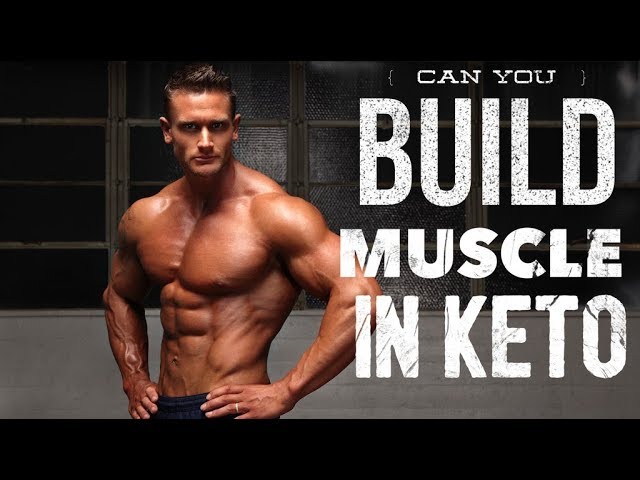
Have you ever wondered if it’s possible to build muscle while sticking to a low carb diet? You’re not alone.
Many fitness enthusiasts and health-conscious individuals like you are curious about how to balance muscle growth with carb intake. After all, carbohydrates are often portrayed as the powerhouse for energy and muscle building. But what if you could achieve those gains while keeping your carbs low?
Imagine sculpting your dream physique without the carb-induced energy crashes or worries about excess calorie intake. This article will unlock the secrets of how you can effectively build muscle on a low carb diet. Whether you’re a seasoned gym-goer or just starting out, this information could transform your fitness journey. Stay with us, as you won’t want to miss the surprising insights that could redefine your approach to diet and muscle building.
Low Carb Diet Basics
Low carb diets are popular for weight loss and health benefits. They focus on reducing carbohydrate intake, making room for other nutrients. This diet can help manage insulin levels and reduce body fat. But can you still build muscle on a low carb diet? Understanding the basics is key.
Understanding Carbohydrates
Carbohydrates are a primary energy source. They’re found in foods like bread, pasta, and fruits. Low carb diets limit these foods, encouraging the body to burn fat for energy. This process is called ketosis. But, not all carbs are bad. Complex carbs offer fiber and nutrients.
Types Of Low Carb Diets
There are different low carb diets. The ketogenic diet is very low in carbs, high in fats. Atkins diet starts with low carbs, then gradually adds them back. The paleo diet focuses on whole foods, limiting grains and sugars. Each has unique benefits and challenges.
Protein’s Role In Muscle Building
Protein is crucial for muscle growth. It repairs and builds muscle tissue. In a low carb diet, protein becomes more important. It provides energy and aids in muscle recovery. Sources include lean meats, eggs, and dairy.
Balancing Macronutrients
Balancing carbs, proteins, and fats is essential. Too few carbs can affect energy levels. Enough protein supports muscle growth. Healthy fats provide energy and support cell function. Finding the right balance is vital for muscle building.
Potential Challenges
Low carb diets may lead to fatigue initially. Energy levels might drop as the body adapts. Over time, the body can use fat efficiently. Staying hydrated and consuming enough electrolytes helps. Consistency is key to overcoming these challenges.
Muscle Building Essentials
Building muscle requires specific essentials. Even on a low carb diet, the fundamentals remain the same. Focusing on these essentials can help you achieve muscle growth effectively.
Protein Intake
Protein is crucial for muscle repair. It provides the necessary amino acids. These are the building blocks of muscle tissue. Ensure a consistent protein intake daily. Lean meats, eggs, and dairy are excellent sources.
Resistance Training
Resistance training stimulates muscle growth. Lifting weights or using resistance bands can be effective. Aim for regular workouts targeting different muscle groups. This helps in muscle hypertrophy and strength gain.
Rest And Recovery
Muscle recovery is as important as training. Rest allows muscles to repair and grow. Ensure adequate sleep every night. Consider rest days between workout sessions. This prevents overtraining and reduces injury risk.
Hydration
Hydration supports muscle function. Water helps transport nutrients to muscles. It also aids in recovery post-workout. Drink plenty of water throughout the day. Keep your muscles hydrated for optimal performance.
Balanced Nutrients
A balanced diet is key, even with low carbs. Include healthy fats for energy. Avocados and nuts are good options. They provide essential fatty acids. Vitamins and minerals from vegetables support overall health.
Low Carb Diet And Muscle Growth
Building muscle on a low carb diet might seem challenging at first glance. You may worry about losing energy or not having enough fuel for intense workouts. But, with the right approach, you can achieve muscle growth without loading up on carbs. Let’s explore how you can make this work for your fitness goals.
Understanding Low Carb Diet And Muscle Growth
Low carb diets focus on reducing carbohydrate intake and increasing protein and fat consumption. This shift helps your body burn fat more effectively, which can be a great advantage if you’re looking to build muscle while maintaining a lean physique.
Protein plays a crucial role in muscle building. On a low carb diet, you prioritize protein-rich foods like lean meats, eggs, and dairy. These foods provide the necessary amino acids to repair and grow muscles after workouts.
Balancing Protein And Fat Intake
Striking the right balance between protein and fat is essential. While protein supports muscle repair, fats provide the energy needed for workouts. Healthy fats such as avocados, nuts, and olive oil should be a regular part of your meals.
Are you worried about feeling sluggish? Choosing the right fats can keep your energy levels up. Experiment with your diet to find what works best for you.
Optimizing Workouts On Low Carb
Working out on a low carb diet requires smart planning. Focus on strength training exercises that target specific muscle groups. This approach helps in muscle growth and reduces the risk of overtraining.
Think about adding intervals or high-intensity workouts. These can maximize your calorie burn and push muscle growth without relying heavily on carbs for energy.
Monitoring Progress And Adjusting Diet
Keep track of your muscle growth and energy levels. Regularly measure your progress to see if your current diet supports your goals. This helps you make informed decisions about any dietary changes needed.
How do you know if you’re on the right track? Consider consulting a nutritionist or trainer to tailor your low carb plan to your specific needs. Their insights can help you adjust your diet effectively.
Personal Experience And Practical Tips
When I switched to a low carb diet, I was skeptical about building muscle. But focusing on protein and tweaking my workouts made a noticeable difference. Increasing my intake of chicken and fish, along with regular weightlifting, boosted my muscle growth.
What unexpected challenges have you faced? Don’t hesitate to try different protein sources or workout routines. It’s about finding what fits your lifestyle and goals.
Building muscle on a low carb diet is not only possible but can be incredibly rewarding. With proper planning and dedication, you can achieve your fitness goals without compromising your diet preferences.
Benefits Of Low Carb For Muscle Gain
Have you ever wondered if building muscle on a low-carb diet is possible? Many fitness enthusiasts are turning to low-carb diets and seeing surprising benefits. While carbs are often associated with energy and muscle growth, a low-carb approach can actually enhance muscle gain in unique ways. Let’s dive into the benefits of low carb for muscle gain and see how it might work for you.
Improved Fat Loss
When you reduce carbs, your body taps into fat stores for energy. This can help you shed unwanted fat while preserving muscle mass. Imagine losing weight without losing the muscle you’ve worked hard for. It’s like cleaning up your body composition, focusing on lean muscle.
You might notice your clothes fitting better and your muscle definition improving. This is one of the reasons many people feel more confident in their bodies when following a low-carb diet.
Enhanced Protein Utilization
With fewer carbs, your body becomes more efficient at using proteins. This means better muscle repair and growth after workouts. Have you ever felt like your recovery was too slow? A low-carb diet might speed things up.
By focusing on high-quality protein sources, you can maximize muscle gain. Think of your meals as power-packed fuel for your workouts and recovery.
Stable Energy Levels
Low-carb diets often lead to more stable energy levels throughout the day. You might experience fewer energy crashes, making it easier to stay active and motivated. Have you ever felt that afternoon slump where you just want to nap?
With stable energy, you can keep up with intense workouts without feeling drained. This consistency can make all the difference in sticking to your fitness routine.
Hormonal Benefits
Low-carb diets can positively influence hormones related to muscle growth. For example, they may support better testosterone levels, crucial for muscle building. Have you noticed changes in your strength during workouts?
This hormonal balance can boost your muscle growth potential, making your workout efforts more effective. It’s like having a secret ally in your fitness journey.
So, can a low-carb diet support muscle growth? Definitely, if done right. Have you considered how this diet could fit into your lifestyle? Embrace the benefits and see what changes it might bring to your fitness routine. It’s about finding what works best for your body and your goals.
Challenges Of Building Muscle On Low Carb
Building muscle on a low-carb diet presents unique challenges. Carbohydrates are the body’s primary energy source. Reducing carbs can affect muscle growth. Balancing protein intake becomes crucial. This section explores these challenges.
Insufficient Energy Levels
Low-carb diets often lead to reduced energy. This can hinder workout performance. Muscles need energy to grow. Without enough carbs, fatigue sets in faster. Training intensity might decrease. Maintaining energy is key for muscle building.
Protein Utilization
Protein supports muscle repair. On a low-carb diet, protein must fill energy gaps. This can leave less protein available for muscle growth. Prioritizing protein becomes essential. Ensuring adequate protein intake is important. It supports muscle recovery and growth.
Hormonal Changes
Low-carb diets can impact hormones. Insulin levels might fluctuate. Insulin plays a role in muscle synthesis. Hormonal imbalances can affect muscle growth. Monitoring hormone health is crucial. A balanced diet supports hormone stability.
Reduced Glycogen Stores
Carbs replenish glycogen in muscles. Low-carb diets reduce glycogen stores. This can limit muscle endurance. Muscles may tire quickly. Replenishing glycogen is important for sustained workouts. Consider strategic carb intake for energy.
Adapting Training Techniques
Training methods may need adjustment. High-intensity workouts require energy. Low-carb diets might suit lower intensity workouts. Focus on strength training. Adapt techniques to conserve energy. Tailor workouts to fit dietary needs.
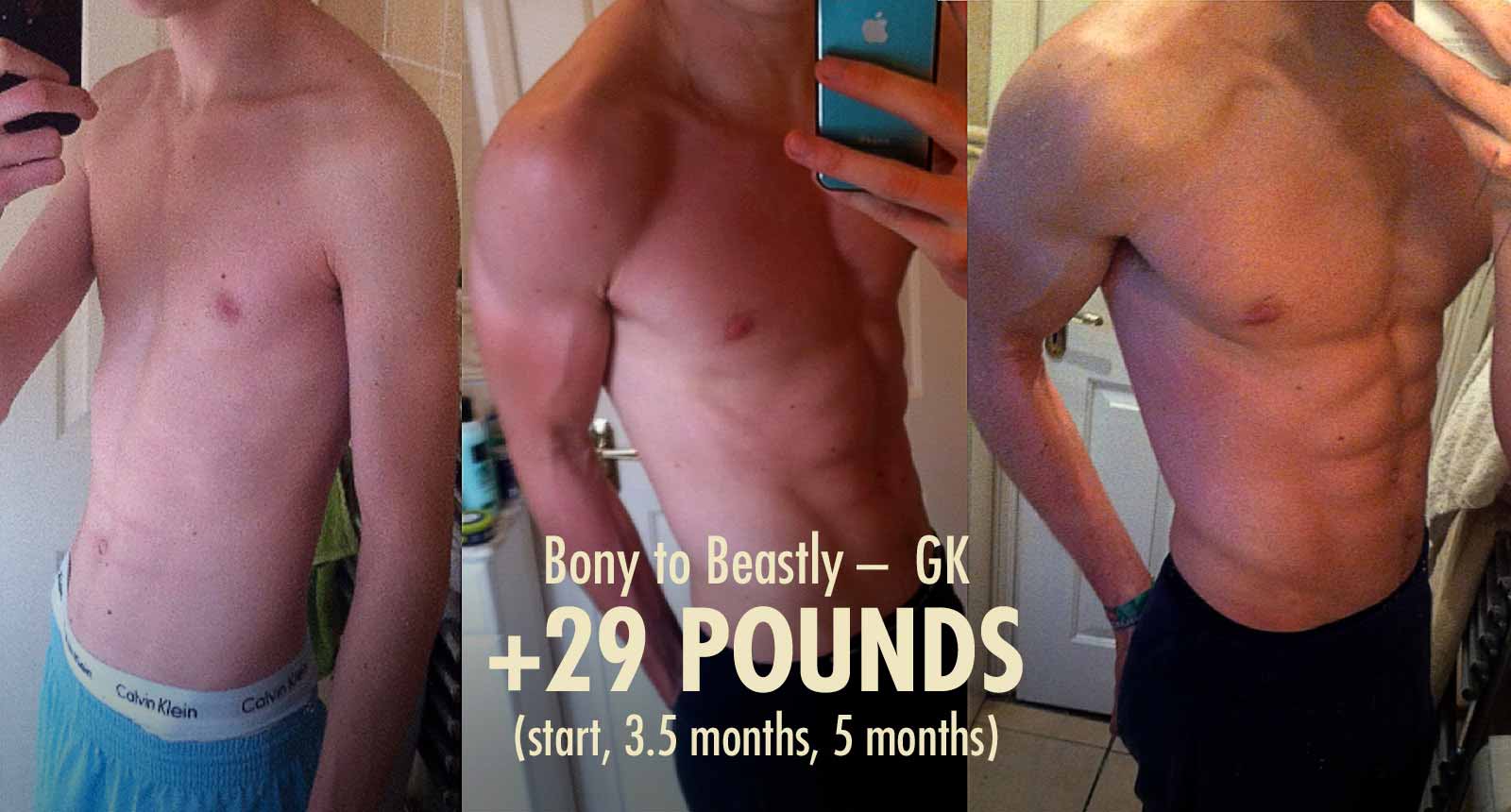
Credit: bonytobeastly.com
Protein’s Role In Muscle Development
Protein plays a critical role in muscle development, especially on a low-carb diet. It provides the essential building blocks for muscle repair and growth. Consuming enough protein helps maintain muscle mass and strength. Let’s explore how protein supports your fitness journey.
Understanding Protein’s Function In Muscle Growth
Proteins are composed of amino acids, which repair and build muscles. After exercise, muscles need these amino acids to recover. A sufficient protein intake ensures that muscles get the nutrients they need.
Why Protein Intake Is Crucial
Low-carb diets often focus on protein-rich foods. These foods help maintain muscle mass while losing fat. Without enough protein, muscle loss may occur, affecting strength and physique.
Sources Of High-quality Protein
Choose lean meats, fish, and eggs for high-quality protein. Dairy products like yogurt and cheese also provide essential amino acids. Plant-based sources include beans, lentils, and nuts.
How Much Protein Do You Need?
The recommended protein intake depends on your activity level. Generally, aim for 0.7 to 1 gram of protein per pound of body weight. Adjust according to your fitness goals and dietary needs.
Timing Your Protein Intake
Consuming protein at regular intervals supports muscle repair. After workouts, consider a protein-rich snack to aid recovery. This practice can enhance muscle growth and maintain energy levels.
Ketosis And Muscle Synthesis
Understanding ketosis and muscle synthesis is important for low-carb enthusiasts. Many believe carbs are essential for muscle growth. But ketosis offers a different path. When the body uses fat instead of carbs for energy, it’s in ketosis. This metabolic state can still support muscle synthesis. Let’s explore how ketosis influences muscle growth.
What Is Ketosis?
Ketosis is a metabolic state. The body burns fat for fuel. This happens when carb intake is very low. The liver produces ketones from fat. These ketones provide energy to the body. Ketosis can help with weight loss and energy levels. But what about muscle synthesis?
Muscle Synthesis In Ketosis
Protein is crucial for building muscles. In ketosis, protein intake remains important. It helps repair and grow muscle fibers. The body uses amino acids to build muscle tissue. Ketones also play a role in muscle preservation. They prevent muscle breakdown for energy. This helps maintain muscle mass even on a low-carb diet.
Benefits Of Ketosis For Muscle Growth
Ketosis offers several benefits for muscle growth. It promotes fat loss while preserving lean mass. Muscle definition can improve as fat decreases. Ketones provide a steady energy supply during workouts. This can enhance endurance and performance. Adequate protein intake supports recovery and growth in ketosis.
Challenges Of Building Muscle In Ketosis
Building muscle in ketosis can be challenging. Carbs are a quick energy source for intense workouts. Low-carb diets may reduce performance in high-intensity training. Ensuring enough protein intake is crucial. This supports muscle repair and growth. Monitoring energy levels and adjusting the diet may be necessary.
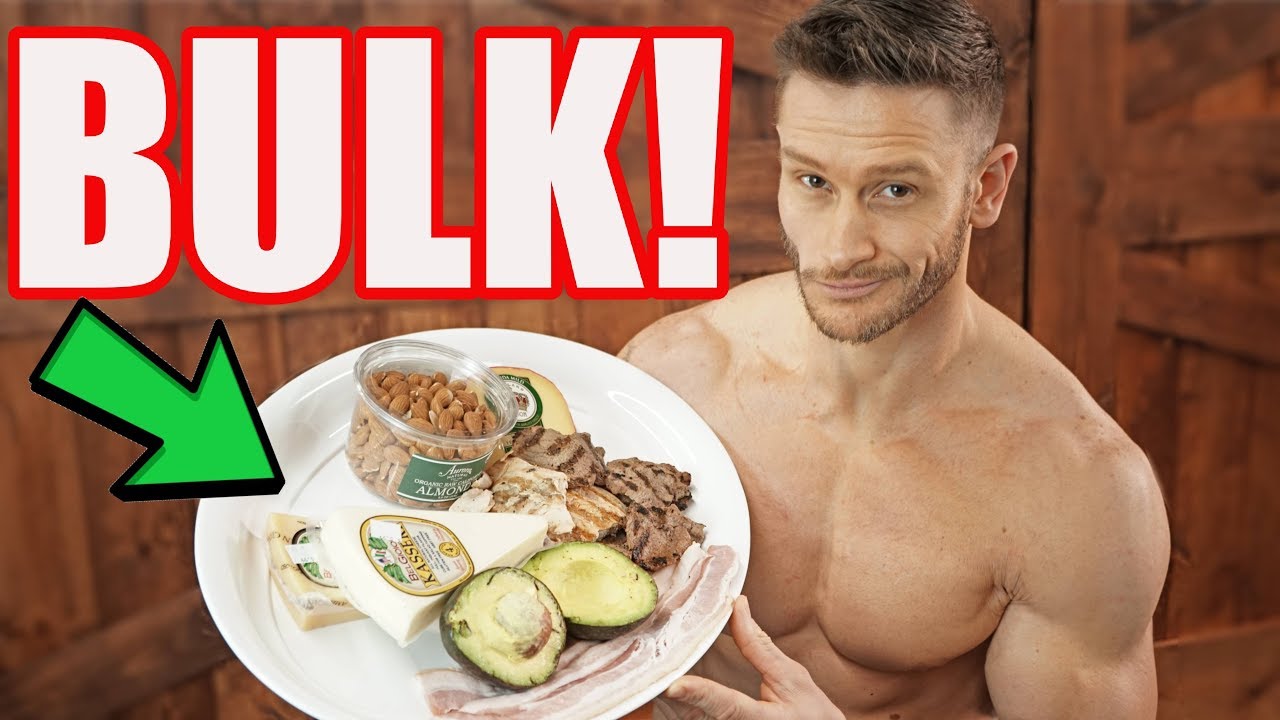
Credit: www.youtube.com
Success Stories And Case Studies
Exploring success stories reveals how people effectively build muscle on a low carb diet. Case studies highlight tailored nutrition plans and strategic workouts. These examples demonstrate achieving fitness goals without high carb intake.
Embarking on a low-carb diet often raises questions about its effectiveness in building muscle. While many believe carbohydrates are essential for muscle growth, numerous success stories and case studies illustrate otherwise. Real-life examples of individuals thriving on low-carb diets provide both inspiration and practical insights.Success Story: John’s Transformation
John, a 35-year-old fitness enthusiast, decided to switch to a low-carb diet to improve his health. Within months, he noticed not just fat loss but also muscle gain. His secret was a protein-rich diet paired with consistent weight training. He experimented with different protein sources, ensuring he got enough fuel for muscle repair. John’s journey exemplifies that with the right strategy, muscle growth is achievable even on limited carbs.Case Study: Sarah’s Fitness Journey
Sarah, a professional athlete, faced challenges with traditional high-carb diets. She was curious if a low-carb approach could enhance her performance. After consulting a nutritionist, she tailored her diet to include more healthy fats and proteins. Remarkably, Sarah’s endurance and muscle mass improved significantly. Her journey highlights that strategic dietary changes can lead to unexpected benefits.Unexpected Insights: The Role Of Fats
Many low-carb diet followers, like Jane, found that incorporating healthy fats made a substantial difference in muscle building. Fats became a primary energy source, allowing them to maintain rigorous workouts. This shift encouraged muscle growth without the need for excessive carbs. Have you considered the power of fats in your diet?Practical Tips From Real-life Examples
Success stories often reveal practical tips that you can apply. Consistency is key; regular workouts combined with a balanced low-carb diet yield results. Listening to your body and adjusting your diet as needed is crucial. Could small tweaks in your diet be the missing link in your muscle-building journey? Through these stories, it’s clear that a low-carb diet is not a barrier to muscle growth. It requires careful planning and a willingness to explore what works best for your body. Are you ready to start your own success story?Expert Opinions And Research Findings
Building muscle on a low carb diet is achievable, according to expert opinions and research findings. Protein intake plays a crucial role in muscle growth, even when carbohydrates are limited. Studies show that strength training, combined with adequate protein, supports muscle development effectively.
Building muscle on a low-carb diet is a topic that sparks curiosity and sometimes skepticism. Is it really possible to bulk up without consuming carb-heavy meals? Many fitness enthusiasts and experts have weighed in, providing valuable insights backed by research. Let’s delve into what the experts say and what studies reveal about this intriguing concept.Expert Opinions
Nutritionists and fitness experts often highlight that muscle growth hinges on adequate protein intake, not just carbs. Protein is crucial for muscle repair and growth. Experts suggest you focus on protein-rich foods like chicken, fish, and eggs. Some trainers argue that carbs are essential for energy, but others note that fats can also provide energy. You might find that swapping carbs for healthy fats keeps you energized without compromising muscle gains.Research Findings
Studies show that low-carb diets can maintain or even boost muscle mass, provided protein intake is sufficient. Research indicates that when dieters consume enough protein, muscle preservation and growth are feasible. One study found that participants on a low-carb diet retained muscle mass comparable to those on a higher-carb diet. This suggests that with proper planning, low-carb diets can support muscle-building goals.Practical Insights
Consider your daily activity level and adjust your diet accordingly. If you’re active, a higher protein intake might be necessary. You might need to experiment with different ratios of protein, fats, and carbs to find what works best. Monitoring your progress is key. You could keep a journal to track your workouts and dietary changes. Notice how your body reacts to different foods, and tweak your diet to optimize muscle growth.Thought-provoking Questions
Are you optimizing your protein intake on a low-carb diet? Have you explored alternative sources of energy like healthy fats? Could adjusting your macronutrient balance enhance your muscle-building efforts? These questions could help refine your approach to building muscle on a low-carb diet. Remember, every body is different, and what works for one person may not work for another. Tailor your strategy to fit your unique needs and goals.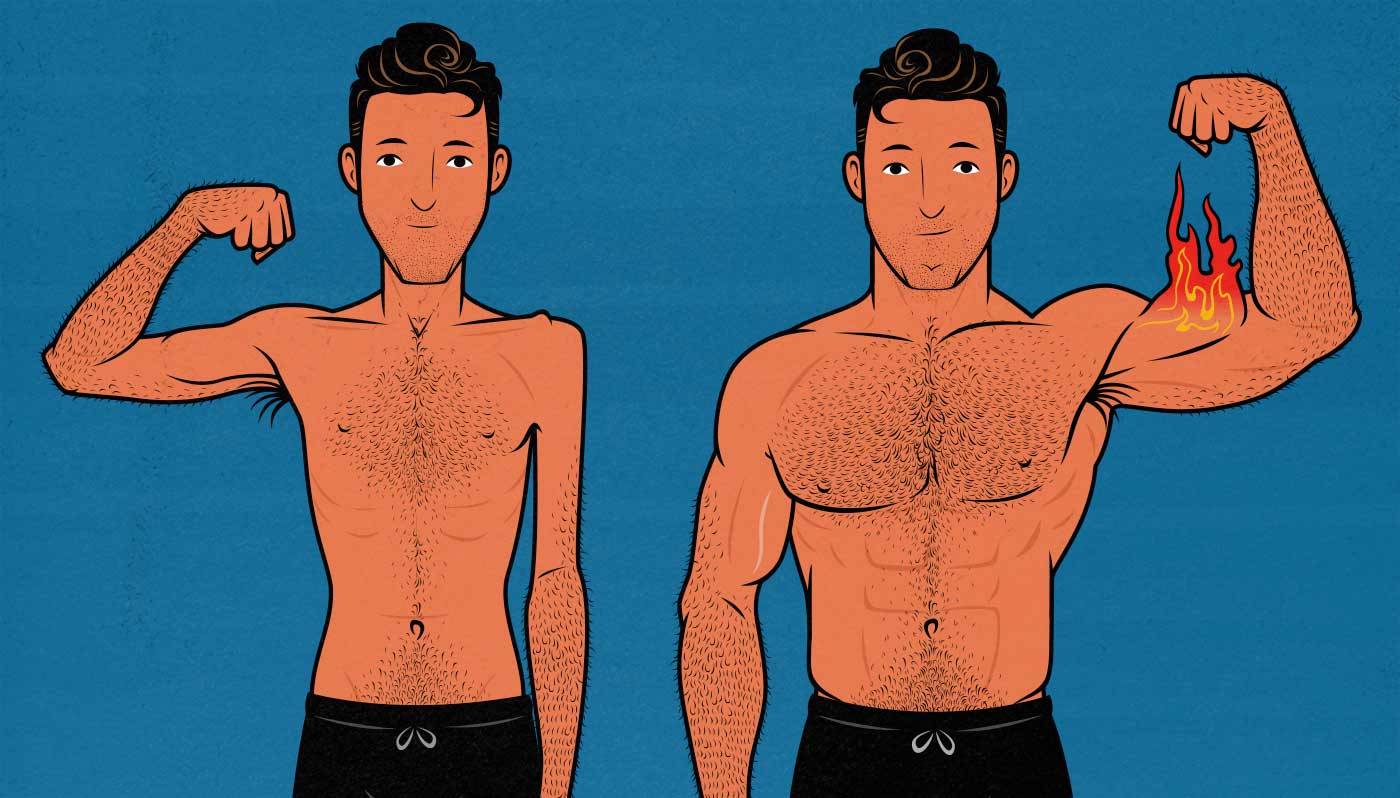
Credit: bonytobeastly.com
Practical Tips For Success
Building muscle on a low-carb diet is possible with the right approach. Focus on high-protein foods to support muscle growth. Include resistance training to enhance muscle development effectively.
Embarking on a low-carb diet and building muscle may seem challenging, but it is entirely achievable with the right approach. With strategic planning, you can fuel your workouts and gain strength without relying heavily on carbs. Below are practical tips to ensure your success in building muscle on a low-carb diet.Optimize Protein Intake
Protein is your best friend when it comes to muscle growth. Aim for high-quality sources like chicken, fish, and eggs. Make sure your meals are protein-rich to support muscle repair and growth. Consider whey protein shakes if you’re on the go. They provide a quick and convenient source of protein. Remember, your body needs protein to build new muscle fibers.Prioritize Healthy Fats
Healthy fats are crucial on a low-carb diet. They provide the energy needed for your workouts. Foods like avocados, nuts, and olive oil are excellent choices. Healthy fats also help in hormone production, which is vital for muscle growth. Don’t shy away from adding a bit of butter or cream to your meals for added calories.Stay Hydrated
Hydration is often overlooked, but it’s essential. Dehydration can impact your performance and recovery. Aim to drink at least 8 glasses of water a day. Consider adding electrolytes to your water. This can prevent cramping and keep your energy levels stable during workouts.Be Consistent With Workouts
Consistency is key in muscle building. Stick to a workout schedule that focuses on strength training. Include exercises like squats, deadlifts, and bench presses. Track your progress to stay motivated. Seeing your gains over time can be incredibly rewarding.Listen To Your Body
Your body knows best. Pay attention to how you feel during and after workouts. If you’re constantly tired, it might be time to adjust your diet or workout intensity. Rest is just as important as exercise. Make sure you’re getting enough sleep to allow your muscles to recover and grow.Monitor Your Carb Intake
While on a low-carb diet, it’s important to monitor your carb intake. Some people may perform better with slightly higher carbs, especially around workouts. Experiment with timing your carbs before and after workouts. This can help fuel your performance and speed up recovery.Seek Professional Guidance
If you’re new to low-carb diets, consulting a nutritionist can be beneficial. They can provide personalized advice tailored to your goals. Engaging with a fitness coach can also help. They can design a workout plan that complements your dietary needs. Building muscle on a low-carb diet requires dedication and strategy, but with these practical tips, you’re well on your way to success. What’s your biggest challenge in maintaining a low-carb lifestyle while building muscle?Frequently Asked Questions
Is It Possible To Build Muscle Without Carbs?
Yes, building muscle without carbs is possible. Focus on consuming protein and healthy fats. Ensure adequate calories and nutrients. Consider foods like lean meats, fish, eggs, nuts, and avocados. Keep track of your intake to maintain energy and support muscle growth.
Consult a nutritionist for tailored advice.
What Happens If You Don’t Eat Enough Carbs When Trying To Build Muscle?
Eating insufficient carbs can hinder muscle growth by reducing energy levels and limiting glycogen stores. This can lead to decreased workout performance and slower recovery. Ensure balanced carb intake to support muscle-building efforts.
What Is The Minimum Carb Intake To Build Muscle?
Consume at least 2. 5 to 3 grams of carbs per kilogram of body weight daily for muscle growth. Carbs fuel workouts and aid recovery, supporting muscle-building efforts. Prioritize whole grains, fruits, and vegetables for optimal results. Adjust intake based on activity level and individual needs.
What Do No Carbs Do To Your Muscles?
Consuming no carbs can lead to muscle loss. Muscles rely on glycogen from carbs for energy. Without carbs, the body might break down muscle protein for fuel. This can reduce muscle mass and strength over time. Ensure balanced nutrition to support muscle health.
Conclusion
Building muscle on a low-carb diet is possible. Focus on protein intake. Choose lean meats, eggs, and fish. Pair with resistance training. Consistent workouts help muscle growth. Healthy fats are important too. Think nuts and avocados. Stay hydrated. Water aids muscle repair.
Monitor progress closely. Adjust as needed. Listen to your body. Energy levels matter. Balanced nutrition is key. Low-carb is not limiting. Just a different approach. Many find success with it. Be patient and persistent. Results take time. Enjoy the journey.
Celebrate small victories. Every step counts. Your efforts will pay off.