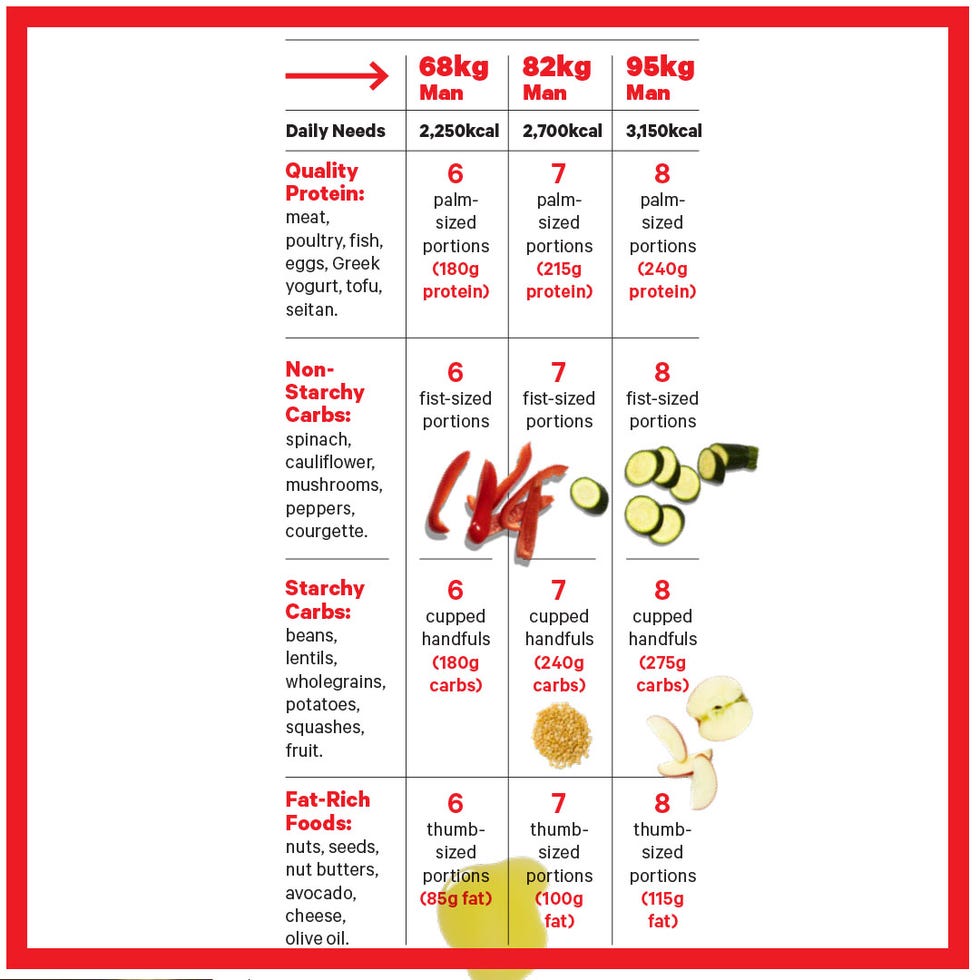
Are you tired of feeling overwhelmed by the countless diet plans that promise results but leave you confused and hungry? You’re not alone.
Losing weight and building muscle doesn’t have to be a daunting task. Imagine looking in the mirror and seeing a stronger, leaner version of yourself, all thanks to a simple yet effective eating plan. This guide is designed just for you, offering a clear path to achieve your fitness goals without sacrificing your favorite foods.
By the end of this article, you’ll discover how to fuel your body efficiently while shedding unwanted pounds and gaining muscle. Ready to transform your life? Let’s dive in!
Understanding Macronutrients
Understanding macronutrients is crucial for effective weight loss and muscle building. Macronutrients are nutrients the body needs in large amounts. They provide energy and aid in various bodily functions. The three main macronutrients are proteins, carbohydrates, and fats. Each plays a unique role in supporting your fitness goals.
Proteins And Muscle Growth
Proteins are essential for muscle repair and growth. They help rebuild muscle fibers after exercise. Protein intake supports muscle recovery and growth. Include lean meats, eggs, and legumes in your diet. These are excellent sources of protein. A balanced intake ensures better muscle development.
Carbohydrates For Energy
Carbohydrates provide the body with energy. They fuel workouts and daily activities. Choose complex carbs like whole grains and vegetables. These offer sustained energy release. Avoid simple sugars for stable blood sugar levels. A diet rich in complex carbs helps maintain energy throughout the day.
Fats For Hormonal Balance
Fats play a role in hormone production. They support overall health and well-being. Healthy fats help maintain hormonal balance. Include sources like avocados, nuts, and olive oil. These fats support heart health and brain function. Balance your fat intake for optimal body function.
Setting Realistic Goals
Setting realistic goals is crucial when you’re trying to lose weight and build muscle. Many people rush into this journey without a clear plan, only to find themselves frustrated and demotivated. But with a thoughtful approach, your goals can be achievable and rewarding. Let’s break it down step by step.
Determining Caloric Needs
Understanding your caloric needs is the foundation of your eating plan. You need to know how much energy your body requires daily to function optimally. This includes your basal metabolic rate (BMR) and the calories you burn through daily activities and exercise.
Use online calculators to find your BMR. They consider factors like age, sex, weight, and height. Once you have that number, think about your activity level. Are you mostly sedentary, moderately active, or highly active? Adjust your caloric intake accordingly.
Consider this: If your goal is to lose weight, you’ll want to consume fewer calories than you burn. But remember, cutting too many calories can be counterproductive and lead to muscle loss. Aim for a moderate deficit that supports gradual weight loss while preserving muscle.
Balancing Weight Loss And Muscle Gain
Striking a balance between losing weight and gaining muscle can feel like a tightrope walk. It’s not just about eating less; it’s about eating smart. Protein plays a vital role here. It helps repair and build muscle tissue, which is essential when you’re working out regularly.
Include lean proteins like chicken, fish, tofu, or legumes in your meals. But don’t forget about carbohydrates and healthy fats. They provide energy for workouts and aid in recovery. Think of your meals as fuel for your body’s transformation.
Are you focusing too much on the scale? Remember that muscle weighs more than fat. As you gain muscle and lose fat, your weight might not drop as quickly as expected. Look for changes in your body composition and how your clothes fit. These are often more accurate indicators of progress.
Setting realistic goals is a dynamic process. Adjust them based on your body’s response and progress. Have you considered setting short-term goals along with long-term ones? They can provide motivation and satisfaction along the way.
How do you see yourself in the next few months? Visualize your success and let it guide your efforts. With patience and persistence, your goals are within reach.
Creating A Balanced Meal Plan
Crafting a balanced meal plan helps in losing weight and building muscle. Include lean proteins, whole grains, and healthy fats. Portion control and regular meals support energy and muscle growth.
Creating a balanced meal plan is crucial for anyone looking to lose weight and build muscle. It’s all about making conscious choices that align with your fitness goals. By focusing on meal timing, frequency, and portion control, you can create an eating plan that supports your journey to a healthier, stronger you.Meal Timing And Frequency
Eating at the right times can make a big difference in reaching your fitness goals. Eating smaller meals throughout the day keeps your metabolism active. This can also help you avoid hunger pangs that lead to overeating. Consider the times you feel most hungry and plan your meals around them. Many find that eating every 3-4 hours works best. This keeps energy levels steady and supports muscle growth.Portion Control Techniques
Portion control is essential when you’re trying to lose weight and build muscle. Start by using smaller plates. This simple trick can help you avoid piling on too much food. Measure your food to understand how much you’re really eating. You might be surprised how easy it is to overestimate portions. For example, a serving of rice is about the size of a tennis ball. Pay attention to your body’s hunger signals. Eat until you’re satisfied, not stuffed. This mindful eating approach can help you maintain control and support your goals. Finding the right balance in your meal plan requires some trial and error. What works for someone else might not work for you. How will you adjust your eating habits to find what suits your lifestyle best?
Credit: www.pinterest.com
Incorporating High-protein Foods
Incorporating high-protein foods into your eating plan is crucial for losing weight and building muscle. Protein supports muscle repair and growth. It also helps you feel full longer. This section dives into various high-protein options. Choose foods that fit your lifestyle and taste.
Lean Meats And Poultry
Lean meats are excellent protein sources. Chicken breast is a popular choice. It is low in fat and high in protein. Turkey is another great option. It has less saturated fat than red meat. Beef can be good too, if you choose lean cuts. For instance, sirloin or tenderloin. These meats provide essential amino acids. They help in muscle building.
Plant-based Protein Sources
Plant-based proteins are great for everyone. Beans and lentils are rich in protein and fiber. They keep you full and energetic. Quinoa is a complete protein source. It contains all nine essential amino acids. Nuts and seeds provide healthy fats and protein. Almonds and chia seeds are top choices. They are easy to add to meals.
Dairy And Eggs
Dairy products offer high protein content. Greek yogurt is thicker and richer in protein. It makes a perfect snack or breakfast. Cheese can be a tasty protein source. Opt for cottage cheese or mozzarella. Eggs are versatile and packed with protein. They can be boiled, scrambled, or poached. They support muscle growth effectively.
Optimal Carb Sources
When you’re on a mission to lose weight and build muscle, carbs are your friend. Choosing the right carb sources is crucial for fueling your workouts and aiding recovery. But which ones should you prioritize? Let’s dive into some optimal carb sources that can power your journey effectively.
Whole Grains And Legumes
Whole grains like quinoa, brown rice, and oats are excellent carb sources. They provide sustained energy throughout the day. These grains also offer fiber, which aids digestion and keeps you feeling full.
Legumes, such as lentils and chickpeas, are power-packed with proteins and carbs. They are versatile and can be added to salads, soups, or even smoothies. They help in muscle repair and growth while keeping your energy levels stable.
Imagine preparing a delicious quinoa salad with chickpeas for lunch. It’s not just tasty but also fuels your afternoon workout. Have you tried these options yet?
Fruits And Vegetables
Fruits like bananas and berries are fantastic carb sources. They are rich in vitamins and antioxidants, which support overall health. Bananas, in particular, are great pre-workout snacks because they provide quick energy.
Vegetables such as sweet potatoes and spinach are also essential. They are packed with nutrients and provide slow-releasing carbs, perfect for sustained energy. Adding these to your diet can enhance your workout performance and recovery.
Have you ever thought of having a smoothie with spinach and bananas before hitting the gym? It’s a refreshing way to energize yourself. How do you incorporate fruits and vegetables into your meals?
Choosing the right carb sources not only helps in achieving your fitness goals but also makes the journey enjoyable. What changes are you planning to make in your diet today?
Healthy Fats For Muscle Building
Healthy fats are essential in a diet aimed at muscle building. They provide energy and support hormone production. Including the right fats can enhance muscle growth and recovery. Unlike saturated fats, healthy fats support heart health. They also promote brain function. Let’s explore some sources of healthy fats.
Omega-3 Rich Foods
Omega-3 fatty acids are crucial for muscle building. They reduce inflammation and improve muscle recovery. Salmon is an excellent source of omega-3s. It is also rich in protein. Mackerel and sardines are other great options. They offer high omega-3 content. Vegetarians can opt for flaxseeds and chia seeds. These seeds are plant-based omega-3 sources.
Nuts And Seeds
Nuts and seeds are packed with healthy fats. They also provide protein and fiber. Almonds are a popular choice. They are rich in vitamin E. Walnuts offer omega-3 fatty acids. They support heart and muscle health. Pumpkin seeds are another excellent option. They are full of magnesium and zinc. These minerals aid in muscle function.
Hydration And Its Importance
Staying hydrated is crucial for losing weight and building muscle. Water fuels your body and keeps it functioning well. It helps with digestion, nutrient absorption, and muscle recovery.
Without enough water, your body may struggle. Energy levels drop, workouts suffer. Understanding hydration is key for your fitness goals.
Water Intake Guidelines
Drinking enough water daily is essential. Most adults need about 8 cups or 2 liters. This amount varies with activity level and climate.
Listen to your body’s thirst signals. Drink more if you’re sweating during exercise. Always carry a water bottle to remind yourself to drink.
Electrolyte Balance
Electrolytes are minerals that help your body stay balanced. They include sodium, potassium, and calcium. These are lost through sweat.
To maintain balance, consume foods rich in these minerals. Bananas, spinach, and yogurt are great options. Consider electrolyte drinks if you exercise intensely.
Supplements For Enhanced Results
Boost your eating plan with supplements to lose weight and build muscle. Protein powders and multivitamins can enhance results. These aid in muscle recovery and provide essential nutrients.
Achieving your fitness goals often involves more than just a balanced diet and regular exercise. Supplements can be a game changer in your journey to lose weight and build muscle. These additions to your eating plan can enhance your results by providing essential nutrients that may be difficult to obtain through food alone. Let’s dive into how specific supplements can support your goals.Protein Powders
Protein is vital for muscle growth and repair. If you struggle to get enough protein from whole foods, protein powders can fill the gap. They’re convenient and easy to mix into shakes, oatmeal, or even baked goods. Whey protein is one of the most popular choices due to its high-quality amino acids. It’s absorbed quickly, making it ideal post-workout. If you’re lactose intolerant or vegan, consider plant-based options like pea or soy protein. When choosing a protein powder, pay attention to the ingredients. Look for ones with minimal added sugars and artificial ingredients. You want a product that supports your health, not hinders it.Creatine And Bcaas
Creatine is another supplement that can boost your muscle-building efforts. It increases your muscles’ capacity to perform high-intensity exercise, allowing you to lift heavier and longer. This can lead to significant muscle gains over time. Many athletes swear by creatine for its performance-enhancing benefits. It’s one of the most researched supplements with proven effects. However, remember to stay hydrated as creatine can draw water into your muscles. Branched-Chain Amino Acids (BCAAs) are also helpful, especially if you’re cutting calories to lose weight. They help prevent muscle breakdown during workouts. Drinking a BCAA supplement before or during your workout can keep your energy levels up and protect your muscles. Before adding supplements to your routine, consider your specific needs. Are you getting enough protein from your meals? Do you need extra energy or muscle protection during workouts? By aligning your supplement choices with your goals, you can enhance your results efficiently. Have you tried any of these supplements before? What was your experience? Sharing insights can help others on their journey too.Tracking Progress And Making Adjustments
Tracking progress is vital for any eating plan. It helps keep you on course. Observing changes lets you understand what works. This method aids in setting realistic goals. By monitoring and adjusting, you optimize your efforts. This ensures your plan aligns with your weight and muscle goals.
Monitoring Weight And Measurements
Regularly check your weight. Record it weekly for accuracy. Use a reliable scale. Also, monitor your body measurements. Measure waist, hips, and chest. Track changes over time. These figures show how your body adapts. Remember, muscle weighs more than fat. Changes might not reflect in weight immediately. Use these numbers to gauge progress.
Adapting The Plan As Needed
Adapt your eating plan based on results. If weight loss stalls, evaluate your intake. Consider reducing calories slightly. Ensure protein intake supports muscle growth. Sometimes, you need more calories to build muscle. Adjust accordingly. If results are slow, review your exercise routine. Combine diet with effective workouts. This helps in achieving both weight loss and muscle gain.
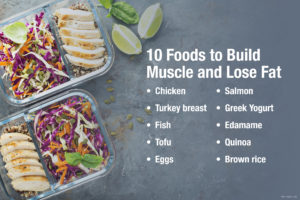
Credit: www.lakeforesthfc.com
Common Mistakes To Avoid
Crafting an eating plan for weight loss and muscle gain is challenging. People often make common mistakes that hinder progress. Understanding these pitfalls helps in achieving your goals.
Over-restriction Of Calories
Cutting too many calories harms your body. Energy levels drop, making workouts hard. Your metabolism slows down, burning fewer calories. This can lead to muscle loss instead of gain. Balance is key. Eat enough to fuel your workouts and support muscle growth.
Neglecting Strength Training
Cardio alone won’t build muscle. Strength training is essential for muscle growth. It helps tone your body and boosts metabolism. Many skip weights, fearing bulkiness. But the right balance ensures lean muscle development. Include weight training in your routine for effective results.
Sample Meal Plans
Explore sample meal plans designed to lose weight and build muscle. Balanced meals include proteins, healthy fats, and carbs. Easy to follow and perfect for transforming your body.
Embarking on a journey to lose weight and build muscle can be daunting. Knowing what to eat, when, and how much can make all the difference. Sample meal plans provide a roadmap, guiding you with structured options tailored to different fitness levels. Whether you’re a beginner or an experienced athlete, having a clear plan can simplify your choices and help you stay committed. Let’s dive into some practical examples to fuel your transformation.Example Daily Menu For Beginners
Starting out doesn’t mean you have to eat bland or boring food. Here’s a simple menu to kickstart your day:| Meal | Food | Portion |
|---|---|---|
| Breakfast | Oatmeal with berries | 1 cup oats, ½ cup berries |
| Lunch | Grilled chicken salad | 150g chicken, mixed greens |
| Snack | Greek yogurt with honey | 1 cup yogurt, 1 tbsp honey |
| Dinner | Quinoa and roasted veggies | 1 cup quinoa, assorted vegetables |
Advanced Meal Plan For Athletes
For those pushing their limits, nutrition needs to be more focused. Here’s a menu designed for athletes:| Meal | Food | Portion |
|---|---|---|
| Breakfast | Protein smoothie | 1 scoop protein, 1 banana, almond milk |
| Lunch | Tuna and sweet potato | 200g tuna, 1 medium sweet potato |
| Snack | Almonds and apple | Handful of almonds, 1 apple |
| Dinner | Salmon and brown rice | 200g salmon, 1 cup brown rice |

Credit: www.instagram.com
Frequently Asked Questions
What Is The Best Meal Plan To Lose Weight And Gain Muscle?
A balanced meal plan includes lean proteins, complex carbs, and healthy fats. Prioritize whole foods like chicken, fish, quinoa, and vegetables. Eat five to six small meals daily to boost metabolism. Stay hydrated and maintain a calorie deficit for weight loss while ensuring sufficient protein intake for muscle gain.
What Is The 30/30/30 Rule For Weight Loss?
The 30/30/30 rule for weight loss involves eating 30 grams of protein, 30 minutes of exercise, and 30 minutes of mindful eating daily. This strategy helps boost metabolism, encourages physical activity, and promotes conscious consumption, aiding in effective weight management.
How Much Food Should I Eat To Lose Fat And Gain Muscle?
Consume a calorie deficit to lose fat while eating enough protein for muscle growth. Aim for 1. 2-2. 2 grams of protein per kilogram of body weight daily. Balance your macronutrients and ensure a varied diet for optimal results. Consult a nutritionist for personalized advice.
What Is A Good Workout Plan To Lose Weight And Gain Muscle?
A balanced workout plan includes strength training and cardio. Focus on compound exercises like squats and deadlifts. Incorporate HIIT sessions for fat loss. Prioritize protein-rich meals for muscle growth. Rest and recovery are essential for progress. Adjust your plan based on goals and progress.
Conclusion
Creating a balanced eating plan helps in losing weight and building muscle. Focus on nutritious foods like lean meats, vegetables, and whole grains. Consistency is key for achieving lasting results. Always listen to your body’s needs and adjust your plan accordingly.
Hydration also plays a crucial role in your fitness journey. Regular exercise complements your eating plan, making it more effective. Stay patient and dedicated; progress takes time. Remember, every small step leads to success. Celebrate your achievements, no matter how small they seem.
Embrace a healthy lifestyle for long-term benefits and well-being.