Have you ever found yourself asking, “Do you have to bulk to build muscle?” If so, you’re not alone.
Many of us are eager to transform our bodies, but the idea of bulking can be daunting. You might wonder if it’s truly necessary to pack on pounds just to see those muscles grow. This question can be a real puzzle, stirring up myths and misconceptions that leave you unsure of the best path to take.
Imagine achieving your muscle-building goals without the stress of gaining excess weight. Picture a strategy that aligns with your lifestyle, giving you the toned body you desire without compromising your comfort or health. Intrigued? You should be. We’re diving deep into the science and strategies that can help you understand whether bulking is essential for muscle growth. By the end, you’ll have the clarity and confidence to make informed decisions that suit your fitness journey. Ready to discover the truth? Keep reading.
Muscle Building Basics
Building muscle involves more than just lifting weights. It’s a blend of training, nutrition, and rest. Understanding the basics helps in making informed decisions. Many wonder if bulking is necessary for muscle growth. Let’s explore the fundamentals.
Muscle Hypertrophy Explained
Muscle hypertrophy means an increase in muscle size. This happens when muscle fibers grow thicker. Weight training stresses muscles. This stress leads to tiny tears in the muscle fibers. The body repairs these tears, making muscles stronger and bigger. Consistent training is key for hypertrophy.
Role Of Nutrition In Muscle Growth
Nutrition plays a crucial role in muscle building. Proteins are the building blocks of muscles. They repair muscle fibers after workouts. Carbohydrates provide energy for intense training sessions. Fats support overall health and hormone balance. Eating enough calories supports muscle growth. A balanced diet aids in achieving muscle-building goals.
Bulking Defined
Bulking is a term frequently used in the fitness world. It refers to a phase where individuals increase calorie intake to gain muscle mass. This phase is crucial for those aiming to develop a more muscular physique. Understanding bulking is essential for anyone wanting to build muscle effectively.
What Is Bulking?
Bulking involves consuming more calories than your body burns. The goal is to provide excess energy for muscle growth. During bulking, individuals often focus on weight training. This helps maximize the added calories for muscle development. It is a controlled approach to gaining weight, mostly muscle.
Common Bulking Practices
Several practices are common during a bulking phase. Many people track their calorie intake daily. This ensures they are consuming enough for growth. Protein-rich foods are a staple in bulking diets. They support muscle repair and growth. Weightlifting is another key component. Regular workouts stimulate muscle fibers, encouraging them to grow. Proper rest is also vital. Muscles need time to recover after intense exercise.
Some people use supplements to aid their bulking journey. Protein powders are popular for increasing daily protein intake. Creatine is another supplement that aids muscle strength and growth. While bulking, individuals often monitor their progress closely. This includes tracking weight changes and muscle growth. Adjustments to diet and exercise are made based on results.
Myths About Bulking
Bulking isn’t necessary for muscle growth. A balanced diet and consistent exercise are key. Some myths suggest bulking is mandatory, but it’s not. Building muscle can happen without excess calorie intake.
Bulking is a popular strategy among fitness enthusiasts aiming to build muscle, yet it comes with its fair share of misconceptions. Understanding these myths is crucial for anyone embarking on a muscle-building journey. Let’s dig into some common myths about bulking and see how they hold up under scrutiny.Bulking For Everyone
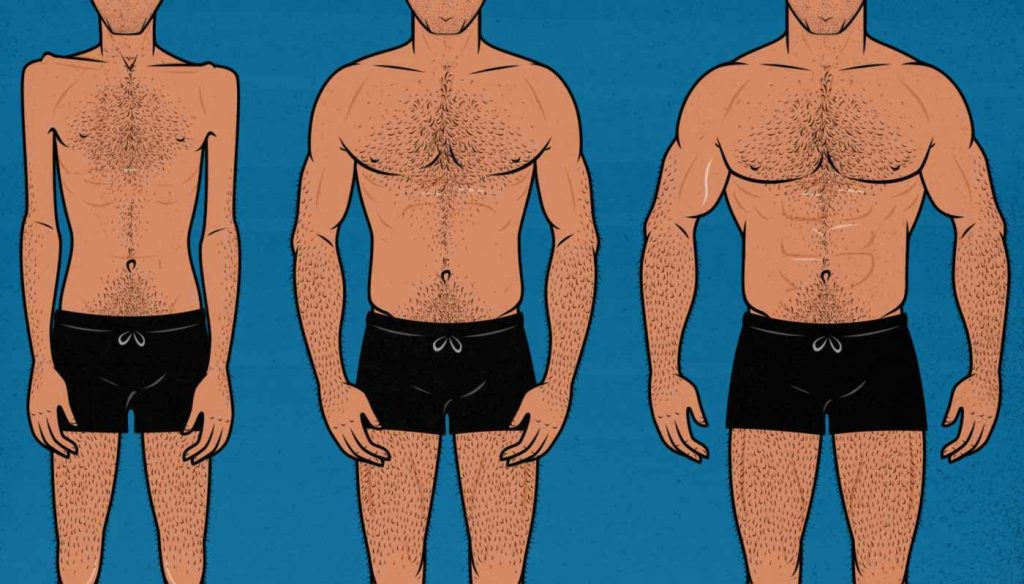
Not everyone needs to bulk to gain muscle. Your body type and metabolism play a huge role. If you’re naturally lean, you might benefit from bulking. But if you tend to gain weight easily, adding extra calories might not be ideal. Consider your goals and current body composition. If you’re already carrying extra fat, focus on muscle-building through targeted exercises instead. You can still build muscle without the traditional bulk-and-cut cycle.Bulking Equals Unhealthy Eating
A common myth is that bulking means loading up on junk food. While it’s tempting to eat anything in sight, quality matters. You should focus on nutrient-dense foods to support muscle growth. Think lean proteins, whole grains, and plenty of vegetables. These foods provide essential nutrients without unnecessary fat. Bulking doesn’t give you a free pass to unhealthy eating, rather it calls for strategic choices.Bulking As A Shortcut
Many believe bulking is a quick fix to muscle building. While it might speed up growth, it’s not a magic solution. Bulking requires discipline and consistency. You need a solid workout plan and a tailored diet. Reflect on your long-term goals. Is rapid muscle gain worth potential fat accumulation? Consider sustainable strategies that prioritize health. Bulking might not be the shortcut you expect, but with the right approach, it can be effective. Have you tried bulking before? Did you find these myths true or misleading? Your insights could help others navigate their muscle-building journey.
Credit: www.youtube.com
Scientific Perspective
Exploring muscle growth, bulking isn’t always necessary for everyone. Diverse factors influence muscle-building, including diet and exercise. Understanding your body’s needs helps in finding the best approach to achieve desired results effectively.
Building muscle is a topic that sparks a lot of debate, especially around the idea of bulking. The scientific perspective provides clarity, shedding light on whether bulking is truly necessary for muscle gain. Let’s dive into what research says and explore alternative ways to pack on muscle without the traditional bulking approach.Research On Bulking And Muscle Gain
Scientific studies suggest that bulking can lead to muscle gain, but it’s not the only way. Research shows that increasing calorie intake can support muscle growth by providing more energy for workouts. However, it may also lead to fat gain, which many people try to avoid. A study published in the “Journal of Sports Sciences” highlighted that controlled bulking with a focus on protein can minimize fat gain while maximizing muscle growth. This means you don’t have to eat everything in sight. Instead, maintain a balanced diet with an emphasis on protein-rich foods. Thinking about bulking? Consider the quality of your calories. Choose nutrient-dense foods over empty calories. This ensures your body gets what it needs for muscle repair and growth without unnecessary weight gain.Alternative Methods To Build Muscle
You don’t have to bulk to build muscle effectively. Many people find success with methods like body recomposition, which focuses on losing fat while gaining muscle. This approach often involves adjusting your workout routine and diet to fit your goals. Strength training is another key component. Lifting weights regularly can lead to muscle growth without a calorie surplus. Focus on progressive overload—gradually increasing the weight you lift. This challenges your muscles, encouraging them to grow stronger and bigger. Consider the role of recovery. Adequate rest and sleep are vital for muscle building. Your muscles repair and grow during rest periods. Are you giving your body enough time to recover? Prioritize sleep and include rest days in your workout plan. Have you ever tried tracking your progress? Monitoring your workouts and diet can help you see what’s working and what needs adjustment. This keeps you motivated and ensures you’re on the right path. Building muscle without bulking might take longer, but it can be more sustainable and healthier in the long run. What method resonates with you? Why not try a balanced approach and see how your body responds?Role Of Caloric Surplus
Building muscle often involves a caloric surplus, where you consume more calories than you burn. This extra energy supports muscle growth and repair. Balancing diet and exercise helps in effectively gaining muscle mass without unnecessary fat.
Building muscle is often linked with the idea of bulking, which means consuming more calories than your body needs. But do you really need to bulk to gain muscle? The concept of a caloric surplus plays a critical role here. A caloric surplus means you eat more calories than your body burns in a day. This surplus provides the extra energy needed for muscle growth. However, striking the right balance is key to ensuring you gain lean muscle without excessive fat.Understanding Caloric Needs
Knowing your caloric needs is like having a roadmap for your muscle-building journey. Everyone’s needs are different, influenced by factors like age, weight, and activity level. To get started, calculate your Basal Metabolic Rate (BMR) using an online calculator. This gives you the number of calories you burn at rest. Now, factor in your daily activities and workouts. This helps you understand how many calories you need to maintain your current weight. If your goal is to build muscle, you’ll need to consume more than this maintenance level. But how much more?Balancing Surplus For Muscle Growth
A common mistake is consuming a large caloric surplus, thinking it will lead to faster muscle gains. But too much surplus can lead to unwanted fat gain. Instead, aim for a moderate surplus of about 250 to 500 calories per day. This range is often enough to support muscle growth without excessive fat. Keep track of your progress. If you’re not gaining muscle, consider slightly increasing your surplus. If you’re gaining too much fat, you may need to reduce it. Experimenting with your caloric intake can be an insightful journey. I once tried a high surplus, thinking it would speed up my muscle gain. However, I ended up gaining more fat than muscle. Adjusting to a moderate surplus made a significant difference. Are you finding it challenging to eat more? Consider small, frequent meals throughout the day. What about the quality of the calories you consume? Prioritize nutrient-dense foods to support your overall health and muscle-building goals. Is bulking necessary for muscle growth? Not always. By understanding and managing your caloric surplus, you can effectively build muscle while minimizing unwanted fat. What strategies will you use to find your balance?Lean Bulking Strategies
Building muscle doesn’t always require bulking. Lean bulking focuses on muscle gain while minimizing fat. This approach helps maintain a lean physique and supports gradual muscle growth.
Building muscle doesn’t mean you have to bulk up excessively. Lean bulking strategies allow you to add muscle mass without the excess fat. This approach focuses on smart eating, nutrient timing, and preserving lean muscle. You don’t need to eat everything in sight to gain muscle. Instead, focus on quality nutrition and balanced intake.Nutrient-dense Foods
Eating nutrient-dense foods is crucial. These foods provide essential vitamins and minerals without extra calories. Think of foods like spinach, quinoa, and salmon. They pack a punch in nutrients and keep you full longer. Consider adding a colorful variety of fruits and veggies to your diet. They help your body recover and grow after workouts.Importance Of Macronutrients
Macronutrients are your protein, carbohydrates, and fats. Each plays a vital role in muscle building. Protein is your muscle’s best friend, helping repair and grow tissue. Carbs provide energy for workouts, while fats support hormone production. Balance is key. You might start with a ratio like 40% carbs, 30% protein, and 30% fats. Adjust based on your body’s response and goals.Maintaining Lean Mass
Maintaining lean mass during bulking is a challenge. You want to grow muscle, not fat. Regular strength training and cardio can help. Keep your workouts varied to hit different muscle groups. Ever tried tracking your progress with photos or measurements? It can be motivating to see how your body changes over time. Aim to gain about half a pound to a pound of muscle per week. Have you ever wondered if eating more could actually make you leaner? By strategically choosing what and when you eat, you can build muscle efficiently. What will your lean bulking journey look like? Focus on these strategies and watch your muscles grow without the unwanted baggage.Training For Muscle Gain
Building muscle requires more than just eating more calories. It involves a focused training approach that targets muscle growth. Without the right exercises, gaining muscle can be challenging. Let’s explore essential training elements for muscle gain.
Strength Training Essentials
Strength training is key for muscle growth. It involves lifting weights to stimulate muscle fibers. Focus on compound exercises like squats, deadlifts, and bench presses. These target multiple muscle groups at once. Consistency is crucial in strength training. Aim for at least three sessions per week. Use a variety of weights to challenge your muscles.
Incorporating Progressive Overload
Progressive overload is a muscle-building strategy. It involves gradually increasing weight, reps, or sets. This pushes muscles to adapt and grow stronger. Track your progress by recording each workout. Increase the challenge each week, but avoid overexertion. Small, consistent increases lead to significant muscle gains over time.
Rest And Recovery Importance
Muscle growth happens during rest, not workouts. Rest days allow muscles to repair and grow. Aim for at least 7-9 hours of sleep each night. Hydration and nutrition also play a role in recovery. Ensure you consume enough protein and stay hydrated. Listen to your body. If you feel fatigued, prioritize rest over more workouts.
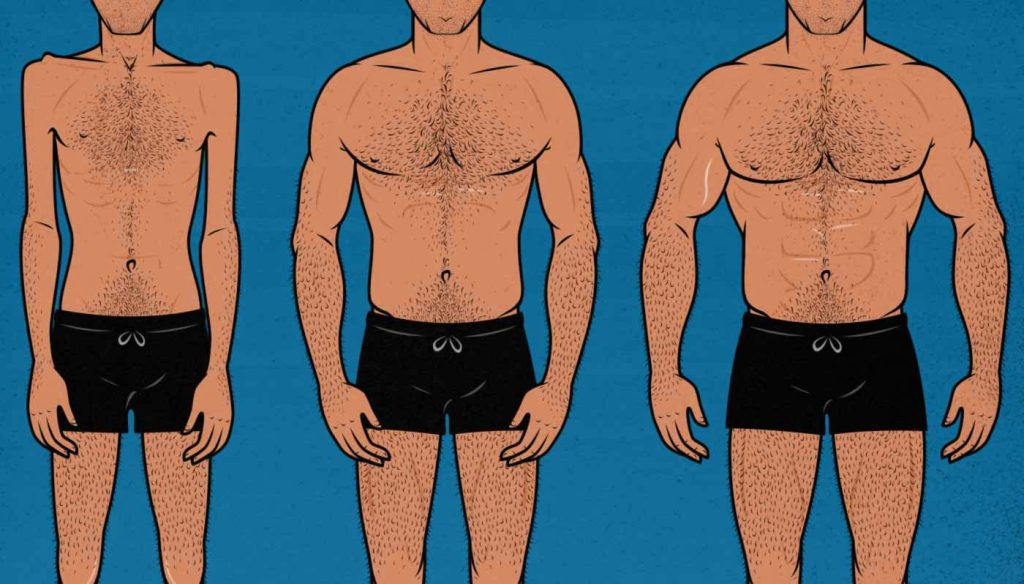
Credit: bonytobeastly.com
Individual Differences
Building muscle doesn’t always mean bulking up. People respond differently to workouts. Some need more food, while others build muscle without extra calories.
Building muscle is not a one-size-fits-all journey. Individual differences play a crucial role in how effectively you can gain muscle mass. Understanding these differences can help you tailor your approach to suit your unique body and lifestyle. Let’s dive into some of the factors that might affect your muscle-building journey.Genetic Factors In Muscle Building
Your genes can significantly impact your muscle-building potential. Some people naturally have more fast-twitch muscle fibers, which are better suited for growth and strength. Others might have a higher percentage of slow-twitch fibers, making endurance activities easier but muscle gain slower. Consider how your body responds to different types of exercise. If you notice faster gains in certain workouts, it might be worth focusing more on those.Personalizing Nutrition And Training
Nutrition and training are not a one-size-fits-all solution. Your body might need more protein than your friend’s to build muscle effectively. Experiment with different diets to see what fuels your workouts best. Are you feeling energized after a carb-rich meal or does protein give you the boost you need? When it comes to training, listen to your body. If high-intensity workouts leave you drained, try moderate exercises that still challenge your muscles. Ask yourself: Are you adjusting your routine based on your body’s feedback? It’s not just about following a set plan but about creating a blueprint that caters to your body’s unique needs. Understanding these individual differences can transform your muscle-building journey from frustrating to fulfilling. What strategies will you try to personalize your approach?Practical Tips For Muscle Building
Building muscle doesn’t always mean bulking up. Many fear gaining excess fat during muscle growth. Understanding practical tips can help achieve muscle-building goals efficiently. These strategies ensure steady progress without unnecessary weight gain.
Setting Realistic Goals
Start with clear and achievable targets. Define what muscle groups you want to enhance. Break down larger goals into smaller steps. For example, aim to increase weight lifting capacity gradually. Avoid setting goals that are too ambitious. This keeps motivation high and progress steady.
Tracking Progress
Regularly monitor muscle growth and strength improvements. Use a journal or apps to record workouts. Document weights lifted and reps completed. This helps identify patterns and areas needing improvement. Tracking progress is essential for staying on the right path.
Adapting To Feedback
Listen to your body and adjust routines accordingly. If you feel fatigue or strain, modify workouts. Seek feedback from trainers or peers. Their insights can offer valuable adjustments. Adaptation ensures muscle growth without injury. Being flexible in your approach leads to better results.
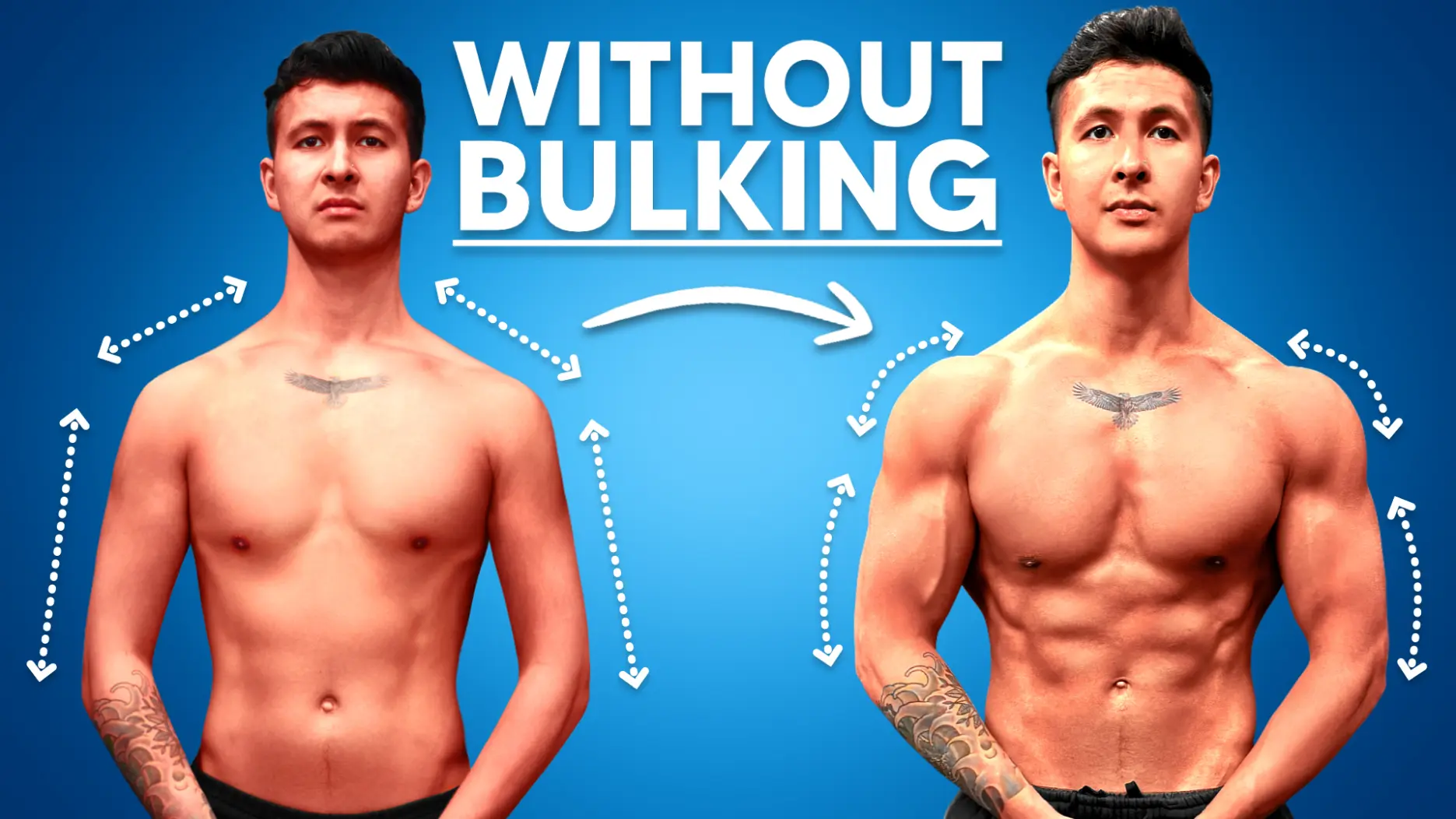
Credit: builtwithscience.com
Frequently Asked Questions
Can I Build Muscle Without Bulking?
Yes, you can build muscle without bulking. Focus on strength training and maintaining a balanced diet. Ensure adequate protein intake and calorie control. Consistency and progressive overload in workouts are key. Prioritize recovery and sleep for optimal muscle growth.
Do We Need To Bulk To Gain Muscle?
Bulking isn’t mandatory for muscle gain. Focus on a balanced diet, strength training, and adequate protein intake to build muscle effectively.
What Happens If You Lift But Don’t Bulk?
Lifting without bulking leads to increased strength and muscle definition without significant size gain. You may experience improved metabolism, enhanced endurance, and better overall fitness. Consistent lifting can also improve bone density and joint health. Maintain a balanced diet to support your fitness goals and recovery.
What Kills Muscle The Most?
Overtraining, inadequate nutrition, and lack of rest kill muscle the most. Consistent stress and insufficient protein hinder muscle growth and repair. Prioritize balanced nutrition, sufficient rest, and well-structured workouts for optimal muscle health.
Conclusion
Building muscle doesn’t always mean bulking up. Focus on balanced nutrition. Include protein-rich foods for muscle growth. Regular exercise is crucial. Strength training builds muscle effectively. Keep track of progress and adjust your plan. Listen to your body and give it rest.
Stay consistent with your routine. Muscle growth takes time and effort. Each body is unique; find what works best. Enjoy the journey to a stronger you.