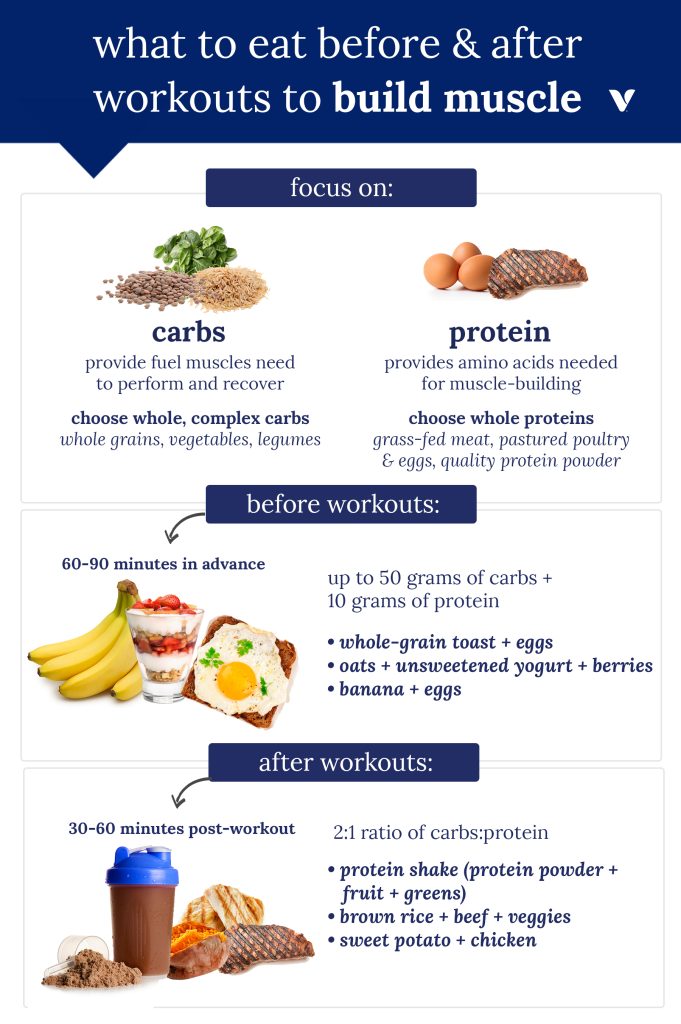
Are you trying to build muscle and wondering if carbs should be part of your diet? You’re not alone.
Many people feel confused about the role of carbohydrates in muscle growth. Some swear by them, while others claim you don’t need them at all. So, what’s the real deal? Are carbs a friend or foe in your fitness journey?
Knowing the truth can make a huge difference in how you approach your workouts and nutrition. We’ll uncover the science behind carbs and muscle building. Get ready to discover how the right balance can supercharge your gains and boost your energy levels. Keep reading, and let’s find out if carbs are your secret weapon in the gym.
Role Of Carbs In Muscle Growth
Carbs often get a bad rap, especially in the world of fitness and muscle building. But do you really need them to build muscle? Understanding the role of carbs in muscle growth can transform your workout routine and nutrition plan. Carbs are not just an energy source; they play a pivotal role in muscle recovery and growth. By learning how carbs help, you can make smarter choices for your fitness journey.
How Carbs Fuel Your Workouts
Carbs are the body’s primary energy source. When you eat carbs, your body converts them into glucose, which fuels your workouts. Imagine trying to lift weights on an empty tank. You wouldn’t get far, right? That’s why carbs are crucial. They give you the energy to push through intense training sessions.
Ever felt your energy crash midway through a workout? This could be due to insufficient carb intake. Ensuring a balanced diet with enough carbs can keep your energy levels steady, helping you perform at your best.
Carbs And Muscle Recovery
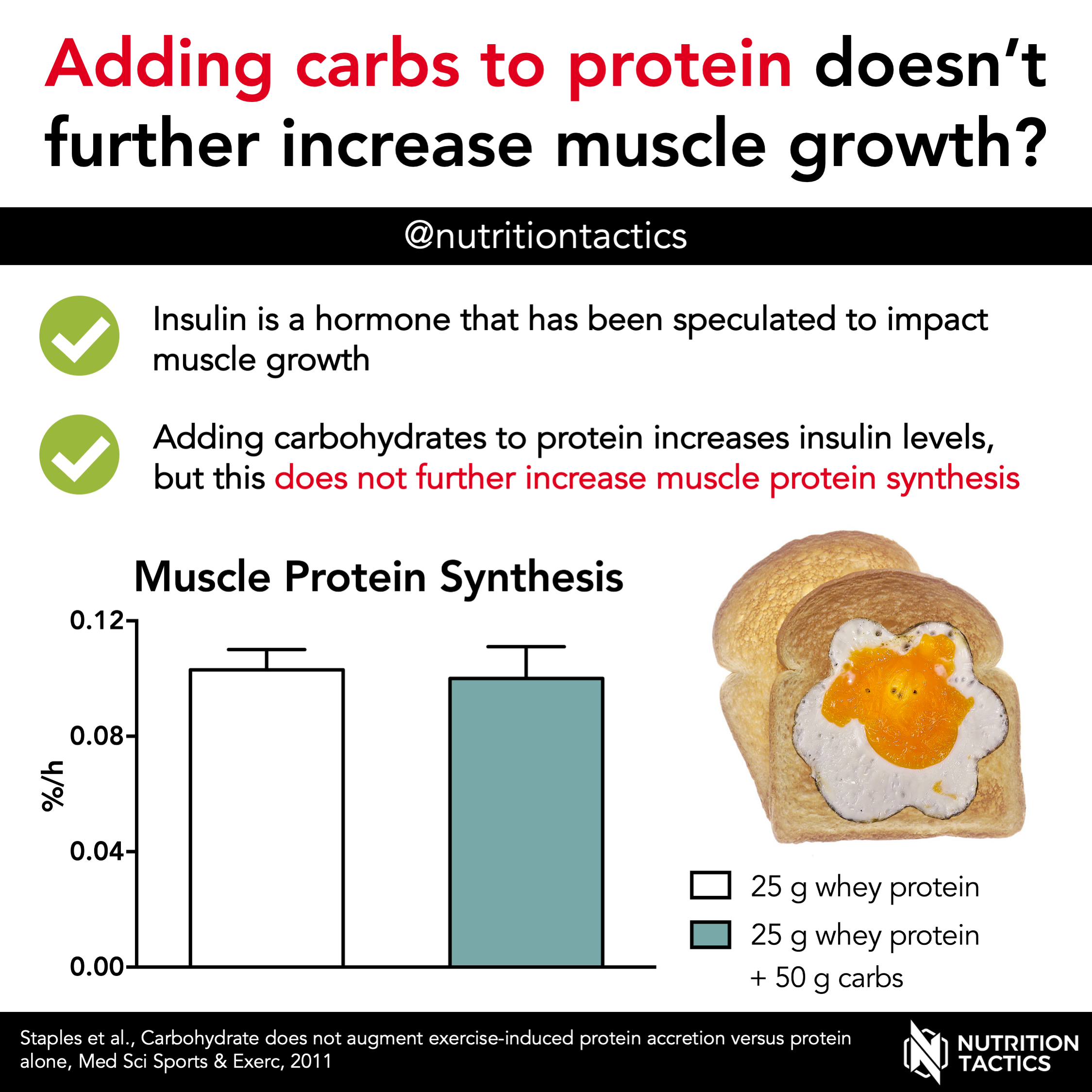
After a tough workout, your muscles need to recover. Carbs play a vital role here, too. When you consume carbs post-workout, your insulin levels increase, which helps shuttle amino acids into your muscles. This process is essential for muscle repair and growth.
Skipping carbs after a workout might slow down your recovery. You might feel sore longer and find it harder to get back to the gym. Consider adding carbs to your post-workout meal for faster recovery.
Balancing Carbs And Protein
Muscle growth isn’t just about carbs. Protein is equally important. But how do you balance the two? Think of carbs as the fuel and protein as the building blocks. Together, they create the ideal environment for muscle growth.
Try pairing protein-rich foods with complex carbs like sweet potatoes or quinoa. This combination supports muscle building while keeping you energized. Too much of one and not enough of the other can hinder your progress.
Personal Experience: The Carb Comeback
I once cut carbs completely, thinking it would help me build muscle faster. It was a mistake. My energy levels tanked, and I struggled to complete workouts. Reintroducing carbs made a world of difference. My performance improved, and muscle growth accelerated.
If you’re considering ditching carbs, think again. Your muscles might thank you for keeping them in your diet. It’s not just about avoiding carbs; it’s about using them strategically for muscle growth.
Are You Making The Most Of Your Carbs?
Carbs can be your ally in muscle building, but are you using them effectively? Are you timing your carb intake to optimize energy and recovery? Consider tweaking your carb consumption to see better results in your muscle-building journey.
Experiment with different carb sources and timing to find what works best for your body. You might be surprised at how much of a difference the right carbs can make.
Credit: www.nutritiontactics.com
Carbs Vs. Protein In Muscle Building
Muscle building relies on both proteins and carbs. Proteins repair and build muscle tissue. Carbs provide energy for workouts and recovery. Balancing carbs and proteins supports effective muscle growth.
Building muscle is a common goal for many fitness enthusiasts, but the debate over the role of carbs versus protein can be confusing. You’ve probably heard that protein is crucial for muscle growth, but what about carbs? Are they just a source of energy, or do they play a more significant role in muscle building? Let’s dive into the relationship between carbs and protein in muscle development.Carbs: More Than Just Energy
Carbs are often seen as the body’s main fuel source, but they also support muscle growth. When you work out, your muscles need energy. Carbs help replenish glycogen stores, which are critical for sustained energy during workouts. Imagine trying to lift weights on an empty stomach. It’s challenging, right? Carbs ensure your muscles have the energy they need to perform effectively.Protein: The Building Blocks Of Muscle
Protein is essential for repairing and building muscles. After a workout, your muscles experience tiny tears. Protein helps repair these tears, leading to muscle growth. It provides amino acids, which are vital for muscle repair and growth. But what happens if you focus solely on protein and neglect carbs? Your body might struggle to maintain energy levels, impacting your workout quality.Balancing Carbs And Protein
Finding the right balance between carbs and protein is key. Think of your muscles like a car engine. Protein is the parts needed to build the engine, while carbs are the fuel that keeps it running. Without fuel, even the best engine won’t perform. Consider this: after a workout, consuming a mix of carbs and protein can maximize recovery and muscle growth. A banana with a protein shake might be more effective than just a shake.Personal Insights On Muscle Building
I remember hitting a plateau in my muscle-building journey. Despite increasing protein intake, my progress stalled. It wasn’t until I adjusted my carb intake that I noticed significant improvements. Have you ever experienced a workout slump? Maybe tweaking your carb and protein balance could be the solution.Practical Tips For Your Diet
– Include Carbs: Aim for whole grains, fruits, and vegetables. They provide energy and nutrients. – Prioritize Protein: Lean meats, eggs, and legumes are excellent sources. – Post-Workout Meals: Combine carbs and protein for optimal recovery. Try a turkey sandwich or yogurt with fruit. Reflect on your current diet. Are you giving carbs enough credit in your muscle-building routine?Energy Source For Workouts
Carbohydrates play a crucial role in fueling workouts. They are the body’s preferred energy source. During intense exercise, muscles require quick energy. Carbs provide this readily available fuel. Without sufficient carbohydrates, fatigue can set in. This impacts performance and stamina. Understanding how carbs energize workouts can help optimize muscle growth.
Carbs are stored in muscles as glycogen. Glycogen is used during physical activity. It helps maintain energy levels. Without it, muscles tire quickly. Carbs keep the body running efficiently. They ensure workouts are effective and sustained.
The Role Of Carbs In Muscle Building
Carbs aid in muscle recovery. After exercise, muscles need nutrients. Carbs replenish glycogen stores. This supports muscle repair and growth. A balanced intake of carbs is essential. It helps maintain muscle health and development.
Balancing Carb Intake For Optimal Performance
Not all carbs are equal. Choosing the right ones is vital. Complex carbs are best for sustained energy. They include whole grains and vegetables. Simple carbs provide quick bursts of energy. They are found in fruits and sugars. Balancing both types enhances workout efficiency.
Carbs And Protein: A Winning Combination
Combining carbs with protein maximizes muscle growth. Protein repairs muscle fibers. Carbs provide energy for this process. Together, they support effective workouts. This combination enhances endurance and strength.

Credit: www.youtube.com
Carb Timing And Consumption
Understanding carb timing and consumption is key for muscle growth. Carbs are vital because they provide energy for workouts and aid recovery. Timing your carb intake can enhance performance and optimize muscle gains. Let’s explore effective strategies for pre and post-workout carb consumption.
Pre-workout Carb Intake
Eating carbs before exercise fuels your body. They provide energy for intense training sessions. Choose carbs that digest slowly. Whole grains and fruits are excellent options. Consuming them 30 minutes before workouts boosts performance. This timing ensures your muscles have the energy they need.
Post-workout Carb Benefits
Carbs after exercise are crucial. They replenish glycogen stores depleted during workouts. Quick-digesting carbs are ideal here. Think of white rice or pasta. Pair them with protein for effective recovery. This combination aids in muscle repair and growth. It speeds up recovery and enhances results.
Low-carb Diets And Muscle Mass
Many fitness enthusiasts explore low-carb diets for weight management. But some worry about its impact on muscle mass. Carbs provide energy for workouts, especially during intense sessions. A low-carb diet might affect performance. How does it influence muscle growth? Let’s explore.
Ketogenic Diet Impact
The ketogenic diet is a popular low-carb plan. It emphasizes high fat and moderate protein intake. Your body uses fats instead of carbs for energy. This process is called ketosis. Some studies suggest muscle loss might occur. Others believe it maintains muscle mass if protein intake is adequate. Carbs are limited, so workouts may feel challenging. Your body adapts with time, but initial fatigue is common.
Carb Cycling Strategy
Carb cycling is another approach. It involves alternating carb intake. High-carb days fuel intense workouts. Low-carb days promote fat burning. This strategy aims to balance energy needs. It supports muscle recovery and growth. Athletes often use this method to improve performance. It’s flexible and can be tailored to individual needs. With proper planning, carb cycling can aid muscle maintenance.
Credit: welltech.com
Balancing Macronutrients
Building muscle requires a balanced intake of macronutrients. Carbohydrates play a crucial role by providing energy for workouts. Without adequate carbs, muscle growth and recovery can be hindered.
Balancing macronutrients is crucial for anyone looking to build muscle effectively. While protein often steals the spotlight in muscle-building conversations, carbs play a vital role too. They provide the energy required to power through intense workouts, allowing you to lift heavier and recover faster.Understanding The Role Of Carbs
Carbohydrates are your body’s primary energy source. When you work out, your muscles rely on glycogen, a form of stored carbs, for fuel. A lack of carbs can lead to fatigue, reducing your ability to train hard.Finding Your Carb Sweet Spot
How many carbs do you really need? It varies based on your activity level, body size, and goals. If you’re lifting weights several times a week, you might need more carbs than someone who’s less active.Balancing Carbs With Proteins And Fats
A balanced diet includes all three macronutrients: carbs, proteins, and fats. Each plays a unique role. Ensure you’re not overloading on one at the expense of the others.Personal Experience: Carb Loading For Success
I once tried a low-carb diet while training and felt sluggish. Reintroducing carbs improved my performance and recovery. It taught me that balance is key.Practical Tips For Carb Consumption
– Listen to Your Body: Feel more energetic on days with higher carb intake? That’s a clue. – Space Out Your Carbs: Don’t dump them all in one meal. Spread them across the day. – Choose Quality Sources: Opt for whole grains, fruits, and vegetables over processed options.Ask Yourself: Are You Getting Enough Carbs?
Reflect on your energy levels during workouts. Do you feel drained quickly? Adjusting your carb intake might be the solution. The art of balancing macronutrients lies in understanding your body’s needs. Are you ready to fine-tune your diet for better muscle-building results?Expert Opinions And Research
Understanding the role of carbohydrates in muscle building involves expert opinions and research. Nutritionists and scientists provide insights on carbs and their impact on muscle growth. Their findings help us make informed dietary choices. Let’s explore these expert insights.
Expert Insights On Carbohydrates And Muscle Growth
Experts agree that carbs play a vital role in energy supply. They serve as the primary fuel during workouts. Consuming enough carbs can enhance performance and endurance. This, in turn, supports muscle growth and recovery.
Scientific Research On Carbohydrate Intake
Research shows that carbs replenish glycogen stores in muscles. Glycogen is crucial for sustaining exercise intensity. Studies reveal that low-carb diets may hinder muscle gain. Consuming balanced carbs ensures optimal glycogen levels.
Carbohydrates And Protein Synthesis
Carbs influence protein synthesis, vital for muscle repair. They trigger insulin release, aiding amino acid uptake into muscles. This process enhances muscle recovery post-exercise. Including carbs with protein boosts muscle-building efficiency.
Optimal Carbohydrate Sources
Whole grains, fruits, and vegetables offer quality carbs. They provide essential nutrients alongside energy. Choosing complex carbs over simple sugars is beneficial. It ensures a steady energy supply without spikes.
Personalized Carbohydrate Needs
Individual needs vary based on activity level and goals. Athletes may require higher carb intake for intense training. Consulting a nutritionist can help tailor carb consumption. It’s important to align diet with personal fitness objectives.
Tips For Optimal Carb Intake
Carbohydrates play a vital role in muscle building. They provide the necessary energy for workouts and recovery. Understanding how to optimize your carb intake can enhance your muscle growth efforts. This section will guide you through choosing the right carbs and tailoring your carb needs for muscle building success.
Choosing The Right Carbs
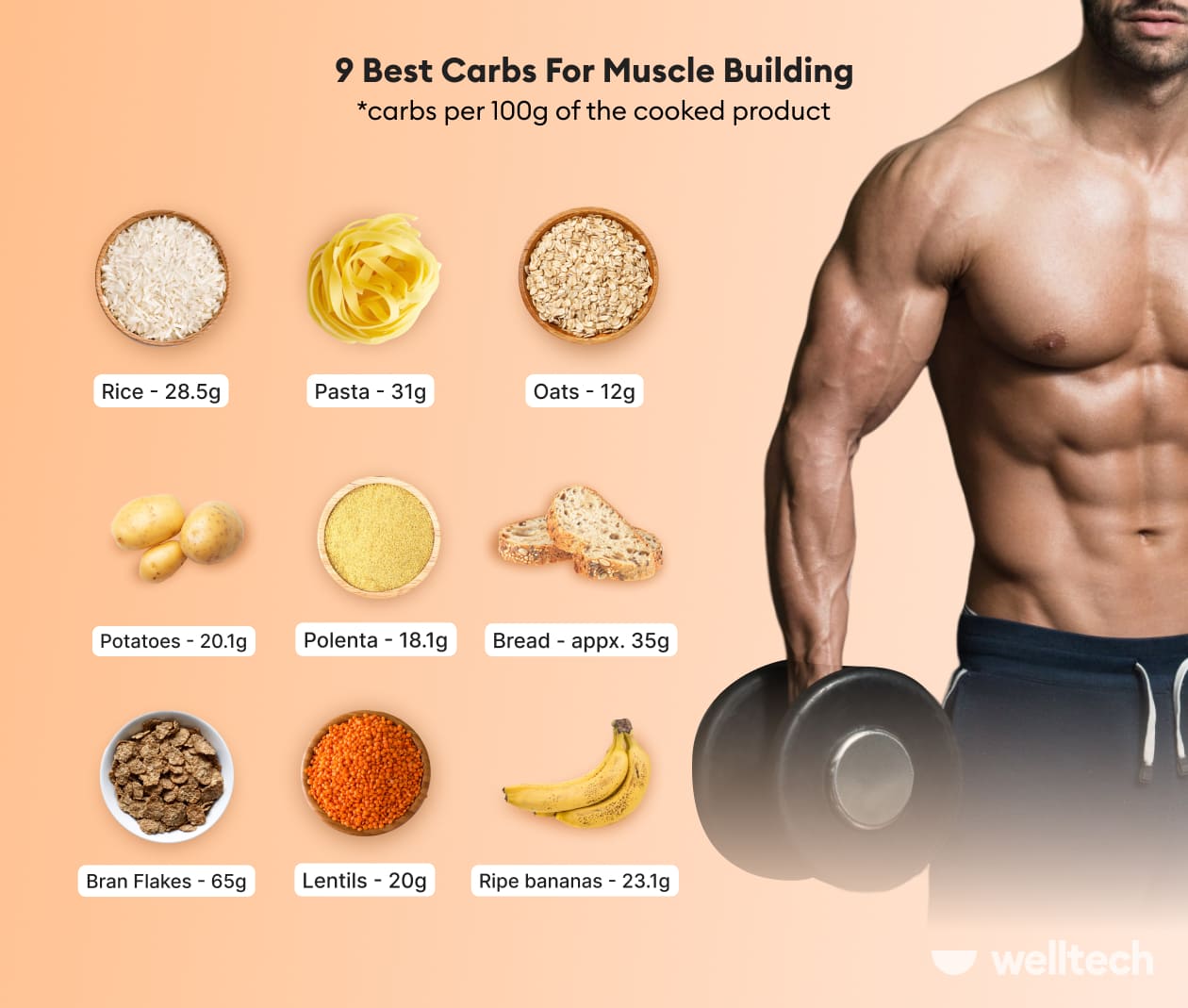
Complex carbs are your best friends for muscle building. They provide sustained energy and keep blood sugar levels stable. Opt for whole grains, such as brown rice and oats. Sweet potatoes and quinoa are also excellent choices. These foods are rich in fiber and nutrients. They help fuel your workouts and aid in muscle recovery.
Avoid refined carbs like white bread and sugary snacks. They cause energy spikes and crashes. This can affect your performance and recovery. Focus on quality carbs to support your training goals.
Tailoring Carb Needs
Your carb needs depend on your activity level and goals. More active individuals require more carbs for energy. Calculate your daily carb intake based on your body weight. A general guideline is 3 to 5 grams of carbs per kilogram of body weight. Adjust this amount based on your workout intensity and duration.
Timing your carb intake is crucial. Consume carbs before and after workouts for optimal energy and recovery. This ensures your muscles have the glycogen they need. It also aids in faster recovery post-workout.
Listen to your body and adjust as needed. Everyone’s carb needs are different. Experiment and find what works best for your body and fitness goals.
Frequently Asked Questions
Can You Gain Muscles Without Carbs?
Yes, you can build muscle without carbs. Focus on protein-rich foods like lean meats and eggs. Consume healthy fats from sources like avocados and nuts to support energy needs. Consistent strength training is crucial to muscle growth. Balance your diet for optimal performance and recovery.
Do Carbs Help In Muscle Recovery?
Yes, carbs play a crucial role in muscle recovery. They replenish glycogen stores, which get depleted during workouts. This process aids in reducing fatigue and supports muscle growth. Consuming carbs post-exercise ensures optimal recovery and prepares muscles for the next workout session.
Can You Build Muscle On Low-carb Diets?
Building muscle on low-carb diets is possible but challenging. Carbs are the body’s primary energy source for workouts. Limited carbs may affect workout intensity and recovery. Adequate protein and healthy fats are essential for muscle growth. Monitoring energy levels is crucial when following low-carb diets.
What Are Good Carbs For Muscle Building?
Good carbs for muscle building include whole grains, fruits, and vegetables. These provide essential nutrients and sustained energy. Whole grains like oats and quinoa offer fiber and vitamins. Fruits like bananas provide quick energy, while veggies like sweet potatoes offer complex carbs for lasting fuel.
Conclusion
Building muscle requires balanced nutrition. Carbs play a vital role. They fuel workouts and aid recovery. Without them, energy dips. Protein is essential too. It repairs muscle tissue. But carbs complement protein. They help absorb nutrients. A low-carb diet might limit growth.
So, include healthy carbs in meals. Whole grains, fruits, and veggies work best. Combine carbs with protein for optimal results. Listen to your body. Adjust intake based on activity levels. Remember, balance is key. Fuel your muscles right. Reach your fitness goals effectively.
Stay consistent and patient. Results take time. Enjoy the journey to a stronger you.