Unlocking the secret to effective muscle building often boils down to one crucial formula: the right carb, protein, and fat ratio. If you’ve ever felt overwhelmed by conflicting advice or unsure about what your diet should look like, you’re not alone.
Imagine finally having a straightforward guide that cuts through the noise and gives you the clarity you need. In this blog post, we’ll dive into the optimal nutrient balance that fuels muscle growth, enhances your workouts, and speeds up recovery.
Ready to transform your fitness journey and see real results? Let’s get started and discover how adjusting your macro intake can be a game-changer for building the physique you’ve always wanted.
Importance Of Macronutrients
Balancing carbs, protein, and fats is crucial for muscle growth. Carbs fuel workouts, proteins repair muscles, and fats support hormone production. A well-crafted ratio maximizes muscle building efficiency.
Understanding the Importance of Macronutrients is crucial if you’re serious about muscle building. These nutrients—carbohydrates, proteins, and fats—play distinct roles in your body’s development. Balancing them can make a big difference in achieving your fitness goals efficiently.Role In Muscle Growth
Protein often steals the spotlight when it comes to muscle growth. It’s the building block of muscles and helps repair tissues. But don’t overlook carbs and fats. Carbohydrates provide the necessary energy to fuel your workouts, allowing you to lift heavier and train longer. Without enough carbs, you might find yourself too fatigued to finish that last set. Fats, on the other hand, support hormone production, including testosterone, which is key for muscle growth. Imagine skipping fats entirely and wondering why gains are slow. Your body needs the right amount of each macronutrient to function optimally. Balance is key.Energy And Recovery
Have you ever hit a wall mid-workout? That’s your body signaling a lack of energy. Carbs serve as your primary energy source, especially during intense sessions. They replenish glycogen stores, so you’re ready for the next challenge. Consider adding whole grains or fruits to your pre-workout meal for an energy boost. Post-workout, your muscles crave nutrients to start the recovery process. Protein shakes or lean meats can help repair and grow muscles. Don’t forget healthy fats like avocados or nuts that aid in reducing inflammation. Recovery is as crucial as the workout itself. Are you adjusting your carb, protein, and fat intake based on your workout intensity? Tracking your macronutrient ratio could be the game-changer in your fitness journey. It’s not just about eating clean—it’s about eating smart.Carbohydrates For Energy
Carbohydrates are often misunderstood in the world of muscle building. Many think carbs are the enemy, but they are crucial for your energy levels. Without the right amount of carbs, your workouts may suffer, leaving you feeling exhausted and unmotivated. Imagine you’re halfway through your workout, and suddenly, your energy dips. That’s where carbs come in, providing the necessary fuel to keep you going strong. But how do you choose the right carbs, and when should you eat them?
Types Of Carbs
Not all carbs are created equal. You have simple carbs like sugars found in fruits and complex carbs such as whole grains and legumes. Simple carbs offer quick energy, ideal for a pre-workout boost. Complex carbs release energy slowly, perfect for sustained activities.
Consider adding oats or brown rice to your diet. These provide long-lasting energy without the sugar crash. Are you guilty of grabbing a sugary snack before hitting the gym? It might give you a quick burst but can leave you tired soon after. Opt for complex carbs for more balanced energy.
Timing And Intake
The timing of your carb intake can make a significant difference. Eating complex carbs a few hours before your workout can provide lasting energy. Simple carbs, like a banana, are excellent 30 minutes before exercising for an immediate energy boost.
What happens after your workout? Your body needs to replenish. A mix of carbs and protein can aid recovery. Think about how often you feel sluggish after a workout; adjusting your post-workout meal might help. Have you ever tried a post-workout snack with a mix of protein and carbs? Notice how it affects your recovery and energy levels.
Finding the right balance is key. Have you experimented with different carb types and timings? What worked best for you? Understanding your body’s response can help tailor your diet for maximum muscle growth and energy sustainability.
Protein For Muscle Repair
Building muscle requires more than just lifting weights. Protein plays a crucial role in muscle repair after workouts. It helps rebuild and strengthen muscle fibers. Consuming enough protein aids in recovery and growth. Without proper protein intake, muscles won’t repair efficiently. This can lead to slower progress in muscle building.
Sources Of Protein
Protein can be found in various foods. Chicken, beef, and fish are excellent sources. They provide high-quality protein. Eggs are also packed with protein. For vegetarians, beans, lentils, and tofu are great options. Nuts and seeds offer protein too. Dairy products like milk and cheese are rich in protein. Including these foods ensures enough protein intake.
Daily Protein Requirements
Daily protein needs vary. The general recommendation is 0.8 grams per kilogram of body weight. For muscle building, aim for 1.2 to 2.0 grams per kilogram. This supports muscle repair and growth. Athletes might need more. Spread protein intake throughout the day. This ensures the body gets a steady supply. Consult a nutritionist for personalized advice.
Fats For Hormonal Balance
Fats are not just energy sources; they play a crucial role in maintaining your body’s hormonal balance. This balance is essential for muscle growth and overall well-being. Without the right fats, your muscle-building journey might hit a roadblock.
Not all fats are created equal. You need to know which ones are beneficial for you. Olive oil, avocados, and nuts are fantastic sources of healthy fats. They help in producing hormones that aid muscle growth.
Consider adding fatty fish like salmon to your diet. It’s rich in omega-3 fatty acids, which are known to support hormonal health. Could your diet use more variety?
Healthy fats contribute to testosterone production. Testosterone is a key hormone for muscle building. Without adequate fat intake, your muscle gains may suffer.
Healthy fats can also improve your energy levels. With more energy, your workouts can become more effective, leading to better muscle development. Are you fueling your workouts with the right fats?
A personal tip: I noticed a difference in my workouts when I added more avocados and nuts to my meals. The energy boost was undeniable, and I felt stronger during training. It’s worth experimenting to see what works for you.
Fats are not the enemy; they’re a powerful ally in your muscle-building journey. Make sure you’re choosing the right ones to keep your hormones balanced and your muscles growing. How are you planning to incorporate these healthy fats into your diet today?
Calculating The Optimal Ratio
Calculating the optimal carb, protein, and fat ratio is key for muscle building. Each nutrient plays a unique role. Protein supports muscle repair. Carbs provide energy for workouts. Fats help in hormone production. Understanding how to balance these can enhance muscle growth.
Factors To Consider
Several factors influence your optimal nutrient ratio. Your age and weight matter. Your activity level counts too. More activity requires more carbs. Less activity might need fewer carbs. Your goals also play a role. Bulking up needs more calories. Cutting weight needs fewer calories. Personal preference is vital as well. Some prefer high-protein diets. Others might favor more carbs.
Sample Ratio Plans
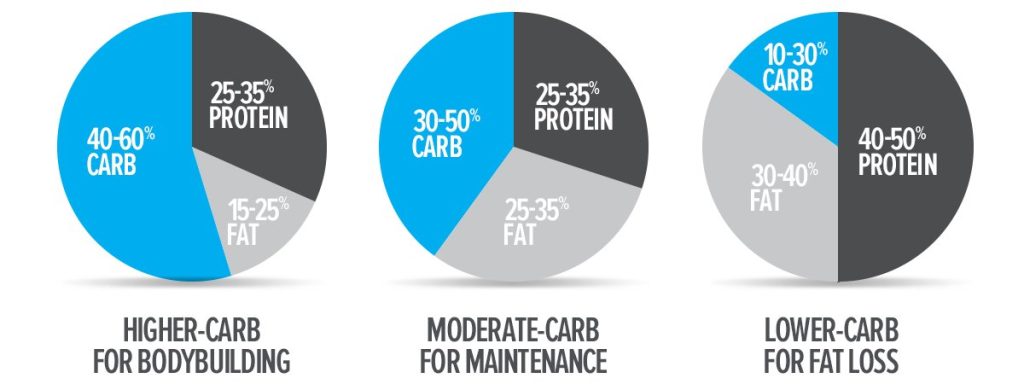
Sample ratios can guide your diet plan. A common plan is 40/40/20. This means 40% carbs, 40% protein, 20% fat. It supports muscle growth for many. Another plan is 50/30/20. This offers more carbs for energy. It benefits those with intense workouts. A 30/50/20 plan is also effective. This increases protein intake. It suits those focusing on muscle repair.
Adjusting Ratios For Goals
Achieving muscle growth demands a balanced carb, protein, and fat ratio. Protein supports muscle repair and growth. Carbs provide energy for workouts. Fats aid in hormone production. Adjust these ratios to match muscle-building goals for optimal results.
Adjusting your carb, protein, and fat ratios can make a big difference in your muscle-building journey. Whether you’re aiming to bulk up or trim down, tweaking these macronutrients can help you reach your goals more efficiently. Let’s dive into how you can modify these ratios to match your objectives and make the most out of your workouts.Bulking Vs. Cutting
Bulking and cutting require different strategies. When bulking, you generally need more carbs and fats to fuel intense workouts and support muscle growth. A common ratio might be 50% carbs, 30% protein, and 20% fats. For cutting, the focus shifts to higher protein intake to preserve muscle mass while shedding fat. Here, a 40% protein, 40% carbs, and 20% fats ratio can be effective. Have you ever noticed how your energy levels change with different ratios? Experimenting with these numbers can show you how your body responds to different diets. It’s fascinating to see how small changes can lead to big results.Personalization Tips
Everyone’s body is unique, so your ideal ratio might differ from someone else’s. Start by tracking your current intake and how it aligns with your goals. Use apps or a food diary to get a clear picture. Consider factors like your metabolism, workout intensity, and lifestyle. If you’re more active, you might need a higher carb intake for energy. Adjust slowly and monitor your progress. Are you gaining muscle or losing fat as expected? If not, tweak the ratios slightly and give it a few weeks to see the impact. Don’t be afraid to seek advice from nutrition experts or personal trainers. They can offer insights tailored to your individual needs. What have you discovered about your body’s preferences?Common Mistakes
Balancing carbs, protein, and fat is crucial for muscle growth. Many focus too much on protein, neglecting carbs needed for energy. Some ignore healthy fats, which support hormone production essential for muscle building. Avoid these common mistakes for effective results.
Building muscle is an art and a science, and understanding the right carb, protein, and fat ratio is key. However, many people make common mistakes that hinder their progress. Let’s dive into some of these pitfalls and how to avoid them.Overemphasis On Protein
It’s easy to fall into the trap of thinking more protein equals more muscle. You might load up on protein shakes and grilled chicken but forget balance. Too much protein can strain your kidneys and leave you feeling sluggish. Plus, it might push out other essential nutrients from your diet. Think back to a time when you focused solely on protein. Did you notice a plateau in your gains? It’s likely because your body also craves carbs and fats for energy and recovery.Neglecting Carb Needs
Carbs often get a bad rap, but they’re crucial for muscle building. They provide the energy your muscles need during intense workouts. If you cut carbs too much, you might feel tired and weak, unable to push through a gym session. Remember that carbs are your body’s preferred energy source. Consider the difference when you’ve eaten a balanced meal versus a low-carb one before a workout. Your performance likely dipped without enough carbs to fuel it. Balancing your macronutrients isn’t just about what looks good on paper. It’s about how you feel and perform. Are you giving your body the right fuel to build muscle effectively?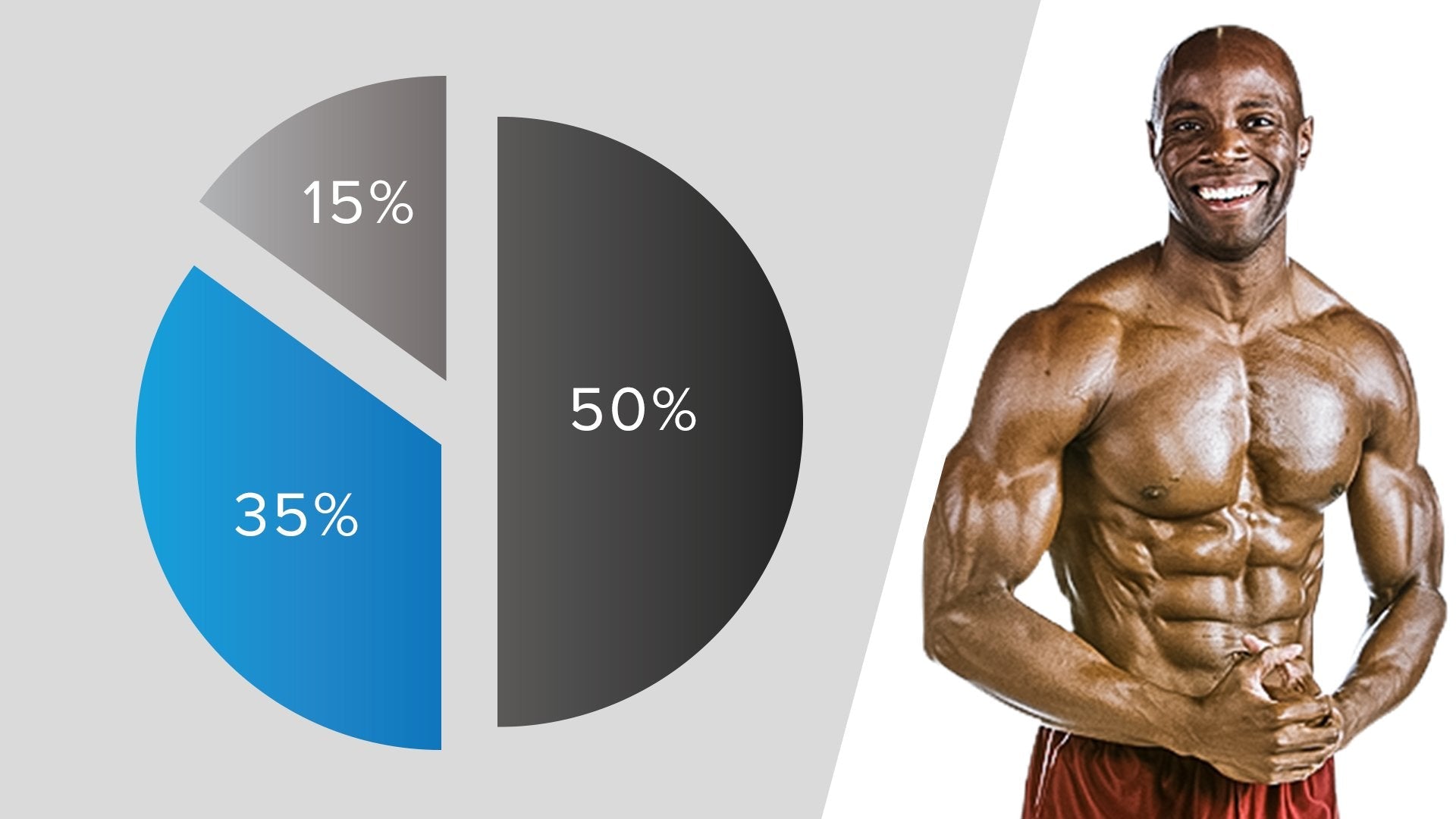
Credit: shop.bodybuilding.com
Monitoring And Adjusting
Balancing carbs, proteins, and fats is key for muscle growth. Adjusting the ratio based on personal goals can boost gains. Regular monitoring helps fine-tune intake for optimal results.
Monitoring and adjusting your carb, protein, and fat ratio is crucial for successful muscle building. This process involves constant evaluation of your dietary intake and making necessary changes to optimize your results. It requires a bit of effort, but the pay-off in muscle gains and overall health is worth it. By staying vigilant and flexible, you can ensure you’re meeting your body’s needs effectively.Tracking Progress
It’s essential to keep track of your progress. This means recording your workouts, dietary intake, and any changes in your body composition. A simple notebook or a fitness app can work wonders. Look at the numbers regularly. Are you hitting your protein goals? Is your carb intake supporting your energy levels? This data will guide you in making informed decisions. When I started tracking my macros, I noticed my energy dipped on low-carb days. Adjusting this helped my workouts immensely. What surprises might you uncover with your tracking?Making Dietary Changes
Based on your progress data, you might need to tweak your diet. This doesn’t mean drastic changes but small adjustments that align with your goals. If you’re not gaining muscle as expected, maybe your protein intake needs a boost. Perhaps your fats are too low, affecting hormone balance. Experiment with your ratios to find your sweet spot. Consider consulting with a nutritionist if you’re unsure. They can offer insights tailored to your specific needs, ensuring your dietary changes are effective and safe. Have you considered getting professional advice to refine your nutrition plan?Supplements And Enhancements
Supplements and enhancements can be a game-changer in your muscle-building journey. While a balanced diet is fundamental, sometimes your body needs that extra push to reach peak performance. Understanding when and what to add to your regimen can make all the difference. Let’s dive into when you might consider supplements and explore some popular options.
When To Consider Supplements
Have you ever hit a plateau in your muscle-building progress? It’s frustrating. Despite your best efforts, growth seems stagnant. This might be the moment to consider supplements. If your diet is on point, but you’re still not seeing results, supplements can fill the gaps.
Think about your energy levels. If you’re constantly tired or sore, your body might be lacking essential nutrients. Supplements can provide the boost you need to recover faster and train harder. Keep track of your progress. If gains slow down despite consistent workouts, it might be time to explore supplementation.
Popular Options
Protein powders are a favorite among fitness enthusiasts. They’re convenient and effective for post-workout recovery. Whey protein is particularly popular due to its quick absorption, helping muscles repair swiftly.
Creatine is another popular choice. It enhances strength and improves exercise performance. Many athletes swear by it for those extra reps. Branched-chain amino acids (BCAAs) are great for reducing muscle soreness. They aid in quicker recovery, allowing you to hit the gym more often.
Do you ever wonder if you’re maximizing your potential? Supplements can be the key to unlocking new levels of performance. But remember, they’re not magic pills. They work best when combined with a solid diet and consistent workout routine.
Ultimately, your muscle-building journey is unique. Experimenting with supplements can provide valuable insights into what works best for your body. Have you found a supplement that made a difference? Share your experiences and insights with others. Your story might inspire someone struggling with their own progress.

Credit: www.shutterstock.com

Credit: www.thebodybuildingdietitians.com
Frequently Asked Questions
What Is The Best Protein Carb Fat Ratio For Building Muscle?
A 40% protein, 40% carbohydrate, and 20% fat ratio is effective for muscle building. This balance supports muscle growth, energy, and recovery. Adjust based on personal goals, metabolism, and activity level for optimal results.
What Is The 40 40 20 Rule For Macros?
The 40 40 20 rule for macros suggests consuming 40% protein, 40% carbohydrates, and 20% fats. This balanced macronutrient ratio supports muscle growth, energy, and overall health. Adjustments may be needed based on individual goals and activity levels.
Is 40/30/30 Good For Muscle Gain?
A 40/30/30 macronutrient ratio can support muscle gain. It provides balanced protein, carbs, and fats. Ensure adequate protein intake and adjust based on personal needs and activity level. Combine with strength training for optimal results. Always consult a nutritionist for personalized advice.
Is 45/30/25 A Good Macro Split?
The 45/30/25 macro split can be good, depending on your goals. It provides a balanced approach to proteins, carbs, and fats. Adjust based on personal health needs, activity level, and fitness objectives. Consulting a nutritionist is advisable for personalized recommendations.
Conclusion
Finding the right carb, protein, and fat ratio helps build muscle. Balance is key for growth and recovery. Proteins support muscle repair. Carbs provide energy for workouts. Fats are vital for hormones and health. Track your intake to understand your needs.
Adjust based on progress and goals. Consistency leads to better results over time. Listen to your body and make changes as needed. Always combine a balanced diet with proper exercise. This approach helps achieve desired muscle-building outcomes. Stay informed and make smart nutritional choices for success.