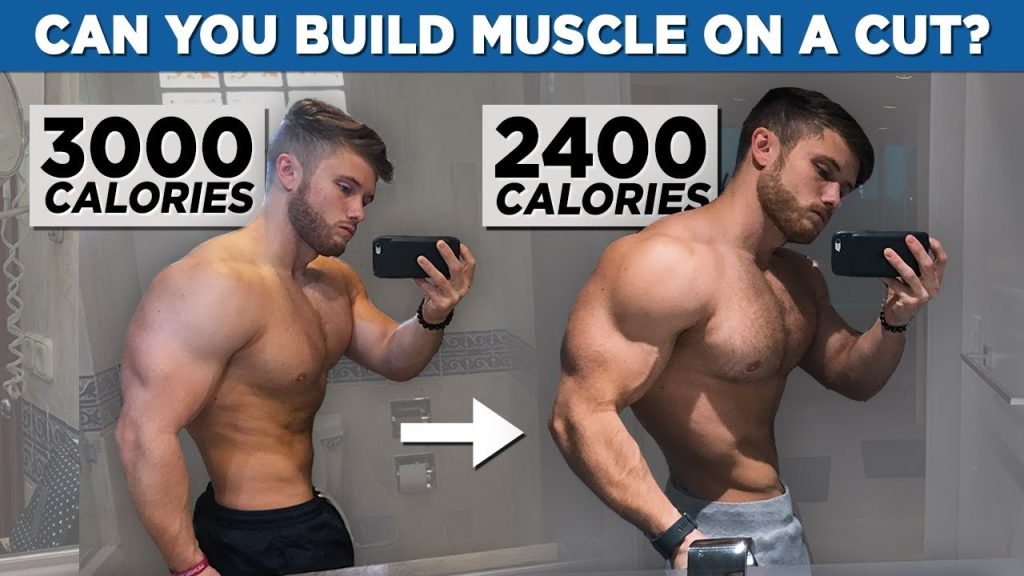
Are you trying to shed some pounds while sculpting those muscles? You might be wondering if it’s possible to build muscle when you’re eating fewer calories than your body burns.
It’s a common question, and the answer might surprise you. Understanding the science behind muscle growth and calorie management can be your golden ticket to achieving that lean, toned physique you’ve been dreaming of. Dive into this article to uncover the secrets that fitness enthusiasts and experts are buzzing about.
Get ready to discover how you can balance a calorie deficit with muscle building and unlock the full potential of your fitness journey.

Credit: sci-fit.net
Muscle Growth Basics
Understanding muscle growth basics is crucial for anyone aiming to build muscle. Your body needs the right conditions to promote muscle development. This involves a mix of calories, proteins, and strength training. Let’s dive into the essentials for effective muscle growth.
Role Of Calories In Muscle Building
Calories provide energy for your workouts. They fuel muscle repair and growth. A calorie deficit can make building muscle harder. The body needs energy to support muscle recovery. Without enough calories, muscle growth slows down.
A small calorie deficit might help reduce fat. But it requires careful planning. Balance is key. Ensure your body gets enough fuel to maintain muscle.
Importance Of Protein Intake
Protein is vital for muscle repair and growth. It helps rebuild muscle fibers after workouts. Eating enough protein supports new muscle formation. Aim for protein-rich foods like chicken, fish, and beans.
Protein intake should be consistent. Spread it throughout the day. This ensures muscles receive a steady supply of nutrients. Adjust protein levels based on your activity and goals.
Maintaining the right protein levels can aid muscle growth even with a calorie deficit.
Calorie Deficit Explained
Understanding calorie deficit is crucial for anyone on a fitness journey. It’s a term that often comes up in conversations about weight loss and muscle building. But what does it really mean? Let’s break it down.
What Is A Calorie Deficit?
A calorie deficit occurs when you consume fewer calories than your body needs. Your body needs energy to perform daily tasks and functions. This energy comes from the food you eat. When you eat less than required, your body taps into stored fat for energy. This process helps in weight loss.
How Calorie Deficit Affects The Body
A calorie deficit impacts various body functions. Initially, it leads to weight loss as the body uses stored fat. You may experience reduced energy levels due to fewer calories. Your metabolism might slow down, conserving energy. Muscle mass can decrease if protein intake is insufficient. It’s important to manage the deficit carefully.
Science Behind Muscle Building In Deficit
Understanding muscle growth in a calorie deficit requires a look at science. Many believe cutting calories means losing muscle. But research shows muscle can grow even in a deficit. This concept challenges traditional thoughts on nutrition and fitness.
Studies On Muscle Gain With Calorie Deficit
Research explores the possibility of building muscle while reducing calories. Some studies show positive muscle gain in a deficit. Participants maintained strength and increased muscle size. These studies use controlled conditions to measure outcomes. Scientists carefully monitor diets and exercise routines.
High protein intake plays a crucial role. Protein supports muscle repair and growth. Even when calories are low, protein helps preserve muscle mass. Quality workouts also contribute to muscle gain. Resistance training stimulates muscle growth, even with fewer calories.
Metabolic Adaptations
The body’s metabolism adapts to calorie changes. When calories decrease, metabolism adjusts to maintain energy. This adaptation supports muscle growth despite lower calorie intake. The body learns to use energy efficiently.
Hormones influence metabolism and muscle growth. Hormones like testosterone aid in muscle development. A well-balanced diet helps regulate these hormones. Exercise boosts hormone levels, aiding muscle growth. The body becomes more efficient at using stored energy.
Tracking progress is essential. Regular assessment helps understand individual responses. Adjustments to diet and exercise improve results. Each person reacts differently to calorie deficits. Monitoring ensures optimal muscle gain.

Credit: www.youtube.com
Nutrition Strategies
Building muscle while in a calorie deficit is challenging but possible. Focus on protein-rich foods to support muscle growth. Maintain strength training to preserve muscle mass while losing fat.
Building muscle while in a calorie deficit might seem challenging, but with the right nutrition strategies, it can be achievable. The key lies in focusing on nutrient-dense foods that support muscle retention and growth. By honing in on your protein intake and meal timing, you can effectively navigate the delicate balance of losing fat while gaining muscle.Optimizing Protein Consumption
Protein is your muscle’s best friend, especially when you’re consuming fewer calories. Aim to consume at least 1.6 to 2.2 grams of protein per kilogram of your body weight. This ensures your muscles get the necessary amino acids to repair and grow. Incorporating a variety of protein sources can keep your meals exciting and nutritious. Think of lean meats like chicken and turkey, fish such as salmon and tuna, or plant-based options like lentils and beans. Are you getting enough protein in each meal? Consider adding a high-protein snack like Greek yogurt or a protein shake to bridge the gap between meals and boost your intake.Timing Meals For Muscle Retention
Meal timing plays a crucial role in muscle retention, especially in a calorie deficit. Eating protein-rich meals every 3-4 hours can keep your body in an anabolic state, which is essential for muscle growth. Do you work out in the morning? Having a protein-packed breakfast post-workout can jumpstart muscle recovery. If you exercise in the evening, make sure your dinner includes a good protein source to aid muscle repair overnight. Think about aligning your meals with your workout schedule. By doing so, you can maximize muscle protein synthesis, ensuring your hard-earned muscles stay intact even as you cut calories. By adopting these nutrition strategies, you can successfully maintain and build muscle mass while shedding unwanted fat. Are you ready to adjust your eating habits to support your fitness goals?Exercise Approaches
Building muscle while in a calorie deficit can be challenging. It requires a balanced approach, combining strength training with nutrient-rich foods. Ensure protein intake is sufficient to support muscle repair and growth.
Building muscle while in a calorie deficit might sound like trying to swim upstream, but it’s entirely possible with the right exercise approaches. The key lies in smart training and nutrition. You need to focus on preserving muscle mass while shedding excess fat. This requires a strategic combination of strength training and cardio. Let’s dive into how you can maximize your workouts to achieve this balance.Strength Training In Deficit
Strength training is your best ally when aiming to build muscle in a calorie deficit. Lifting weights helps maintain muscle mass, which is vital when you’re cutting calories. You should prioritize compound exercises like squats, deadlifts, and bench presses. These exercises target multiple muscle groups, giving you more bang for your buck. Keep your reps moderate. Aim for 8-12 reps per set. This range promotes muscle growth while also preserving strength. You might feel tempted to lift lighter weights, but maintaining intensity is crucial. Have you ever noticed how some people lose weight but look “soft”? That’s because they didn’t focus on strength training. Don’t make that mistake. Challenge yourself to lift heavier than you think you can. This will ensure your muscles are working hard to stay and grow even as calories drop.Balancing Cardio And Weight Lifting
Cardio is great for burning calories, but too much can hinder muscle growth. You need a balanced approach to avoid turning into a marathon runner with little muscle definition. Consider limiting cardio sessions to 2-3 times a week. This ensures you burn calories without sacrificing muscle mass. Choose low-impact activities like cycling or brisk walking to minimize muscle wear. Think about pairing cardio with weight lifting sessions. A short, intense cardio workout after lifting can help maximize fat loss without compromising muscle. Ask yourself: Are your workouts aligned with your goals? If you’re doing hours of cardio daily, it might be time to rethink your strategy. Remember, your body needs recovery time. Rest days are crucial. They allow your muscles to repair and grow, despite the calorie deficit. Ultimately, building muscle in a calorie deficit requires a thoughtful approach to exercise. Focus on strength, balance cardio wisely, and listen to your body’s needs. With dedication and the right strategy, you can achieve your goals.Common Myths And Misconceptions
Building muscle while on a calorie deficit is a debated topic. Many believe it’s impossible, but with correct protein intake and strength training, muscle gain is achievable. Understanding the balance between calorie consumption and exercise is crucial for success.
When it comes to building muscle while on a calorie deficit, common myths and misconceptions often cloud the truth. Many people believe that reducing calorie intake automatically leads to muscle loss. This misconception can discourage people from pursuing their fitness goals, leaving them feeling stuck. However, understanding the dynamics of calorie intake, muscle gain, and fat loss can empower you to make informed decisions about your fitness journey.Debunking Muscle Loss Fears
It’s easy to fall prey to the fear that eating fewer calories will lead to muscle wastage. In reality, muscle loss is not inevitable when you’re on a calorie deficit. You can maintain, and even build, muscle mass by focusing on the right exercises and nutrition. Consider this: a friend of mine was adamant about losing weight but feared losing muscle. He adjusted his diet to include high-protein foods while maintaining a strength-training routine. Instead of losing muscle, he found himself getting stronger and leaner. The key is balance. Pay attention to protein intake and strength workouts. These two elements can help you keep muscle while shedding fat.Understanding Fat Loss Vs. Muscle Gain
Fat loss and muscle gain are two distinct processes, yet they often get confused. While a calorie deficit helps in shedding fat, it doesn’t automatically mean muscle loss. Your body can use stored fat for energy, sparing the muscle. Think about the last time you followed a workout program. You probably noticed that your muscles became more defined as you lost weight. This happens because your muscles become more visible once the layer of fat reduces. The secret is in smart planning. Incorporate resistance training and ensure adequate protein in your diet. This approach can help you achieve a leaner physique without sacrificing muscle. Have you ever wondered if you could switch your focus from losing weight to gaining muscle? It’s possible, even on a calorie deficit, if you play your cards right. Focus on what you eat, how you train, and be consistent. These strategies can lead you to success without falling for myths that hold you back.Real-life Success Stories
Building muscle while in a calorie deficit is possible. Real-life success stories show dedication to strength training and balanced nutrition. Many achieve toned physiques by consuming fewer calories than they burn, focusing on protein intake, and maintaining consistent workouts.
In the quest to build muscle while maintaining a calorie deficit, many individuals have achieved remarkable transformations. These success stories not only inspire but also provide practical insights into achieving fitness goals against the odds. Whether you’re an athlete, a fitness enthusiast, or someone starting their journey, these real-life examples can guide and motivate you.Athletes Who Built Muscle In Deficit
Several athletes have successfully built muscle while in a calorie deficit, shattering the myth that it’s impossible. Take the story of Joe, a competitive swimmer, who needed to shed some pounds for agility but didn’t want to sacrifice muscle mass. By carefully monitoring his protein intake and maintaining a rigorous strength training routine, Joe was able to enhance his muscle definition while losing fat. Similarly, Sarah, a marathon runner, aimed to increase her endurance without losing strength. She focused on nutrient-dense foods and timed her workouts to align with her energy peaks. Both athletes demonstrated that with strategic planning, you can indeed build muscle even when consuming fewer calories.Lessons From Fitness Experts
Fitness experts often emphasize the importance of balance in achieving muscle growth during a calorie deficit. Nutritionist Emily suggests prioritizing protein-rich foods to support muscle repair and growth. She advises clients to eat lean proteins like chicken, fish, and legumes in every meal. Trainer Mark shares that consistency in strength training is crucial. He notes that many people underestimate the power of resistance exercises in maintaining muscle mass during weight loss. Mark’s clients often report muscle gains even when cutting calories, thanks to his tailored workout plans. Have you ever considered how small adjustments in your diet and workout routine could lead to big results? It’s worth experimenting with different strategies to find what works best for your body. Remember, these stories show that achieving muscle growth while in a calorie deficit is not only possible but achievable with the right approach.Practical Tips For Muscle Growth
Building muscle while on a calorie deficit might seem hard. But with the right plan, it’s possible. You need to focus on the right exercises and nutrition. This section will share practical tips to help you grow muscles. Even if you are cutting calories.
Setting Realistic Goals
Start by setting clear and achievable goals. Decide how much muscle you want to gain. Understand that building muscle in a deficit takes time. Be patient with your progress. Keep your goals flexible to stay motivated. Avoid comparing yourself to others. Everyone’s journey is unique.
Tracking Progress Effectively
Track your progress to stay on course. Use a journal or an app. Record your workouts, weights, and reps. Note your energy levels and how your clothes fit. Take photos every month to see changes. Regular tracking helps you adjust your plan as needed. Celebrate small victories to keep yourself motivated.

Credit: www.facebook.com
Frequently Asked Questions
Can You Gain Muscle On A Calorie Deficit?
Yes, gaining muscle on a calorie deficit is possible but challenging. Prioritize protein intake and strength training. Focus on compound exercises to maximize muscle growth. Adequate sleep and recovery are crucial for progress. Monitor your progress and adjust your diet and workouts accordingly.
Can You Build Muscle On 1200 Calories A Day?
Building muscle on 1200 calories a day is challenging. Muscle growth requires sufficient calories and protein. Consuming fewer calories might lead to muscle loss instead. Aim for a higher caloric intake with balanced nutrition for effective muscle gain. Consulting a nutritionist or fitness expert can provide personalized guidance.
Is 1500 Calories A Day Enough To Lose Weight And Gain Muscle?
1500 calories daily might help some lose weight, but it’s often too low to gain muscle. Individual needs vary. Consider factors like age, gender, activity level, and metabolism. Consult a nutritionist or fitness expert for personalized advice. Balancing protein intake and strength training is crucial for muscle gain.
Can I Build Muscle While Losing Weight?
Yes, you can build muscle while losing weight. Focus on strength training and a protein-rich diet. Ensure a calorie deficit but not extreme. Balance your macronutrients for optimal results. Stay consistent with workouts and monitor your progress. Maintain adequate rest for muscle recovery.
Conclusion
Building muscle on a calorie deficit is possible. It requires dedication and smart planning. Focus on high-protein foods to support muscle growth. Combine strength training with proper nutrition. This helps maintain muscle while losing fat. Listen to your body’s needs.
Adjust your calorie intake as necessary. Consistency is key for progress. Stay patient and track your journey. Results may vary from person to person. Celebrate small victories along the way. Remember, achieving balance is essential for long-term success. Keep motivated and stay committed to your fitness goals.