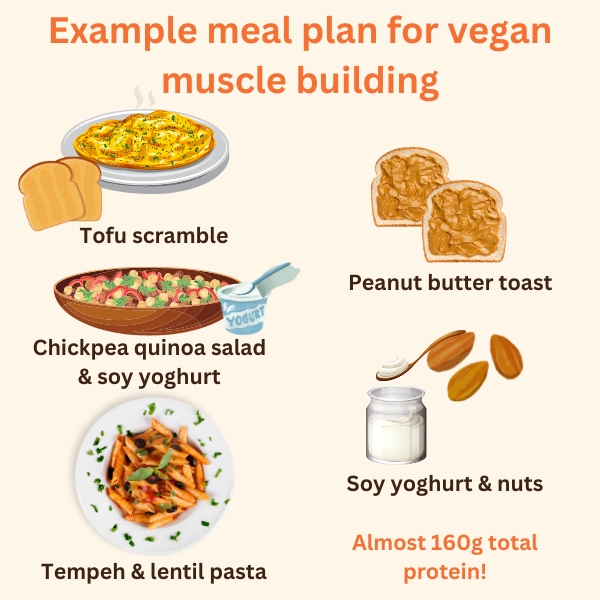
Are you on a mission to build muscle but following a vegan lifestyle? You might wonder if it’s possible to gain muscle without consuming animal protein.
The answer is a resounding yes! High-protein vegan meals can fuel your muscle-building journey, giving you all the nutrients you need without compromising your dietary choices. Imagine savoring delicious, plant-based dishes that not only satisfy your taste buds but also support your fitness goals.
Intrigued? This article will reveal how you can harness the power of plant proteins to sculpt the body you desire. Get ready to discover mouth-watering, nutrient-packed meals that will transform your approach to muscle building. Let’s dive in!

Credit: www.pinterest.com
Benefits Of High Protein Vegan Diet
Adopting a high protein vegan diet offers multiple benefits, especially for muscle building enthusiasts. It ensures adequate protein intake without animal products. This approach supports muscle growth and recovery. It also promotes overall health and sustainability. Discover how a high protein vegan diet can enhance your fitness journey and well-being.
Improved Muscle Growth
Protein is crucial for muscle growth. Vegan sources like beans, lentils, and tofu are rich in protein. They provide the essential amino acids needed for muscle repair. Building muscles becomes effective with proper protein intake. A well-planned vegan diet supports strength training goals.
Enhanced Recovery
Muscle recovery is important after workouts. Vegan proteins aid in faster recovery. They reduce muscle soreness and improve performance. Recovery time decreases with plant-based proteins. This allows for more frequent and intense workouts.
Supports Heart Health
A vegan diet is often lower in saturated fats. This promotes better heart health. High protein vegan meals improve cholesterol levels. They reduce the risk of heart disease. A diet rich in plant-based proteins supports cardiovascular wellness.
Environmental Impact
Choosing vegan meals benefits the environment. Plant-based diets require fewer resources. They reduce carbon footprints and conserve water. A high protein vegan diet contributes to sustainability. It supports a healthier planet for future generations.
Weight Management
Vegan diets often lead to weight loss. They are typically lower in calories but high in nutrients. High protein vegan meals keep you full longer. They help in controlling hunger and reducing calorie intake. Effective weight management becomes easier with a balanced vegan diet.
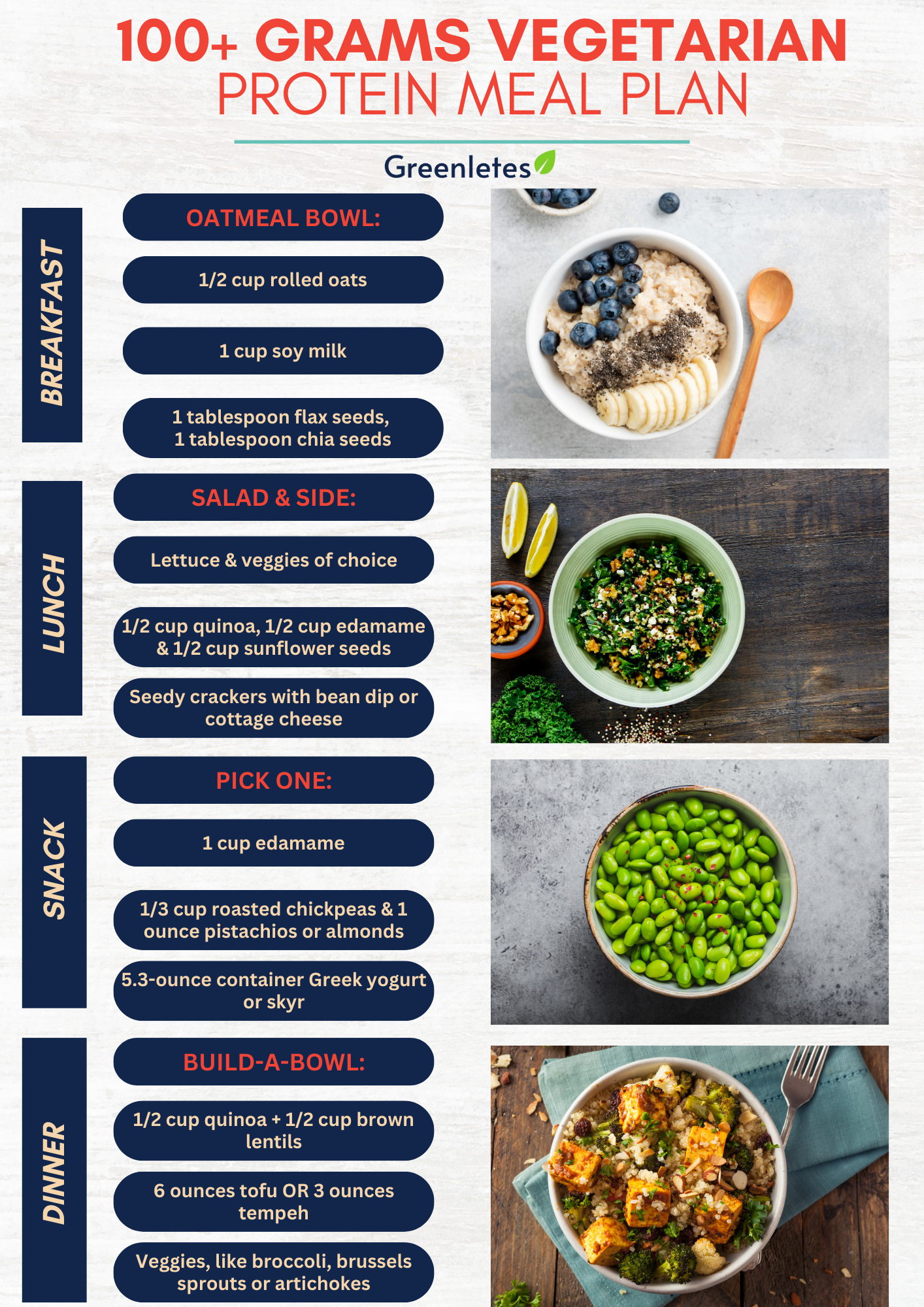
Credit: greenletes.com
Essential Nutrients For Muscle Growth
Building muscle on a vegan diet requires careful nutrient planning. Essential nutrients play a crucial role in muscle growth. They support repair and building of tissues. A plant-based diet can provide all necessary nutrients for muscle building. Understanding these nutrients can help in achieving fitness goals.
Key Vitamins And Minerals
Vitamins and minerals are vital for muscle growth. Iron helps in oxygen transport to muscles. Vitamin D supports calcium absorption. Calcium is necessary for muscle function. Magnesium aids in protein synthesis. Zinc plays a role in muscle repair and growth. Plant foods like spinach and almonds are rich sources.
Role Of Amino Acids
Amino acids are building blocks of proteins. They are essential for muscle repair. The body needs amino acids to build muscle. Complete proteins contain all essential amino acids. Sources like quinoa and soy provide complete proteins. These aid in muscle recovery and growth. Supplementing with plant-based protein powders can help. This ensures adequate amino acid intake for muscle building.
Top Protein Sources For Vegans
Building muscle on a vegan diet might seem challenging due to concerns about protein intake. However, numerous plant-based foods pack a powerful protein punch. Understanding the top protein sources for vegans can help you craft delicious meals that fuel your muscle-building journey. Let’s dive into the best options!
Legumes And Beans
Legumes and beans are fantastic protein sources for vegans. Lentils, chickpeas, and black beans are not just rich in protein; they also provide essential nutrients like iron and fiber. A hearty lentil soup or a spicy chickpea curry can be both satisfying and protein-rich. Imagine indulging in a bowl of homemade chili loaded with black beans after a workout—it’s not just comforting but also beneficial for muscle recovery.
Nuts And Seeds
Nuts and seeds are small but mighty protein providers. Almonds, peanuts, chia seeds, and hemp seeds offer an excellent protein boost. They make great snacks and additions to meals. Sprinkle some chia seeds on your oatmeal or grab a handful of almonds before hitting the gym. Did you know that a tablespoon of hemp seeds contains nearly as much protein as an egg? Next time you’re making a smoothie, toss in some seeds for extra protein power.
Whole Grains
Whole grains might surprise you with their protein content. Quinoa, farro, and barley are not only filling but also protein-rich. Quinoa is often hailed as a complete protein, meaning it contains all nine essential amino acids. Think about substituting your usual rice with quinoa in a stir-fry. Not only does it add texture, but it also bumps up the protein content significantly.
Soy Products
Soy products are a staple in vegan protein sources. Tofu, tempeh, and edamame are versatile and packed with protein. Grilled tofu with veggies can be a delightful main course. Tempeh, with its firm texture, is perfect for stir-fries and sandwiches. If you’re new to soy products, try marinating tofu overnight for a flavor-packed protein source that’s perfect for your muscle-building meals.
How do you ensure your vegan meals are protein-rich? Share your favorite protein-packed recipes in the comments below!

Credit: www.olivaclinic.com
Meal Planning Strategies
Meal planning is crucial for anyone looking to build muscle on a vegan diet. It can be challenging to ensure you’re getting enough protein while balancing other nutrients. However, with some strategic planning, you can achieve your muscle-building goals without compromising your values. Let’s dive into some practical tips.
Balancing Macronutrients
Protein, carbs, and fats all play a role in your fitness journey. You might think of protein as the star, but carbs and fats are equally important. Protein repairs and builds muscles, while carbs fuel your workouts and fats support hormone production.
How do you balance these? Consider creating a weekly meal plan that includes a variety of foods. Quinoa, lentils, and chickpeas are protein-rich yet also provide carbs. Add avocados or nuts for healthy fats. Remember, it’s not just about one meal; it’s about your daily intake.
Have you ever felt sluggish after a workout? It might be due to an imbalance in your diet. Adjusting your macronutrient ratios can enhance your energy levels.
Meal Timing For Optimal Gains
When you eat can be as important as what you eat. Consuming protein-rich meals post-workout aids in muscle recovery. Aim for a meal within two hours of your session. Overnight oats with almond butter can be a quick and effective option.
Ever tried eating before your workout? A small snack like a banana or a handful of nuts can give you the energy boost you need. Timing your meals around your workouts can maximize your muscle gains.
What if you’re busy and can’t eat immediately post-workout? Consider preparing a protein shake with pea protein and spinach. You can take it on the go, ensuring you don’t miss that crucial recovery window.
Have you found meal planning overwhelming? Start small. Try planning just two meals a day and adjust as needed. Remember, the key is to listen to your body and tweak your plan to fit your lifestyle and goals.
Quick And Easy High Protein Recipes
Discover delicious high protein vegan meals designed to support muscle building. These quick recipes offer plant-based protein sources like lentils, quinoa, and tofu. Enjoy easy-to-make dishes that fuel your body and help maintain a healthy diet.
If you’re on a muscle-building journey and have chosen the vegan path, you might wonder how to get enough protein. The good news is, there are plenty of high-protein vegan meals that are both quick and easy to make. These recipes ensure you’re fueled properly without spending hours in the kitchen. Let’s dive into some delicious options that will support your muscle-building goals.Breakfast Ideas
Start your day with a protein-packed breakfast to kickstart muscle recovery. A simple option is a chickpea pancake. Mix chickpea flour with water, cumin, and salt, then cook like a regular pancake. Add your favorite veggies for extra flavor and nutrients. Another great choice is tofu scramble. Crumble tofu and sauté it with spinach, bell peppers, and a pinch of turmeric. This dish is not only high in protein but also loaded with vitamins and minerals.Lunch And Dinner Options
For lunch, try a quinoa salad. Combine cooked quinoa with black beans, corn, and diced tomatoes. Toss with lime juice and cilantro for a refreshing meal that’s rich in protein. Dinner can be a hearty lentil stew. Cook lentils with carrots, onions, and garlic. Season with thyme and bay leaves for a warm, comforting dish that supports muscle recovery.Snacks For Muscle Recovery
Snacking smartly can help you maintain your protein intake throughout the day. Consider roasted chickpeas for a crunchy, protein-rich snack. Simply toss chickpeas with olive oil and your favorite spices, then bake until crispy. Another option is a protein smoothie. Blend almond milk, a scoop of pea protein powder, a banana, and a handful of spinach. This quick drink is perfect after a workout. Have you tried any of these recipes, or do you have a favorite high-protein vegan meal? Share your thoughts and let’s exchange ideas for a stronger, healthier you!Supplements To Consider
Building muscle on a vegan diet is entirely possible. Yet, some might seek an extra boost. Vegan meals can provide all needed nutrients, but supplements can fill gaps. They can enhance muscle growth and recovery. Here’s a look at some supplements to consider.
Protein Powders
Protein powders can be a convenient option. They offer an easy way to increase protein intake. Many plant-based options are available. Pea, rice, and hemp proteins are popular choices. These powders are rich in essential amino acids. They support muscle repair and growth. Choose a protein powder that suits your taste and dietary needs.
Bcaas And Other Supplements
Branched-Chain Amino Acids (BCAAs) are essential for muscle growth. They help reduce muscle soreness. BCAAs are found in high-protein foods. Supplements can provide an extra boost. They are especially useful during intense workouts. Other supplements like creatine can also support muscle building. Creatine is vegan-friendly and enhances muscle strength. Always read labels to ensure supplements are plant-based.
Common Challenges And Solutions
High protein vegan meals can support muscle building. Yet, many face challenges. Common issues include protein deficiency and meal monotony. Fortunately, solutions exist to overcome these hurdles.
Overcoming Protein Deficiency
Many believe vegan diets lack protein. This is a myth. Beans, lentils, and chickpeas are rich protein sources. Quinoa and tofu also pack a protein punch. Combining different plant proteins ensures complete amino acids. This supports muscle growth effectively.
Plant-based protein powders can boost intake too. These powders are easy to mix into shakes or smoothies. They provide a quick protein boost post-workout.
Maintaining Variety In Meals
Eating the same meals can get boring. This is true for any diet. Vegan meals offer diverse flavors and textures. Explore different cuisines like Indian, Mexican, or Mediterranean. Each offers unique vegan options.
Experiment with herbs and spices. They add flavor without extra calories. Rotating vegetables and grains keeps meals interesting. Try new recipes weekly to maintain excitement.
Frequently Asked Questions
What Vegan Foods Are High In Protein For Muscle Building?
Quinoa, lentils, chickpeas, and tofu are excellent vegan protein sources. Include tempeh, edamame, and black beans for muscle growth. Nuts, seeds, and spirulina also provide essential proteins. Eating a varied diet ensures you get all necessary amino acids for building muscle effectively.
How To Get 150g Protein Per Day Vegan?
Consume protein-rich foods like tofu, lentils, quinoa, chickpeas, and edamame. Include protein powders such as pea or soy. Add nuts, seeds, and vegan protein bars to your diet. Plan meals to ensure you meet protein goals daily. Balance your intake with sufficient calories and nutrients.
Can You Gain Muscle From Vegan Protein?
Yes, you can gain muscle with vegan protein. Plant-based sources like beans, lentils, and tofu provide essential amino acids. Pair them with a balanced diet and strength training for effective muscle growth. Vegan protein supplements can also support muscle building goals.
How To Get 30g Protein Per Meal Vegan?
Combine lentils, chickpeas, or tofu with quinoa or brown rice. Add nuts and seeds like chia or hemp. Include vegetables like spinach or broccoli. Use plant-based protein powders or nutritional yeast. This mix ensures a balanced, protein-rich vegan meal.
Conclusion
Building muscle on a vegan diet is achievable. High-protein meals are key. Choose foods like tofu, lentils, and quinoa. These provide essential nutrients. Balance your meals with veggies and grains. Consistent nutrition supports muscle growth. Enjoy experimenting with different recipes.
Keep meals varied and tasty. Remember, protein intake is vital. Stay committed to your fitness goals. Progress takes time and effort. Keep pushing forward. Your vegan journey supports health and strength. Celebrate each milestone. Embrace the benefits of plant-based eating.
You can achieve your muscle-building goals while enjoying delicious vegan meals. Stay motivated and inspired.