Imagine standing in front of a mirror, admiring a lean, strong, and muscular physique. It seems like a dream, right?
But what if I told you that achieving this is not as complicated as it might seem? In fact, the secret lies in something as simple as your diet. The way you eat can transform your body, helping you build muscle while simultaneously shedding unwanted fat.
Intrigued? You should be. This is about more than just counting calories or lifting weights; it’s about knowing exactly what your body needs to fuel growth and burn fat efficiently. Are you ready to uncover the surprising truths about eating to build muscle and lose fat? Stick around, and you might just change the way you think about food forever.
The Science Behind Muscle Growth
The quest to build muscle while losing fat intrigues many fitness enthusiasts. Understanding the science behind muscle growth is crucial for achieving these goals. It requires knowledge about how muscles grow and the role nutrition plays. Let’s delve into these aspects.
How Muscles Grow
Muscles grow through a process called hypertrophy. It involves the enlargement of muscle fibers. During exercise, tiny tears occur in muscle fibers. The body repairs these fibers, making them thicker. Consistent resistance training is vital for this process. Intensity and volume of workouts impact growth rates.
Progressive overload is key. Gradually increase weights or reps to challenge muscles. This stimulates further growth. Rest is equally important. It allows muscles to recover and grow stronger. Muscle growth doesn’t happen overnight. Patience and persistence are essential.
Role Of Nutrition
Nutrition is a cornerstone of muscle growth. Protein is crucial. It repairs and builds muscle tissue. Consuming enough protein supports muscle recovery after workouts. Amino acids from protein are building blocks for muscle. Carbs provide energy for workouts. They replenish glycogen stores in muscles.
Healthy fats support hormone production. Hormones like testosterone aid muscle growth. Balance is vital. Too much or too little can hinder progress. Hydration is often overlooked. Water supports nutrient transport and muscle function. Eating frequently helps maintain energy levels.
Plan meals around workouts. Pre-workout meals provide energy. Post-workout meals aid recovery. Consistency in eating habits promotes steady muscle growth. Listen to your body. Adjust nutrition based on energy needs. Proper nutrition maximizes muscle gain while aiding fat loss.
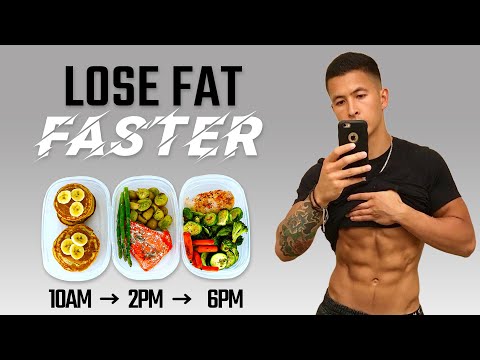
Credit: www.youtube.com
Key Nutrients For Muscle Building
Protein fuels muscle growth while helping burn fat efficiently. Healthy fats, like omega-3, support metabolism and muscle repair. Carbohydrates provide energy for intense workouts and aid recovery.
Building muscle and losing fat is not just about lifting weights and burning calories. It’s also about feeding your body with the right nutrients. Understanding what to eat can be a game changer in your fitness journey. You might be surprised how simple changes in your diet can lead to better muscle growth and fat loss. Let’s look at the key nutrients that can help you achieve your goals.Protein Power
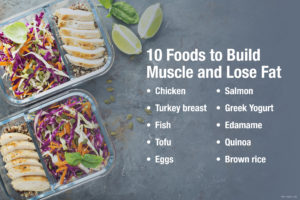
Protein is the building block of muscle. Without enough protein, your muscles can’t repair and grow after workouts. Aim for lean sources like chicken, fish, and tofu. These foods are packed with the protein your body needs. Think about adding a protein shake post-workout. It’s an easy way to help muscle recovery. Have you ever noticed how athletes often snack on nuts? They know the importance of protein.Carbohydrates And Energy
Carbs fuel your workouts and help your muscles recover. Choose whole grains, fruits, and vegetables for sustained energy. Ever felt exhausted halfway through a workout? You might need more carbs in your diet. Consider having a bowl of oatmeal before hitting the gym. It’s a simple change that can make a big difference. Carbs also aid in muscle growth by replenishing glycogen stores.Fats And Hormone Production
Fats aren’t the enemy. They support hormone production, crucial for muscle growth. Think about adding avocados, nuts, and olive oil to your meals. These healthy fats boost testosterone levels, which helps build muscle. Have you tried cooking with coconut oil? It’s a tasty way to add healthy fats to your diet. Balancing your fat intake can enhance your body’s ability to burn fat and build muscle. Are you ready to tweak your diet for better results? Remember, what you eat matters as much as how you train. Dive into these nutrients and watch your progress soar. What changes will you make today to fuel your muscle-building journey?Meal Timing And Frequency
Meal timing and frequency play a crucial role in muscle building and fat loss. Eating at the right times can maximize your workout results. It helps with recovery and supports lean muscle growth. Understanding when to eat is as important as what to eat.
Pre-workout Nutrition
Fueling your body before exercise is essential. A mix of carbs and proteins boosts energy. It prepares muscles for the workout ahead. Consume a small meal 30 to 60 minutes before exercising. This ensures your body has the needed nutrients for optimal performance.
Post-workout Recovery
After a workout, your body needs nutrients to repair muscles. Eating proteins and carbs within two hours aids recovery. It replenishes energy stores and promotes muscle growth. A balanced meal post-exercise can enhance your fitness progress.
Intermittent Fasting
Intermittent fasting is a popular eating pattern. It involves cycles of eating and fasting. Many find it helpful for fat loss and muscle gain. Timing is key; plan meals around workouts. This ensures your body gets nutrients when they are most needed.
Best Foods For Muscle Gain
Building muscle while losing fat might seem like a daunting task, but the right foods can make all the difference. The best foods for muscle gain aren’t just about protein shakes and supplements; they’re everyday items that can be easily added to your meals. The focus should be on balanced nutrition that supports your workout efforts and helps you achieve your fitness goals. Let’s dive into the essentials that can power your muscle-building journey.
Lean Proteins
Lean proteins are your muscle’s best friend. They provide the amino acids needed for muscle repair and growth. Think chicken breast, turkey, and lean beef. I once swapped my usual lunch sandwich for a grilled chicken salad, and the results were noticeable within weeks—more energy during workouts and faster muscle recovery.
Eggs are another fantastic choice, packed with protein and essential vitamins. If you’re on the go, grab a handful of nuts or a protein bar. These options are quick, satisfying, and beneficial for muscle maintenance.
Complex Carbs
Complex carbs give you the energy to push through tough workouts. Foods like sweet potatoes, brown rice, and whole-grain bread are excellent sources. They release energy slowly, keeping you fueled longer. Ever had a workout where you felt unstoppable? A plate of whole-grain pasta the night before might have had something to do with it.
Quinoa is another great option. It’s not only a complex carb but also contains protein, making it a double win for muscle gain. Consider replacing your usual rice dish with quinoa for a nutrient boost.
Healthy Fats
Don’t shy away from fats—they’re crucial for hormone production, including those that build muscle. Avocados, nuts, and olive oil are your go-tos. I remember adding a slice of avocado to my breakfast toast and feeling fuller and more focused during morning workouts.
Fatty fish like salmon is rich in omega-3s, which reduce muscle inflammation and improve recovery. Try adding a salmon fillet to your dinner routine a couple of times a week. Are you getting enough healthy fats to support your muscle-building efforts?
Building muscle isn’t just about hitting the gym hard; it’s about smart nutrition choices. By focusing on lean proteins, complex carbs, and healthy fats, you provide your body with the tools it needs to develop muscle and shed fat. So, next time you plan your meals, think about how these foods can enhance your fitness journey.
Foods To Avoid
Building muscle while losing fat requires smart eating choices. Eating the right foods helps. But, avoiding certain foods is equally important. Some foods hinder muscle growth. Others cause fat gain. Knowing what to avoid is key.
Processed Foods
Processed foods are often high in unhealthy fats and sugars. They provide little nutritional value. These foods can slow down muscle building. They often contain additives that the body struggles to process. Stick to whole, natural foods for better results.
Sugary Drinks
Sugary drinks add empty calories to your diet. They spike blood sugar levels, leading to fat storage. Avoid sodas and sweetened beverages. Opt for water or herbal teas instead. Staying hydrated without sugar aids muscle recovery.
Excessive Alcohol
Alcohol can disrupt muscle growth. It affects protein synthesis, crucial for muscle repair. Drinking too much alcohol also leads to fat accumulation. Limit intake to support your muscle-building goals. Choose healthier drinks to maintain progress.
Creating A Balanced Meal Plan
Crafting a balanced meal plan helps build muscle and shed fat efficiently. Focus on proteins, healthy fats, and complex carbs. Adjust portions to meet individual fitness goals and boost metabolism.
Creating a balanced meal plan is essential if you aim to build muscle and lose fat simultaneously. It can seem daunting, but with the right strategy, it becomes manageable. The key is to consume the right combination of nutrients, keeping your body fueled and your muscles growing.Sample Meal Plans
Having a sample meal plan can be a game-changer. It provides structure and helps you stay on track. Consider this simple plan: – Breakfast: Scrambled eggs with spinach and whole grain toast. – Lunch: Grilled chicken breast with quinoa and steamed broccoli. – Dinner: Baked salmon with sweet potato and a mixed green salad. – Snacks: Greek yogurt with almonds or a protein shake. These meals are balanced with proteins, healthy fats, and carbs. Are you ready to give it a shot?Adjusting Calories And Macros
Your calorie needs are unique. They depend on your activity level and body composition goals. Start by calculating your daily caloric needs and then adjust accordingly. – Protein: Essential for muscle repair. Aim for about 1 to 1.5 grams per pound of body weight. – Carbs: Your energy source. Include complex carbs like oats and brown rice. – Fats: Don’t shy away from healthy fats like avocados and nuts. Regularly track your progress. Are your clothes fitting differently? Are your energy levels consistent? Adjust your plan as needed to ensure you are on the right path. A balanced meal plan is your roadmap to success. It guides you through your fitness journey with clear, actionable steps. So, what meal will you try today to get closer to your goal?Supplements For Muscle Growth
Eating the right foods helps build muscle and lose fat. Protein is important for muscle growth. Supplements like whey protein and creatine support muscle building. They work best with a balanced diet and regular exercise.
Building muscle while losing fat is a goal many strive for. It’s not just about lifting weights; what you eat plays a crucial role. Supplements can support your journey, filling nutritional gaps and enhancing performance. But with so many options available, what should you consider adding to your regimen?Protein Supplements
Protein is vital for muscle growth. If you struggle to get enough from food, protein supplements can help. Whey protein, for instance, is popular due to its rapid absorption and complete amino acid profile. I remember my initial gym days when I was unsure about my protein intake. Adding a scoop of whey to my morning smoothie not only boosted my protein levels but also helped me feel full longer. Think about your daily routine: Are you consuming enough protein to support your muscle goals?Creatine And Performance
Creatine is one of the most researched supplements available. It’s known to enhance strength and muscle mass. By increasing the availability of ATP (energy), creatine helps you push harder during workouts. In my experience, taking creatine led to noticeable improvements in my lifting sessions. I could push through those extra reps, breaking past my usual limits. Ask yourself: Are you maximizing your workout potential with creatine?Bcaas And Recovery
Branched-Chain Amino Acids (BCAAs) support muscle recovery. They help reduce fatigue and muscle soreness after intense workouts. I found BCAAs particularly helpful during my high-intensity interval training days. They aided my recovery, allowing me to train hard more frequently. Consider this: How is your recovery process? Could BCAAs help you bounce back faster? Supplements can be a valuable addition to your muscle-building and fat-loss journey. But remember, they work best when combined with a balanced diet and a solid workout plan. Which supplement will you try first to support your goals?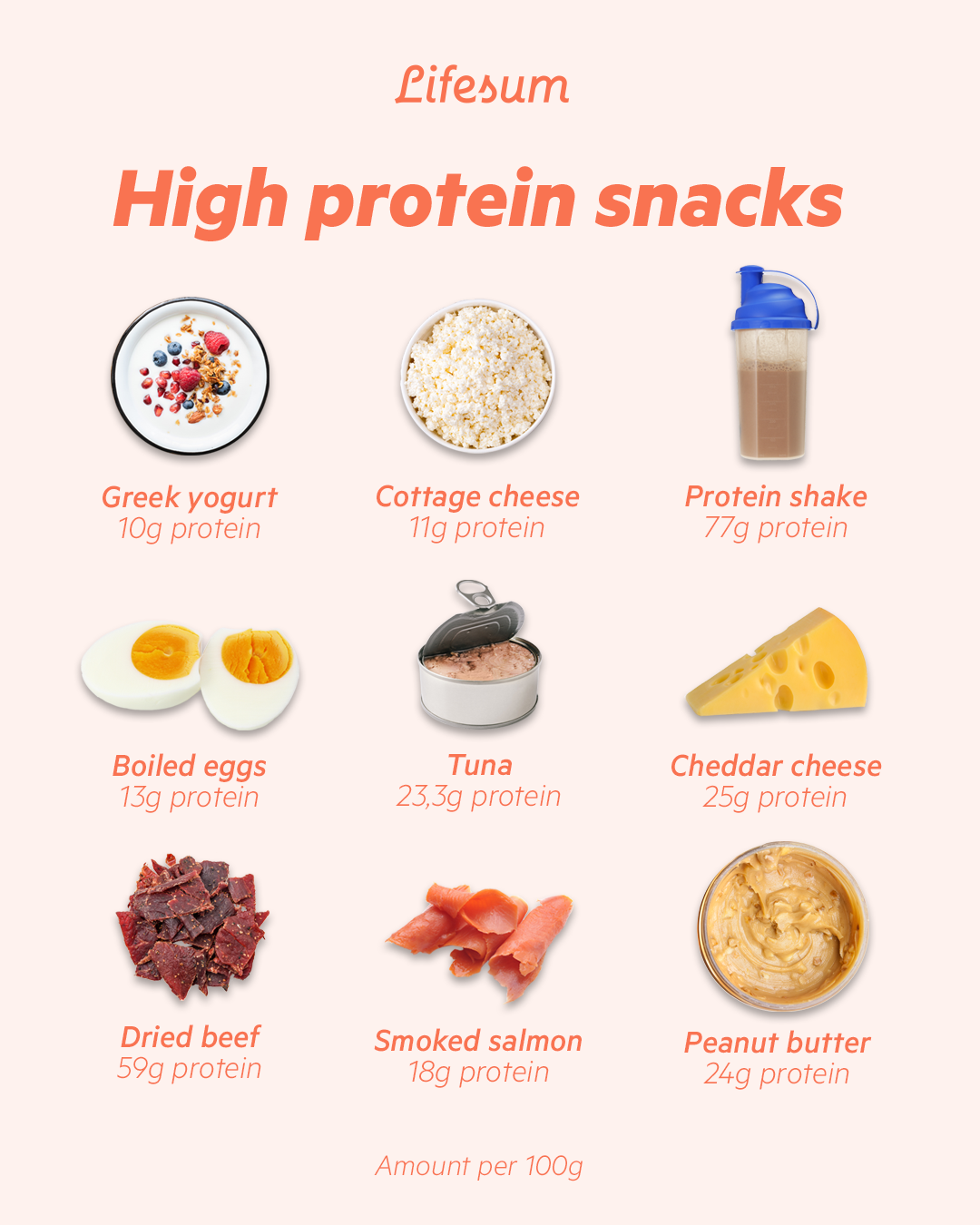
Credit: www.facebook.com
Common Dieting Mistakes
Building muscle and losing fat requires the right diet. Mistakes in dieting can slow progress. These errors often involve calorie miscalculations, meal timing issues, and supplement overuse. Understanding these common pitfalls can help you achieve your fitness goals effectively.
Underestimating Calories
Many people misjudge their calorie intake. Eating too few calories can lead to muscle loss. Your body needs energy to build muscle and burn fat. Tracking food intake accurately can help maintain a balance. A food journal or app can be useful.
Skipping Meals
Skipping meals can disrupt your metabolism. Your body needs regular fuel to function well. Missing meals may cause energy slumps. This can lead to overeating later. Eating balanced meals at regular intervals is crucial.
Over-reliance On Supplements
Supplements should not replace real food. Whole foods provide essential nutrients that supplements lack. Relying too much on them can lead to nutrient gaps. Focus on a balanced diet first. Use supplements to fill specific needs only.
Tracking Progress And Making Adjustments
Tracking progress and making adjustments in your quest to build muscle and lose fat is crucial. It’s not just about following a routine blindly; it’s about understanding what’s working and what needs a tweak. Like a sculptor refining a masterpiece, you need to shape your fitness journey with precision and care.
Monitoring Body Composition
To truly assess your journey, monitor your body composition regularly. This goes beyond the scale. Use methods like skinfold calipers, body fat scales, or professional assessments. Notice how clothes fit or changes in muscle definition.
Are you gaining muscle but not losing fat? Maybe your current workout isn’t challenging enough. Consider adding resistance or changing your routine. Keep a record of these changes to track what yields the best results.
Evaluating Performance Gains
Performance is another key indicator of progress. Log your workouts and track improvements in strength or endurance. Are you lifting heavier weights or running longer distances?
Reflect on these gains and celebrate them. They show you’re moving in the right direction. Ask yourself: are these the results you aimed for? If not, what adjustments can you make?
Tweaking Diet Plans
Your diet plays a huge role in muscle building and fat loss. Analyze your meals and their impact. Are you consuming enough protein? Maybe carbs are too high?
If your energy levels dip, try adjusting your macros. Consider adding more vegetables or lean meats. Small tweaks can lead to big changes. Keep experimenting until you find what fuels your body optimally.
Stay curious and proactive. Your body is unique; what works for someone else might not work for you. Be prepared to adjust as you go. How will you tailor your approach to achieve your goals?

Credit: www.pinterest.com
Frequently Asked Questions
What Diet Is Best For Fat Loss And Muscle Gain?
A balanced diet rich in protein, healthy fats, and complex carbs aids fat loss and muscle gain. Include lean meats, fish, eggs, whole grains, fruits, and vegetables. Stay hydrated and maintain a calorie deficit for fat loss while consuming enough protein to support muscle growth.
Can I Lose Fat And Gain Muscle At The Same Time?
Yes, you can lose fat and gain muscle simultaneously. Focus on strength training and a high-protein diet. Maintain a slight calorie deficit and ensure adequate rest. Consistency and a balanced approach are key for effective results.
How Much To Eat To Gain Muscle And Lose Fat?
Consume 1. 2-2. 2 grams of protein per kilogram of body weight daily. Maintain a slight calorie surplus for muscle gain and deficit for fat loss. Balance carbs and healthy fats to support energy and recovery. Prioritize whole foods and monitor progress to adjust intake as needed.
How To Lose Fat And Gain Muscle Fast?
Combine strength training with high-intensity interval cardio workouts. Eat a protein-rich diet with calorie deficit. Prioritize whole foods, lean proteins, and healthy fats. Stay hydrated and ensure adequate sleep for recovery. Consistency and discipline are key for effective results.
Conclusion
Eating right fuels muscle growth and burns fat. Balance is key. Choose lean proteins, whole grains, and healthy fats. Drink plenty of water to stay hydrated. Consistent meals keep your metabolism active. Avoid processed foods and sugary drinks. Exercise complements your diet efforts.
Strength training builds muscle, while cardio aids fat loss. Rest is crucial too. It helps muscles recover and grow. Remember, patience is important. Changes take time. Stay committed to your goals. Celebrate small victories along the way. Healthy eating and exercise lead to long-term success.
Your journey to fitness is worth it. Keep going!