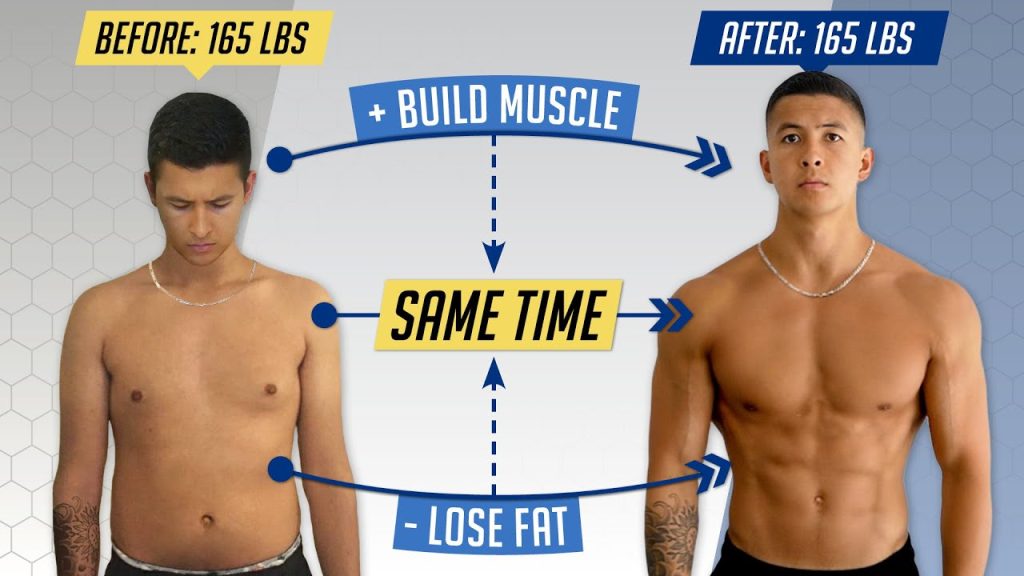
Have you ever noticed the number on the scale creeping up as you start hitting the gym more frequently? You might be wondering, “Do you gain weight when you build muscle?”
It’s a common question that many fitness enthusiasts and beginners alike face. The answer might surprise you and could completely change the way you view your fitness journey. Understanding the relationship between muscle gain and weight can empower you to make informed decisions about your health goals.
Stick around, because unraveling this mystery could be the key to achieving the body you’ve always dreamed of. Discover the truth behind muscle gain and weight, and learn how to track your progress in a way that truly reflects your hard work and dedication.
Muscle Vs. Fat: Understanding The Difference
Building muscle may increase weight due to muscle’s density compared to fat. Muscle growth often leads to a leaner appearance. Muscle weighs more than fat for the same volume. This weight gain reflects improved body composition, not fat increase. Understanding these differences helps track fitness progress accurately.
Muscle vs. Fat: Understanding the Difference Are you puzzled by the idea of gaining weight while getting fit? Understanding the difference between muscle and fat can help clear up this confusion. Building muscle is a positive change, but it often comes with shifts on the scale that might surprise you.Composition And Density
Muscle and fat differ significantly in their composition and density. Muscle tissue is dense, packed with fibers that allow it to perform physical activities. Fat, on the other hand, is less dense, storing energy for your body. Think of muscle as the engine of your body, driving strength and endurance. Fat acts more like a reserve tank, providing backup energy when needed. This difference in density means muscle takes up less space than fat, even though it may weigh more.Impact On Weight
As you build muscle, you might notice the numbers on the scale rising. This is a common experience that can lead to confusion or frustration. However, this weight gain doesn’t mean you’re getting “fatter.” Muscle mass contributes to your overall weight, but it also boosts your metabolism. More muscle means your body burns calories more efficiently, even at rest. Consider how your clothes fit or your energy levels rather than just the scale. Have you ever noticed your jeans fitting better after weeks of strength training, despite the scale showing a few extra pounds? This is your body transforming, exchanging fat for muscle. So, next time you see the scale tick upwards, ask yourself: are you feeling stronger, more energetic, and healthier? That’s the real transformation worth celebrating.
Credit: www.spren.com
The Science Of Muscle Growth
Understanding the science of muscle growth is essential for fitness enthusiasts. Muscle growth, or hypertrophy, happens when muscle fibers increase in size. This process can sometimes lead to weight gain. But why does this happen?
How Muscles Develop
Muscles develop through a series of physiological changes. When you exercise, your muscles undergo stress. This stress causes tiny tears in muscle fibers. These tears are repaired during rest periods. Your body uses protein to repair these tears, making the muscles stronger and larger.
Consistent exercise leads to more muscle fiber tears. Over time, these repairs accumulate, resulting in noticeable muscle growth. This growth can contribute to weight gain due to the increased muscle mass. Muscle tissue is denser than fat, which means it weighs more.
Factors Influencing Muscle Gain
Several factors influence muscle gain. Nutrition plays a vital role. Consuming enough protein is critical for muscle repair and growth. Without adequate protein, muscles cannot rebuild effectively.
Exercise type also affects muscle gain. Resistance training is particularly effective. It specifically targets muscle fibers, promoting their growth. The intensity and frequency of workouts impact results too. More intense and frequent workouts often lead to faster muscle development.
Genetics can influence muscle growth. Some people naturally build muscle more easily. Hormones such as testosterone also play a part. They enhance muscle protein synthesis, boosting muscle growth.
Weight Changes During Muscle Building
Building muscle is an exciting journey that can lead to noticeable changes in your body composition. But, have you ever stepped on the scale and felt puzzled by the numbers? If you’re lifting weights and eating right, you might expect the scale to show a decline. However, muscle building often leads to fluctuating weight. Let’s dive into the reasons behind these weight changes and what they mean for your fitness goals.
Scale Fluctuations
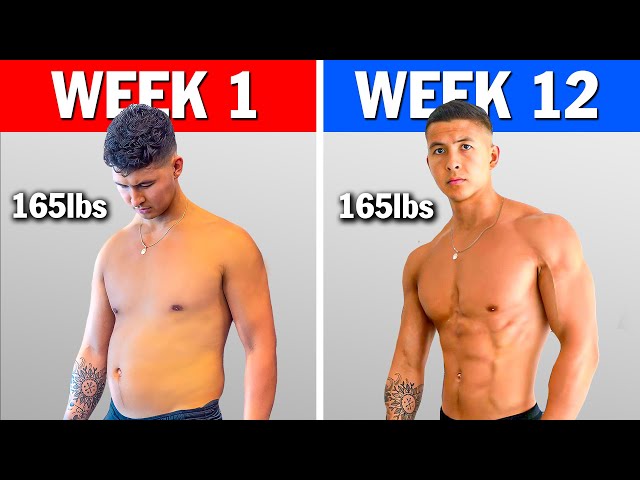
Watching the scale can feel like a rollercoaster. If you notice your weight going up, don’t panic. Muscle is denser than fat, meaning it can weigh more. So, while you’re losing fat and gaining muscle, the numbers on the scale might not drop as quickly as you hoped.
Water retention can also impact scale readings. After intense workouts, your muscles hold onto water to aid recovery, leading to temporary weight gain. This is perfectly normal and part of the process. If you’re focused solely on the scale, you might miss other signs of progress, like increased strength or improved endurance.
Short-term Vs. Long-term Weight
In the short term, you might see weight fluctuations due to muscle gain and water retention. These changes can happen rapidly, making the scale an unreliable measure of success. Focus instead on how your clothes fit or how you feel during workouts.
Long-term weight changes tell a different story. Building muscle increases your metabolism, helping you burn more calories even at rest. Over time, this can lead to a reduction in body fat, even if the scale doesn’t show a huge drop. Consider tracking your progress through photos or measurements for a clearer picture.
Have you ever wondered why we fixate on the scale? The truth is, numbers don’t define your progress. How you feel, both physically and mentally, paints a more accurate picture. Embrace the journey and celebrate the small victories along the way.
Credit: www.youtube.com
Diet And Nutrition
Building muscle is an exciting journey, but you might wonder if it leads to weight gain. Diet and nutrition play crucial roles in this process. Eating the right foods can help you build muscle without gaining excess fat. It’s all about making smart choices and understanding how your diet impacts your body.
Role Of Protein And Calories
Protein is your best friend when building muscle. It helps repair and grow your muscles after workouts. You should aim to include protein-rich foods like chicken, fish, and beans in your meals. But remember, you also need calories to fuel your workouts and muscle growth.
Don’t be afraid of calories. They’re not your enemy. You need them to power through workouts and recover afterwards. However, choosing the right type of calories is key. Focus on whole foods that provide energy without excess sugar or fat.
Balancing Macronutrients
Balancing macronutrients is essential for muscle building. You need a mix of protein, carbohydrates, and fats. Each plays a unique role in muscle growth and energy production.
Think of carbohydrates as your energy source. They fuel your workouts and help you recover faster. Whole grains, fruits, and vegetables are great choices. Fats, on the other hand, support hormone production and overall health. Avocados, nuts, and olive oil are excellent options.
Are you wondering if your diet is balanced enough? Consider tracking your intake for a few days. It might surprise you how much it can improve your muscle-building journey.
Your nutrition can make or break your progress. Are you eating enough protein? Are your calorie choices supporting your goals? Reflecting on these questions can lead to a more effective muscle-building strategy.
Exercise And Muscle Gain
Building muscle can lead to weight gain. This gain is often due to increased muscle mass. Muscle is denser than fat. So, as you build muscle, your body weight may increase. This is a healthy form of weight gain. Understanding exercise helps in effectively building muscle.
Types Of Exercises
Different exercises affect muscle building. Resistance training is essential. It involves lifting weights or using resistance bands. Bodyweight exercises are also effective. Push-ups, squats, and lunges build muscle. Cardiovascular exercises like running or cycling support muscle growth. They improve endurance and cardiovascular health.
Training Frequency And Intensity
Training frequency impacts muscle gain. Regular workouts are crucial. Aim for at least three sessions weekly. Intensity also matters. High-intensity workouts build muscle faster. Low-intensity workouts still provide benefits. Balance is key. Overtraining can lead to injuries. Rest and recovery are essential for muscle growth.
Common Myths
Building muscle often leads to confusion about weight gain. Many myths circulate, causing misunderstandings. Let’s explore some common myths and clear up the confusion.
Muscle Turns To Fat
Some believe muscle turns into fat if you stop exercising. This is not true. Muscle and fat are two different tissues. Muscle cannot transform into fat. Instead, muscle decreases with inactivity. Fat may increase if you consume more calories. It’s about lifestyle changes, not magical transformations.
Weight Gain Equals Fat Gain
Seeing the scale go up can be alarming. But weight gain doesn’t always mean fat gain. Muscle weighs more than fat. Building muscle can increase your weight. This is a healthy gain, not fat gain. Watch your body composition, not just the scale. Muscle gain offers strength and improves metabolism.
Monitoring Progress
Monitoring progress while building muscle is essential. It helps you stay motivated and focused on your goals. Many people worry about gaining weight during muscle growth. Understanding your body’s changes is crucial. Let’s explore effective methods for tracking your progress.
Using Body Measurements
Body measurements offer a clear picture of your progress. They help you see changes that the scale might not show. Measure your waist, hips, arms, and chest regularly. Keep a record to track changes over time. Use a measuring tape for accuracy. Compare measurements weekly to notice subtle changes. This method provides a comprehensive view of your physical development.
Tracking Performance Improvements
Performance improvements reveal more than just physical changes. Track your strength gains through lifts or exercises. Note the weights you lift or the reps you complete. Keep a workout journal to log these details. Celebrate small victories in your performance. Improvements in endurance and strength indicate muscle growth. This method goes beyond numbers on a scale.
Psychological Perspective
Building muscle often raises questions about weight gain. This isn’t just a physical journey. It also involves a psychological aspect. Understanding the mental side helps address concerns about body changes. Many fear gaining weight due to muscle growth. This fear can impact self-esteem and mental health. Let’s explore how building muscle affects our minds.
Body Image Impact
Body image changes with muscle growth. This can be positive or negative. Some people feel empowered by their new strength. They appreciate their body’s capabilities. Others might worry about size changes. This fear stems from societal norms. Many cultures idealize slim figures. This can create pressure and self-doubt. People might struggle with their new shape. It’s vital to focus on health, not just appearance.
Mental Health Benefits
Building muscle boosts mental health. Exercise releases endorphins. These chemicals make us feel good. They reduce stress and anxiety. Regular workouts improve mood. It also enhances self-confidence. Achieving fitness goals brings a sense of accomplishment. This boosts self-esteem. People often feel more in control of their lives. Muscle building can foster a positive mindset. It encourages discipline and perseverance. These are valuable life skills.

Credit: www.anytimefitness.com
Frequently Asked Questions
How Much Weight Do You Gain When You Build Muscle?
Muscle gain varies by individual. On average, expect to gain 1-2 pounds of muscle per month. Factors like diet, workout intensity, and genetics influence muscle growth. Consistent strength training and proper nutrition are essential for effective muscle building. Monitor progress to adjust your routine for optimal results.
Is It Normal To Gain Weight While Building Muscles?
Yes, gaining weight while building muscles is normal. Muscle growth often leads to increased weight. This occurs because muscle tissue is denser than fat. As your muscles develop, your body composition improves, even if the scale shows a higher weight.
Consistent workouts and proper nutrition support muscle gain.
Does Muscle Gain Lead To Weight Gain?
Yes, gaining muscle can increase your weight. Muscle is denser than fat, which means it weighs more. As you build muscle, your body composition changes. You may notice an increase on the scale. This is a healthy weight gain, as it reflects increased muscle mass, not fat.
How Does Muscle Growth Affect Body Weight?
Muscle growth can increase your body weight. As you exercise, muscles repair and grow stronger, adding mass. This increased muscle mass can lead to weight gain. However, it’s important to focus on body composition rather than just weight. Increased muscle mass improves metabolism and overall health.
Conclusion
Building muscle may lead to weight gain. This gain comes from increased muscle mass. Muscle weighs more than fat, but it’s healthier. You might feel stronger and more energetic. Clothes may fit differently. Monitor your progress using a tape measure, not just a scale.
Eating a balanced diet supports muscle growth. Stay active and enjoy the benefits. Remember, gaining muscle is a positive change. It boosts metabolism and improves overall health. Embrace the journey of building a stronger body. Celebrate your achievements. Every step counts towards a healthier you.