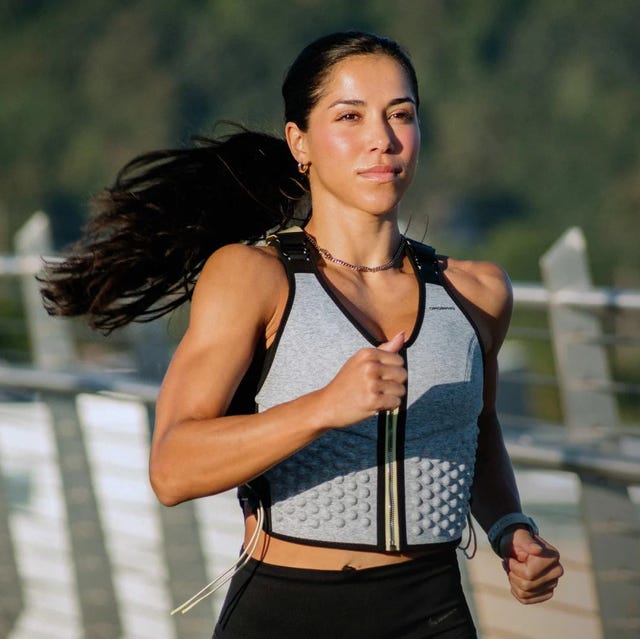
Imagine boosting your daily walk into a powerhouse workout that tones and strengthens your muscles. Walking with a weighted vest might just be your secret weapon to achieving this transformation.
You’re already familiar with the benefits of walking, but adding a weighted vest could take it to an entirely new level. Are you intrigued by the idea of building muscle while engaging in an activity you already enjoy? If so, this article is tailored for you.
We’ll explore how a simple addition to your routine could enhance your fitness journey, making those walks more rewarding and effective. Stick around to uncover whether this fitness hack can really help you build muscle and how you can start incorporating it into your daily life safely and effectively.

Credit: www.noahsnutrition.com
The Science Behind Weighted Vests
Walking with a weighted vest might seem like a straightforward fitness strategy, but there’s fascinating science behind how it impacts your body. Adding extra weight to your walk not only challenges your muscles but also enhances your cardiovascular system. So, how exactly does this simple addition to your workout routine help in building muscle?
The Role Of Resistance
When you wear a weighted vest, you add resistance to your body. This resistance forces your muscles to work harder, especially those in your legs and core. Imagine climbing a hill with a backpack full of books—your muscles have to exert more effort to move. This additional effort helps in building strength and endurance over time.
Progressive Overload
The principle of progressive overload is key in muscle building. By gradually increasing the weight in your vest, you push your muscles to adapt to new challenges. This adaptation leads to muscle growth. Think of it like adding an extra book to your backpack each week, making your climb a little tougher each time.
Enhanced Caloric Burn
Walking with a weighted vest increases the number of calories burned. Your body works harder to carry the extra weight, boosting your metabolism. This heightened metabolic rate contributes to muscle growth, as your body uses energy more efficiently. Do you feel your heart racing after a brisk walk with a weighted vest? That’s your body burning calories and building muscle.
Impact On Bone Density
Weighted vests can also positively impact your bone density. The added weight creates stress on your bones, encouraging them to strengthen. This is particularly beneficial as you age. A stronger skeletal structure supports muscle growth and overall health. Your bones are like the foundation of a house—the stronger they are, the better the house stands.
Practical Tips For Using A Weighted Vest
- Start with a light weight and gradually increase it to avoid injury.
- Ensure the vest fits snugly to prevent shifting during your walk.
- Use the vest consistently to see results over time.
- Pair walking with strength training exercises for balanced muscle development.
Have you ever wondered how a simple weighted vest can transform your walking routine into a muscle-building workout? Try incorporating it into your daily walks, and notice the difference in muscle tone and strength. The science behind it is straightforward, yet the results can be significant.
Muscle-building Potential
Walking with a weighted vest can be more than just a simple stroll; it holds the potential to build muscle. When you add extra weight to your body, your muscles have to work harder to move. This added resistance can lead to muscle growth over time. But what exactly happens to your muscles, and which ones are most affected by this practice? Let’s dive into the muscle-building potential of walking with a weighted vest.
Targeted Muscle Groups
Weighted vests primarily target your lower body muscles. Your quads, hamstrings, and calves are the main players here. As you walk, these muscles engage to support the additional weight.
But it doesn’t stop there. Your core also gets a workout. The vest forces your abdominal and back muscles to stabilize your body, enhancing strength and endurance.
As someone who tried this, I noticed my posture improved significantly. My back felt stronger, and my legs were more toned. Have you experienced this shift in your body?
Resistance Training Basics
Weighted vest walking introduces you to the world of resistance training. This form of exercise uses weights to challenge your muscles, encouraging them to grow.
The principle is simple: muscles need to be overloaded to grow. The vest adds resistance, making your muscles exert more effort with each step.
Think of it as a gentle yet effective way to incorporate strength training into your routine. You don’t need a gym membership to start building muscle.
Walking with a weighted vest can be a straightforward addition to your daily routine. You might be surprised at how this simple change can impact your overall fitness.
Have you ever considered the potential of your daily walk? Could adding a weighted vest be your next step towards stronger muscles?
Cardiovascular Benefits
Walking with a weighted vest is more than muscle building. It offers cardiovascular benefits that can enhance your fitness routine. The extra weight increases heart rate and pushes your body to work harder. This can lead to several health benefits, including increased caloric burn and improved endurance.
Increased Caloric Burn
A weighted vest makes walking more intense. Your body uses more energy to carry the extra weight. This can lead to more calories burned. If you want to lose weight, this helps. The increased effort also boosts metabolism. This can support weight loss goals and improve overall health.
Improved Endurance
Walking with a weighted vest challenges your heart and lungs. The added weight requires your cardiovascular system to work harder. This can improve endurance over time. You may notice longer walks become easier. Stronger lungs and heart improve stamina. This benefits daily activities and other workouts.

Credit: www.womenshealthmag.com
Bone Density And Joint Health
Walking with a weighted vest can be more than just a muscle-building exercise; it can also enhance your bone density and joint health. As you age, maintaining strong bones and healthy joints becomes crucial. You might wonder how something as simple as walking with extra weight can benefit your bones and joints. Let’s break it down.
Bone Density: Strengthening Your Foundation
Carrying extra weight forces your bones to adapt. When you walk with a weighted vest, your bones experience increased pressure, prompting them to become denser and stronger. This process is known as bone remodeling.
Think of it as a gradual construction project for your skeleton. Just like lifting weights, the added resistance encourages your bones to build up their strength. Over time, this can lead to improved bone density, potentially reducing the risk of osteoporosis.
Joint Health: Keeping You Agile
Weighted walking doesn’t just affect your bones; it also impacts your joints. As you move, the extra weight helps stabilize your joints, promoting better alignment. This can lead to improved joint health and reduce wear and tear.
Imagine walking on a path where each step strengthens your joints rather than wearing them down. With regular practice, you might notice improved flexibility and reduced joint pain. It’s a simple way to support your long-term mobility.
Practical Tips: Getting Started With A Weighted Vest
- Start light: Begin with a vest that adds 5-10% of your body weight.
- Listen to your body: Pay attention to any discomfort in your bones or joints.
- Gradually increase weight: As your body adapts, consider adding more weight.
- Maintain proper posture: Ensure your back is straight and shoulders are relaxed.
Are you ready to give your bones and joints the attention they deserve? Walking with a weighted vest might be the simple, yet effective solution you’ve been searching for.
Enhancing Workout Efficiency
Walking with a weighted vest can boost muscle growth. The added weight increases resistance, engaging muscles more than regular walking. This simple change in routine may help strengthen and tone your body effectively.
Enhancing workout efficiency is a goal for anyone looking to make the most out of their fitness routine. You might wonder how to push your limits without spending hours at the gym. Walking with a weighted vest could be your answer. It challenges your body in new ways, helping you make every step count.Incorporating Into Routine
Adding a weighted vest to your walking routine doesn’t mean you need to overhaul your entire workout plan. Start small; wear the vest during your usual walk around the neighborhood. Notice how even a small weight increase can make your muscles work harder. Consistency is key. Wear the vest regularly to get your body used to the extra weight. Over time, you’ll likely see improvements in strength and endurance without the need for drastic changes.Maximizing Time And Effort
Are you making the most of your workout time? A weighted vest can help you do just that. It adds resistance, turning a simple walk into a more intense workout. Consider this: while walking without a vest may take longer to see results, adding weight can speed up muscle building. This means you can achieve more in less time. Imagine feeling stronger and fitter without doubling your workout hours. How can you make your workouts more effective? By using tools like a weighted vest, you can maximize every minute, ensuring that your efforts yield the results you desire.Choosing The Right Vest
Walking with a weighted vest can enhance muscle endurance, stimulating muscle growth over time. This added resistance intensifies the workout, potentially leading to increased muscle mass. Selecting the right vest is crucial for comfort and safety during exercise.
When considering adding a weighted vest to your walking routine, choosing the right vest is crucial. The right vest can enhance your workout, helping you build muscle effectively. But how do you know which vest is right for you? Let’s break it down into key factors to consider.Weight Considerations
Start by deciding how much weight you want to carry. It’s tempting to go for a heavier vest, thinking it will yield better results. However, too much weight can strain your joints and muscles, leading to injury. Begin with a lighter vest and gradually increase the weight as your body adapts. A vest with adjustable weights offers flexibility, allowing you to modify your workout intensity. This adaptability is essential for progress and avoiding plateaus. Think about your current fitness level. If you’re new to using weighted vests, you might start with a vest weighing 5-10% of your body weight. As you become more comfortable, you can increase the weight to challenge your muscles further.Material And Design
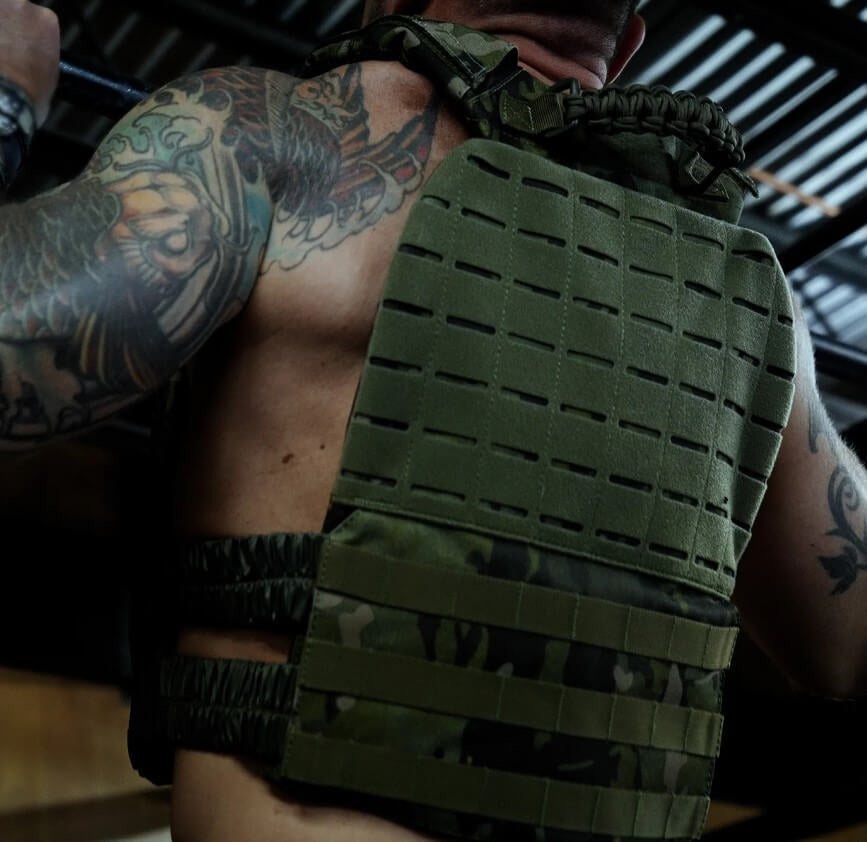
Comfort is key when wearing a weighted vest. Look for materials that are breathable and durable, ensuring the vest can withstand regular use. A vest that traps heat can make your workout uncomfortable, so opt for one with mesh or moisture-wicking fabric. Consider the vest’s design. Does it fit snugly against your body without restricting movement? A well-fitted vest should not bounce or shift as you walk. This stability prevents chafing and allows for a more natural movement. Check for padded straps and adjustable buckles. These features can significantly enhance comfort and ensure a secure fit. A comfortable vest means you’re more likely to stick with your walking routine and see results. Have you ever tried a weighted vest that felt like a burden rather than a benefit? Choosing wisely can make all the difference. Remember, the goal is to enhance your workout, not to make it a struggle.Safety And Precautions
Walking with a weighted vest can be a great way to build muscle. But safety should always be a priority. Using a weighted vest incorrectly may lead to injury. Therefore, learning proper techniques is essential. This section will guide you through safe practices.
Proper Usage Techniques
Start with a vest that fits snugly. It shouldn’t bounce as you walk. Add weights gradually. Begin with a light load and increase as you grow stronger. Focus on maintaining good posture. Keep your back straight and shoulders relaxed. Walking on flat surfaces is safer for beginners. Always listen to your body. If you feel discomfort, stop immediately.
Avoiding Injury
Pay attention to your body signals. Pain is a warning sign. Don’t ignore it. Wear supportive shoes to cushion your steps. Consider seeking advice from a fitness professional. They can provide personalized guidance. Warming up before wearing the vest is crucial. A proper warm-up prepares your muscles for the added weight. Stay hydrated throughout your workout. Proper hydration supports muscle function.
Credit: www.kettlebellkings.com
Real-life Success Stories
Walking with a weighted vest has become popular for muscle building. People share inspiring stories of strength and transformation. Real-life examples show how this simple exercise can lead to significant muscle growth.
Meet John: From Average To Athletic
John was an average guy with a regular routine. He wanted to build muscle and improve his fitness. He started walking daily with a weighted vest. Over time, he noticed his muscles becoming more defined. His stamina improved. He became more athletic and confident.
Sarah’s Journey: A Boost To Endurance
Sarah always struggled with endurance. She added a weighted vest to her walks. This small change made a big difference. Her muscle strength increased. Her endurance levels soared. Walking with a weighted vest gave her the edge she needed.
Mike’s Transformation: Muscle And Motivation
Mike found exercise boring. He needed a new challenge. Walking with a weighted vest transformed his routine. He felt stronger and more motivated. His muscles grew visibly stronger. It was the push he needed to stay fit.
Lisa’s Story: Building Confidence And Strength
Lisa lacked confidence in her physical abilities. She tried walking with a weighted vest. It helped her build muscle and gain confidence. Her strength increased, and she felt more capable. It changed how she viewed exercise and herself.
David’s Experience: Simple Changes, Big Results
David wanted a simple way to build muscle. He started using a weighted vest. His muscles responded positively. His fitness levels improved significantly. Walking with a weighted vest proved effective for his goals.
Frequently Asked Questions
Is It Good To Wear A Weighted Vest When Walking?
Wearing a weighted vest while walking can enhance calorie burn and improve endurance. It adds resistance, boosting cardiovascular benefits. Start with a lighter vest to avoid strain and gradually increase weight. Consult a doctor if you have health concerns to ensure safety.
Will A Weighted Vest Help Me Build Muscle?
Yes, wearing a weighted vest can help build muscle. It increases resistance during exercises, enhancing strength and muscle growth. Ensure proper form and gradually increase weight to prevent injury. Integrate it into your workout routine for better results.
Does A Weighted Vest Increase Muscle Mass?
Wearing a weighted vest can enhance muscle strength and endurance. The added weight challenges your muscles more than regular walking. This can lead to increased muscle engagement and growth. However, for significant muscle mass increase, combine vest walking with strength training exercises.
How Often Should You Walk With A Weighted Vest?
Start with 2-3 times per week to allow your body to adapt. Gradually increase frequency based on comfort and goals. Ensure rest days to prevent overuse injuries and promote muscle recovery. Listen to your body and adjust as needed for optimal results.
Conclusion
Walking with a weighted vest can support muscle growth. It adds extra resistance. This resistance helps muscles work harder. Over time, strength improves. It’s an easy way to enhance your routine. Suitable for various fitness levels. Remember to start light.
Gradually increase the weight. Listen to your body. Safety comes first. Pair with a balanced diet and regular exercise. This approach yields better results. Walking with a weighted vest isn’t a quick fix. Consistency is key. With patience, you’ll see benefits.
Try it and enjoy the journey to stronger muscles.