Are you struggling to shed those stubborn pounds while trying to carve out lean muscle? You’re not alone.
The quest to burn fat and build muscle can feel like a never-ending battle. But what if you could discover a diet that not only helps you achieve these goals but also fits seamlessly into your lifestyle? Imagine seeing real results, feeling more confident, and finally unlocking the body you’ve always dreamed of.
We’ll delve into a diet plan designed specifically to torch fat and sculpt muscle, tailored just for you. Stick around to learn how simple dietary tweaks can transform your body and boost your energy levels like never before. Don’t miss out on the secrets to achieving your fitness dreams!
Nutrition Basics
Achieving the perfect balance between burning fat and building muscle is often seen as the holy grail of fitness goals. But what if I told you that the secret lies in understanding nutrition basics? With the right knowledge, you can tailor your diet to fuel your workouts, support recovery, and promote a lean, muscular physique. Let’s dive into the essentials of nutrition that can transform your fitness journey.
Macronutrients Overview
Macronutrients are the cornerstone of your diet. They include proteins, carbohydrates, and fats. Each plays a crucial role in your fitness success.
Proteins are your muscle’s best friend. They repair tissues and support muscle growth. Think lean meats, eggs, and legumes.
Carbohydrates are your energy source. Opt for complex carbs like sweet potatoes and brown rice. They provide sustained energy for workouts.
Fats are often misunderstood. Healthy fats like avocados and nuts are vital for hormone balance and energy.
Tracking your macronutrient intake can make a significant difference. Have you ever wondered why some diets fail? It’s often due to imbalance in these essential nutrients.
Role Of Micronutrients
Micronutrients might be small, but their impact is mighty. Vitamins and minerals support your body’s daily functions.
Vitamin D and calcium are crucial for bone health and muscle function. You can find them in dairy or fortified foods.
Iron and magnesium play a role in energy production and muscle contraction. Leafy greens and nuts are great sources.
Neglecting micronutrients can stall your progress. Ever felt fatigued despite a good diet? Micronutrient deficiency might be the culprit.
How often do you consider your vitamin and mineral intake? Ensuring you’re getting enough can elevate your fitness results.
Understanding nutrition basics isn’t just about knowing what to eat—it’s about knowing why you eat it. By focusing on both macro and micronutrients, you can create a diet that supports your fitness goals and keeps you energized. So next time you plan your meals, ask yourself: are you feeding your body what it truly needs to burn fat and build muscle?
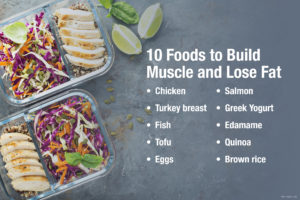
Credit: www.lakeforesthfc.com
Protein Power
Protein Power:Protein is essential for building muscle and burning fat. It fuels your body and helps repair tissues. Every fitness journey requires a solid protein intake. Get ready to discover why protein matters and where to find it.
Importance Of Protein
Protein helps build and repair muscles. It’s crucial for muscle growth. Without enough protein, muscle recovery slows down. Protein also keeps you full. It curbs hunger and supports weight loss. Essential amino acids in protein boost metabolism. They help burn fat more efficiently.
Protein balances blood sugar levels. This reduces cravings for unhealthy snacks. It plays a vital role in hormone production. Hormones regulate muscle growth and fat burning. Protein supports the immune system, keeping you healthy and strong.
Best Sources Of Protein
Chicken breast is a top choice. It’s lean and packed with protein. Eggs are versatile and easy to prepare. They contain essential amino acids. Fish like salmon and tuna are rich in protein. They also provide healthy fats.
Beans and legumes offer plant-based protein options. They’re great for vegetarians. Greek yogurt is creamy and high in protein. It’s perfect for snacks or breakfast. Nuts and seeds are protein-rich. They provide energy and healthy fats.
Quinoa is a complete protein. It contains all essential amino acids. Tofu is a favorite among vegans. It’s adaptable and protein-rich. Choose protein sources that fit your lifestyle. Eating a variety ensures a balanced diet.
Carbohydrates For Energy
Carbohydrates are essential for those aiming to burn fat and build muscle. They provide the energy needed for workouts and recovery. Choosing the right type of carbs can impact your fitness journey significantly. Not all carbs are the same. Understanding their differences helps in planning a balanced diet.
Complex Vs Simple Carbs
Complex carbs include whole grains, vegetables, and legumes. They digest slowly, providing sustained energy. This makes them ideal for long workouts. Simple carbs, like sugar and white bread, digest quickly. They give a quick energy boost. But this energy doesn’t last long. Choose complex carbs for a steady energy supply.
Timing And Quantity
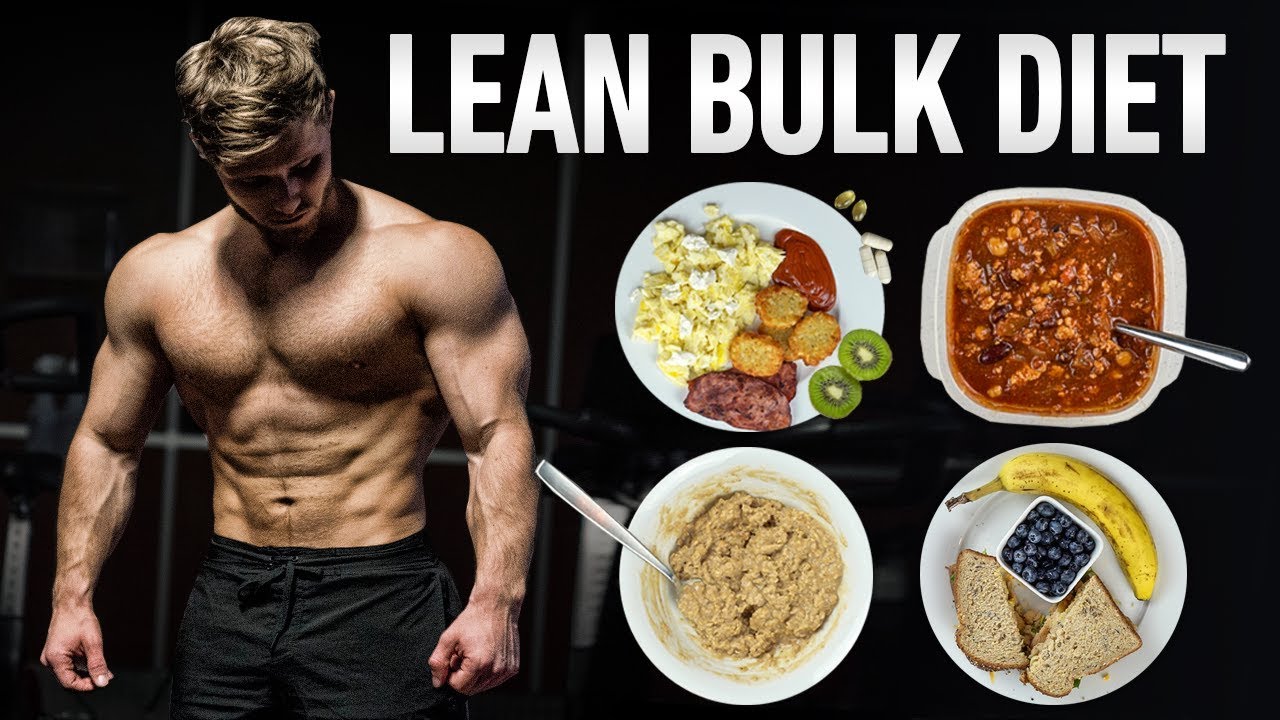
The timing of carb intake affects energy levels. Eating carbs before a workout fuels your muscles. It prepares your body for intense exercise. After a workout, carbs help replenish energy stores. This aids in recovery and muscle growth. The quantity of carbs depends on your activity level. More active individuals need more carbs. Balance is key. Too many carbs can lead to fat gain. Too few can leave you feeling tired.
Credit: m.youtube.com
Healthy Fats
Embracing healthy fats can transform your fitness journey. They are essential for burning fat and building muscle. Fats can fuel workouts, support recovery, and enhance overall health. Many people fear fats, but the right kinds can be very beneficial.
Types Of Fats
Fats fall into three main categories: saturated, unsaturated, and trans fats. Saturated fats are found in animal products like meat and dairy. Unsaturated fats come from plants and fish. They include monounsaturated and polyunsaturated fats.
Trans fats are artificial and found in processed foods. Unsaturated fats are the healthiest choice. These fats support heart health and muscle growth. Include them in your diet regularly.
Benefits Of Fats
Healthy fats help absorb vitamins and minerals. They support brain function and hormone production. Fats boost energy levels, making workouts more effective. They aid in reducing inflammation, speeding up recovery.
Fat also helps you feel full longer. This prevents overeating, aiding weight control. Including healthy fats in your diet brings many benefits. They improve performance and support muscle building.
Meal Planning Strategies
Crafting a diet to burn fat and build muscle involves smart meal planning. Focus on protein-rich foods like chicken and fish. Include whole grains and vegetables for balanced nutrition. Plan meals to fit your daily routine and fitness goals. Stay consistent and track progress for the best results.
Creating a well-structured meal plan is crucial for those aiming to burn fat and build muscle. It requires a thoughtful balance of nutrients and a clear understanding of what your body needs to achieve these fitness goals. While this may sound daunting, with the right strategies, you can craft a meal plan that not only supports your goals but is also easy to follow and enjoyable. Imagine seeing the results of your hard work without feeling deprived or overwhelmed.Balancing Macronutrients
A successful meal plan starts with balancing macronutrients: proteins, carbohydrates, and fats. Protein is vital for muscle repair and growth, so aim for lean sources like chicken breast, tofu, or fish. Carbohydrates provide the energy you need for workouts. Opt for complex carbs such as brown rice, quinoa, and sweet potatoes, which offer sustained energy. Healthy fats, like those found in avocados and nuts, support hormone regulation and should not be overlooked. Consider how your meals can incorporate each macronutrient to fuel your body effectively.Sample Meal Plans
Here’s a practical look at what a balanced day of eating might look like: – Breakfast: Scrambled eggs with spinach and whole-grain toast – Snack: Greek yogurt with a handful of almonds – Lunch: Grilled chicken salad with mixed greens and olive oil dressing – Snack: Apple slices with peanut butter – Dinner: Baked salmon with quinoa and steamed broccoli This meal plan covers all essential macronutrients and offers a variety of flavors to keep things interesting. Have you thought about how you can tweak these examples to fit your own preferences? Maybe adding a sprinkle of herbs or a different protein source can make these meals more to your liking. The key is consistency and enjoying what you eat. Remember, it’s not just about the food, but how you feel while nourishing your body.Supplements For Support
Supplements for support can enhance a diet focused on burning fat and building muscle. They provide essential nutrients that aid muscle growth and improve fat metabolism. Integrating supplements into your routine can boost energy levels and optimize workout results.
Embarking on a fitness journey to burn fat and build muscle can be challenging. Alongside a balanced diet and consistent workouts, supplements can offer significant support. They can help you fill nutritional gaps, enhance performance, and speed up recovery. But with a sea of options out there, how do you know which ones are worth your time and money? Let’s break it down.Common Supplements
Many people swear by protein powder as a staple in their regimen. It’s an easy way to meet your protein needs, essential for muscle repair and growth. Then there’s creatine, known for boosting strength and energy during workouts. BCAAs (branched-chain amino acids) are popular too, especially for those aiming to reduce muscle soreness post-exercise. Pre-workout supplements can also provide that extra energy kick to power through your sessions. But what about fat burners? These are often marketed for weight loss, but be cautious. Their effectiveness varies, and they aren’t a substitute for a good diet and exercise.Effectiveness And Safety
Before you start any supplement, research its effectiveness. Look for studies or reviews that back up claims. For instance, creatine is one of the most researched supplements, proving its effectiveness in improving strength and muscle mass. Safety should be your top priority. Not all supplements are regulated, so choose reputable brands. Check for third-party testing to ensure quality and purity. Also, consider potential side effects. For example, some fat burners contain stimulants like caffeine, which might affect your sleep or increase anxiety. Have you ever tried a supplement that didn’t work or caused side effects? You’re not alone. Always consult with a healthcare professional before adding anything new to your diet. It’s crucial to ensure it aligns with your health goals and current medical conditions. Ultimately, supplements can be helpful allies in your fitness journey. But they should complement your diet and exercise, not replace them. Are you ready to take your routine to the next level with informed choices?Hydration Importance
Proper hydration plays a vital role in a diet focused on burning fat and building muscle. It aids in muscle recovery, supports metabolism, and helps maintain energy levels during workouts. Drinking enough water ensures your body functions optimally, aiding in effective fat loss and muscle gain.
Hydration plays a crucial role in your journey to burn fat and build muscle. Staying well-hydrated impacts everything from your energy levels to how efficiently your body functions during workouts. It’s not just about quenching your thirst; it’s about optimizing your body’s performance and recovery.Water And Muscle Growth
Water is essential for muscle growth. It helps transport nutrients to your muscles, aiding in their repair and growth. When you’re dehydrated, your muscles can’t perform at their best. During intense workouts, your muscles generate heat. Water helps regulate your body temperature, allowing you to push through those challenging reps. It also maintains the balance of electrolytes, which are crucial for muscle contractions. Imagine lifting weights with half the energy you usually have—it’s not ideal, right? Staying hydrated ensures you have the stamina and strength needed to maximize your gains.Signs Of Dehydration
Recognizing dehydration is key to maintaining your workout efficiency. Common signs include fatigue, dizziness, and dark yellow urine. If you notice these, it’s time to increase your water intake. Muscle cramps are another red flag. They can occur if your body lacks sufficient water and electrolytes. This can hinder your progress and even lead to injury. Are you feeling unusually tired or struggling to concentrate during your gym sessions? This might be your body signaling that it’s time for a hydration boost. Keep a water bottle handy and make drinking a regular habit. Hydration is not just a part of your diet; it’s a foundation of your fitness journey. How often do you check your hydration levels? Make it a priority, and watch your performance elevate to new heights.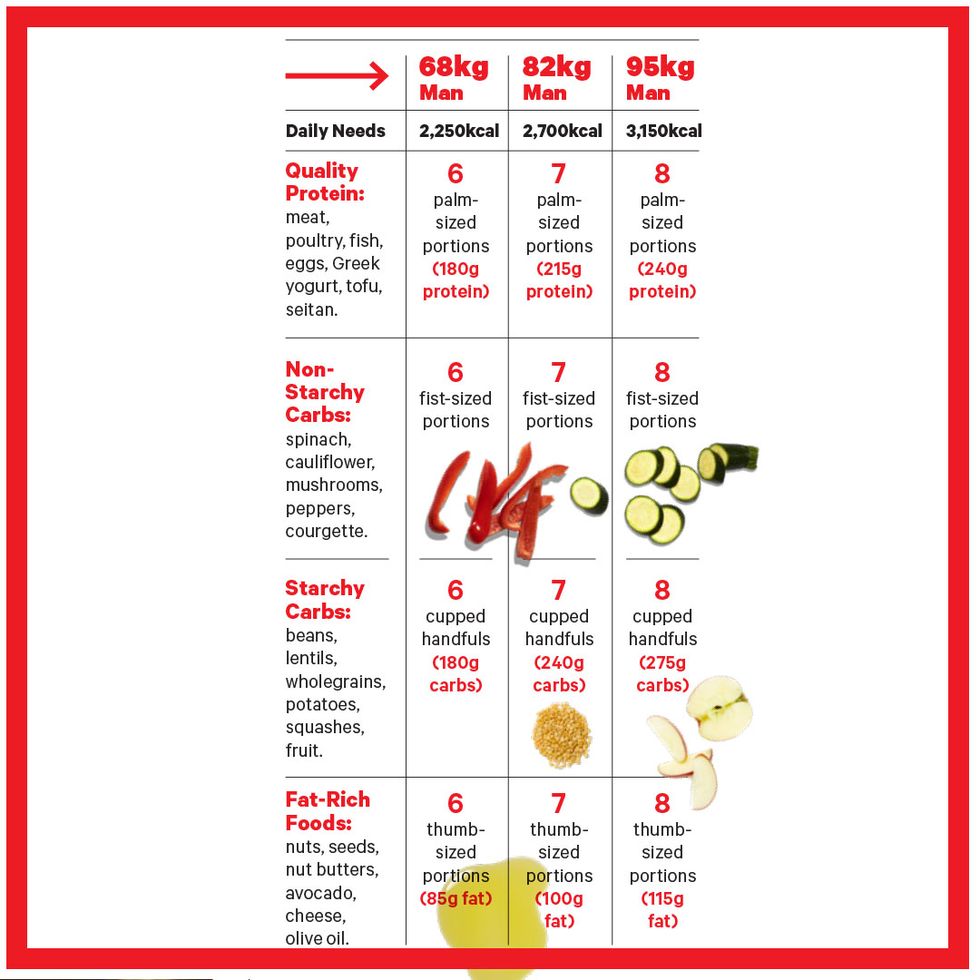
Credit: www.menshealth.com
Exercise And Diet Synergy
When you’re working to burn fat and build muscle, the synergy between exercise and diet is crucial. It’s not just about sweating it out at the gym or following a strict meal plan. It’s about how these elements interact and enhance each other to optimize your body’s performance and results. Understanding this synergy can be a game-changer in your fitness journey.
Impact Of Exercise On Diet
Exercise influences your diet more than you might think. When you engage in physical activities, your body demands more nutrients to repair muscles and replenish energy. This means your diet needs to be rich in proteins, healthy fats, and carbohydrates.
Post-workout hunger is a real phenomenon. You burn calories and break down muscle fibers, creating a need for nutrient-rich meals. If you’ve ever finished a workout and craved a hearty meal, you’ve felt this impact firsthand.
Think about how your body responds after a run or lifting weights. It’s your body’s way of saying, “Feed me the right fuel to recover and grow stronger.” Are you listening to it?
Adjusting Diet For Workouts
Your diet should complement your exercise routine. If you’re lifting weights, you need more protein to support muscle growth. Cardio workouts might require more carbohydrates for energy.
Consider your workout schedule. If you exercise in the morning, a protein-rich breakfast can boost your energy levels throughout the day. Evening workouts might benefit from a balanced dinner, ensuring your body has enough fuel to perform and recover.
Experiment with different foods before and after workouts. You might find bananas give you a quick energy boost, while a chicken salad aids in recovery. What fuels your best performance?
Making adjustments might seem daunting, but start small. Swap out one meal component, like adding a scoop of protein powder to your smoothie or opting for brown rice instead of white. Notice the difference in your energy levels and muscle gains.
Exercise and diet synergy is about listening to your body. Pay attention to how different foods affect your workouts and recovery. The right balance can elevate your fitness journey, helping you achieve the goals you set for yourself. Are you ready to make that change?
Tracking Progress
Achieving a balanced diet is key for burning fat and building muscle. Monitor calorie intake and protein levels regularly. Adjust meals and workouts based on progress to stay on track with fitness goals.
Tracking your progress when aiming to burn fat and build muscle is crucial. It helps you understand what’s working and what isn’t. You get a clear picture of your journey, allowing you to make informed decisions. Without proper tracking, you might feel stuck, wondering why your efforts aren’t showing results.Monitoring Changes
Monitoring changes in your body can be eye-opening. Begin by taking photos of yourself from various angles. Weekly snapshots can reveal shifts that the scale might miss. Consider keeping a journal to jot down measurements and how your clothes fit. This helps keep track of those subtle changes that are easy to overlook. Feel free to share your experiences with others for motivation. Have you noticed your energy levels fluctuating? These insights can push you forward, reminding you of every inch you’ve gained and every pound you’ve lost.Adjusting Diet For Results
Tracking progress isn’t just about noting changes; it’s about using that data to make adjustments. If your goal is to build muscle, you might need more protein in your diet. Notice your energy dipping during workouts? Perhaps your carb intake needs a boost. Evaluate the variety and quality of the foods you’re consuming. A friend once shared how switching from processed to whole foods accelerated his muscle gain. Are you seeing the results you want? If not, try altering portion sizes or meal timings. Remember, your body is unique, so experiment to find what best suits you. Making these dietary adjustments can significantly impact your progress.Frequently Asked Questions
What Diet Builds Muscle And Burns Fat?
A balanced diet rich in lean proteins, healthy fats, and complex carbohydrates helps build muscle and burn fat. Include foods like chicken, fish, eggs, quinoa, nuts, and leafy greens. Stay hydrated and avoid processed foods. Regular exercise complements dietary efforts for optimal muscle growth and fat loss.
Can A Person Lose Fat And Build Muscle At The Same Time?
Yes, it’s possible to lose fat and build muscle simultaneously. Focus on strength training and a balanced diet. Consume enough protein and maintain a slight calorie deficit. Prioritize sleep and manage stress for optimal results. Consistency and patience are key to achieving body recomposition goals.
What Should I Eat To Lose Muscle And Fat?
Consume lean proteins, vegetables, and whole grains. Reduce processed foods, sugars, and unhealthy fats. Maintain a calorie deficit for fat loss. Stay hydrated and practice portion control. Focus on balanced meals to support overall health.
What Should A Woman Eat To Lose Belly Fat And Gain Muscle?
Eat lean proteins like chicken, fish, and tofu. Incorporate whole grains, vegetables, and fruits for nutrients. Include healthy fats from avocados and nuts. Drink plenty of water and avoid processed foods. Maintain a calorie deficit to lose fat while supporting muscle growth with protein-rich foods and strength training exercises.
Conclusion
Crafting a diet for burning fat and building muscle is essential. Balance is key. Include lean proteins, healthy fats, and complex carbs. Hydration matters too. Drink plenty of water daily. Consistency brings results. Stick to your plan and track progress.
Listen to your body. Adjust as needed. Small changes make a big difference. Aim for sustainable habits. Remember, patience is important. Results take time. Enjoy the journey to a healthier you. This diet supports both fitness and well-being. Stay motivated and focused.
Your goals are within reach. Keep pushing forward!