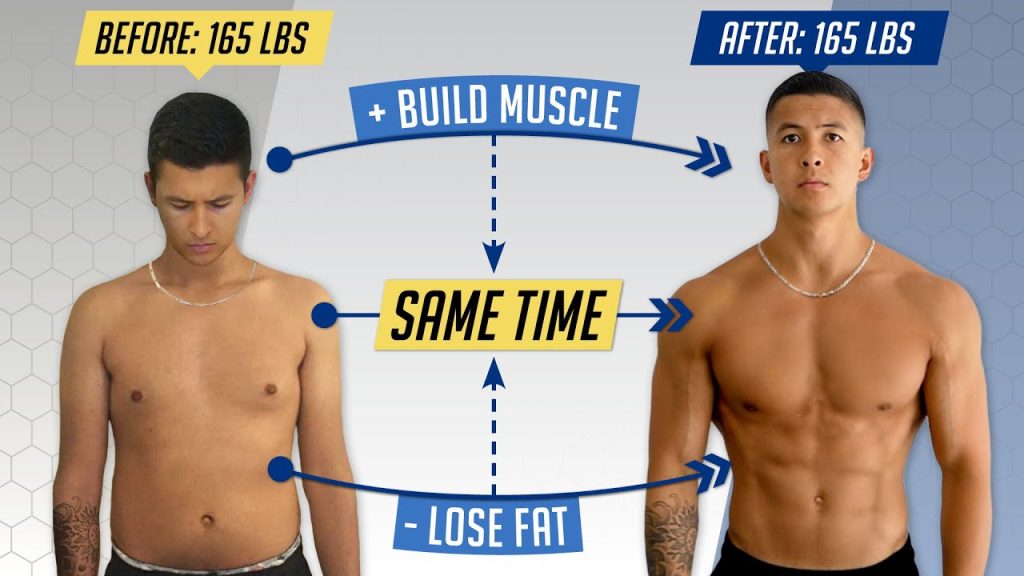
Imagine being able to transform your body by building muscle while simultaneously shedding fat. Sounds like a dream, right?
But it’s not just possible—it’s within your reach. You might have heard conflicting advice about focusing on either building muscle or losing fat, but what if you could achieve both at the same time? This article is your guide to unlocking that potential.
You’ll discover simple, effective strategies that can help you achieve your fitness goals faster than you thought possible. Are you ready to learn the secrets that fitness experts swear by? Keep reading to find out how you can start seeing real changes in your body and boost your confidence like never before.
Credit: redefiningstrength.com
The Science Of Body Recomposition
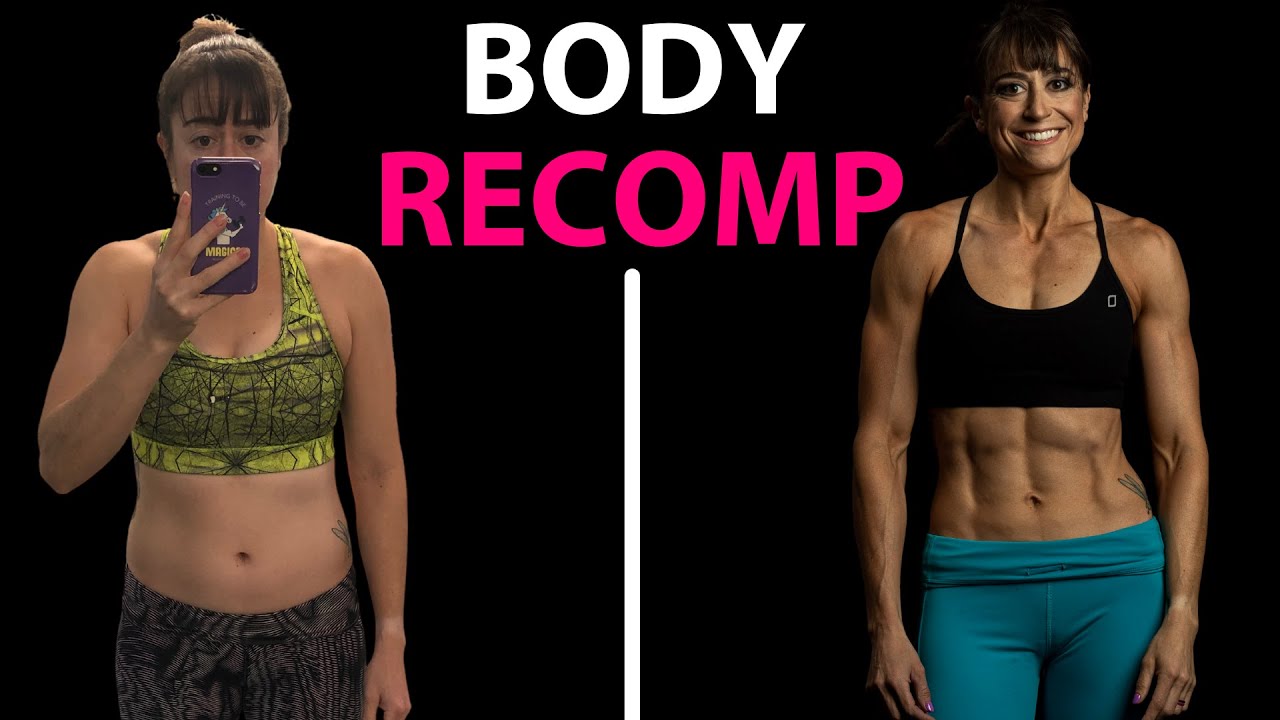
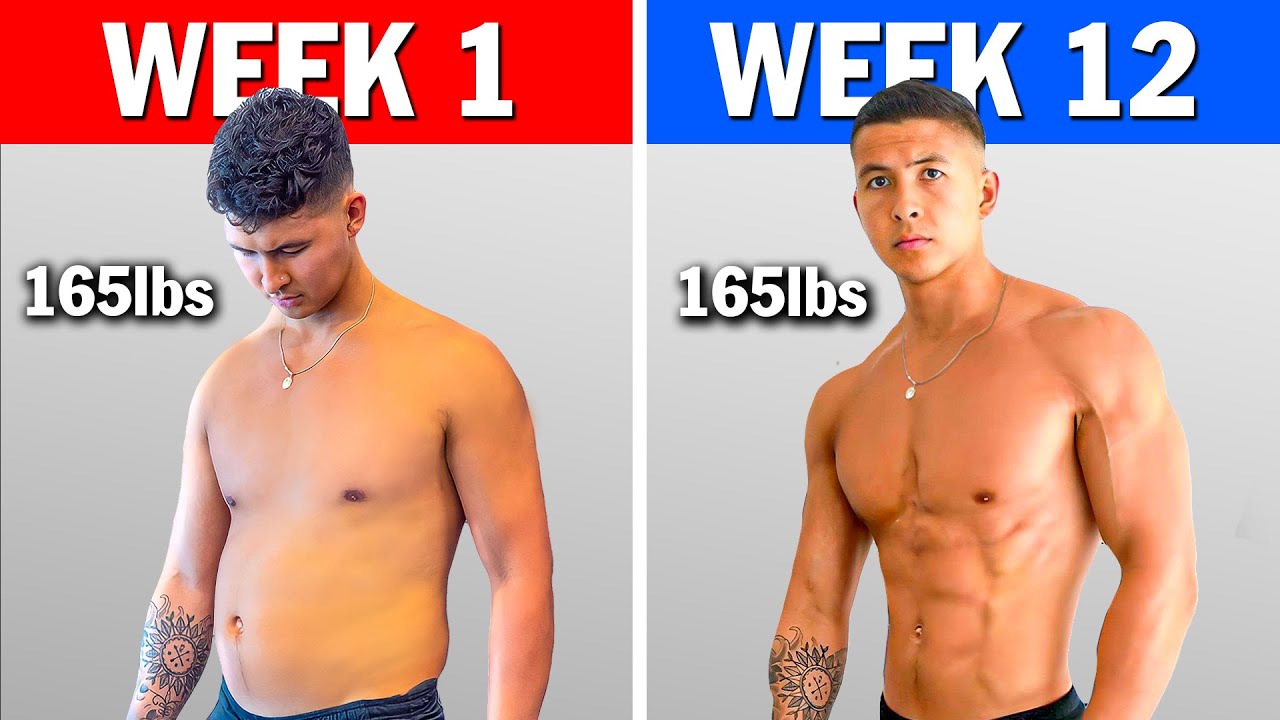
Building muscles and losing fat seem like opposite goals. Yet, body recomposition makes achieving both possible. It’s a process where you gain muscle mass while shedding fat. Understanding the science helps make this journey smoother.
Body recomposition requires a balance of nutrition and exercise. It’s not about just losing weight. It’s about changing the body’s composition. This means increasing muscle while decreasing fat.
Understanding Caloric Balance
Caloric balance plays a crucial role. Eating fewer calories than you burn helps lose fat. But for muscle growth, you need enough calories. The trick is finding the right balance. A slight calorie deficit works best.
The Role Of Protein
Protein is vital for muscle growth. It repairs and builds muscle tissues. High-protein diets support muscle gain. Aim for protein-rich foods like chicken, fish, and beans. Protein helps you feel full too, aiding fat loss.
Importance Of Resistance Training
Resistance training is key for building muscles. It involves lifting weights or using resistance bands. This training creates small tears in muscles. As they heal, muscles grow stronger and bigger. Resistance training also burns calories, assisting in fat loss.
Consistency And Patience
Body recomposition is not a quick process. Consistency in workouts and diet is essential. Results might take time, but patience pays off. Keep track of progress to stay motivated.
Nutrition Basics
Discover the power of balanced nutrition to build muscles and lose fat. Focus on protein-rich foods and healthy fats. Combine strength training with a calorie-controlled diet for effective results.
Building muscles while losing fat might sound like an impossible task, but with the right nutritional strategy, it’s entirely achievable. Nutrition forms the backbone of your fitness journey. The food you eat fuels your workouts and affects your progress. Understanding the basics of nutrition can help you make informed choices that lead to better results. Let’s break down the essential elements you need to focus on: caloric intake, macronutrient balance, and meal timing.Caloric Intake
To build muscle and lose fat, you need to manage your caloric intake carefully. You might think cutting calories drastically is the way to go. However, this can lead to muscle loss and fatigue. Your goal should be to create a slight caloric deficit. This means consuming fewer calories than you burn, but not so few that your body starts breaking down muscle for energy. A simple way to start is by tracking your daily calorie consumption using a fitness app. This keeps you accountable and helps you adjust your intake based on your activity level.Macronutrient Balance
Macronutrients—carbohydrates, proteins, and fats—play a significant role in muscle building and fat loss. Proteins are crucial for muscle repair and growth. Aim for a protein-rich diet with sources like chicken, fish, or plant-based options like lentils. Carbohydrates are your body’s primary energy source. Opt for complex carbs like whole grains and vegetables that provide sustained energy. Fats shouldn’t be feared; they are essential for hormone production, which is vital for muscle growth. Include healthy fats like avocados and nuts in your diet.Meal Timing
When you eat can be as important as what you eat. Meal timing can optimize your energy levels and muscle recovery. Eating a protein-rich meal within an hour of your workout aids muscle repair and growth. Consider spacing your meals evenly throughout the day to maintain energy levels and prevent overeating. Reflect on this: when was the last time you felt truly energized throughout the day? Adjusting meal timing might be your key to unlocking consistent energy and better results. Nutrition is not just about eating; it’s about eating smart. Little adjustments can lead to significant changes. What will your next meal choice be? Choose wisely and watch your goals become reality.Effective Workout Strategies
Building muscles and losing fat simultaneously might seem like a fitness puzzle, but it’s entirely possible with effective workout strategies. Combining the right exercises can transform your body, helping you achieve the lean, muscular physique you’ve always wanted. It’s about smart planning and consistency. Let’s dive into how you can make this happen.
Strength Training
Strength training is your best ally for muscle growth. Lifting weights not only builds muscle but also boosts your metabolism. This means you burn more calories, even when resting. Start with compound exercises like squats, deadlifts, and bench presses. These engage multiple muscle groups, maximizing your workout efficiency.
Focus on progressive overload. Gradually increase the weight you lift each week. This keeps your muscles challenged and growing. You don’t need a gym membership; bodyweight exercises like push-ups and pull-ups are excellent at home. What’s stopping you from grabbing a pair of dumbbells or using resistance bands today?
Cardiovascular Exercise
Cardio is crucial for burning fat. While strength training builds muscle, cardio helps shed excess fat. Engage in activities like running, cycling, or swimming. Choose something you enjoy, making it easier to stick to your routine.
High-intensity interval training (HIIT) is particularly effective. These short bursts of intense exercise followed by rest periods torch calories quickly. Imagine sprinting for 30 seconds, then resting for 30 seconds. Repeat this cycle for 15 minutes, and watch your fat melt away.
Flexibility And Mobility
Don’t underestimate flexibility and mobility. They are key to preventing injuries and enhancing performance. Stretching keeps your muscles supple, while mobility exercises improve joint health. Consider yoga or pilates to boost flexibility.
Implement dynamic stretches before workouts and static stretches afterward. This can enhance your workout efficiency and aid in recovery. Remember, a flexible body moves more freely, allowing you to lift heavier and run faster. Are you giving your muscles the care they deserve?
Combining these strategies creates a comprehensive workout plan that targets both muscle growth and fat loss. It’s about balance and dedication. With the right approach, you’ll see the results you’re aiming for. So, what’s your next move in this fitness journey?
Credit: www.youtube.com
Role Of Protein
Protein plays a crucial role in building muscles and losing fat. It supports muscle repair and growth after workouts. It also helps you feel full, reducing hunger and aiding fat loss. Consuming adequate protein is essential for achieving both goals simultaneously.
Protein Sources
Choose lean sources for muscle-building benefits. Chicken breast, turkey, and fish offer high protein and low fat. Eggs are versatile and rich in protein. Plant-based options like beans and lentils are excellent too. Greek yogurt and cottage cheese provide quick protein snacks.
Optimal Intake
Getting the right amount of protein is vital. Aim for 1.6 to 2.2 grams per kilogram of body weight. Spread intake throughout the day for best results. Include protein in every meal and snack. This helps maintain muscle and reduce fat.
Supplementation
Supplementation plays a crucial role in building muscles and losing fat. It supports workouts and provides essential nutrients. Choosing the right supplements can enhance your fitness journey. Supplements can help fill nutritional gaps. They can also boost performance and recovery.
Essential Supplements
Protein powders are key for muscle growth. They provide amino acids needed for repair. Creatine supports increased strength and endurance. It helps muscles work harder during exercise. BCAAs (Branched-Chain Amino Acids) aid in muscle recovery. They reduce soreness after intense workouts.
Omega-3 fatty acids promote heart health. They also help reduce inflammation in muscles. Multivitamins ensure you get necessary vitamins and minerals. They support overall health and wellness. These supplements can aid your journey to build muscle and lose fat.
Safety And Efficacy
Research supplements before use. Ensure they are safe and effective. Consult a healthcare professional for advice. Check for third-party testing. This confirms quality and purity. Follow recommended dosages to avoid side effects.
Be cautious of unverified claims. Not all supplements deliver promised results. Look for scientific evidence supporting benefits. Choose supplements from reputable brands. This ensures you receive safe and effective products.
Rest And Recovery
Rest and recovery are crucial for building muscles and losing fat effectively. Muscles repair during rest, leading to growth. Proper recovery prevents injury and boosts fat loss by balancing hormones.
Rest and recovery are just as crucial as your workouts when it comes to building muscles and losing fat simultaneously. Your body needs time to repair and grow stronger after strenuous activities. Skipping this vital part of your fitness journey can lead to burnout, injuries, and stunted progress. Understanding how rest and recovery contribute to your goals can help you make informed decisions about your routine.Importance Of Sleep
Quality sleep is the foundation of effective rest and recovery. During sleep, your body releases growth hormones that are essential for muscle repair and growth. Aim for 7-9 hours of sleep each night to optimize these processes. Lack of sleep can lead to increased levels of cortisol, a stress hormone that can hinder fat loss and muscle growth. Consider creating a bedtime routine that promotes relaxation, such as reading or meditating. Think about your sleep environment—make your bedroom dark, quiet, and cool to enhance your sleep quality. How often do you wake up feeling truly rested?Active Recovery Techniques
Active recovery includes low-intensity activities that promote blood flow and help muscles recover. These activities can include walking, yoga, or light cycling. They keep you moving without putting additional strain on your body. Incorporate stretching into your daily routine to improve flexibility and decrease muscle stiffness. Foam rolling can also be a great way to relieve muscle tension and enhance recovery. Listen to your body. If you’re feeling sore and fatigued, an active recovery day could be more beneficial than pushing through another intense workout. How do you feel after an active recovery session compared to a rest day? By prioritizing rest and recovery, you can sustain your fitness journey, avoid injuries, and achieve your muscle-building and fat-loss goals more effectively. Don’t underestimate the power of a well-rested body.Tracking Progress
Tracking your progress is key to building muscle and losing fat. It helps you understand what works and what needs change. By keeping track, you stay motivated and focused on your goals. Here’s how to effectively monitor your journey.
Body Measurements
Use a measuring tape to track body changes. Measure your waist, hips, chest, and arms. Take measurements every two weeks. This helps you see fat loss and muscle gain. Record your numbers in a journal or app. Consistent tracking shows your progress over time.
Performance Indicators
Track your performance in the gym. Note your weights, reps, and sets for each exercise. Over time, you should lift heavier weights. This shows muscle growth. Keep a workout log for easy reference. Track how you feel during workouts too. Increased stamina means progress.
Common Mistakes
Many try to build muscles and lose fat, but mistakes happen. Overtraining leads to burnout. Poor diet slows progress. Balancing workouts and nutrition is key.
Building muscles and losing fat at the same time is a goal many fitness enthusiasts strive for. Yet, despite their best intentions, common mistakes can hinder progress. Understanding these pitfalls can be the key to unlocking your full potential. Let’s dive into some frequent errors that may be standing between you and your fitness goals.Overtraining
Overtraining is a trap many fall into while trying to achieve more in less time. It’s tempting to push yourself to the limit every day, but this can backfire. Your muscles need time to recover and grow. Without adequate rest, you risk injury and stagnation. Think about the last time you felt utterly exhausted after a workout. Did your performance improve the next day, or did your energy levels plummet? It’s crucial to strike a balance between effort and rest. Consider incorporating rest days or lighter sessions to allow your body to repair itself. Ask yourself: are you listening to your body’s signals? Ignoring fatigue can lead to burnout. Prioritize recovery just as much as you prioritize the workouts themselves.Inconsistent Diet
Another common mistake is having an inconsistent diet. You might be hitting the gym regularly, but if your diet fluctuates, you won’t see the results you desire. Your muscles need consistent fuel to grow, and your body requires the right nutrients to shed fat. Imagine the frustration of working hard in the gym, only to sabotage your progress with erratic eating habits. Are you tracking your meals and ensuring you’re getting enough protein, carbs, and healthy fats each day? Consistency in your diet is as important as consistency in your workouts. Plan your meals, and keep them simple and nourishing. This doesn’t mean you can’t enjoy a treat now and then, but make sure the core of your diet supports your goals. Could your diet be the missing link in your fitness journey? Reflect on your eating habits and see where you can make small, impactful changes. By addressing these common mistakes, you can refine your approach and move closer to achieving your muscle-building and fat-loss goals. Remember, it’s not just about working hard; it’s about working smart.Motivation And Mindset
Transforming your body requires more than just physical effort. Mental strength plays a huge role. When you aim to build muscles and lose fat, motivation and mindset are key. A positive mindset keeps you moving forward. Motivation helps you push through tough days.
Setting goals and staying committed are essential parts. They guide you and provide focus. With the right mindset, achieving your fitness goals becomes a journey. Not just a destination.
Setting Realistic Goals
Start by setting achievable goals. Unrealistic goals lead to disappointment. They might make you give up. Break down your main goal into smaller ones. Each small achievement boosts your confidence. Celebrate every win, no matter how small. This keeps your motivation high.
Understand your body and its limits. Everyone is different. What works for others might not work for you. Listen to your body. Adjust your goals based on progress and feedback.
Staying Committed
Commitment is crucial for success. Consistency beats perfection. Make a plan and stick to it. Even when you face challenges. Remember, progress is gradual. Don’t expect overnight results.
Track your progress regularly. Seeing results, even small ones, keeps you motivated. Surround yourself with positive influences. Friends, family, or a coach can provide support. They encourage you and help maintain your focus.

Credit: nutritionkitchenhk.com
Frequently Asked Questions
Is It Possible To Gain Muscle And Lose Fat At The Same Time?
Yes, gaining muscle and losing fat simultaneously is possible. Focus on strength training, a high-protein diet, and maintaining a calorie deficit. Prioritize consistency, adequate rest, and hydration. This approach helps improve body composition over time. Consult a fitness professional for personalized guidance.
What Do You Call Losing Fat And Gaining Muscle At The Same Time?
Losing fat and gaining muscle simultaneously is called body recomposition. This process transforms your physique by reducing fat while increasing muscle mass. Achieving body recomposition involves a balanced diet, strength training, and adequate protein intake. It requires consistency and dedication for visible results over time.
Is It Better To Build Muscle First Or Lose Fat?
Start by identifying your primary goal. To lose fat, focus on a calorie deficit and cardio. For muscle building, prioritize strength training and a protein-rich diet. Combining both is possible, but prioritizing one can yield faster results. Tailor your approach to your personal fitness objectives.
How Many Calories Should I Eat If I Want To Lose Fat And Gain Muscle?
Calculate your calorie needs by determining your Basal Metabolic Rate (BMR) and activity level. Consume a slight calorie deficit to lose fat, typically 500 fewer calories than maintenance. Focus on high-protein foods to support muscle growth. Consult a nutritionist for personalized advice.
Conclusion
Building muscle and losing fat can happen together. Focus on balanced workouts and nutrition. Stay consistent with your routine. Hydrate well and rest enough. Track your progress for motivation. Use simple exercises that fit your lifestyle. Eat foods that support your goals.
Avoid shortcuts and quick fixes. Remember, patience is key in this journey. Enjoy the process and celebrate small wins. Stay positive and committed. Results will come with time and effort. Keep learning and adapting your strategy. Always listen to your body and adjust as needed.
You’ve got this!