Are you tired of endless dieting and still not seeing the results you desire? You’re not alone.
The quest to reduce fat and build muscle can often feel overwhelming, with countless myths and misconceptions clouding your path. But what if you could unlock the secrets to a diet that actually works? Imagine a world where your dream body is within reach, and every meal brings you one step closer to your goals.
We’ll dive into a straightforward, science-backed diet plan designed to help you shed unwanted fat while sculpting lean muscle. You’ll discover the foods that fuel your progress, the nutrients that maximize your efforts, and the strategies that align perfectly with your fitness aspirations. Ready to transform your body and elevate your health? Keep reading, because the answers you’ve been searching for are just a few scrolls away.

Credit: www.pinterest.com
The Importance Of Nutrition For Fitness
Proper nutrition fuels fitness goals. Balanced diets reduce fat and build muscle. Protein aids muscle growth, while complex carbs provide energy. Healthy fats support metabolism, and hydration is crucial for performance. Consistent nutrition helps achieve fitness targets effectively.
The Importance of Nutrition for Fitness Understanding nutrition is crucial for anyone looking to reduce fat and build muscle. What you eat fuels your workouts and aids recovery, playing a significant role in your fitness journey. Without proper nutrition, achieving your fitness goals can become an uphill battle.Balancing Macronutrients
Balancing macronutrients—proteins, fats, and carbohydrates—is essential for optimal fitness. Proteins are vital for muscle repair and growth. Carbohydrates provide the energy you need to power through workouts, while fats support hormone production and overall health. Consider adjusting your macronutrient ratios to fit your goals. If you focus on building muscle, increase your protein intake. If reducing fat is your priority, consider scaling back on carbs and fats.Role Of Micronutrients
Micronutrients, like vitamins and minerals, might not give you immediate energy, but they are crucial for overall health and efficient body functioning. They support everything from immune health to bone strength. Ensure you’re getting a variety of foods to cover your micronutrient needs. Think of colorful fruits and vegetables, nuts, seeds, and whole grains. These foods provide a wide range of essential nutrients that keep your body performing at its best.Hydration And Its Impact
Staying hydrated is often overlooked but it has a significant impact on your fitness performance. Water is vital for muscle function, joint lubrication, and temperature regulation. Dehydration can lead to fatigue, cramps, and reduced workout performance. Make it a habit to drink water throughout the day. Carry a water bottle with you and take sips regularly. If you’re exercising intensely or in hot weather, consider adding an electrolyte drink to replenish lost minerals. Have you ever noticed a drop in performance during your workout? It might be as simple as needing more water. Keep hydration in mind as an easy yet effective way to boost your fitness journey.Foods To Focus On
Embarking on a journey to reduce fat and build muscle requires a well-rounded diet. Focusing on specific foods can make this journey efficient and enjoyable. Incorporating the right balance of nutrients will ensure you achieve your fitness goals. Let’s explore the foods that should take center stage in your diet plan.
Protein-rich Choices
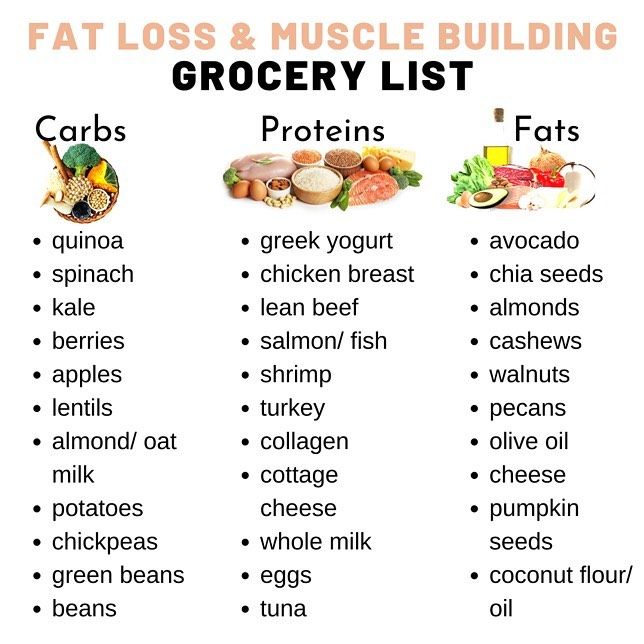
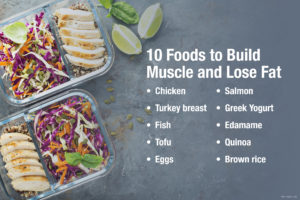
Protein is crucial for muscle growth and repair. Lean meats like chicken breast and turkey provide high-quality protein. Eggs offer protein and essential nutrients. Fish, such as salmon and tuna, are packed with protein and omega-3s. Plant-based options like lentils and chickpeas are excellent sources of protein for vegetarians. Greek yogurt and cottage cheese offer protein with additional calcium benefits.
Healthy Carbohydrates
Carbohydrates fuel your workouts and support recovery. Whole grains like brown rice and quinoa are excellent choices. Sweet potatoes are rich in vitamins and offer complex carbs. Oats provide energy and fiber, aiding digestion. Fruits like bananas and berries offer natural sugars and vitamins. Vegetables like broccoli and spinach provide carbs and essential nutrients.
Essential Fats
Healthy fats support hormone production and overall health. Avocados are rich in healthy fats and fiber. Nuts and seeds, such as almonds and chia seeds, offer fats and protein. Olive oil is a great source of monounsaturated fats. Fatty fish, like mackerel and sardines, provide essential omega-3 fatty acids. Coconut oil adds healthy fats to your diet and enhances flavor.
Meal Timing Strategies
Meal timing can significantly impact fat reduction and muscle building. Eating at specific times enhances nutrient absorption and energy levels. This strategy helps optimize your workouts and recovery processes. Understanding the best times to eat allows you to align your diet with fitness goals.
Pre-workout Nutrition
Fuel your body before exercise with the right nutrients. Eating a balanced meal boosts energy levels and maximizes performance. Consume carbohydrates for energy, proteins for muscle support, and healthy fats for sustained power. An ideal pre-workout meal includes oatmeal, yogurt, or a banana. These foods offer quick digestion and lasting energy.
Post-workout Recovery
Post-workout nutrition is crucial for muscle recovery. Consuming protein and carbohydrates after exercise aids in muscle repair. This helps replenish glycogen stores and reduces muscle soreness. Opt for chicken, fish, or a protein shake within 45 minutes after exercising. These options speed up recovery and enhance muscle growth.
Intermittent Fasting
Intermittent fasting can aid in fat reduction and muscle gain. This method involves cycling between eating and fasting periods. It helps control calorie intake and boosts metabolism. Eating during a shorter window keeps you full and energized. Try fasting for 16 hours and eating for 8 hours. This approach supports weight management and muscle building.
Supplements For Fat Loss And Muscle Gain
Finding the right diet is key to reducing fat and building muscle. Supplements can play a vital role in achieving these goals. They help fill nutritional gaps and enhance performance. Choosing the right supplements can make the process more efficient. Here are some top choices for fat loss and muscle gain.
Protein Supplements
Protein is essential for muscle growth. It repairs muscle tissues after workouts. Whey protein is popular for its fast absorption. It provides the body with necessary amino acids. Casein protein digests slowly, ideal for nighttime use. Protein supplements help in building muscle mass.
Creatine Benefits
Creatine boosts muscle strength and size. It enhances energy levels during intense workouts. Helps in lifting heavier weights. Creatine is found naturally in the body. Supplements can increase creatine stores. It aids in faster muscle recovery.
Fat Burners
Fat burners can aid in weight loss. They increase metabolism and energy expenditure. Many contain caffeine and green tea extract. These ingredients support fat breakdown. Fat burners should be used cautiously. Consult a health expert before starting any supplement.
Creating A Personalized Diet Plan
Creating a personalized diet plan is key to reducing fat and building muscle. A tailored approach considers individual needs and goals. This method empowers you to make informed choices about your nutrition. You’ll find the balance between what your body needs and what you wish to achieve. Let’s explore how to create your unique diet plan.
Calculating Caloric Needs
Understanding your caloric needs is essential. Use the Basal Metabolic Rate (BMR) to determine calories for basic functions. Multiply this with your activity level to get Total Daily Energy Expenditure (TDEE). This gives you a rough idea of how many calories you need daily.
Adjusting For Goals
Once you know your caloric needs, adjust based on your goals. For fat loss, consume fewer calories than your TDEE. For muscle gain, eat slightly more than your TDEE. Balance is crucial. Ensure you get enough protein, carbs, and fats.
Tracking Progress
Monitor your progress to see what works best. Use a food diary or app to track calories and nutrients. Check your weight and body measurements regularly. Adjust your diet plan based on your progress. This helps you stay on track and make necessary changes.
Common Mistakes To Avoid
Embarking on a diet to reduce fat and build muscle requires careful planning. Many people make common mistakes that hinder their progress. Recognizing and avoiding these pitfalls can pave the way to success. Let’s discuss these errors and how to steer clear of them.
Overeating Healthy Foods
Healthy foods are essential for a balanced diet. Yet, overeating them can lead to weight gain. Nuts, avocados, and whole grains are nutritious but calorie-dense. Portion control is vital. Monitor your servings to maintain a calorie deficit. Remember, moderation is key to achieving your goals.
Neglecting Variety
A monotonous diet can stall progress and reduce motivation. Eating the same foods daily limits nutrient intake. A varied diet ensures a wide range of vitamins and minerals. Experiment with different protein sources. Incorporate colorful fruits and vegetables. Keep meals exciting and nutritious.
Ignoring Recovery Time
Muscle growth happens during rest, not workouts. Skipping recovery time can lead to injury and burnout. Rest days are crucial for repairing and building muscle tissue. Ensure you get enough sleep. Sleep aids in muscle recovery and hormone regulation. Balance exercise with ample recovery for optimal results.
Real-life Success Stories
Exploring real-life success stories can inspire and motivate you. People around the world have transformed their bodies by reducing fat and building muscle. Their stories offer valuable insights and lessons. These experiences highlight practical steps and dedication required for success. Let’s dive into some compelling testimonials and lessons learned.
Testimonials And Experiences
Anna from Texas lost 20 pounds in six months. She followed a balanced diet rich in protein and vegetables. Anna also incorporated strength training into her routine. She shares, “Consistency was key for me. Small changes made a big impact over time.”
John from Canada reduced his body fat while gaining muscle. He started with a simple meal plan and focused on weightlifting. John recalls, “Tracking my progress kept me motivated. I learned to celebrate small victories.”
Sara, a busy mom, transformed her lifestyle with home workouts and meal prepping. She says, “Planning meals ahead saved time and helped me stay on track. It was all about making better choices.”
Lessons Learned
These success stories reveal common lessons. Consistency matters more than perfection. Small, sustainable changes lead to long-term results. Tracking progress helps maintain motivation and focus.
Planning meals and workouts in advance can prevent setbacks. Prioritizing protein-rich foods supports muscle growth. Strength training is essential for building muscle and reducing fat.
Celebrate every achievement, no matter how small. Staying positive and motivated is crucial. Real-life stories remind us that change is possible with dedication and effort.
Credit: www.lakeforesthfc.com
Credit: www.youtube.com
Frequently Asked Questions
What Diet Is Best For Fat Loss And Muscle Gain?
A balanced diet with lean proteins, healthy fats, and complex carbohydrates supports fat loss and muscle gain. Prioritize whole foods like chicken, fish, quinoa, and vegetables. Stay hydrated and monitor calorie intake to ensure a caloric deficit for fat loss while consuming enough protein for muscle growth.
What Is The Fastest Way To Lose Body Fat And Gain Muscle?
To lose fat and gain muscle quickly, combine strength training with high-intensity interval workouts. Consume a protein-rich diet to support muscle growth. Prioritize sleep and manage stress for optimal recovery. Stay hydrated and track progress for motivation. Consistency is key for effective results.
Can I Lose Fat And Build Muscle At The Same Time?
Yes, you can lose fat and build muscle simultaneously. Focus on strength training and a balanced diet. Ensure adequate protein intake to support muscle growth. Create a slight calorie deficit to lose fat effectively. Consistent workouts and proper nutrition are key to achieving your fitness goals.
What Is Cutting Diet For Fat Loss And Muscle Gain?
A cutting diet focuses on reducing fat while maintaining muscle. It involves high protein, moderate carbs, and low fat. Calorie intake is decreased gradually to promote fat loss. Strength training supports muscle retention. Hydration and balanced meals are essential. Adjust portions based on progress and goals.
Conclusion
Achieving the right diet balance is crucial. Focus on protein-rich foods. Lean meats, fish, eggs, and beans help build muscle. Pair them with healthy fats like avocados and nuts. This combination supports muscle growth and fat reduction. Remember to hydrate.
Water aids digestion and muscle recovery. Exercise regularly for best results. Strength training and cardio complement your diet. Small changes make a big difference. Stay consistent and patient. Results take time, but each step counts. Celebrate progress, not perfection. Your journey to a healthier you is worth it.
Keep moving forward, and enjoy the process.