Have you ever wondered if it’s possible to build muscle while shedding those extra pounds? You’re not alone.
Many people face the dilemma of wanting to tone up while slimming down. The good news is, you can achieve both goals simultaneously. Imagine being able to fit into your favorite clothes while feeling stronger and more energetic than ever.
Sounds enticing, right? We’ll uncover the secrets of balancing muscle gain and weight loss, providing you with practical tips and insights. By the end, you’ll know exactly how to transform your body without compromising on your fitness goals. Ready to discover the perfect blend of strength and slimness? Keep reading to find out how you can make it happen.
Building Muscle And Weight Loss Basics
Building muscle while losing weight is a common fitness goal. Achieving both simultaneously requires understanding key principles. Balancing diet and exercise can lead to success. It’s possible, but it demands dedication and strategy.
Understanding Muscle Growth
Muscle growth occurs through resistance training. Lifting weights stimulates muscle fibers. This leads to tiny tears in the muscle tissue. When the body repairs these tears, muscles grow stronger and larger. Protein intake is crucial for muscle repair. Consuming enough protein supports muscle growth.
The Science Of Weight Loss
Weight loss happens when calorie intake is less than calories burned. Exercise increases calorie burn. Cardio and strength training are effective. A balanced diet is vital. It should include fewer calories and nutrient-rich foods. Hydration plays a role too. Drinking water helps metabolism and reduces hunger.
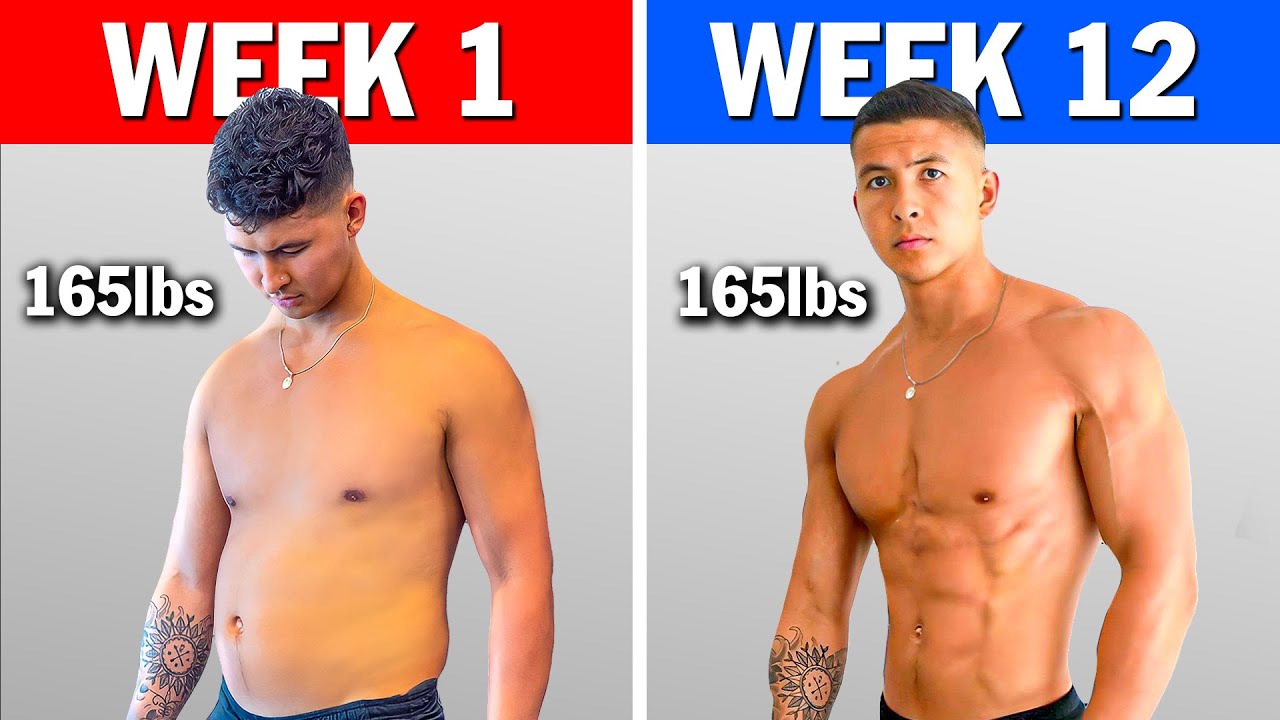
Credit: www.youtube.com
Balancing Caloric Intake
Building muscle while losing weight is possible. Focus on balancing caloric intake and prioritizing protein-rich foods. This encourages muscle growth and supports fat loss.
Balancing caloric intake is crucial for building muscle while losing weight. The body needs energy to fuel workouts and repair muscles. Eating the right amount of calories ensures these processes work effectively. Many people struggle with eating enough while trying to lose weight. This section explores how to balance caloric intake to achieve both goals.Role Of Calories In Muscle Gain
Calories provide energy for muscle growth. Muscles need fuel to grow after workouts. They repair and build during rest. Consuming enough calories supports these processes. Protein, carbs, and fats play roles in providing energy. Proteins are essential for muscle repair. Carbs supply the energy for intense workouts. Fats help with overall energy balance. Proper calorie intake helps muscles gain strength.Creating A Caloric Deficit
A caloric deficit means eating fewer calories than the body needs. This helps in losing weight. It must be balanced carefully. Too few calories can harm muscle growth. A moderate deficit supports weight loss without losing muscle. Eating nutrient-rich foods is key. They provide necessary vitamins and minerals. This ensures the body gets the right nutrients. A smart approach helps maintain muscle mass.Importance Of Protein
Building muscle while losing weight may seem tricky. But protein plays a key role. It helps repair and grow muscle tissues. While cutting calories, maintaining muscle mass is crucial. Protein helps preserve muscle, even when losing fat. It also keeps hunger at bay. Feeling full longer helps stick to a calorie deficit. This is why protein is vital for reaching fitness goals.
Protein Requirements For Muscle
How much protein do you need? It depends on your weight and activity level. Aim for 0.8 to 1 gram per pound of body weight. This supports muscle growth and repair. Eating enough protein boosts your metabolism. It helps burn more calories, even at rest. Meeting protein needs is vital for muscle maintenance.
Incorporating Protein In Diet
Adding protein to meals is easy. Choose lean meats like chicken or turkey. Include fish, eggs, and dairy products. Plant-based proteins like beans and lentils are great options. Snacks can include nuts or yogurt. Spread protein intake throughout the day. This ensures steady muscle support. Planning meals with varied protein sources keeps your diet interesting.
Strength Training Strategies
Building muscle while losing weight is possible with smart strength training strategies. Focus on high-intensity workouts and balanced nutrition. Prioritize protein-rich foods to support muscle growth and fat loss.
Building muscle while losing weight might seem like a contradiction, but with the right strength training strategies, it’s entirely possible. By focusing on effective exercises and adjusting your workout frequency and intensity, you can achieve a lean and muscular physique. When I was on my own fitness journey, I discovered that tweaking these aspects of my routine made all the difference.Effective Exercises For Muscle
Selecting the right exercises is crucial for muscle growth. Compound movements like squats, deadlifts, and bench presses engage multiple muscle groups, maximizing your workout efficiency. Not only do these exercises build strength, but they also burn calories, assisting in weight loss. Incorporate bodyweight exercises like push-ups and pull-ups. These moves enhance muscle endurance and can be done anywhere, making them perfect for busy schedules. When I couldn’t make it to the gym, a quick session of push-ups at home kept me on track. Consider adding resistance bands or dumbbells to your routine. They provide added resistance, challenging your muscles in new ways. Have you tried using these tools to break through a plateau?Frequency And Intensity Of Workouts
How often and how hard you train plays a significant role in building muscle and losing weight. Aim for at least three strength training sessions per week. This frequency allows your muscles to recover and grow while maintaining a calorie deficit for weight loss. Vary the intensity of your workouts. High-intensity interval training (HIIT) can be a game-changer. By mixing short bursts of intense effort with rest periods, you burn more calories and keep your metabolism elevated. Listen to your body. Rest is as important as the workouts themselves. Overtraining can hinder progress and lead to injury. Do you have a recovery day planned in your weekly routine? By focusing on these strength training strategies, you’ll find a balanced approach to building muscle while shedding unwanted pounds. What adjustments can you make today to align your workouts with your goals?Cardio And Muscle Preservation
Balancing cardio with strength exercises can support muscle preservation while losing weight. Combining both helps burn calories and maintain muscle mass. Strategic workout plans and proper nutrition are key to achieving this balance.
In the journey to build muscle while losing weight, cardio plays a crucial role. Many believe cardio only aids in weight loss. But it can also help preserve muscle. Understanding how to incorporate cardio effectively is key. This ensures you achieve both goals without compromising muscle mass.Types Of Cardio For Weight Loss
Different types of cardio can aid in weight loss. Low-intensity steady state (LISS) involves activities like walking or cycling. These are done at a consistent pace for longer periods. High-intensity interval training (HIIT) alternates between intense bursts and rest. Both types can burn calories effectively. The choice depends on your fitness level and preference. Mixing both can keep your workouts exciting.Avoiding Muscle Loss With Cardio
To avoid muscle loss, balance is essential. Don’t overdo cardio sessions. Excessive cardio can lead to muscle breakdown. Limit cardio to a few sessions per week. Pair it with strength training exercises. This combination helps maintain muscle mass. Ensure you’re consuming enough protein. Protein supports muscle repair and growth. Stay mindful of your nutrition and workout intensity.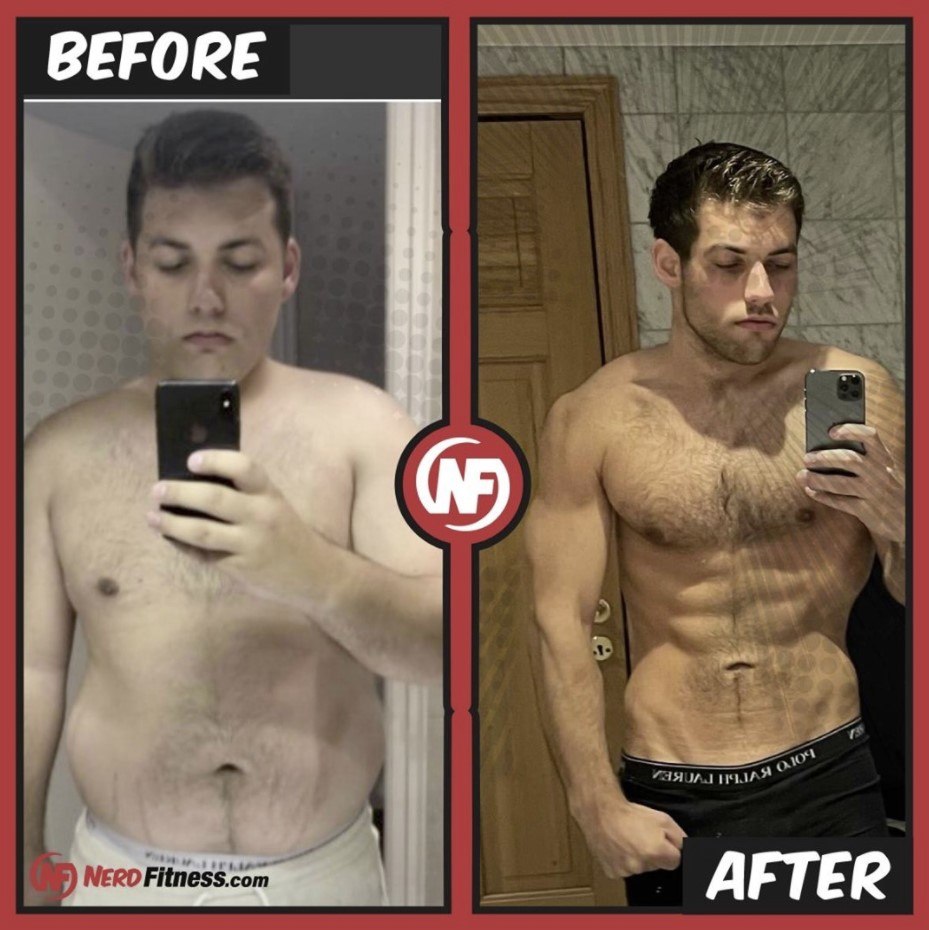
Credit: www.nerdfitness.com
Nutritional Considerations
Building muscle while losing weight is a challenging but achievable goal. Nutrition plays a crucial role in this process. Eating the right foods can make a significant difference. Proper nutrition fuels your workouts and supports muscle growth. Let’s explore the key nutritional considerations for achieving this balance.
Macronutrient Balance
Macronutrients are essential for energy and muscle growth. Protein, carbohydrates, and fats are the main macronutrients. Protein is vital for repairing and building muscle tissue. Aim to consume lean sources of protein. Chicken, fish, and beans are excellent choices.
Carbohydrates provide energy for your workouts. Choose complex carbs like whole grains and vegetables. They offer sustained energy and support recovery. Healthy fats are also important. Avocados, nuts, and olive oil are good options. They help maintain hormone levels necessary for muscle growth.
Micronutrients And Supplements
Vitamins and minerals support overall health and muscle function. Iron, calcium, and vitamin D are important. They aid in muscle contraction and bone health. Include a variety of fruits and vegetables in your diet. They provide essential micronutrients.
Supplements can also be beneficial. Protein powders can help meet your daily protein needs. Creatine is another popular supplement. It supports increased strength and muscle mass. Always consult with a healthcare professional before starting any supplement.
Tracking Progress
Building muscle while losing weight is possible with the right approach. Focus on strength training and balanced nutrition. Track your progress regularly to see improvements and stay motivated.
Tracking progress is crucial when building muscle and losing weight. It helps you see what’s working and what needs adjustment. Consistent tracking ensures you stay motivated and focused on your goals.Monitoring Muscle Gains
Keep a diary of your workout routine. Note the weights you lift, the reps, and sets. This helps track improvements over time. Use a tape measure to check muscle size. Measure areas like arms, chest, and legs. Take photos every month. Visuals can highlight muscle growth better than numbers. Listen to your body. Feeling stronger means you might be gaining muscle.Assessing Weight Loss
Weigh yourself weekly, not daily. Weight can fluctuate due to water retention. Use a scale that measures body fat percentage. It gives a clearer picture of fat loss. Keep a food journal. It helps spot eating patterns that may hinder weight loss. Notice how your clothes fit. Looser clothing indicates weight loss success. Tracking progress doesn’t have to be complicated. Simple methods provide valuable insights. Stay consistent for the best results.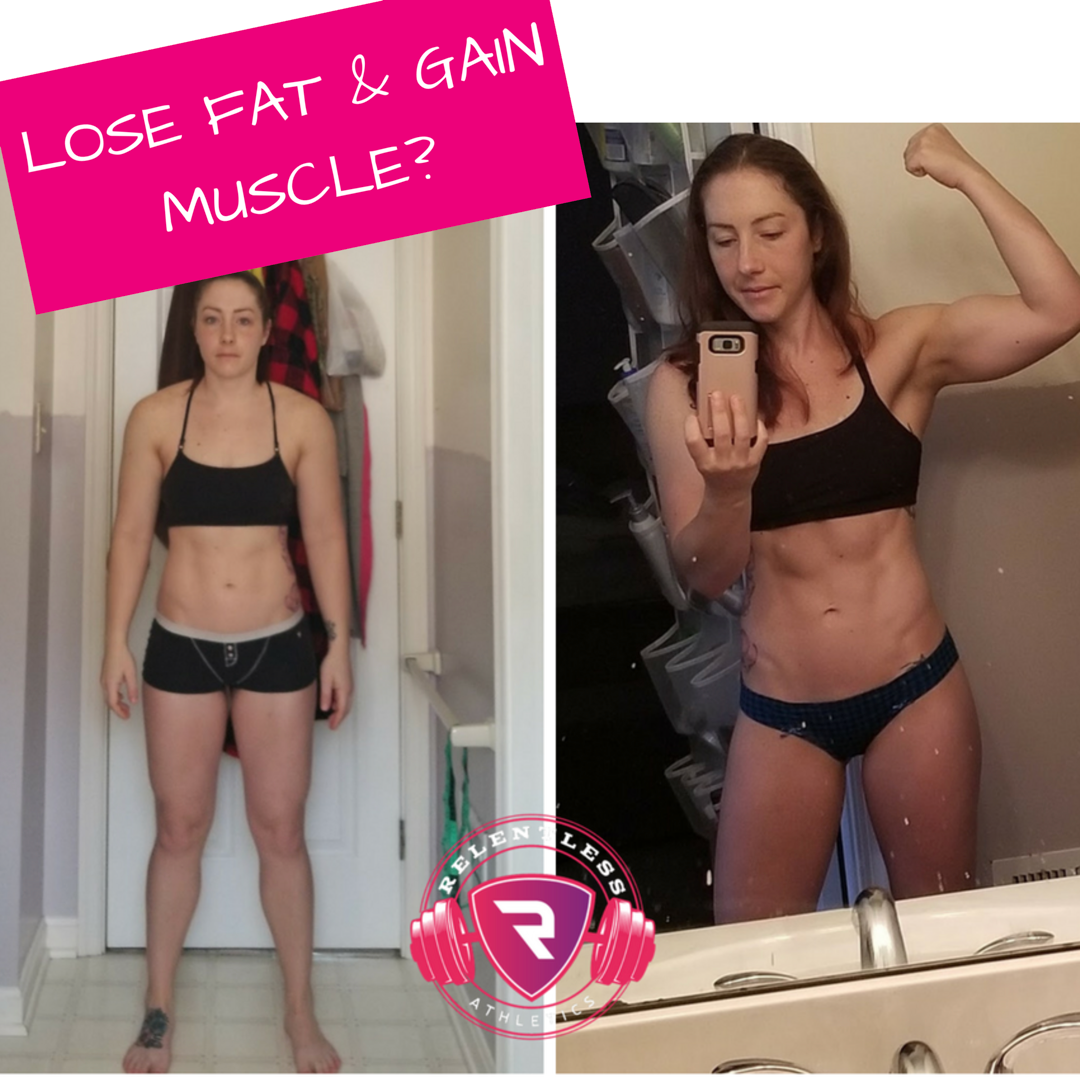
Credit: www.relentlessathleticsllc.com
Common Challenges And Solutions
Building muscle while losing weight is a common fitness goal. Many face challenges on this journey. Understanding these challenges and finding effective solutions can make the process smoother. Let’s explore some common obstacles and how to overcome them.
Overcoming Plateaus
Plateaus can be frustrating. Your progress stalls, and motivation dips. To break a plateau, change your workout routine. Introduce new exercises or increase intensity. Muscle confusion can spark new growth. Track your progress. Small improvements can motivate you. Consistency is key, even when results slow.
Adjusting Diet And Exercise
Your diet plays a crucial role in muscle building. Ensure you consume enough protein. It supports muscle repair and growth. Balance your macronutrients. Adjust carb and fat intake based on activity levels. Regularly review and tweak your meal plan.
Exercise needs a strategy too. Combine strength training with cardio. Focus on compound movements. They work multiple muscle groups. Monitor your form. Proper technique prevents injury and maximizes gains. Listen to your body. Rest and recovery are as important as workouts.
Frequently Asked Questions
What Is The 30/30/30 Rule For Weight Loss?
The 30/30/30 rule involves 30 minutes of exercise, 30% protein intake, and 30% of calories from healthy fats. This balanced approach supports effective weight loss while maintaining muscle mass and energy levels. It’s a simple guideline to create a sustainable and healthy lifestyle.
How To Tell If You’re Gaining Muscle While Losing Fat?
Track progress using body measurements, photos, and strength levels. Monitor muscle definition and decreased body fat. Notice improved energy and performance during workouts. Check clothes for better fit and reduced waist size. Use a body composition scale for more accurate results.
Should You Build Muscle Or Lose Fat First?
Focus on your primary goal. If you have a higher body fat percentage, prioritize losing fat first. For those with a lower body fat percentage, building muscle might be more beneficial. Always consider your personal fitness goals and consult with a fitness professional for tailored advice.
How Much Muscle Can You Gain In A Month While Losing Fat?
Gaining muscle while losing fat varies by individual. Many can gain 1-2 pounds of muscle monthly. Factors like diet, workout intensity, and genetics influence results. Consistent strength training and a balanced diet are key to optimizing muscle growth while reducing fat.
Always consult with a fitness professional for personalized guidance.
Conclusion
Building muscle while losing weight is possible. Focus on balanced nutrition. Include protein-rich foods and healthy fats. Regular exercise helps achieve both goals. Strength training boosts muscle growth and burns calories. Stay consistent with workouts and diet. Track progress to stay motivated.
Listen to your body. Rest is crucial for recovery and growth. Celebrate small victories. Adjust plans as needed. Patience is key. Results take time. Keep realistic expectations. Stay committed to your journey. Your health matters most. Embrace changes and enjoy the process.