Ever wondered if you can really build muscle just by doing push-ups? You’re not alone.
Many people question if this simple exercise can truly transform their bodies. The good news is that push-ups are more powerful than you might think. They are a time-tested staple in fitness routines for a reason. Imagine sculpting your chest, shoulders, and arms without the need for fancy equipment or a gym membership.
Picture yourself gaining strength and confidence, all from the comfort of your living room. Sounds appealing, right? We’ll explore the true muscle-building potential of push-ups and how you can maximize their effectiveness. Whether you’re a fitness newbie or a seasoned athlete, the insights shared here could change your workout game forever. Ready to dive in? Let’s uncover the secrets of push-ups and muscle growth together.
Benefits Of Push Ups
Building muscle with push-ups is effective and accessible. This exercise targets chest, shoulders, and triceps, promoting strength and endurance. Consistent practice leads to improved muscle definition, making push-ups a valuable addition to any workout routine.
Push-ups are a classic exercise that you’ve probably done since gym class. But did you know they’re a powerhouse for building muscle and improving overall fitness? They’re simple yet effective, and you don’t need any fancy equipment. Let’s dive into the benefits of push-ups and see why they’re worth adding to your routine.Improved Upper Body Strength
Push-ups target major muscles in your chest, shoulders, and triceps. If you’re looking to build upper body strength, they’re a must. You can feel the burn after just a few reps, and that’s your muscles working hard to get stronger.Enhanced Core Stability
When you perform a push-up, it’s not just your arms doing the work. Your core is engaged too, helping to stabilize your body. This makes push-ups a great way to improve your core strength without needing to do endless sit-ups.Convenience And Accessibility
You can do push-ups anywhere. Whether you’re at home, in a park, or on vacation, you can fit this exercise into your day. No gym membership required. Just find a flat surface and you’re good to go.Variety And Progression
Push-ups aren’t just one-size-fits-all. You can modify them to match your fitness level. Start with knee push-ups if you’re a beginner. As you get stronger, try variations like diamond or decline push-ups to challenge yourself.Improved Cardiovascular Health
Push-ups can also give your heart a workout. When done in quick succession, they get your heart pumping and improve cardiovascular endurance. Combine them with other exercises for a full-body workout.Boosted Mental Health
Ever notice how good you feel after a set of push-ups? Exercise releases endorphins, the “feel-good” hormones. It’s a great way to boost your mood and reduce stress. So, are push-ups part of your fitness routine? If not, why not start today? They offer so much more than just muscle-building—they’re a full package of health benefits.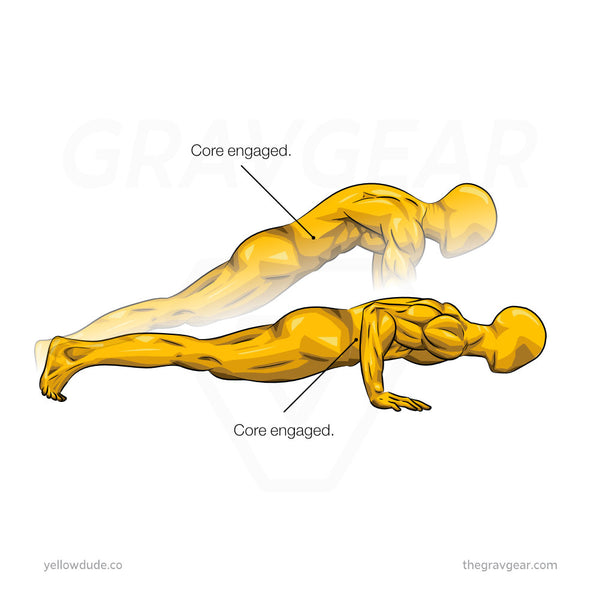
Credit: thegravgear.com
Muscle Groups Targeted
Push-ups effectively target multiple muscle groups including the chest, shoulders, and triceps. They also engage the core and back muscles for stability. Building strength and endurance, push-ups contribute to overall muscle growth and fitness.
Building muscle with push-ups is not only possible but also highly effective. Push-ups are a compound exercise that targets multiple muscle groups, helping you develop strength and definition. Understanding which muscles you engage can guide your workout and maximize results.Chest Muscles
Push-ups primarily target the chest muscles, specifically the pectoralis major. As you lower and lift your body, your chest muscles work hard to stabilize and support movement. The more you engage your chest, the more you build its strength and shape. Vary your hand placement to challenge your chest differently. A wider stance focuses on the outer part of your pectorals, while a closer grip targets the inner section.Triceps
Your triceps, located at the back of your upper arms, are heavily involved in push-ups. Every time you push your body upwards, the triceps extend your elbows, strengthening these muscles. Try doing diamond push-ups, where your hands form a diamond shape under your chest. This variation places even more emphasis on your triceps, enhancing muscle growth and endurance.Shoulders
Shoulders play a crucial role in stabilizing your body during push-ups. The deltoids, particularly the front section, are activated as you press down and lift yourself. Building shoulder strength through push-ups can improve your posture and prevent injuries. Experiment with incline push-ups for a different shoulder challenge. Place your feet higher than your hands to shift more load onto your shoulders.Core Stability
Push-ups are not just about arms and chest; they also work your core. Maintaining a straight body line demands engagement from your abs and lower back. This boosts your core stability and balance. A strong core is essential for overall fitness. Test your core strength by attempting slow push-ups. Lower yourself gradually and hold the position before pushing back up. This will deepen your core engagement. Push-ups provide a well-rounded workout that targets various muscle groups. Have you ever noticed changes in your upper body strength or endurance from regular push-ups? Share your experiences and insights below!Push Ups For Muscle Growth
Push-ups are more than just a staple in fitness routines; they’re a powerful tool for muscle growth. But can this simple exercise really help you build muscle? Absolutely. With the right techniques and strategies, push-ups can be your ticket to increased strength and muscle mass. Let’s dive into how you can optimize push-ups for muscle growth.
Progressive Overload Techniques
Progressive overload is key to muscle growth. But how do you apply it to push-ups? Simple: gradually increase the challenge. Try adding more reps each week. You can also slow down your movements for added resistance. If you can do 20 push-ups comfortably, aim for 25 next time. Or, try performing them slower to engage more muscle fibers.
Ever considered weighted push-ups? Placing a weight plate on your back can seriously up the ante. Just ensure you’re maintaining proper form. This extra load forces your muscles to work harder, promoting growth.
Variations For Increased Intensity
Push-up variations can dramatically change the intensity of your workout. Incorporate different types like diamond push-ups or decline push-ups. Each variation targets different muscle groups. Diamond push-ups focus more on your triceps and inner chest. Decline push-ups increase the workload on your upper chest and shoulders.
Don’t forget the power of explosive push-ups. These engage fast-twitch muscle fibers, crucial for strength and size. Attempt clapping push-ups or push-ups with a quick hop. Can you feel the burn?
Repetition And Set Strategies
How many push-ups should you do for muscle growth? It’s all about balance. Aim for higher reps with multiple sets. Try three to four sets of 12-15 reps. This rep range is ideal for hypertrophy, or muscle growth.
Break the monotony. Mix high-rep sets with low-rep, high-intensity sets. This keeps your muscles guessing and prevents plateaus. Consider doing a set to failure once a week to push your limits.
Remember, consistency is your best friend. Are you ready to make push-ups a cornerstone of your muscle-building routine?
Common Push Up Mistakes
Push-ups are a fantastic exercise for building muscle and strength, but many people make common mistakes that can hinder their progress. Understanding these errors can help you maximize your efforts and achieve better results. Let’s dive into some of these pitfalls to ensure you’re getting the most out of your push-up routine.
Improper Form
Maintaining proper form is crucial in push-ups. A common mistake is allowing your elbows to flare out too wide. This can strain your shoulders and reduce the effectiveness of the exercise. Keep your elbows close to your body to target your chest and triceps effectively.
Another error is not keeping your body in a straight line. Dropping your hips or raising them too high can make the exercise less effective and increase the risk of injury. Picture your body as a plank, maintaining alignment from head to heels.
Neglecting Core Engagement
Your core plays a significant role in performing push-ups correctly. Many people overlook the importance of engaging their core muscles during the exercise. When your core isn’t activated, your body can sag, reducing the push-up’s impact on your upper body.
Engaging your core not only stabilizes your body but also enhances muscle activation across your torso. Try consciously tightening your abdominal muscles as you perform push-ups for better stability and strength.
Overtraining Risks
Push-ups are effective, but overdoing them can lead to muscle fatigue and injury. It’s tempting to do more for faster results, but quality beats quantity. Your muscles need time to recover and grow.
Listen to your body. If you feel excessive soreness or pain, it’s a sign to rest. Incorporate rest days into your routine to allow for recovery. Consider mixing push-ups with other exercises to prevent overuse injuries.
Have you been making any of these common mistakes in your push-up routine? Reflect on your form and technique to ensure you’re not sabotaging your progress. Correcting these errors can make a noticeable difference in your muscle-building journey.
Enhancing Push Up Performance
Push ups are a great exercise to build muscle and strength. They target the chest, arms, and shoulders effectively. Regular practice increases muscle endurance and adds definition to the upper body.
Enhancing your push-up performance can lead to significant muscle gains. While push-ups are a staple in many fitness routines, you can elevate their effectiveness with simple adjustments. By adding resistance, weight, and explosive movements, you can challenge your muscles in new ways and maximize growth.Incorporating Resistance Bands
Adding resistance bands to your push-up routine can significantly increase the intensity. These bands create extra tension, forcing your muscles to work harder. You can place a band around your back and hold the ends in your hands. As you push up, the band stretches, providing additional resistance. This technique targets your chest, shoulders, and triceps more effectively. Are you ready to feel the burn and see better results?Using Weighted Vests
Wearing a weighted vest during push-ups can simulate the effect of lifting weights. The extra weight increases the load on your muscles, promoting growth. Start with a light vest to avoid injury and gradually increase the weight. This gradual progression is crucial for building strength without straining your body. You’ll notice improvements in your endurance and muscle definition. Have you tried a weighted vest to push your limits?Explosive Plyometric Push Ups
Explosive plyometric push-ups add a dynamic element to your routine. By pushing off the ground with force, you engage your fast-twitch muscle fibers. These push-ups can improve your power and speed. Try clapping your hands between push-ups or simply pushing off the ground with force. This high-intensity exercise not only builds muscle but also boosts cardiovascular fitness. How high can you push yourself to go? Enhancing your push-up performance with these methods can lead to noticeable muscle gains. Are you ready to take your push-up game to the next level?
Credit: www.youtube.com
Integrating Push Ups Into A Routine
Push ups are a great way to build muscle. They can fit into any workout routine. When integrated well, they enhance strength and endurance. They are versatile and can be done anywhere. You do not need special equipment. Understanding how to incorporate them into your routine is crucial. This ensures balanced muscle growth and avoids overtraining.
Balancing With Other Exercises
Push ups work the chest, shoulders, and triceps. To avoid muscle imbalance, add other exercises. Incorporate pull ups, squats, and lunges. These exercises target different muscle groups. Balance helps maintain overall body strength. It also reduces the risk of injury.
Weekly Push Up Schedules
Consistency is key to building muscle. Plan your push up routine weekly. Start with three days a week. Gradually increase to five days. Begin with 10 to 15 reps per set. Aim for three sets each session. Track your progress and adjust as needed. Ensure each session is challenging but not exhausting.
Rest And Recovery Importance
Muscles need time to recover. Rest is vital for growth. Do not do push ups daily without breaks. Allow at least one rest day between sessions. This helps prevent burnout and fatigue. Recovery boosts your performance in future workouts. Listen to your body and rest when needed.
Nutrition For Muscle Building
Building muscle isn’t just about exercise. Nutrition plays a key role. Push-ups help build muscle. Yet, proper nutrition fuels growth and recovery. Focus on nutrients to support your workout.
Protein-rich Diet
Protein is crucial for muscle repair. Lean meats, beans, and eggs are great sources. Include protein with every meal. Aim for a variety of sources to get all essential amino acids. This ensures your muscles have the building blocks they need.
Hydration And Muscle Recovery
Water is vital for muscle function. Dehydration can slow recovery. Drink enough water daily. This helps flush out toxins and supports nutrient transport. Hydration aids in muscle repair after workouts.
Timing Of Nutrient Intake
Timing matters for muscle growth. Consume protein shortly after your workout. This helps repair muscles faster. Carbohydrates replenish energy stores. This combination supports overall muscle development.
Tracking Progress And Setting Goals
Tracking progress and setting goals is crucial when you’re building muscle with push-ups. It’s not just about the number of reps you can do; it’s about understanding how to measure your progress and adjust your workouts. This approach will keep you motivated and ensure you’re always moving forward.
Measuring Strength Gains
How do you know you’re getting stronger? Start by keeping a workout journal. Jot down the number of push-ups you perform each session and note any physical changes or improvements.
Consider testing your maximum reps once a month. Record this number and aim to increase it over time. Feel the difference in your performance and strength as you push your limits.
A simple test is to hold a push-up position for as long as possible. As your core strength improves, you’ll notice you can hold it longer. This is a clear sign of progress.
Setting Realistic Milestones
Setting goals that are too ambitious can lead to frustration. It’s better to aim for small, achievable milestones. Perhaps, add two more reps each week or enhance your form gradually.
Breaking down your goals into weekly targets helps maintain motivation. Achieving these small victories gives you a sense of accomplishment and encourages you to keep going.
Visualize where you want to be in a month. How many push-ups will you be able to do? Set this as your goal and work towards it consistently.
Adjusting Workouts Over Time
As your strength increases, your body will need new challenges. Don’t stick to the same routine. Mix things up to keep your muscles guessing and growing.
Experiment with variations like wide-arm, diamond, or incline push-ups. Each targets different muscle groups, preventing plateau and ensuring balanced development.
Reflect on your progress. Are you feeling too comfortable? It’s time to add more reps or try more advanced variations to keep your muscles engaged.
Think about it: are your workouts still challenging? If not, adjust them. Your body adapts quickly, so keep it guessing to maximize muscle growth. What changes can you make today to push your limits further?

Credit: thegravgear.com
Frequently Asked Questions
Can I Build Muscle With Pushups Only?
Yes, you can build muscle with pushups. They target chest, triceps, and shoulders. For better results, increase intensity over time.
How Many Push-ups A Day To Build Muscle?
Perform 20-30 push-ups daily to build muscle. Adjust based on your fitness level and goals. Gradually increase repetitions as strength improves. Consistency and proper form are crucial for effective muscle growth.
What Happens If You Do 100 Pushups A Day For 30 Days?
Doing 100 pushups daily for 30 days can improve muscle endurance and strength. You might see increased upper body definition. Consistency helps build discipline, but it’s crucial to maintain proper form. Listen to your body to avoid overuse injuries. Balanced workouts yield better overall fitness results.
Can You Build A Big Chest With Just Pushups?
Yes, pushups can help build a bigger chest. Focus on proper form and gradually increase repetitions. Combine with variations like wide-grip pushups for better results. Include a balanced diet and rest for optimal muscle growth. Consider incorporating other chest exercises for more comprehensive development.
Conclusion
Push-ups can indeed help build muscle. They target your chest, shoulders, and arms effectively. Regular practice strengthens these areas, making them more defined. Consistency is key. Gradually increase your repetitions and intensity. This ensures muscle growth over time. Combine push-ups with other exercises for balance.
Mix in cardio and flexibility workouts. Nutrition also plays a crucial role. Eat balanced meals rich in protein. These steps support muscle building efforts. Remember, patience leads to results. Celebrate small progress and keep pushing forward. Your dedication will pay off.
Stay motivated and enjoy the journey towards a stronger you.