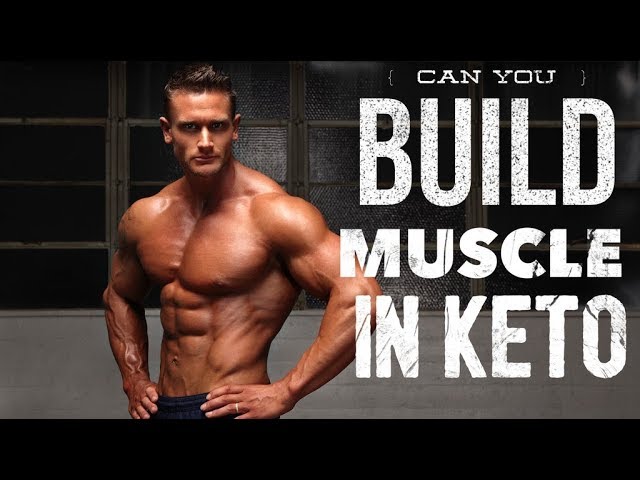
Are you curious about whether you can build muscle while following the keto diet? You’re not alone.
With the rise in popularity of ketogenic diets, many fitness enthusiasts and athletes are questioning if this low-carb, high-fat lifestyle can support muscle growth. You might wonder how your body can gain strength and size without the usual carb-loaded meals.
Don’t worry; you’re in the right place to find out. By the end of this article, you’ll discover surprising insights that could transform your approach to diet and fitness. Get ready to uncover the truth about muscle building on keto, and learn how you can achieve your body goals without sacrificing your diet preferences. Stay tuned, because what you learn could change the way you think about nutrition and muscle growth forever.
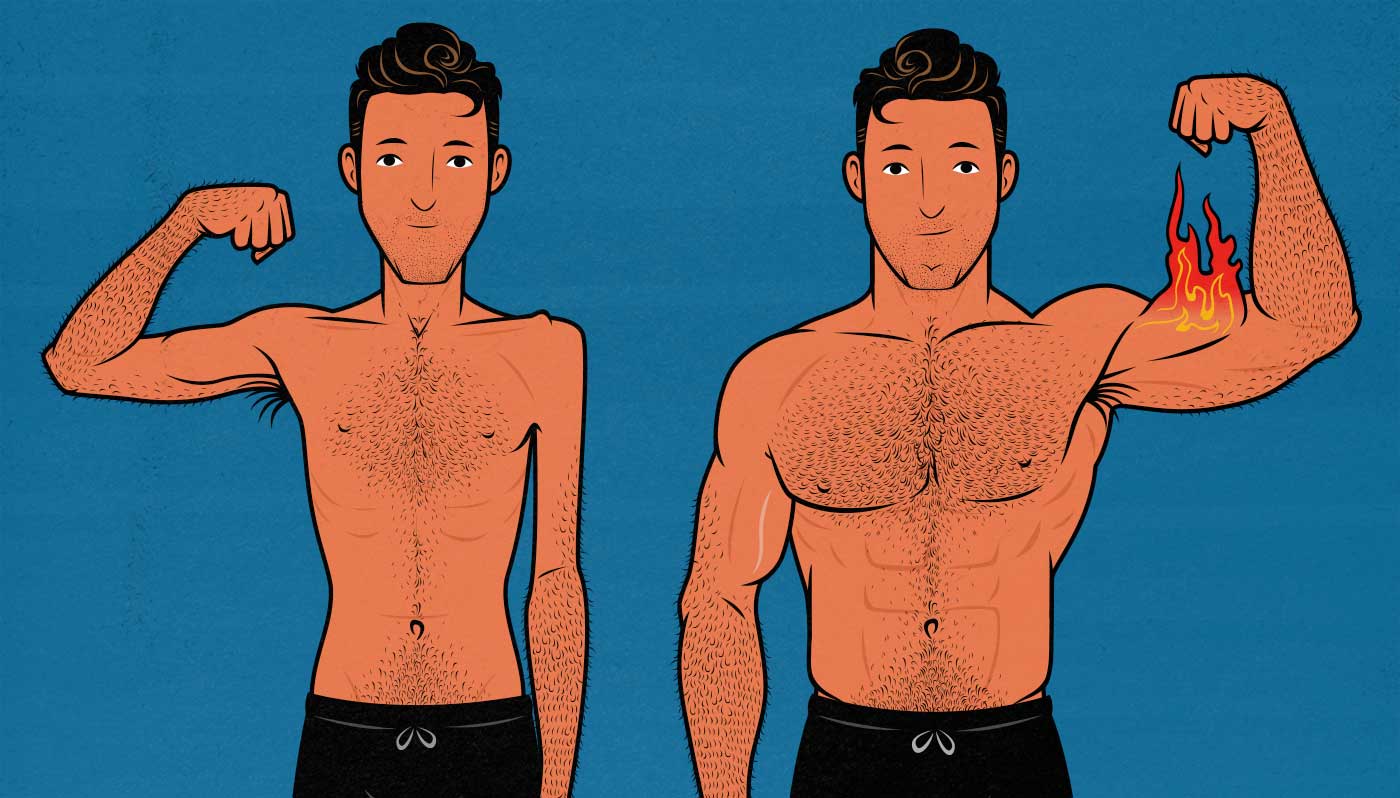
Credit: bonytobeastly.com
Keto Diet Basics
Building muscle on the keto diet is possible with proper planning. This low-carb, high-fat diet provides energy for workouts. Consuming enough protein supports muscle growth.
Are you curious about the keto diet and how it might help you build muscle? You’re not alone. Many fitness enthusiasts and health-conscious individuals are exploring this low-carb, high-fat diet. But what exactly is the keto diet, and how does it work? Let’s dive into the basics to give you a clearer picture.
What Is The Keto Diet?
The keto diet is short for the ketogenic diet. It’s a way of eating that drastically reduces carbohydrates and replaces them with fats. By doing this, your body enters a state called ketosis. In ketosis, your body becomes incredibly efficient at burning fat for energy. This process can help with weight loss and provide other health benefits. Think of it as flipping a switch in your body. Instead of relying on carbs, your body starts using fat as its primary energy source. This can be a game-changer for those looking to shed pounds or maintain a lean physique.
How The Keto Diet Works
When you eat a lot of carbs, your body breaks them down into glucose, which it then uses for energy. On the keto diet, the goal is to lower the intake of carbs so your body doesn’t have enough glucose. As a result, your liver starts converting fats into ketones, which are used as an alternative fuel source. This shift can take a few days to a week, and during this time, you might feel a bit sluggish. But once your body adapts, many people report feeling more energized and focused. You might wonder if this diet is sustainable for muscle growth. The truth is, it can be, but it requires careful planning. You’ll need to consume enough protein to support muscle repair and growth. Can you imagine eating more steak and eggs to fuel your workouts? Consider tracking your macronutrients to ensure you’re getting the right balance. Some athletes find it helpful to cycle carbs in and out of their diet, especially around workout times. This strategy might help you maintain energy levels during intense training sessions. Have you ever tried a high-fat meal before a workout? The energy from fats can be surprisingly sustaining. Don’t be afraid to experiment and see how your body responds. In summary, the keto diet flips the traditional diet script by using fats instead of carbs for energy. With the right approach, it can be a powerful tool for muscle building. Are you ready to embrace a new way of eating that could change the way you train?
Muscle Building Fundamentals
Building muscle on the keto diet relies on a few key principles. Understanding these fundamentals can help maximize your muscle growth. It’s not only about diet, but also exercise and proper nutrition.
Importance Of Protein
Protein is essential for muscle repair and growth. On the keto diet, maintaining adequate protein intake is crucial. It supports muscle synthesis and prevents muscle loss. Keto emphasizes fats, but protein remains vital. Aim for high-quality protein sources like chicken, fish, and eggs. Balance protein intake to fuel your workouts and recovery.
Role Of Resistance Training
Resistance training triggers muscle growth and strength. Lifting weights or bodyweight exercises are effective. They stimulate muscle fibers, increasing their size and strength. On a keto diet, include resistance training regularly. Focus on compound movements like squats and deadlifts. They engage multiple muscle groups, boosting overall muscle gain.
Keto And Muscle Growth
Building muscle on a keto diet is possible. Focus on consuming enough protein and healthy fats. Regular weight training helps muscles grow while maintaining ketosis.
Keto and Muscle GrowthCan you really build muscle while following the keto diet? This question often puzzles fitness enthusiasts. Many assume that a low-carb diet like keto might impede muscle growth. But there’s more to the story. The keto diet can indeed support muscle development, with a few strategic adjustments.
Keto’s Impact On Muscle Mass
The keto diet fundamentally alters how your body sources energy. Instead of relying on carbs, it burns fat, turning it into ketones. This shift can seem daunting if you’re used to carbs fueling your workouts. However, this fat-based energy system doesn’t mean you’ll compromise on muscle gains.
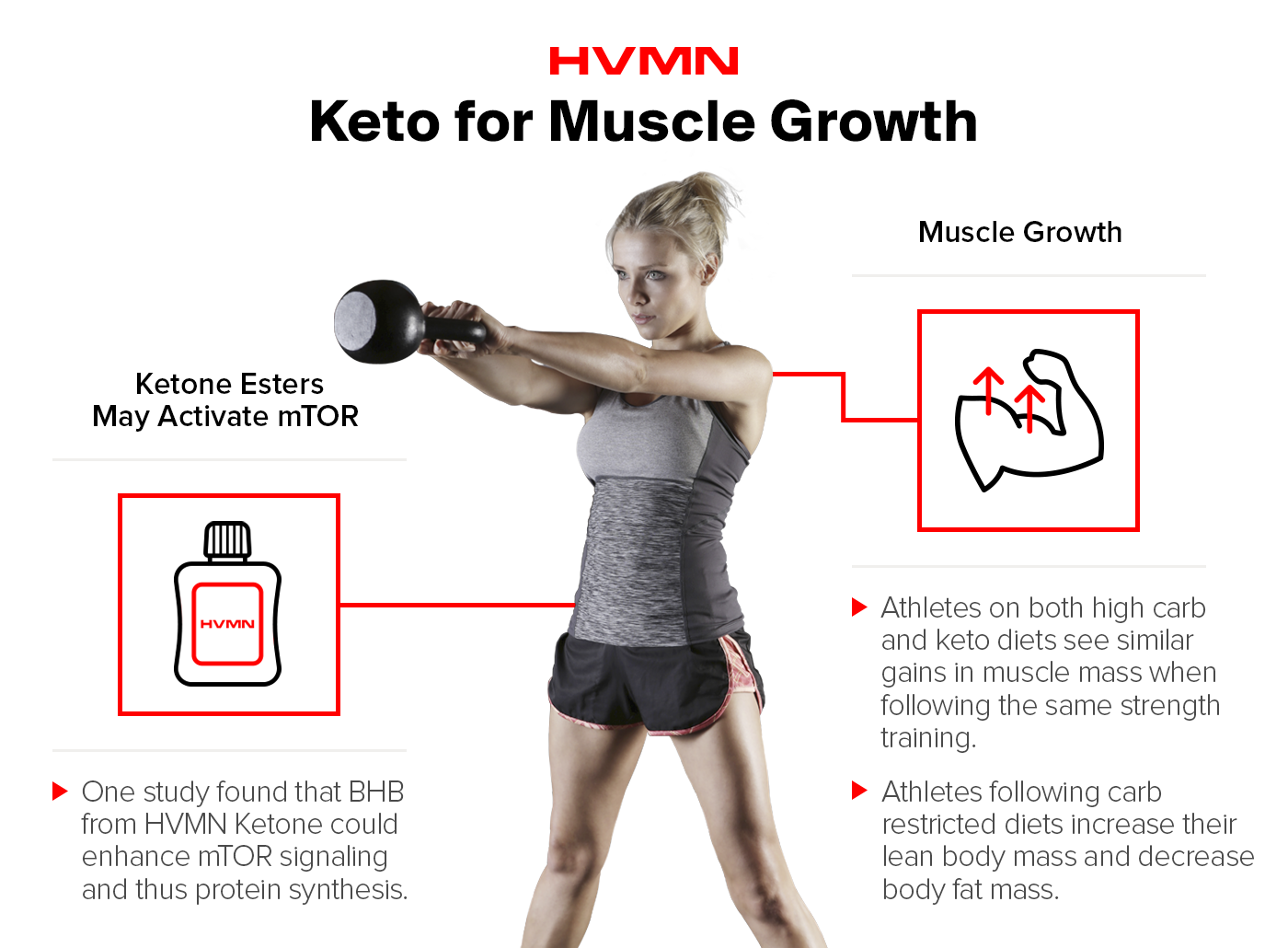
Many bodybuilders have successfully maintained and even increased their muscle mass on keto. The trick lies in protein consumption. Aim to consume an adequate amount of protein to support muscle repair and growth. If you’re lifting weights, your muscles need this protein to rebuild stronger.
Ketones And Muscle Preservation
You might wonder if ketones can help in preserving muscle tissue. They can. During ketosis, your body becomes efficient at burning fat instead of breaking down muscle protein for energy. This muscle-sparing effect can be particularly beneficial during calorie deficits.
A personal story: I decided to try the keto diet while training for a 10k race. Initially, I worried about losing muscle. Yet, by carefully monitoring my protein intake and ensuring a steady flow of ketones, I maintained my muscle mass. This experience taught me the importance of balancing macronutrients on keto.
Have you considered how these shifts in energy sources might affect your workout routines? You may need to tweak your training approach. Keto can be a powerful tool for muscle growth if you understand its impact and adjust your diet and exercise plans accordingly. Tailor your keto journey to suit your fitness goals.
Credit: ketone.com
Optimizing Keto For Muscle Gain
Building muscle on the keto diet might seem challenging. Yet, with the right approach, it’s entirely possible. Optimizing your keto diet for muscle gain involves smart planning. This includes balancing your macros and choosing the right supplements.
Balancing Macros For Muscle Growth
Protein is crucial for muscle growth. Ensure you consume enough protein each day. Aim for 1.6 to 2.2 grams per kilogram of body weight. Fat intake should remain moderate. Too much fat can hinder muscle development. Carbs are low in keto, but timing is key. Consider consuming carbs before workouts for energy.
Essential Supplements For Keto Athletes
Supplements can support your muscle-building goals. Creatine is a popular choice. It boosts strength and muscle mass. Electrolytes are vital for those on keto. They prevent cramping and fatigue. Beta-Alanine can enhance performance. It delays muscle fatigue during workouts.
Challenges Of Building Muscle On Keto
The keto diet is popular for weight loss. But building muscle on it can be tough. The diet is high in fats and low in carbs. This makes it hard to get enough energy for workouts. Also, your body might struggle to recover after exercise. Fatigue may set in easily. Here, we explore these challenges and how to tackle them.
Overcoming Energy Deficits
Carbs are the main energy source for workouts. On keto, carbs are limited. This can lead to energy deficits. Your body needs time to adapt. It has to learn to use fats for fuel. This period is called keto-adaptation. During this time, energy levels might drop. To combat this, increase your fat intake. Choose healthy fats like avocados and nuts. This provides the energy needed for muscle building.
Managing Recovery And Fatigue
Recovery is crucial for muscle growth. On keto, recovery can be slower. This is due to the lack of glycogen. Glycogen helps in muscle repair. Without it, fatigue can increase. Sleep is essential. Get enough rest each night. Hydration is important too. Drink plenty of water. Consider electrolyte supplements. These help in reducing fatigue. They also support muscle recovery. Balance is key. Ensure your diet meets all your nutritional needs.
Success Stories And Case Studies
Discover inspiring stories of building muscle on the keto diet. Real people share their journeys and challenges. Success in balancing protein and fat intake leads to impressive muscle gains, proving keto’s potential for fitness enthusiasts.
Success stories often inspire and motivate those on a fitness journey. Many wonder if muscle gain is possible on a keto diet. The answer lies in real-life experiences. These stories highlight successes and lessons learned from dedicated keto athletes.
Real-life Keto Muscle Gain Experiences
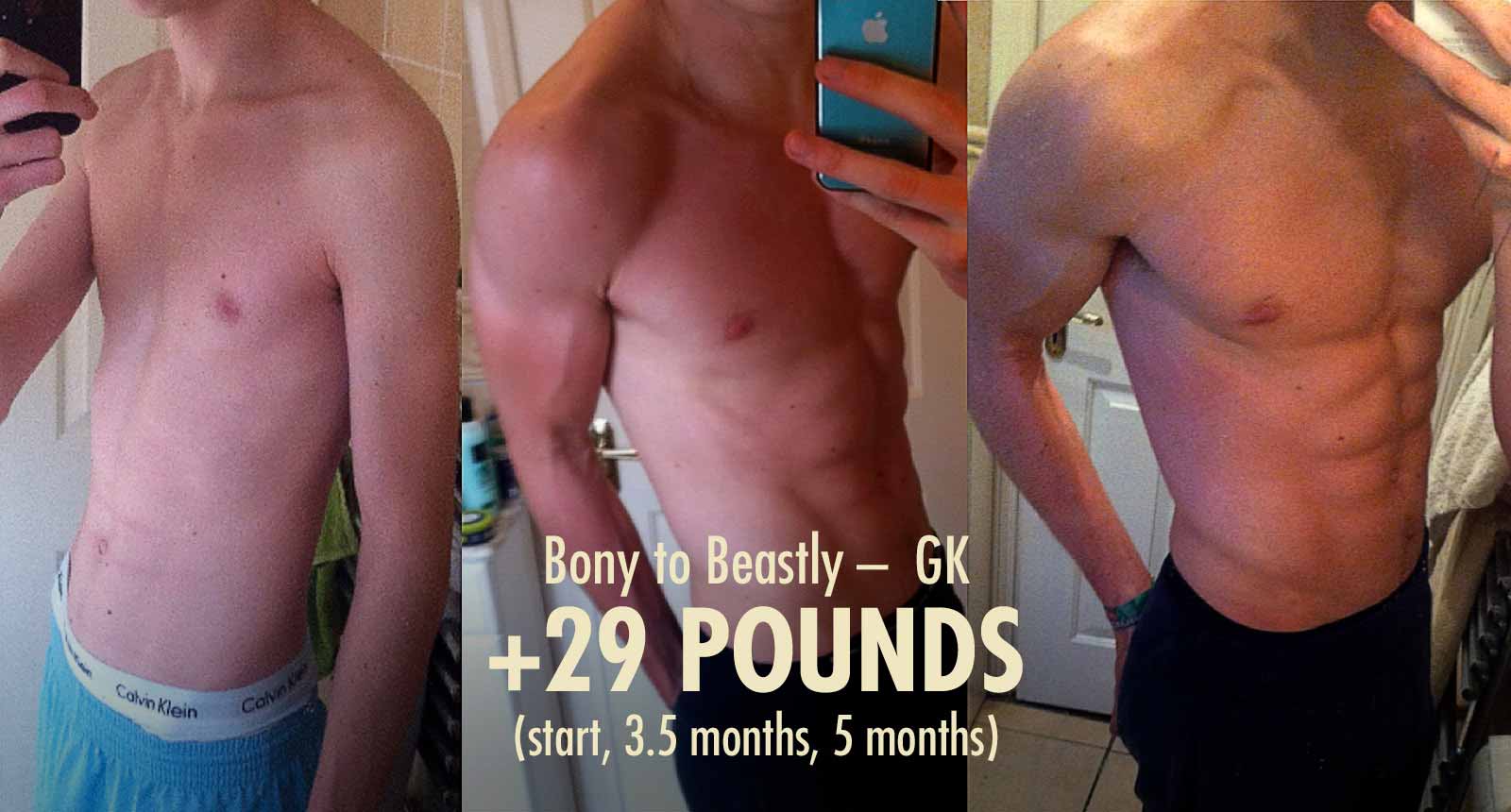
Several individuals have achieved muscle growth on keto. Take John, a 30-year-old fitness enthusiast. He switched to keto after struggling with other diets. Within six months, he gained 10 pounds of muscle. His secret? A disciplined routine and proper nutrient balance. John focused on high-quality protein sources. Eggs, chicken, and fish were staples in his diet. Sarah, a professional athlete, also shared her journey. She was skeptical about keto at first. But she soon noticed increased strength and muscle definition. Her diet included leafy greens and avocados. These foods provided essential nutrients. Sarah also emphasized hydration. Drinking enough water helped her maintain energy.
Lessons Learned From Keto Athletes
Successful keto athletes have shared valuable insights. One key lesson is consistency. Sticking to the diet is crucial. It helps the body adapt to fat as fuel. Another lesson is the importance of macros. Calculating the right protein intake supports muscle growth. Some athletes also highlight the role of supplements. They use electrolytes to prevent imbalances. This helps maintain workout performance. Listening to the body is another critical lesson. Rest and recovery are vital for muscle repair. These stories show that building muscle on keto is possible. With the right approach and dedication, success is within reach.
Expert Tips For Keto Muscle Building
Building muscle on the keto diet might seem challenging. But it’s achievable with the right guidance. Experts offer insights to help you succeed in this journey. These tips cover nutrition and training. Let’s explore expert advice for keto muscle building.
Advice From Nutritionists
Nutritionists emphasize protein intake. Consuming enough protein is crucial for muscle growth. Focus on sources like fish, chicken, and tofu. Healthy fats are also important. They provide energy for workouts. Avocados, nuts, and olive oil are great options. Hydration plays a key role, too. Drink plenty of water daily. It supports muscle recovery and performance.
Training Strategies From Fitness Coaches
Fitness coaches suggest strength training. It helps build muscle effectively. Focus on compound exercises like squats and deadlifts. These exercises target multiple muscle groups. Consistency is essential. Train regularly to see results. Rest is important, too. Muscles need time to recover and grow. Aim for at least one rest day each week.
Credit: bonytobeastly.com
Frequently Asked Questions
Can I Do Keto And Still Build Muscle?
Yes, you can build muscle on a keto diet. Focus on consuming adequate protein and healthy fats. Incorporate resistance training to stimulate muscle growth. Monitor your macronutrients to maintain ketosis while supporting muscle development. Stay hydrated and ensure sufficient calorie intake for optimal results.
Can You Gain Muscle On Keto?
Yes, you can gain muscle on the keto diet. By consuming adequate protein and healthy fats, your body can maintain muscle growth. Combine this diet with resistance training for optimal results. Ensure your calorie intake supports muscle gain while staying in ketosis.
What Foods Help Muscle Growth On Keto?
Foods rich in protein and healthy fats aid muscle growth on keto. Include lean meats like chicken, beef, and fish. Add eggs, nuts, seeds, and dairy products like cheese. Avocado and coconut oil provide essential fats. These foods support muscle repair and growth.
How Does Keto Affect Workout Performance?
Keto can initially reduce workout performance due to low carbs. However, your body adapts by using fats for energy. This adaptation improves endurance over time. Ensure adequate protein and electrolytes to support exercise. Listen to your body and adjust your workouts as needed.
Conclusion
Building muscle on the keto diet is possible. This diet offers protein and healthy fats. Both help in muscle growth. Focus on strength exercises. Drink plenty of water. Choose nutrient-rich foods. Monitor your body’s response. Adjust your diet for best results.
Progress takes time and patience. Listen to your body’s needs. A balanced approach is key. Stay consistent and motivated. Consult a dietitian for personalized advice. Remember, everyone’s journey is unique. Find what works for you. Keep a positive mindset. Achieve your muscle goals with dedication.