Are you ready to kickstart your fitness journey but unsure where to begin? A well-structured starter gym workout plan is exactly what you need to build confidence and see results.
Picture yourself feeling energized, stronger, and more in control of your health. With the right plan, you can transform those visions into reality. This isn’t just about lifting weights or running on the treadmill; it’s about creating a routine that fits seamlessly into your life, motivating you every step of the way.
Imagine walking into the gym with a plan tailored just for you, knowing each exercise is a step towards the new, improved you. Curious to know how to get there? Let’s dive into the essentials of a starter gym workout plan and discover how it can make a difference in your life.
Credit: dmtl.africa
Setting Fitness Goals
Setting fitness goals can kickstart your journey to a healthier lifestyle. A starter gym workout plan offers a structured approach for beginners. It helps build confidence and establish a routine, making exercise a sustainable habit.
Embarking on a new gym journey can be both exciting and overwhelming. Setting fitness goals is crucial to navigate through this experience effectively. These goals serve as a roadmap, guiding you through your workouts and helping you track your progress. You don’t need to be a fitness guru to set effective goals; you just need a clear vision of what you want to achieve and the determination to pursue it.Understanding Your Why
Before you set your fitness goals, reflect on why you want to start this journey. Is it to boost your energy levels, improve your health, or build strength? Pinning down your motivation will fuel your commitment on days when you’re tempted to skip a workout.Setting Realistic Goals
Are you aiming to run a marathon or simply want to enhance your daily stamina? Start small and build up gradually. Setting realistic goals prevents burnout and keeps you motivated. For instance, aim to increase your workout duration by five minutes each week.Making Goals Specific And Measurable
Vague goals lead to vague results. Instead of saying “I want to get fit,” specify what that means for you. Do you want to lose ten pounds or lift a certain weight? Make your goals measurable so you can easily track your progress.Creating Short-term And Long-term Goals
Short-term goals act as stepping stones to your ultimate aim. If your long-term goal is to lose 30 pounds, set a short-term goal of losing five pounds in the next month. Celebrate small wins to keep yourself motivated.Adjusting Goals As You Progress
Fitness is a dynamic journey. As you progress, reassess and adjust your goals. If you achieve a goal quicker than anticipated, challenge yourself with a new one. Conversely, if a goal seems too challenging, break it down into smaller steps.Tracking Your Progress
How do you know if you’re moving in the right direction? Track your progress consistently. Use a journal or fitness app to record achievements, workouts, and milestones. Seeing tangible results can boost your motivation.Seeking Accountability
Accountability partners can make a big difference. Whether it’s a friend, personal trainer, or online community, sharing your goals and progress can provide encouragement and constructive feedback. Who can you invite into your fitness journey? By setting clear, actionable fitness goals, you lay a solid foundation for success. Remember, every step you take brings you closer to your objectives. So, what’s your first goal going to be?
Credit: in.pinterest.com
Choosing The Right Gym
Choosing the right gym is crucial for kickstarting your fitness journey. The environment, equipment, and community can significantly impact your motivation and progress. Finding a gym that aligns with your goals and preferences is essential to making your starter workout plan effective and enjoyable.
What Are Your Fitness Goals?
Identifying your fitness goals helps narrow down your gym choices. Are you aiming to build muscle, lose weight, or improve endurance? Each gym offers different facilities and classes that cater to specific needs. If you’re interested in weightlifting, look for gyms with extensive free weights and machines.
Consider Location And Accessibility
The gym’s location can make or break your workout routine. Choose a gym that’s conveniently located near your home or workplace to reduce excuses for skipping sessions. Accessibility is key; if it’s too far, you may find yourself missing workouts more often than not.
Evaluate Equipment And Facilities
Take a tour before committing. Check if the gym has the equipment you need for your starter workout plan. Are the machines well-maintained? Is there enough space during peak hours? A crowded gym can hinder your progress and dampen your enthusiasm.
Community And Atmosphere
Does the gym foster a welcoming atmosphere? A supportive community can boost your motivation. Look for places with friendly staff and members who encourage each other. You want to feel comfortable and inspired every time you step in.
Cost And Membership Flexibility
Consider your budget and the membership options available. Some gyms offer flexible plans, like month-to-month memberships, which can be ideal if you’re starting out. Weigh the costs against the benefits and services offered.
Extra Perks And Amenities
Gyms often provide additional perks like personal training, group classes, or saunas. Determine which extras are important to you. If you enjoy group classes, find a gym with a variety of options to keep your workouts exciting and diverse.
Finding the right gym is a personal journey. It involves asking yourself what truly matters in your fitness experience. Are you looking for a high-energy environment or a quiet space to focus? Your gym choice should be a place that encourages you to return, day after day. What’s the one thing you think will make your gym experience unforgettable?
Essential Workout Gear
A starter gym workout plan benefits from essential workout gear like comfortable shoes and breathable clothing. These items help you stay focused and prevent injuries during exercises. Don’t forget a water bottle to keep hydrated throughout your session.
Embarking on your fitness journey can be both exciting and daunting. One of the most crucial aspects to consider is your workout gear. The right gear not only enhances performance but also boosts motivation. Imagine stepping into the gym feeling confident and ready to tackle your workout. Your gear plays a big role in that. Let’s dive into what you need to get started on the right foot.Comfortable Clothing
Choosing the right clothing is essential. You want to be comfortable, but also have the freedom to move. Opt for breathable fabrics like cotton or moisture-wicking materials. These keep you dry and comfortable during intense sessions. Consider leggings or shorts that provide flexibility for various exercises.Quality Footwear
The right shoes can make a significant difference. Look for trainers that offer good arch support and cushioning. This prevents injuries and enhances your performance. Remember, your feet bear the brunt of your workout. Investing in a pair of quality sneakers is a wise choice.Water Bottle
Staying hydrated is crucial. A reusable water bottle is not just eco-friendly, but also ensures you have water handy. It’s easy to forget about hydration during a workout. Keeping a bottle close by serves as a reminder to sip regularly.Workout Towel
Sweat is inevitable. A small, absorbent towel is your best friend. It keeps you dry and comfortable, allowing you to focus on your exercises. Plus, it’s courteous to wipe down equipment after use. A simple towel can make your gym experience much more pleasant.Music Playlist
Music can be a powerful motivator. Curate a playlist that gets you pumped and keeps you going. A set of wireless earbuds helps you stay focused without tangled cords. Imagine hitting that last rep with your favorite song pushing you forward. What tunes keep you motivated?Fitness Tracker
Tracking progress is motivating. A fitness tracker can help you monitor your steps, calories burned, and heart rate. Seeing real-time data can inspire you to push harder. It’s like having a personal coach on your wrist, encouraging you to reach your goals.Gym Bag
A sturdy gym bag keeps your gear organized. Look for compartments to separate items like clothes, shoes, and towels. It’s convenient to have everything in one place. Plus, it saves you time searching for gear before a workout. Investing in the right workout gear sets the stage for a successful fitness journey. You’ll feel prepared and motivated to hit the gym with confidence. What gear makes you feel unstoppable?:max_bytes(200000):strip_icc()/SHAPE-X-SWEAT_Resized-1-ba1728b37f744342aa1b64c92c761b1f.png)
Credit: www.kamlahospital.com
Creating A Balanced Routine
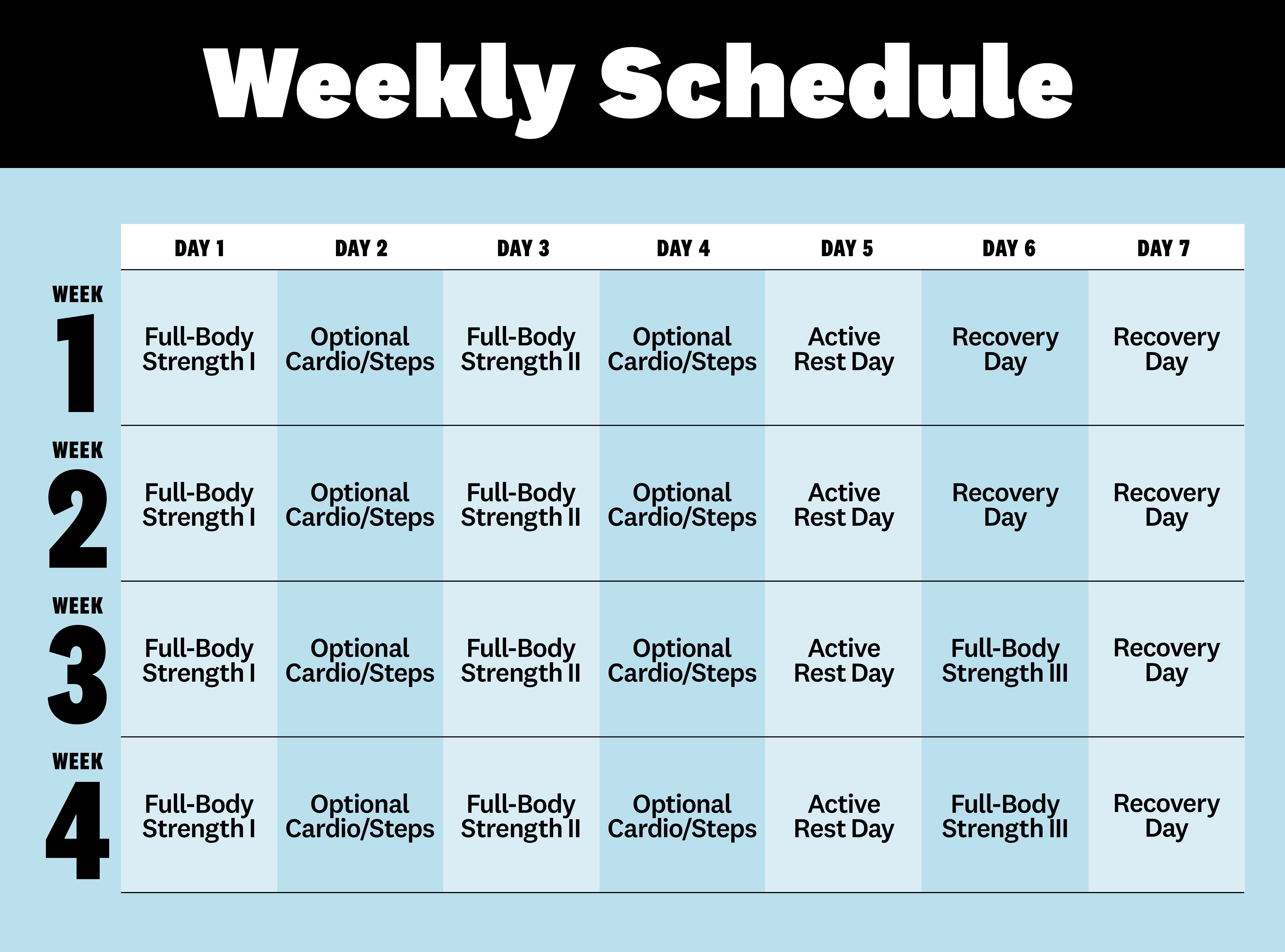
Embarking on a gym journey involves creating a balanced routine. Start with light cardio and basic strength exercises. Gradually increase intensity for improved fitness and confidence.
Creating a balanced routine is key to a successful gym journey. Newcomers often feel overwhelmed by the variety of exercises. This guide simplifies the process. It focuses on three essential components: strength, cardio, and flexibility. Each part plays a vital role in overall fitness. Combining these elements ensures a well-rounded workout plan. Let’s dive into the details.Strength Training Basics
Strength training builds muscle and boosts metabolism. Begin with simple exercises like squats and push-ups. These target major muscle groups. Use light weights to avoid injury. Gradually increase weight as strength improves. Aim for two to three sessions per week. Consistency is crucial for progress.Cardio For Beginners
Cardio improves heart health and burns calories. Start with activities like walking or cycling. Keep a moderate pace for 20 to 30 minutes. Adjust the intensity as stamina grows. Aim for at least three cardio sessions weekly. Mixing activities can keep workouts exciting.Flexibility And Stretching
Flexibility prevents injuries and enhances performance. Stretching should follow each workout. Focus on major muscle groups. Hold each stretch for 15 to 30 seconds. Yoga or Pilates classes can also help improve flexibility. Consider adding one or two sessions weekly. Regular stretching promotes recovery and keeps muscles healthy.Understanding Nutrition
Beginning a gym journey requires understanding nutrition. Balanced meals fuel workouts and enhance strength. Start with proteins, carbs, and fats to support energy and muscle growth.
Understanding Nutrition Embarking on a gym workout plan is an exciting journey. But it’s not just about lifting weights or running on the treadmill. Nutrition plays a crucial role in your fitness success. If you’re serious about seeing results, understanding the basics of nutrition can make all the difference. It’s not just about what you eat, but how you fuel your body at different times. Let’s dive into the key aspects of nutrition that will support your workout goals.Macronutrients Explained
Macronutrients are the building blocks of your diet. They include proteins, carbohydrates, and fats. Each one plays a unique role in your body’s function and your workout results. Proteins are essential for muscle repair and growth. Think of them as the bricks that help build your muscle house. Foods like chicken, eggs, and beans are rich in protein. Carbohydrates are your body’s main source of energy. They’re like the fuel that powers your workout. Whole grains, fruits, and vegetables are excellent choices. Fats often get a bad rap, but they are vital for hormone production and joint health. Avocados, nuts, and olive oil are healthy fat sources. Balancing these macronutrients is key. Too much or too little of any can hinder your progress.Hydration Importance
Hydration is often overlooked, but it’s incredibly important. Your body is made up mostly of water, and it needs it to function properly. Dehydration can lead to fatigue and reduced performance. Make it a habit to drink water throughout the day. Keep a water bottle with you as a reminder. If you’re not a fan of plain water, try adding a slice of lemon or cucumber for flavor. Remember, if you feel thirsty, you’re already dehydrated. So, stay ahead of it. Proper hydration can boost your energy levels and help you recover faster.Pre And Post-workout Meals
What you eat before and after your workout matters. A good pre-workout meal fuels your body for the exercise ahead. Aim for a mix of carbohydrates and protein, like a banana with a small handful of almonds. After your workout, your body needs nutrients to recover. A post-workout meal should include protein and carbohydrates. A simple choice could be a grilled chicken breast with brown rice. Timing is also crucial. Try to eat your pre-workout meal about 30-60 minutes before exercising. Your post-workout meal should be consumed within an hour after you finish. Fuel your body with the right nutrients at the right times, and you’ll notice the difference in your performance and recovery. Do you pay attention to what you eat and drink around your workouts? If not, now is the time to start. Every small change can lead to big results on your fitness journey.Tracking Progress
Achieving fitness goals becomes simpler with a starter gym workout plan. Track progress regularly to stay motivated. This helps in adjusting routines for better results.
Embarking on a starter gym workout plan is an exciting journey toward better health and fitness. However, the real magic lies in tracking your progress. When you track your progress, you transform abstract goals into concrete achievements. You see your growth and understand what works best for you. Do you know the joy of looking back and seeing how far you’ve come? It’s incredibly motivating!Using Fitness Apps
In today’s digital age, fitness apps are like having a personal trainer right in your pocket. They offer features to log workouts, count calories, and track your progress over time. Most importantly, they provide a visual representation of your achievements. Imagine this: you start your week with a goal to run 5 kilometers. As the app records your runs, you can see your pace improving. The graphs and stats are not just numbers; they’re your growth story. Have you tried using an app to set reminders for your workouts? These reminders can help you stay consistent. Plus, many apps offer community features. Connecting with others can provide support and inspiration. So why not give it a shot and see how it fits into your routine?Keeping A Workout Journal
While apps are great, nothing beats the satisfaction of pen and paper. A workout journal is a personal space to jot down your thoughts, feelings, and achievements. It’s like having a conversation with yourself about your fitness journey. Picture this: you finish a workout and write down what you did, how you felt, and what you want to improve next time. Over time, your journal becomes a reflection of your persistence and hard work. Have you ever looked back at old entries and realized just how much you’ve grown? Keeping a journal is also about honesty. Were you feeling unmotivated? Write it down. Did you exceed your expectations? Celebrate it in your journal! This practice helps you stay accountable and mindful of your progress. Which method suits you best? Whether you choose a tech-savvy app or a classic journal, tracking your progress is all about finding what keeps you motivated and engaged.Staying Motivated
Starting a gym workout plan boosts motivation through achievable goals. Regular exercise builds confidence and improves mood. Stay committed with a routine that fits your lifestyle.
Staying motivated during your starter gym workout plan can sometimes feel like an uphill battle. It’s easy to start with excitement, only to find it dwindling as days pass. But staying motivated is crucial to reaching your fitness goals. How do you keep the fire burning? Let’s explore some practical ways to maintain your enthusiasm and dedication.Finding A Workout Buddy
One of the best ways to keep your motivation high is by finding a workout buddy. A friend or family member who shares your fitness goals can provide the support and accountability you need. Having someone by your side makes workouts more fun and enjoyable. You can share your progress, challenge each other, and celebrate achievements together. Plus, knowing someone is waiting for you at the gym makes it much harder to skip a session. When I started my fitness journey, partnering with a friend was a game-changer. We set weekly goals and motivated each other when the going got tough. It wasn’t just about pushing weights; it was about pushing each other to become better.Celebrating Small Wins
Celebrating small wins is another powerful motivator. It’s easy to overlook little achievements when you’re focused on the end goal, but recognizing these milestones can boost your morale and keep you moving forward. Whether you managed to run an extra five minutes or lift a heavier weight, take a moment to acknowledge these victories. They are proof of your progress and dedication. Consider keeping a journal to track these small wins. Write down what you’ve achieved each week and how it makes you feel. This practice not only reinforces your achievements but also provides a tangible record of your journey, making it easier to see how far you’ve come. What small win have you celebrated recently? Reflect on it and let it fuel your next workout session.Common Mistakes To Avoid
Starting a gym workout plan can be exciting, yet common mistakes often derail progress. Overtraining leads to fatigue and injury. Ignoring proper form risks harm. Consistency matters more than intensity.
Starting a gym routine can be both exciting and daunting. It’s easy to be overwhelmed with enthusiasm, but it’s equally simple to fall into common traps that can derail your progress. Understanding these pitfalls can be the difference between reaching your goals and facing frustration. Let’s dive into some common mistakes you should avoid when starting your gym workout plan.Skipping Warm-ups
Many beginners overlook the importance of warming up, eager to jump straight into their workout. This can lead to injuries and muscle strain. Take five to ten minutes to prepare your body with dynamic stretches or light cardio. This not only reduces the risk of injury but also enhances your performance.Ignoring Proper Form
Lifting heavy weights without proper form can be tempting, but it’s a fast track to injury. Focus on technique rather than the amount of weight you can lift. Use mirrors or ask a trainer to help ensure you’re moving correctly. Good form will maximize your results and keep you safe.Neglecting Rest Days
It may feel counterproductive, but rest days are crucial. Your muscles need time to recover and grow stronger. Skipping rest can lead to burnout and fatigue. Plan at least one to two rest days a week to recharge and come back stronger.Underestimating Nutrition
You can’t out-train a bad diet. What you eat plays a huge role in your fitness journey. Consider tracking your meals and ensuring you’re getting a balance of protein, carbs, and fats. Proper nutrition fuels your workouts and aids recovery.Being Inconsistent
Consistency is key to seeing progress. It can be challenging to keep up with regular workouts, but creating a schedule can help. Find a routine that fits your lifestyle and stick with it. Even if progress seems slow, persistence pays off.Setting Unrealistic Goals
Setting goals is important, but they need to be achievable. Unrealistic expectations can lead to disappointment and demotivation. Break your goals into smaller, manageable steps. Celebrate small victories to maintain motivation. Reflect on your gym journey. Are you guilty of any of these mistakes? Identifying and correcting them can put you back on track. Remember, progress is a marathon, not a sprint. What small change can you make today to improve your workout plan?Adapting Your Plan Over Time
Beginner gym plans need flexibility. As fitness improves, adjust exercises and intensity. This keeps workouts effective and engaging.
Embarking on a starter gym workout plan is an exciting journey. As you begin, it’s important to remember that your plan isn’t set in stone. You’ll need to adapt and evolve your workout over time to meet your growing needs and goals. This adaptability is key to sustained progress and avoiding plateaus. How do you know when it’s time to change things up? Let’s dive into the nuances of listening to your body and adjusting intensity.Listening To Your Body
Your body is an incredible source of information. It communicates through sensations, feelings, and sometimes pain. Pay attention to how you feel during and after workouts. Are you constantly tired or feeling unusually sore? This might be a sign you need more rest or a change in your routine. On the flip side, if you find your workouts becoming too easy, your body is telling you it’s ready for more. Trust these signals and make adjustments accordingly.Adjusting Intensity
As your fitness improves, adjusting the intensity of your workouts is crucial. This doesn’t mean pushing yourself to exhaustion but rather finding the right balance that challenges you without causing harm. Consider increasing weights or adding more reps to your exercises. If you typically jog, try incorporating intervals of sprinting. Keep track of your progress. Note how your body responds to these changes. You might surprise yourself with the strength and resilience you’ve built. Adapting your plan doesn’t have to be overwhelming. Think of it as a journey where each tweak brings you closer to your goals. How will you challenge yourself today?Frequently Asked Questions
What Is The 5-3-1 Rule In Gym?
The 5-3-1 rule is a strength training program by Jim Wendler. It focuses on performing sets of 5, 3, and 1 reps with progressively heavier weights. This method promotes strength gains through consistent, calculated progression, ensuring safe and effective muscle building.
What Is The 3/2/1 Rule In Gym?
The 3/2/1 rule in the gym involves three sets, two exercises, and one minute of rest. This structure helps balance workout intensity and recovery, enhancing muscle growth and endurance. It’s a popular technique for efficient training sessions.
What Is The 5 4 3 2 1 Method Of Lifting?
The 5 4 3 2 1 lifting method involves performing descending sets. Start with five reps, then four, three, two, and finally one rep. This technique improves strength and muscle endurance, offering a structured workout approach. Ideal for weightlifters seeking progressive overload and muscle development.
What Should I Do For My First Gym Workout?
Start with a warm-up to prepare your body. Focus on basic exercises like squats and push-ups. Use light weights for strength training. Stay hydrated and listen to your body. Finish with a cool-down to relax your muscles.
Conclusion
Starting your gym journey can feel overwhelming. This plan simplifies it. You gain strength, improve health, and build confidence. Stick to the routine. Consistency is key. Listen to your body and rest when needed. Progress may seem slow, but every step counts.
Celebrate small victories. Adjust the plan as you grow stronger. Stay motivated by setting realistic goals. Remember, everyone starts somewhere. You’re not alone on this journey. Stay committed, and soon you’ll see results. Your fitness path is unique. Embrace it, and enjoy the process.
Keep pushing, keep striving, and most importantly, keep moving forward.