Ready to transform your workout routine and see real results? The Push Pull Workout Plan might just be the game-changer you’ve been searching for.
Imagine a workout system that not only maximizes your gains but also keeps your routine fresh and exciting. By focusing on opposing muscle groups, this plan ensures balanced muscle development and reduced risk of injury. Curious about how you can incorporate this effective strategy into your fitness regimen?
Stay with us as we delve into the mechanics of the Push Pull Workout Plan, tailored to suit both beginners and seasoned gym-goers. Get ready to unlock the secrets of a balanced, efficient workout that can elevate your fitness game to new heights.

Credit: www.pinterest.com
Benefits Of Push-pull Workouts
Push-pull workouts are a popular choice for strength training. They focus on different muscle groups on different days. This approach offers many benefits for fitness enthusiasts.
Balanced Muscle Development
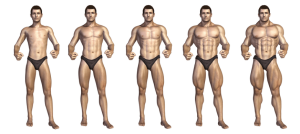
Push-pull workouts promote balanced muscle development. By targeting opposing muscle groups, imbalances reduce. This results in a more symmetrical physique. Both push and pull exercises get equal attention. This helps in building strength evenly across the body.
Improved Recovery Times
These workouts allow better recovery times. Each muscle group gets rest while the other works. This reduces the risk of overtraining. Faster recovery leads to improved performance. You can train more effectively and avoid burnout.
Core Concepts Of Push-pull Training
The push-pull workout plan is a game-changer for those looking to maximize efficiency in their training routine. This method divides exercises into two categories—push and pull—allowing you to target different muscle groups in a balanced manner. Imagine going to the gym with a clear strategy that not only enhances your strength but also keeps you engaged. As someone who once struggled with finding the right balance in workouts, adopting push-pull training offered clarity and results. Are you ready to streamline your exercise regime?
Push Exercises Explained
Push exercises focus on muscles responsible for pushing movements. Think about the muscles involved when you push a door open or press weights above your head. These include your chest, shoulders, and triceps. Common push exercises are bench presses, shoulder presses, and push-ups.
Incorporating push exercises into your routine can help improve upper body strength significantly. You’ll notice better muscle tone and increased endurance over time. It’s essential to ensure you use proper form to prevent injury and maximize benefits.
Pull Exercises Defined
Pull exercises target muscles used for pulling actions. Consider the muscles you engage when you pull a rope or lift something off the ground. Your back, biceps, and forearms are primarily involved here. Exercises like pull-ups, rows, and deadlifts fall under this category.
Pull exercises are crucial for building a strong back and improving posture. They complement push exercises by working opposing muscle groups. Balancing both push and pull exercises can help you achieve a well-rounded physique and prevent muscle imbalances.
Creating a push-pull workout plan not only brings structure to your training but also ensures balanced muscle development. Why not give it a try and see how it transforms your fitness journey?
Designing Your Push Workout
Designing your push workout is a crucial step in achieving balanced muscle development. This approach emphasizes exercises that target the muscles responsible for pushing movements. You’ll engage your chest, shoulders, and triceps, along with your quadriceps and calves. But how do you create an effective push workout that keeps you motivated and delivers results?
Upper Body Push Exercises
When you plan your upper body push workout, think about exercises that activate your chest, shoulders, and triceps. Start with the classic bench press, which targets your chest and triceps. This exercise is a staple for building upper body strength. You might be surprised at how quickly your strength improves with consistent practice.
Another effective exercise is the overhead shoulder press. It focuses on your shoulders and upper back. If you prefer variety, try using dumbbells instead of a barbell. Dumbbells allow for a wider range of motion, enhancing muscle engagement. What benefits have you experienced with different weights?
Don’t forget push-ups. They’re simple yet powerful. As you push against your own body weight, you work your chest, shoulders, and triceps. Adding variations, like incline or decline push-ups, can keep the workout fresh and challenging.
Lower Body Push Techniques
Your lower body push workout should highlight exercises for your quadriceps and calves. Begin with squats, a fundamental exercise for building leg strength. Squats engage your quads, glutes, and even your core. Try different squat variations, like front squats or goblet squats, to target your muscles from different angles.
Leg press machines offer another lower body push option. They isolate your quads and calves, providing a controlled environment for muscle growth. Adjusting the seat position can help target specific areas. Have you found particular settings that challenge you more effectively?
Calf raises are essential for building strong calves. These can be performed with free weights or machines. Experiment with different speeds and foot positions to maximize their effectiveness. How have calf exercises impacted your overall lower body strength?
Creating a push workout isn’t just about following a routine. It’s about understanding your body’s response and adapting to maximize results. How will you tailor your push workout to suit your personal goals and experiences?
Crafting Your Pull Workout
Designing your pull workout enhances your push pull workout plan. Focus on exercises like rows and pull-ups. Balance your routine for optimal muscle growth and strength.
Crafting Your Pull Workout Creating an effective pull workout is crucial for balanced muscle development and strength. It focuses primarily on exercises that engage the muscles responsible for pulling motions. By structuring your routine with the right exercises, you’ll enhance your upper and lower body strength and improve overall fitness.Upper Body Pull Movements
Upper body pull movements are essential for building a strong back, shoulders, and arms. Exercises like pull-ups and chin-ups are excellent for targeting the lats and biceps. If you’re new to pull-ups, start with assisted versions using resistance bands. Rows are another staple, and they can be performed with barbells, dumbbells, or cables. Bent-over rows, seated cable rows, and single-arm dumbbell rows are effective options to include. They engage your upper back and help improve posture. Face pulls are often overlooked but are great for shoulder health. They target the rear deltoids and upper traps. Ensure to keep your movements controlled and maintain a slight bend in your elbows for maximum benefit.Lower Body Pull Strategies
Lower body pull exercises focus on the posterior chain, which includes the hamstrings, glutes, and lower back. Deadlifts are a powerhouse movement in this category. Whether you choose conventional, sumo, or Romanian deadlifts, they all offer significant strength gains. Good mornings are another excellent exercise to strengthen your lower back and hamstrings. Start with lighter weights to perfect your form and gradually increase the load as you feel more confident. Don’t forget about hamstring curls, which can be done on a machine or with a stability ball. This exercise isolates the hamstrings and can be a great finishing move for your workout. What motivates you to pull through your workout routines? By focusing on form and gradually increasing intensity, you can make consistent progress. Remember, the key is consistency and listening to your body to avoid overtraining.Structuring Your Weekly Routine
Creating a weekly workout routine can seem complex. But a push-pull plan simplifies it. This plan divides exercises into two main groups. Push exercises involve pushing weights away. Pull exercises involve pulling weights toward you. Structuring your routine right is key to success.
Determining Workout Frequency
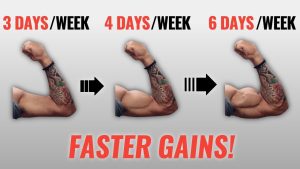
First, decide how many days you can train. Beginners might start with three days a week. More experienced trainers might aim for four or five days. Balance is important. Too many workouts can cause fatigue. Too few can slow progress.
Balancing Push And Pull Days
Next, balance your push and pull days. If you train four days a week, alternate them. For example, do push on Monday and pull on Tuesday. Then repeat this pattern. This helps muscles recover while keeping you active.

Credit: scitron.com
Common Mistakes To Avoid
Embarking on a push-pull workout plan can transform your fitness journey. It balances muscle growth and recovery effectively. Yet, many fall prey to common pitfalls that hinder progress. Understanding these mistakes can enhance your workout results and prevent injuries. Let’s explore some frequent errors to sidestep.
Overtraining Risks
Overtraining poses a significant risk in push-pull routines. Many enthusiasts train every day, thinking it speeds up results. This approach can lead to fatigue and injuries. Muscles need time to repair and grow stronger. Without rest, performance declines and gains plateau. Listen to your body. Rest days are crucial for recovery and growth.
Neglecting Muscle Groups
Ignoring certain muscle groups disrupts balance and can cause imbalances. Some focus too much on upper body exercises, neglecting the legs. This leads to uneven strength and potential injuries. Ensure your plan includes all major muscle groups. Balance is key for overall strength and symmetry. Remember, a strong foundation supports your entire body.
Adapting Workouts For All Levels
Adapting workouts for all levels makes fitness accessible to everyone. A push-pull workout plan can fit beginners and advanced athletes alike. Adjusting exercises ensures progress without injury. This plan allows you to grow at your own pace. Let’s dive into how you can tailor your workouts.
Beginner Modifications
Beginners benefit from simple modifications. Start with lighter weights to build strength. Focus on form to prevent injuries. Use resistance bands for added support. Take breaks to maintain energy. Gradually increase reps as confidence grows.
Push-ups can be done on knees. This reduces pressure on wrists and shoulders. Seated rows are effective with minimal weight. This strengthens muscles without strain. Remember, consistency is key. Keep your routine steady and manageable.
Advanced Variations
Advanced athletes seek more challenging routines. Increase weight for greater resistance. Incorporate supersets to boost intensity. This reduces rest and maximizes effort. Try variations like decline push-ups. This targets different muscle groups.
Incorporate compound exercises for efficiency. Deadlifts and pull-ups engage multiple muscles. These exercises enhance strength and endurance. Experiment with tempo changes. Slow reps increase muscle tension and control. Advanced athletes benefit from a dynamic workout.
Keep the workouts interesting. Change routines to prevent plateaus. Challenge yourself with new exercises regularly. Advanced variations keep your muscles guessing. They provide a comprehensive workout experience.

Credit: in.pinterest.com
Incorporating Cardio And Flexibility
Enhancing a push-pull workout plan with cardio boosts endurance and heart health. Flexibility exercises improve movement and reduce injury risk. Together, they create a balanced fitness routine.
Incorporating cardio and flexibility into your push-pull workout plan can significantly enhance your fitness journey. These elements not only boost your cardiovascular health but also improve your range of motion and prevent injuries. By adding cardio and stretching, you create a balanced routine that supports overall well-being and maximizes results.Integrating Cardio Sessions
Adding cardio to your push-pull workout plan is simpler than it sounds. You don’t need to spend hours on a treadmill; short, high-intensity sessions can be incredibly effective. Think about a 20-minute HIIT session after your strength training. It can keep your heart rate up and torch calories. Try different forms of cardio, like cycling or swimming, to keep it interesting. You could even alternate between jogging and brisk walking. This variety not only challenges different muscle groups but also keeps you mentally engaged. Have you considered how cardio can boost your mood? It’s like a natural pick-me-up, leaving you energized and ready to tackle your next workout. The key is consistency. Schedule your cardio sessions just like you would any other appointment.Adding Stretching Routines
Stretching is often overlooked, but it’s crucial for a complete workout plan. Think of stretching as a reward for your muscles after they work hard. It can prevent soreness and improve flexibility, making your next workout more effective. Start with dynamic stretches to warm up before you lift weights. Arm circles and leg swings can prepare your body for the push-pull routine. After your workout, switch to static stretches to cool down. Focus on major muscle groups like your hamstrings and shoulders. Have you ever felt a sudden tightness after a workout? Regular stretching can help alleviate this discomfort. It’s also a moment to relax and breathe deeply, reducing stress. Why not add a few yoga poses to your routine? It can be a fun way to improve both balance and flexibility. How will you enhance your push-pull workout with cardio and flexibility exercises? By thoughtfully adding these elements, you can elevate your fitness game and enjoy a well-rounded routine.Frequently Asked Questions
Is Push Pull Workout Effective?
Yes, push-pull workouts are effective for building muscle. They optimize recovery by alternating muscle groups. This method enhances strength and balance, offering an efficient workout strategy. It’s suitable for beginners and experienced lifters, promoting overall fitness.
Does The 6 12 25 Method Work?
Yes, the 6 12 25 method can be effective for budgeting and saving. It involves saving 6 months’ worth of expenses, checking your budget every 12 months, and keeping 25% of your income for discretionary spending. Its success depends on personal discipline and financial goals.
What Is The 4 2 1 Workout Schedule?
The 4 2 1 workout schedule involves four days of training, two days of rest, and one day of active recovery. This routine balances exercise intensity and recovery, helping maximize fitness gains while minimizing fatigue. It’s ideal for improving strength, endurance, and overall health.
Is 6 Days Ppl Too Much?
A 6-day push-pull-legs (PPL) routine can be intense but effective for experienced individuals. Ensure proper recovery, nutrition, and sleep to avoid overtraining. Listen to your body and adjust the intensity and volume if needed. Consult a fitness professional if unsure about your workout plan.
Conclusion
A push pull workout plan offers balanced muscle growth. It organizes exercises into two categories: push and pull. This method is efficient for strength and endurance. You can tailor the plan to fit your schedule. Consistency is key for seeing results.
Listen to your body and rest when needed. Always prioritize proper form to prevent injuries. Start with lighter weights, then gradually increase. This approach helps build confidence and improve performance. Push pull workouts provide variety, keeping routines fresh. Enjoy your fitness journey with this simple yet effective plan.
Stay committed and watch your strength grow.