Are you looking to transform your body by building muscle and losing fat? The secret isn’t just in the hours you spend at the gym, but also in understanding how to fuel your body with the right nutrients.
Macros, short for macronutrients, are the key ingredients your body needs to effectively build muscle and burn fat. By mastering the art of balancing proteins, fats, and carbohydrates, you can unlock the ultimate potential of your workouts. In this guide, you’ll discover how to tailor your macro intake to achieve your fitness goals faster than ever.
Ready to uncover the formula that will reshape your body and boost your confidence? Let’s dive in.
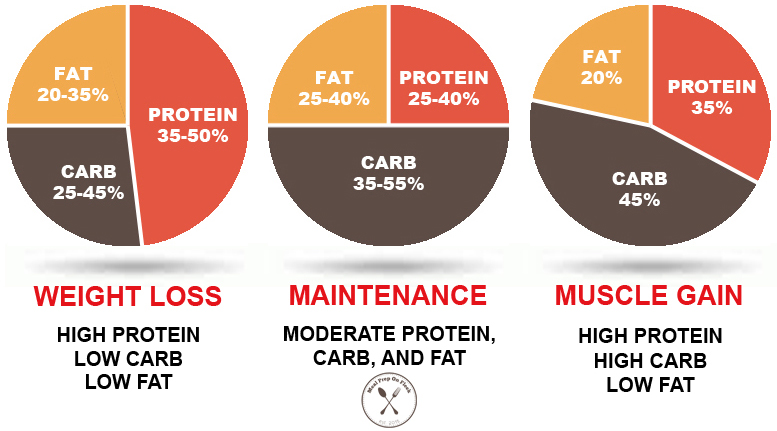
Credit: mealpreponfleek.com
Macronutrient Basics
Building muscle and losing fat rely on proper macronutrient balance. Protein fuels muscle growth, while carbohydrates provide energy. Healthy fats support overall body functions.
Macronutrient Basics Understanding macronutrients is key to achieving the dual goal of building muscle and losing fat. These essential nutrients—proteins, carbohydrates, and fats—each play a distinct role in your body’s functionality and composition. By mastering the balance of these macronutrients, you can fuel your body effectively and see real results.
Proteins And Their Role
Proteins are the building blocks of your muscles. When you work out, your muscles experience tiny tears that need repairing. Consuming sufficient protein helps in this repair process, leading to muscle growth. It’s not just about eating chicken breast or protein shakes. Think about variety—include plant-based proteins like lentils and quinoa for a balanced intake. Aim for a protein source in each meal to keep your muscles fueled throughout the day.
Carbohydrates For Energy
Carbs often get a bad rap, but they are your body’s primary energy source. When you engage in intense workouts, your body needs quick energy, and carbs provide that. They replenish glycogen stores, ensuring you can push through demanding sessions. Choose complex carbs like oatmeal, sweet potatoes, and whole grains. These not only provide energy but also deliver essential nutrients. Ask yourself: Are your carb choices fueling your workouts or leaving you sluggish?
Fats For Hormonal Balance
Fats are crucial for maintaining hormonal balance, which in turn affects muscle growth and fat loss. Healthy fats, such as those found in avocados and nuts, support testosterone production, a key hormone for muscle building. Don’t shy away from fats thinking they will make you fat. Instead, focus on quality. Incorporate a mix of omega-3 and omega-6 fatty acids to keep your body in optimal condition. Are you consuming enough healthy fats to support your fitness goals? By understanding and managing these macronutrients, you can create a nutrition plan that supports both muscle building and fat loss. The journey involves consistent effort and adjustments, but the results are worth it. What changes can you make today to better align your diet with your fitness objectives?

Credit: laurenjadescott.wixsite.com
Calculating Your Macros
Calculating your macros helps in building muscle and losing fat effectively. Balancing proteins, carbs, and fats is crucial. Tailor your intake to support workouts and recovery.
Calculating your macros is a game-changer when it comes to building muscle and losing fat. It’s like having a personalized roadmap to your fitness goals. The right balance of protein, fats, and carbohydrates can make all the difference. But how do you find that balance? Let’s dive into the nuts and bolts of calculating your macros.
Determining Caloric Needs
Before you can set your macros, you need to know your daily caloric needs. This is the foundation. Start with your Basal Metabolic Rate (BMR), which is the number of calories your body needs at rest. You can use online calculators for this. Once you have your BMR, factor in your activity level. Are you sedentary, moderately active, or highly active? This will adjust your caloric needs significantly. Think about your goals. Do you want to gain muscle or lose fat? Your caloric intake will differ depending on your objectives.
Macro Ratios For Muscle Gain
Looking to bulk up? Focus on increasing your protein intake. Aim for 1.2 to 1.7 grams of protein per kilogram of body weight. This supports muscle repair and growth. Carbs are your friend here. They provide the energy needed for intense workouts. Consider a ratio where 40-50% of your daily calories come from carbohydrates. Don’t ignore fats. They are crucial for hormone production. Allocate about 20-30% of your daily calories to healthy fats.
Adjusting Macros For Fat Loss
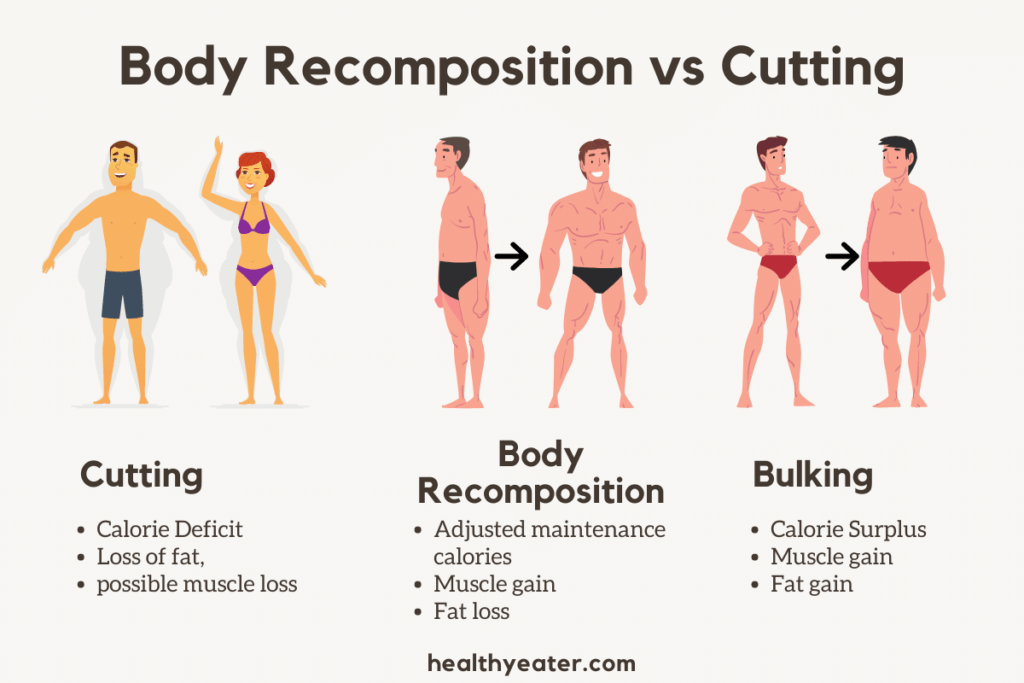
To lose fat, you need a calorie deficit. But cutting calories doesn’t mean starving yourself. Adjust your macros wisely. Prioritize protein to preserve muscle mass. Increase protein to about 2 grams per kilogram of body weight. This keeps your metabolism active. Lower your carbohydrate intake. Use them strategically, like before workouts, to fuel your exercises. Keep fats steady to maintain energy levels and hormone balance. Have you tried adjusting your macros before? What worked best for you? Your journey might inspire others to fine-tune their approach!
Meal Planning Tips
Meal planning is crucial for building muscle and losing fat. A well-structured meal plan ensures you get the right nutrients. It helps you stay on track with your fitness goals. Let’s explore some tips for effective meal planning.
Prepping Protein-rich Meals
Protein is vital for muscle growth. Choose lean meats like chicken or turkey. Fish is also a great option. Consider plant-based proteins like beans or tofu. Cook large batches ahead of time. Store in portions for easy access. This makes sticking to your diet easier.
Incorporating Healthy Carbs
Carbs provide energy for workouts. Include whole grains like brown rice or quinoa. Sweet potatoes are another good choice. Vegetables like broccoli or spinach offer vitamins and minerals. Avoid processed carbs. Opt for natural sources to fuel your body efficiently.
Balancing Fats In Diet
Fats are essential for hormone production. Choose healthy fats like avocados or nuts. Olive oil is great for cooking. Limit saturated fats from processed foods. Balance fat intake to avoid excess calories. Healthy fats support muscle growth and fat loss.

Credit: swolverine.com
Tracking And Adjusting
Tracking and adjusting macros help build muscle and lose fat efficiently. Regularly monitor protein, carbs, and fats intake to optimize results. Adjusting these nutrients according to progress ensures a balanced approach to fitness goals.
Tracking and adjusting your macros is crucial for anyone serious about building muscle and losing fat. It’s not just about knowing what to eat, but understanding how much of each macronutrient fits into your daily routine. Many people start with a set plan and forget that life changes—so should your macro intake. Personalizing your approach will yield better results and keep you motivated.
Using Apps For Macro Tracking
In today’s digital age, you have a powerful tool right in your pocket. Apps like MyFitnessPal or Cronometer help you track your food intake with ease. Simply input your meals, and these apps break down your macros for you. Imagine having a detailed report of what you eat daily. This insight helps you understand where you might be overconsuming or under-consuming. Plus, many apps provide alerts when you stray off course. What’s stopping you from using technology to reach your goals?
Signs You Need To Adjust Macros
Recognizing the need to adjust your macros is key to success. Have you hit a plateau in your muscle growth or fat loss? That’s a sign. Feeling lethargic or excessively hungry? Your body might be telling you it’s time for a change. It’s all about listening to your body. Maybe you’ve increased your workout intensity but kept your macros the same. Adjusting them can make all the difference. Are you paying attention to the signals your body is sending?
Monitoring Progress Effectively
Monitoring progress is more than just stepping on a scale. Consider taking photos, tracking measurements, and recording workout achievements. A friend of mine once realized his muscle growth through photos before he saw it on the scale. Celebrate the small wins. Did you lift heavier this week? That’s progress. Did your clothes fit better? Another success. Focus on the bigger picture. Are you seeing consistent changes in your measurements and performance? Tracking and adjusting your macros isn’t a one-time task but an ongoing process. By using apps, recognizing the need for change, and monitoring progress, you’ll be on your way to achieving your fitness goals.
Common Mistakes To Avoid
Building muscle and losing fat can be challenging. Many people make common mistakes while managing their macros. These errors can hinder progress. Understanding these pitfalls is key to achieving your fitness goals. Let’s explore some common mistakes to avoid.
Overestimating Protein Needs
Protein is vital for muscle growth. Yet, many overestimate their needs. Consuming too much protein can lead to weight gain. The body stores extra protein as fat. Balance is essential. Calculate your needs based on body weight and activity level. Aim for the right amount to support muscle repair without excess.
Ignoring Healthy Fats
Healthy fats are often overlooked. They play a crucial role in hormone production. Hormones are vital for muscle growth. Healthy fats also aid in nutrient absorption. Incorporate sources like avocado, nuts, and olive oil into your diet. These fats support your body’s functions without adding excess calories.
Inconsistent Tracking
Tracking your macros is critical. Inconsistency leads to inaccurate results. Use apps or journals to monitor intake regularly. Track each meal and snack. This helps you stay on target. Adjust your macros as needed. Consistent tracking ensures you meet your fitness goals efficiently.
Supplements And Macros
Understanding macros is key for building muscle and losing fat. Supplements can help meet your macro goals. They offer convenience and support your nutritional needs. Choosing the right supplements can improve your fitness journey. Let’s explore some effective supplements for each macro.
Protein Supplements
Protein is essential for muscle growth. Protein supplements help increase your daily intake. They are ideal for post-workout recovery. Whey protein is a popular choice. It digests quickly and provides essential amino acids. Plant-based proteins are great for vegans. Options include pea and soy protein. Choose a supplement that fits your diet and lifestyle.
Carbohydrate Supplements
Carbs fuel your workouts and recovery. Carbohydrate supplements give quick energy. They are perfect for intense training sessions. Dextrose and maltodextrin are common options. They help replenish glycogen stores. Opt for complex carbs for sustained energy. These include oat-based or sweet potato powders. Balance your carb intake with your activity level.
Omega-3 And Other Fats
Healthy fats support overall health. Omega-3 supplements reduce inflammation. They help with joint health and recovery. Fish oil is a popular source of omega-3. Plant-based options include flaxseed oil. Include other healthy fats in your diet. Avocado and nuts are excellent sources. Balance your fat intake with your macro goals.
Lifestyle And Macros
Balancing lifestyle and macros is essential for muscle growth and fat loss. It involves more than just counting nutrients. It requires integrating healthy habits into daily life. Proper nutrition, exercise, stress management, and sleep all play vital roles. These elements work together to support your goals. Let’s explore how lifestyle factors affect your macros plan.
Integrating Macros With Training
Your training routine needs to align with your macro intake. Eating the right balance of proteins, fats, and carbs fuels workouts. It also aids in recovery and muscle growth. Adjust your macro ratio based on your exercise intensity. Lifting weights might need more protein. Endurance training might require more carbs. Monitor your body’s response and tweak your macros accordingly.
Managing Stress For Better Results
Stress can hinder your muscle-building and fat-loss efforts. High stress levels may lead to overeating or poor food choices. Stress hormones can also affect fat storage. Incorporate relaxation techniques like meditation or yoga. Aim for a balanced lifestyle to manage stress effectively. This will help your body to respond better to training and macros.
Ensuring Adequate Sleep
Sleep plays a crucial role in your fitness journey. It aids in muscle repair and growth. Lack of sleep affects your hunger hormones, leading to cravings. Aim for seven to nine hours of quality sleep each night. Create a calming bedtime routine to improve sleep quality. Good sleep enhances your ability to stick to your macro plan.
Frequently Asked Questions
Is A 40/30/30 Macro Split Good?
A 40/30/30 macro split can be effective for balanced nutrition. It offers 40% carbs, 30% protein, and 30% fats. This ratio supports energy, muscle growth, and overall health, making it suitable for many diets. Always consider individual health goals and consult a professional before starting.
What Is The 40-40-20 Macro Split?
The 40-40-20 macro split is a dietary ratio. It divides daily calorie intake into 40% carbohydrates, 40% protein, and 20% fat. This balance supports muscle growth, fat loss, and energy levels. Adjusting macros can help meet individual health and fitness goals efficiently.
What Is The 50/30/20 Macro Split?
The 50/30/20 macro split is a dietary approach. It allocates 50% of daily calories to carbohydrates, 30% to proteins, and 20% to fats. This balance supports energy needs, muscle maintenance, and overall health. Adjusting macros can optimize personal fitness goals and dietary preferences.
What Are Macros In Bodybuilding?
Macros, short for macronutrients, are nutrients required in large quantities for energy and growth. They include proteins, carbohydrates, and fats. Protein helps muscle repair and growth, carbs provide energy, and fats support various body functions. Balancing macros is crucial for effective muscle building and fat loss.
Conclusion
Balancing macros helps in building muscle and losing fat. Protein fuels muscle growth. Carbs provide energy for workouts. Fats support hormone functions. Tailor your macro intake to your goals. Listen to your body. Adjust as needed. Consistent tracking offers insights into progress.
Patience is key. Results take time and effort. Healthy eating habits make a difference. Stay committed to your fitness journey. Small changes lead to big results. Enjoy the process. Celebrate small victories. Keep learning and adapting. Remember, every step counts towards a healthier you.