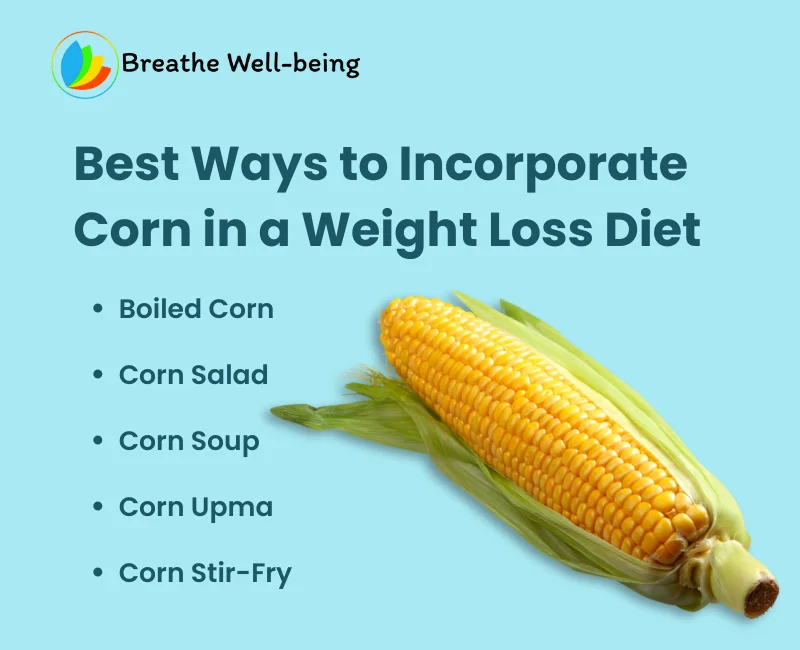
Are you on a weight loss journey and wondering if corn can be a part of your diet? You’re not alone.
Many people love the sweet, crunchy taste of corn but worry it might hinder their weight loss goals. You might think of corn as just another carb, but could it actually help you shed those extra pounds? Imagine enjoying a delicious bowl of corn salad without the guilt.
Wouldn’t it be amazing to discover that one of your favorite foods could support your weight loss efforts? We’ll dive into the nutritional facts about corn and explore how it can fit into a healthy eating plan. Whether you’re a corn lover or simply curious, keep reading to uncover surprising insights that might just change the way you look at this golden grain.
Nutritional Profile Of Corn
Corn often sits at the center of debates about healthy eating and weight loss. Many people wonder if this versatile grain can actually support their weight loss journey. To address this, it’s crucial to understand the nutritional profile of corn, which provides insight into its potential benefits.
Calories And Macronutrients In Corn
Corn is relatively low in calories, with about 86 calories per 100 grams. This makes it a suitable snack option for those watching their calorie intake. Its macronutrient content includes a balanced mix of carbohydrates, proteins, and a small amount of fat.
Carbohydrates are the primary component, providing a quick source of energy. Corn also contains around 3.3 grams of protein per 100 grams, which can help maintain muscle mass during weight loss. While the fat content is minimal, it’s still important for hormone regulation.
Fiber Content And Digestion
One of corn’s standout features is its fiber content. A single cup of corn contains approximately 3.5 grams of fiber. This fiber is essential for promoting good digestion and keeping you feeling full longer.
Have you ever noticed how a bowl of corn keeps hunger at bay? That’s the fiber working its magic. When you feel full, you’re less likely to snack on unhealthy foods, making corn a great ally in weight management.
Vitamins And Minerals
Corn is packed with essential vitamins and minerals. It provides a good amount of vitamin C, which is vital for a robust immune system. Additionally, corn contains B vitamins like thiamine and folate, supporting energy production and brain health.
Minerals such as magnesium and potassium are also present, contributing to heart health and proper muscle function. By including corn in your diet, you’re not just managing your weight but also supporting overall health.
Antioxidant Properties
Corn is rich in antioxidants, particularly carotenoids like lutein and zeaxanthin. These compounds are beneficial for eye health and can reduce the risk of chronic diseases. Antioxidants help fight inflammation, which is often linked to weight gain.
Have you ever thought about how the vibrant color of corn reflects its nutrient content? Those bright yellow kernels are a sign of health-promoting antioxidants. Including colorful foods like corn can add both taste and health benefits to your meals.
Understanding corn’s nutritional profile can empower you to make informed choices. Are you ready to harness the power of corn for your weight loss journey?
:max_bytes(150000):strip_icc()/53280051-bdf82d6178194515bfe29128336c09bf.jpg)
Credit: www.eatingwell.com
Corn And Caloric Intake
Corn is a popular vegetable enjoyed worldwide. Its sweet taste and versatility make it a staple in many dishes. But is corn good for weight loss? Understanding its caloric content can help you make informed dietary choices.
Calories In Corn
Corn is relatively low in calories. One cup of cooked corn contains about 140 calories. This makes it a reasonable choice for those watching their caloric intake. Corn provides essential nutrients without excessive calories. It is rich in fiber, which aids digestion.
Impact On Daily Caloric Needs
Incorporating corn into your meals can be beneficial. It fits well within daily caloric requirements for most people. Choose corn as a side dish or add it to salads. It offers a satisfying option without overloading your calorie count. Balance is key for weight loss, and corn can play a role in that balance.
Fiber Content And Satiety
When you’re on a weight loss journey, understanding how your food choices impact satiety can make all the difference. Corn, a popular staple, offers a surprising advantage in this area. Its fiber content plays a crucial role in making you feel full and satisfied, potentially aiding in weight management. Let’s delve into how corn’s fiber can be a game-changer for your diet.
Role Of Fiber In Weight Management
Fiber is essential for weight management because it slows digestion. This means you stay full longer after meals. When you consume fiber-rich foods, your body takes its time processing them, leading to prolonged satiety.
Have you ever noticed how you feel less hungry after a bowl of oatmeal compared to a pastry? That’s fiber at work. By adding more fiber to your diet, you can naturally control your appetite and prevent overeating.
Corn’s Fiber Contribution
Corn is an excellent source of fiber. A single ear of corn offers about 3 grams of fiber. This might not seem like much, but it adds up quickly when included in meals regularly.
Think about how corn fits into your meals. Whether it’s a side dish or part of a salad, its fiber content can help you feel satisfied without resorting to extra calories. Next time you have corn, pay attention to how full you feel afterwards.
Consider swapping a less filling snack for corn. You’ll not only enjoy a tasty treat but also benefit from its fiber content. Have you tried incorporating corn into a soup or stew? It’s a simple way to boost fiber intake without much effort.
What changes can you make today to include more corn in your meals? Think creatively and see how it might help you in your weight loss journey.
Glycemic Index And Blood Sugar
When thinking about weight loss, the concept of the glycemic index (GI) often comes into play. It measures how quickly foods cause a rise in blood sugar levels after eating. Foods with a high GI can spike your blood sugar, leading to energy crashes and increased cravings. Understanding how corn fits into this picture can help you make better dietary choices for weight management.
Understanding Glycemic Index
The glycemic index is a ranking system from 0 to 100. It measures how carbohydrates affect blood glucose levels. High GI foods are absorbed quickly, causing rapid spikes. Low GI foods release energy slowly, keeping you full longer.
Have you noticed how some meals leave you feeling hungry soon after eating? This may be due to their high glycemic index. Foods that rate lower on the scale can help maintain your energy and curb cravings.
Corn’s Position On The Glycemic Scale
Corn sits in the middle of the glycemic index, with a score around 55. It’s neither too high nor too low. This means it can provide a steady energy supply without causing a rapid sugar spike.
Consider swapping out higher GI foods with corn for a balanced meal. It can be a smarter choice for blood sugar management. Think about how this could affect your energy levels during the day.
Ever tried a corn salad as a midday snack? It’s filling and less likely to cause those late-afternoon sugar cravings. When managing weight, every small change counts. How will you adjust your meals today?
Corn Varieties And Their Benefits
Exploring corn varieties reveals surprising benefits for weight loss. Rich in fiber, corn promotes fullness and reduces appetite. Packed with essential nutrients, it helps maintain energy levels while managing weight effectively.
When you’re on a weight loss journey, corn might not be the first food you think about. However, this versatile grain offers various benefits, especially when you consider its different varieties. Each type of corn brings something unique to the table, and understanding these can help you make informed choices that might just boost your weight loss efforts.Sweet Corn
Sweet corn is often associated with barbecues and summer picnics, but did you know it’s also a low-calorie snack? A cup of boiled sweet corn has about 125 calories and is rich in fiber, which aids digestion and keeps you feeling full longer. You can enjoy it as a healthy side dish or toss it into salads for added texture and taste. If you’re worried about sugar, sweet corn’s natural sugars are far less concerning than processed ones. It’s a whole food, meaning you gain nutrients without the additives. Have you tried grilling it? The charred flavor can make a simple meal exciting.Popcorn
Popcorn is a fantastic low-calorie snack, provided you skip the butter and excessive salt. Air-popped popcorn contains only about 30 calories per cup. It’s also whole grain, which makes it a great source of fiber, keeping you satisfied between meals. Consider making your popcorn at home to control the ingredients. A dash of olive oil and a sprinkle of herbs can turn it into a delicious treat. Have you ever tried adding nutritional yeast for a cheesy flavor without the calories?Cornmeal And Polenta
Cornmeal, when prepared as polenta, can be a comforting and filling dish. It’s a good alternative to pasta or rice if you’re looking to cut carbs without sacrificing satisfaction. A serving of polenta is low in calories and can be flavored in endless ways. Don’t shy away from experimenting. Add vegetables and herbs for a nutrient-packed meal that’s both satisfying and diet-friendly. Have you thought about using polenta as a base for your favorite sauces instead of traditional pasta? Corn can be more than just a simple side dish. By choosing the right variety and preparation method, it can become a valuable part of your weight loss strategy. Which corn variety are you most excited to try on your journey?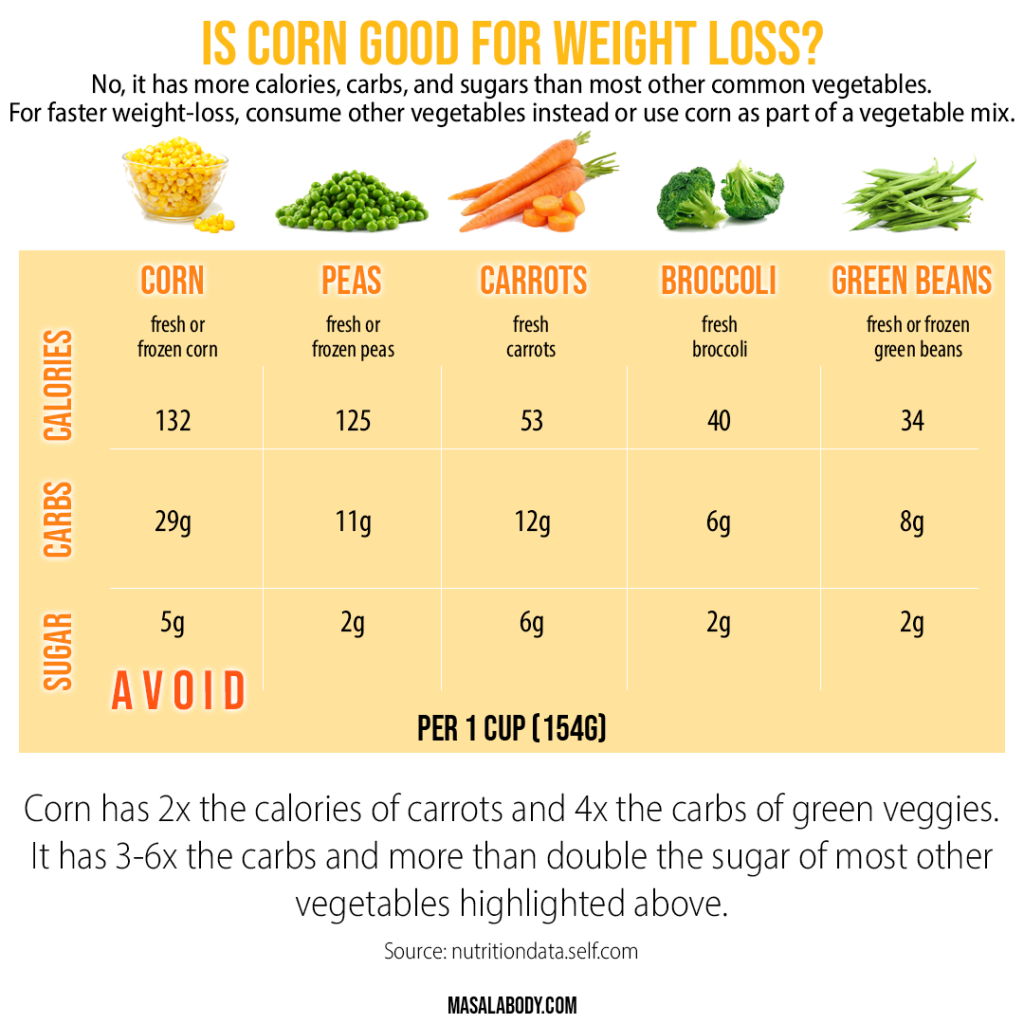
Credit: masalabody.com
Potential Downsides Of Corn
Corn can be a part of a healthy diet. Yet, it also has potential downsides. These might affect weight loss goals. Understanding these is crucial for informed choices.
Processed Corn Products
Processed corn products often contain added sugars and unhealthy fats. These additions can increase calorie intake. This makes weight loss harder. Corn chips, syrups, and cereals are common examples. They might taste good, but they may not support a diet plan. Always check labels for hidden ingredients.
Corn Allergies And Sensitivities
Some people experience allergies or sensitivities to corn. Symptoms can include stomach pain and skin reactions. This can disrupt a healthy eating routine. If you suspect an allergy, consult with a doctor. It’s important to ensure corn is safe for you.
Incorporating Corn Into A Weight Loss Diet
Corn is a nutritious addition to a weight loss diet, offering fiber and essential vitamins. Its natural sweetness satisfies cravings, while keeping calorie intake in check. Enjoy corn in salads, soups, or grilled for a healthy, filling meal option.
Incorporating corn into your weight loss diet can be a delightful journey if done right. The sweet and crunchy kernels not only bring flavor to your meals but also offer a good dose of fiber, which can help in keeping hunger at bay. However, it’s crucial to balance corn consumption with other nutrients to ensure a well-rounded diet.Healthy Corn Recipes
Finding new ways to add corn to your meals can make your weight loss diet more enjoyable. Consider a vibrant corn salad with cherry tomatoes, avocados, and a squeeze of lime for a refreshing lunch option. Or, try grilled corn on the cob with a sprinkle of chili powder and lime as a tasty side dish. Have you tried corn and black bean tacos? They’re not only filling but also packed with protein and fiber. Use whole grain tortillas to keep it healthy. Another idea is a warm corn and quinoa bowl with roasted vegetables, making a satisfying dinner choice.Balancing Corn With Other Nutrients
While corn is a fantastic source of fiber and vitamins, it’s essential to balance it with other nutrients to support your weight loss goals. Pairing corn with lean proteins like chicken or fish can help you stay full for longer periods. Think about adding healthy fats like avocados or nuts to your corn dishes for added nutritional value. How about mixing corn with leafy greens to enhance your meal’s nutrient density? Portion control is key. Enjoy corn in moderation to make room for a variety of foods in your diet. How do you plan to balance corn with other meals in your weight loss journey? Engage with these ideas and discover how corn can fit seamlessly into your diet, supporting your path to healthier living.Expert Opinions On Corn For Weight Loss
Experts share varying views on corn’s role in weight loss. Some highlight its fiber content aiding digestion and fullness. Others caution against its high starch, suggesting moderation for effective weight management.
When thinking about weight loss, you might wonder if corn fits into your diet plan. Experts have varied opinions on this popular grain. Let’s delve into what they say, and how you can make informed choices.What Nutritionists Say
Nutritionists emphasize the importance of balance. Corn is rich in fiber, which can help you feel full longer. This can be beneficial for reducing snacking between meals. However, they also advise watching portion sizes. Eating too much corn, like any food, can lead to excess calorie intake.Dietitians’ Perspective
Many dietitians view corn as a versatile food. It can be a healthy addition to salads, soups, and even smoothies. The key is how you prepare it. Grilled or boiled corn is preferable to fried or buttered versions. Think about how you typically consume corn—is it part of a balanced meal or a calorie-heavy dish?Fitness Experts’ Tips
Fitness experts often talk about the role of exercise along with diet. They suggest pairing corn with protein-rich foods to fuel workouts. This combination can help build muscle while keeping you satiated. Remember, the goal is not just weight loss, but a healthier lifestyle.Health Coaches’ Advice
Health coaches encourage you to listen to your body. Some people find corn easy to digest, while others may experience bloating. This varies person to person. If corn makes you feel sluggish, it might be worth exploring alternatives. Have you noticed how your body reacts to corn?Personal Experience With Corn
I once replaced rice with corn in my meals for a week. It was surprisingly filling and satisfying. I noticed I snacked less. Yet, everyone’s experience is unique. Have you tried altering how you include corn in your diet? What was the result? As you consider corn as part of your weight loss strategy, reflect on these expert insights. How do they align with your goals and lifestyle?Comparing Corn With Other Grains
Corn can be a smart choice for weight loss due to its fiber and low-calorie content. Compared to other grains, it keeps you full longer, helping control hunger. Always watch portion sizes to maximize its benefits.
Corn, a popular grain, often sparks debates among health enthusiasts. Some see it as a healthy option, while others question its role in weight loss. To understand corn’s benefits, it’s helpful to compare it with other common grains. This comparison can provide clarity on corn’s nutritional value and its potential impact on weight management.Corn Vs. Rice
Rice is a staple in many diets worldwide. It’s known for its versatility and ease of cooking. But how does it stack up against corn? Corn contains more fiber than white rice. This fiber aids in digestion and keeps you full longer. Brown rice has more fiber than white rice but still less than corn. Corn also offers more antioxidants than rice. These antioxidants help fight free radicals in the body. Corn and rice have similar calorie counts. Choosing between them often depends on personal taste and dietary needs.Corn Vs. Wheat
Wheat is another common grain found in many foods. It’s a primary ingredient in bread and pasta. Wheat contains gluten, which some people cannot digest. Corn, in contrast, is gluten-free. This makes it a suitable choice for those with gluten sensitivities. Corn has more fiber than refined wheat products. Fiber supports weight loss by enhancing feelings of fullness. Whole wheat does offer more protein than corn. Protein is important for muscle health and energy. Both grains have unique benefits, catering to different dietary needs.
Credit: www.fitterfly.com
Frequently Asked Questions
Can I Eat Corn When Losing Weight?
Yes, you can eat corn while losing weight. Corn is low in calories and high in fiber, aiding digestion. Choose fresh or boiled corn, and avoid butter or cream toppings for a healthier option. Portion control is key to ensure it fits within your daily calorie goals.
Is Corn Beneficial For Weight Loss?
Corn can be beneficial for weight loss when consumed in moderation. It is high in fiber, which aids digestion and promotes satiety. However, it is also calorie-dense, so portion control is essential. Opt for whole corn rather than processed varieties to maximize nutritional benefits.
Does Corn Have High Calories?
Corn is relatively calorie-dense compared to other vegetables. A cup of corn kernels contains about 125 calories. Despite its calorie content, corn provides essential nutrients and fiber. Eating it in moderation can be part of a balanced diet.
Is Corn A Good Source Of Fiber?
Yes, corn is a good source of dietary fiber. Fiber is crucial for digestive health and helps maintain a feeling of fullness. Consuming fiber-rich foods like corn can support weight management by reducing the likelihood of overeating.
Conclusion
Corn can be a part of a weight loss diet. It’s low in calories. Also, it provides fiber which aids digestion. Choose whole corn instead of processed options. Portion control is crucial. Eating too much can add calories. Balance is key in your diet.
Combine corn with other healthy foods. Consider your overall calorie intake. Always listen to your body’s needs. It’s important to consult a nutritionist for personalized advice. Remember, weight loss is a journey. Make mindful choices for lasting results. Enjoy corn in moderation for a healthier lifestyle.