Are you struggling to shed those extra pounds despite your best efforts? It might not be your willpower that’s to blame, but rather your hormones.
Female hormones play a crucial role in regulating weight, and when they’re out of balance, losing weight can feel impossible. Imagine finally understanding the hidden signals your body sends and learning how to reset these powerful hormones to kickstart your weight loss journey.
In this guide, you’ll discover simple, yet effective strategies to bring your hormones back into harmony, helping you achieve the healthy, vibrant body you deserve. Stick with us, and let’s unlock the secrets to transforming your weight loss experience by focusing on what truly matters: your hormones.
Understanding Female Hormones
Balancing female hormones can aid weight loss effectively. Stress management, proper nutrition, and regular exercise play key roles. These elements contribute to hormone reset, supporting a healthier weight balance.
Understanding female hormones can feel like navigating a complex maze, especially when you’re on a weight loss journey. Hormones play a crucial role in how your body stores fat, burns calories, and even how hungry or full you feel. Without a clear understanding of these hormonal players, achieving your weight loss goals might seem impossible. Let’s break down the essentials of female hormones to help you better manage your weight.Role In Weight Management
Hormones like estrogen, progesterone, and cortisol are major players in your body’s weight management system. Estrogen, for example, helps regulate your metabolism and body fat distribution. If estrogen levels drop, you might notice an increase in abdominal fat. Progesterone balances estrogen levels, but when it drops, the balance is thrown off, leading to weight gain and bloating. Cortisol, the stress hormone, can also make you store more fat, especially when you’re anxious or under pressure. Understanding these hormones can help you take control of your weight.Common Hormonal Imbalances
Many women experience hormonal imbalances that can hinder weight loss efforts. Polycystic ovary syndrome (PCOS) is a common condition where the body produces too much testosterone, leading to weight gain and difficulty losing weight. Thyroid issues are another common imbalance. An underactive thyroid can slow your metabolism, making weight loss challenging. If you’ve ever felt frustrated because your diet and exercise don’t seem to work, hormonal imbalances might be the culprit. Are you eating healthy, exercising, and still not losing weight? It might be time to consider whether hormonal imbalances are standing in your way. Understanding your hormones can be the key to unlocking a more effective weight loss strategy. How can you adjust your lifestyle to support hormonal balance and weight loss? Start by listening to your body and seeking guidance from healthcare professionals.Signs Of Hormonal Imbalance
Understanding the signs of hormonal imbalance is crucial for effective weight loss. Many women experience changes in their bodies that go unnoticed. These changes could be linked to hormonal imbalances. Recognizing these signs can help address weight issues more effectively.
Physical Symptoms
Physical symptoms often manifest as unexplained weight gain or loss. Irregular menstrual cycles are another common indicator. Many women experience fatigue that doesn’t improve with rest. These symptoms can signal a hormonal imbalance affecting weight. Acne and skin changes may also appear unexpectedly. Hair loss or thinning can occur, impacting self-esteem. It’s vital to note these physical changes early.
Emotional Indicators
Hormonal imbalances can affect emotional health. Mood swings are frequent and intense. Anxiety and depression may increase without clear reasons. Emotional indicators are not always easy to identify. Difficulty concentrating or remembering things can arise. Increased sensitivity to stress can hinder daily activities. Recognizing these emotional changes can improve overall well-being.
Dietary Adjustments
Resetting female hormones for weight loss requires thoughtful dietary adjustments. The right foods can balance hormones naturally. Eating nutrient-rich foods can support this balance. Meanwhile, avoiding certain foods is crucial. These changes can aid in shedding pounds effectively.
Nutrient-rich Foods
Leafy greens provide essential vitamins. Spinach and kale are excellent choices. They contain magnesium which aids hormone regulation. Berries are packed with antioxidants. Blueberries and strawberries can reduce inflammation. Healthy fats are vital. Avocados and nuts improve hormone function. Whole grains offer fiber. Brown rice and oats stabilize blood sugar levels. Lean proteins are important. Chicken and fish supply amino acids. They help repair tissues and maintain muscle mass.
Foods To Avoid
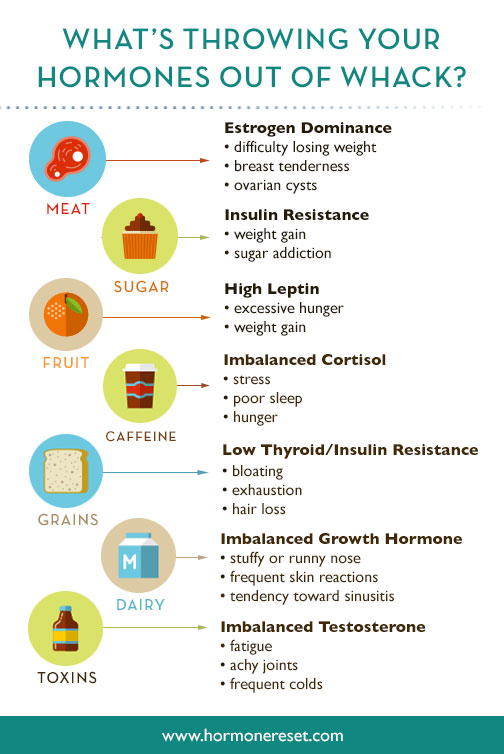
Processed foods disrupt hormone balance. Chips and packaged snacks often contain unhealthy fats. Sugar can lead to insulin spikes. Avoid candies and sugary drinks. Caffeine might interfere with hormone levels. Limit coffee and energy drinks. Alcohol affects metabolism negatively. Reducing wine and beer intake is advised. Dairy can cause digestive issues. Consider limiting milk and cheese consumption. Refined grains lack nutrients. White bread and pasta offer little fiber.
Credit: www.saragottfriedmd.com
Exercise And Hormone Balance
Exercise plays a crucial role in maintaining hormone balance, especially for women seeking weight loss. Physical activity can help regulate hormones like insulin, cortisol, and estrogen. Understanding how different types of exercise impact your hormonal health can empower you to make informed choices for a healthier lifestyle.
Types Of Exercises
Not all exercises affect hormones in the same way. Some activities are more beneficial for hormone regulation than others. Aerobic exercises like walking, running, or cycling can boost your mood and energy levels, influencing serotonin and dopamine production. These feel-good hormones can reduce stress, which in turn balances cortisol levels. Strength training is another effective method. Lifting weights or doing body-weight exercises helps improve insulin sensitivity, aiding in weight loss. High-Intensity Interval Training (HIIT) mixes cardio and strength, offering a quick way to burn calories and manage insulin levels.
Benefits For Hormonal Health
Exercise does more than just burn calories. It actively contributes to hormonal health, which is vital for weight loss. Regular workouts can enhance your metabolism by optimizing thyroid function, making it easier to shed excess pounds. Physical activity also helps regulate estrogen levels, which can reduce the risk of hormone-related weight gain. Have you noticed how exercising lifts your mood? That’s the endorphins at work, reducing cortisol and stress, which can prevent weight gain around your waist.
Consider setting a simple goal like walking for 30 minutes a day. It might seem small, but consistent effort can lead to big changes in your hormonal balance. Imagine the impact of combining aerobic activities with strength training a few times a week. It’s a straightforward yet powerful approach to resetting your female hormones for weight loss.
Think about how you can incorporate these exercises into your routine. Will you start by taking morning jogs or join a local gym for strength training? The choice is yours, but remember, every step you take towards exercising is a step towards better hormonal health. What’s stopping you from taking that first step today?
Stress Management Techniques
Managing stress is crucial for resetting female hormones and aiding weight loss. Stress can disrupt hormone balance, leading to weight gain and other health issues. By adopting effective stress management techniques, you can support hormone balance and enhance your weight loss efforts.
Mindfulness Practices
Mindfulness is about being present and aware of your thoughts and feelings without judgment. Try starting your day with a few minutes of deep breathing. Sit in a comfortable position, close your eyes, and focus on your breath. Feel each inhale and exhale.
Journaling is another powerful mindfulness tool. Write down your thoughts and emotions as they come. It helps clear your mind and reduce stress. You might discover hidden patterns in your stress triggers.
Consider guided meditation apps like Headspace or Calm. They offer sessions tailored to stress relief. Just a few minutes a day can make a big difference in your stress levels.
Relaxation Activities
Engage in activities that relax your mind and body. Try yoga, which combines physical movement with breathing exercises to calm your nervous system. Find a beginner class in your area or follow along with online videos.
Listening to music can be a simple yet effective stress reliever. Create a playlist of your favorite calming songs and play it during your commute or while cooking dinner.
Reading a book can transport you to another world, providing an escape from stress. Choose a genre you love and set aside time each day to read. It’s a great way to unwind.
Stress management is not a one-size-fits-all approach. What’s your go-to stress reliever? Could tweaking your routine help balance your hormones and support your weight loss journey?
Finding the right techniques takes trial and error. Experiment with different practices to see what works for you. Your stress levels and hormone balance are closely linked, so these efforts are worth it.
Sleep And Hormonal Health
Balancing sleep can improve hormonal health for women seeking weight loss. Quality sleep aids in regulating estrogen and cortisol levels. A consistent sleep routine supports optimal hormone function, promoting effective weight management.
Resetting female hormones for weight loss is a journey that involves various lifestyle changes, and sleep plays a pivotal role in this process. Sleep isn’t just a time for your body to rest; it’s when your hormones reset and balance themselves. If you’re not getting enough quality sleep, your hormonal health may suffer, affecting your weight loss efforts.Importance Of Quality Sleep
Quality sleep is essential for maintaining hormonal balance. During deep sleep, your body releases growth hormones that help regulate metabolism and repair tissues. Lack of sleep can lead to imbalances in hormones like cortisol and insulin, which are crucial for controlling hunger and energy storage. Have you ever noticed that after a poor night’s sleep, you crave sugary snacks? This happens because sleep deprivation increases ghrelin, the hormone that makes you feel hungry, and decreases leptin, the one that signals fullness.Tips For Better Sleep
To improve your sleep quality, establish a regular sleep schedule. Go to bed and wake up at the same time every day, even on weekends. This helps regulate your body’s internal clock, making it easier to fall asleep and wake up naturally. Create a relaxing bedtime routine to signal to your body that it’s time to wind down. Consider reading a book, taking a warm bath, or practicing deep breathing exercises. Avoid screens an hour before bed; the blue light emitted can interfere with your sleep. Ensure your sleep environment is conducive to rest. Keep your bedroom cool, dark, and quiet. Investing in a comfortable mattress and pillows can also make a significant difference in your sleep quality. Have you ever tried keeping a sleep diary? Tracking your sleep patterns can provide insights into what might be disrupting your rest. It can also help you identify habits that promote better sleep. By prioritizing sleep, you’re not just giving your body a chance to recharge. You’re also supporting your hormonal health and, ultimately, your weight loss journey. Are you ready to make sleep a priority?Supplements And Natural Remedies
Balancing female hormones is key for effective weight loss. Supplements and natural remedies can help restore hormonal balance. Options like herbal teas, vitamins, and minerals play a role in managing hormone levels naturally.
Balancing hormones is crucial for weight loss, and sometimes diet and exercise alone aren’t enough. Supplements and natural remedies can play a significant role in this journey. They offer a gentle nudge to your body’s internal systems, helping to restore balance and promote weight loss. Have you ever wondered how certain herbs or vitamins can influence your hormones? Let’s dive into the specifics.Herbs For Hormonal Balance
Herbs have been used for centuries to support hormonal health. Ashwagandha is known for its ability to lower cortisol levels, the stress hormone that can lead to weight gain. By reducing stress, you may find it easier to shed those extra pounds. Maca root is another herb that can boost energy and stabilize mood swings. It may help in balancing estrogen levels, which is essential for weight management. Chasteberry, often recommended for PMS symptoms, can also help regulate menstrual cycles and balance progesterone levels. Have you tried any of these herbs? They could be the missing link in your weight loss efforts.Vitamins And Minerals
Certain vitamins and minerals are key players in maintaining hormonal balance. Vitamin D, often called the sunshine vitamin, is crucial for regulating insulin and supporting weight loss. A simple blood test can reveal if you are deficient. Magnesium is another powerhouse, known for its role in reducing anxiety and improving sleep. Better sleep and reduced stress can significantly impact your weight loss journey. Omega-3 fatty acids are vital for reducing inflammation and supporting hormone production. Including a fish oil supplement might be beneficial if your diet lacks these healthy fats. Consider adding these supplements to your routine and observe how your body responds. Are you getting enough of these essential nutrients? A small adjustment might make a big difference.
Credit: legacyclinicofchiropractic.com
Professional Guidance
Resetting female hormones for weight loss is a journey that often requires professional guidance. While the internet offers a wealth of information, nothing beats personalized advice from a healthcare professional. They can help you navigate the complexities of hormone balance and weight loss with precision and care. Let’s delve into how consulting healthcare providers and personalized treatment options can make a significant difference in your journey.
Consulting Healthcare Providers
It’s crucial to engage with healthcare providers who specialize in hormonal health. These professionals are equipped with the knowledge to assess your hormonal levels through blood tests and other diagnostic tools.
Imagine sitting across from a healthcare expert who can pinpoint your hormonal imbalances and explain why you’re experiencing weight gain. They guide you with empathy and expertise, offering insights you may not find online.
Have you considered how a simple blood test could reveal what’s happening inside your body? This step could be the missing link in your weight loss puzzle. Consulting a healthcare provider is not just about getting tests; it’s about understanding your body’s unique needs.
Personalized Treatment Options
Once you have a clear picture of your hormonal status, personalized treatment options come into play. A healthcare provider can tailor strategies that specifically address your hormonal imbalances.
Think about a plan designed just for you, integrating lifestyle changes, nutrition, and possibly medications. These treatment options are not one-size-fits-all; they are customized based on your body’s requirements.
Maybe you’ve tried generic diets and exercise routines without success. Personalized treatments can offer targeted interventions that align perfectly with your body’s needs. Have you ever wondered why some methods work for others but not for you? The answer might lie in your hormones.
Professional guidance in resetting female hormones for weight loss is invaluable. It offers clarity, precision, and a personalized roadmap to reach your goals. By consulting healthcare providers and exploring tailored treatments, you’re investing in a healthier, more balanced future.
Credit: www.forhers.com
Frequently Asked Questions
What Is The 30/30/30 Rule For Weight Loss?
The 30/30/30 rule involves eating 30 grams of protein, 30 grams of carbs, and exercising for 30 minutes daily. This approach helps balance diet and physical activity, aiding weight loss and muscle maintenance. It’s designed to provide sustained energy and support overall health.
How To Activate The Fat Burning Hormone?
Boosting the fat-burning hormone, leptin, involves regular exercise, a balanced diet, and sufficient sleep. Include lean proteins, healthy fats, and whole grains. Avoid processed foods and manage stress levels. Stay hydrated and maintain consistent meal timings to support leptin function effectively.
What Are The Three Hormones To Activate Weight Loss?
The three hormones that can help activate weight loss are leptin, insulin, and cortisol. Leptin regulates hunger, insulin manages blood sugar, and cortisol affects metabolism. Balancing these hormones can support weight loss efforts effectively.
How To Remove Hormonal Belly Fat In Females?
To remove hormonal belly fat in females, maintain a balanced diet with lean proteins, healthy fats, and fiber. Exercise regularly, including strength training and cardio. Manage stress through relaxation techniques and ensure adequate sleep. Consult a healthcare professional for personalized guidance and consider hormone-balancing supplements if needed.
Conclusion
Balancing hormones aids weight loss and boosts overall well-being. Simple lifestyle changes help reset hormones naturally. Focus on a balanced diet rich in whole foods. Regular exercise keeps your hormones in check. Stress management is crucial, too. Practice relaxation techniques daily.
Sleep is vital; aim for a restful night’s sleep. Stay hydrated, as water supports hormone function. Consult a healthcare professional for personalized advice. Small steps lead to big changes. Your journey to balanced hormones and weight loss begins now. Stay committed and patient.
Results will follow with consistency. Healthy habits create lasting success.