
Are you frustrated with the high costs of weight loss medication and wondering if your insurance can help cover it? You’re not alone.
Many people are looking for ways to make these potentially life-changing treatments more affordable. The good news is, there are strategies you can use to increase the chances of your insurance provider covering these expenses. Imagine the relief of having financial support for something that could significantly improve your health and quality of life.
In this guide, we’ll walk you through practical steps to navigate the often confusing world of insurance coverage for weight loss medications. You’ll discover insider tips and techniques that could save you money and time, ensuring you get the support you need on your weight loss journey. Stay with us, and find out how to turn this daunting task into a manageable process.
Understanding Insurance Coverage
Insurance coverage for weight loss medication can be complex. Many factors determine whether your insurance will pay for these medications. Understanding the basics can help you navigate this process better.
Each insurance plan is different. Some may cover weight loss medications, while others may not. Knowing your plan’s details is crucial. This knowledge helps you make informed decisions about your health care.
Types Of Insurance Plans
There are several types of insurance plans. Each has its own rules for covering medications.
Employer-sponsored health insurance is common. It often covers a range of medications. Check with your employer for specifics.
Individual or family health plans are another option. These plans can vary widely. Review your policy to see what it includes.
Medicare provides insurance for people over 65. It may cover some medications. Look into the details of your specific plan.
Medicaid offers insurance for low-income individuals. Coverage can depend on the state. Check with your local office for more information.
Common Coverage Policies For Medications
Insurance companies have common policies for medication coverage. Many require prior authorization. This means the doctor must justify the need for the medication.
Some plans have a formulary list. This list includes drugs that are covered. Check if your weight loss medication is on this list.
Co-pays and deductibles affect how much you pay out of pocket. Understand these costs before getting a prescription.
Step therapy is another policy. It requires trying cheaper drugs first. If they do not work, more expensive drugs may be approved.
Ask your insurance provider about these policies. They can help you understand your coverage better.
Navigating Policy Details
Understanding insurance policy details can help you secure coverage for weight loss medication. Review your policy’s terms and contact your insurance provider. Discuss potential coverage options and required documentation with them.
Navigating Policy Details Understanding the ins and outs of your insurance policy can be daunting, especially when it comes to getting coverage for weight loss medication. Many people overlook important details that could make a huge difference in their eligibility for coverage. Taking the time to dissect your policy can reveal hidden opportunities and save you money.Key Terms To Know
When reviewing your policy, familiarize yourself with key terms that could affect your coverage. Premiums, deductibles, and copayments are basic concepts you’ll encounter. Knowing these will help you understand how much you’ll actually be paying out of pocket. Look for terms like pre-authorization and formularies. Pre-authorization means your insurer needs to approve the medication before you get coverage. Formularies are lists of drugs covered by your plan. Be aware of the term medical necessity. Insurers often require proof that weight loss medication is medically necessary for your condition. This might involve documentation from your healthcare provider.Checking Your Plan’s Specifics
Dive deep into your policy to know exactly what it covers. Not all plans treat weight loss medications the same way. Some might cover certain drugs but not others. Contact your insurer to get a detailed explanation of your plan’s specifics. Ask questions like, “Does my plan cover weight loss medications?” and “What do I need for pre-authorization?” Review any exclusions in your policy. Some plans may exclude weight loss medications entirely. Knowing this upfront can save you from unexpected bills. Have you ever missed out on coverage because you didn’t fully understand your policy? Taking a proactive approach now can prevent that from happening again. Don’t hesitate to reach out to your insurance provider for clarity. The fine print in your policy holds the key to unlocking potential savings. It might seem tedious, but understanding these details can make a significant impact. Engage actively with your insurer—it’s your right and your health.Consulting With Healthcare Providers
Consulting with healthcare providers is essential for obtaining insurance coverage for weight loss medication. They play a vital role in navigating the complexities of insurance policies. Their expertise can guide you through necessary steps. Building a strong case is crucial for approval. Let’s explore how their support can make a difference.
Importance Of Doctor’s Recommendations
Doctor’s recommendations carry significant weight in insurance decisions. Insurers often rely on medical opinions to approve coverage. A trusted doctor can outline the health benefits of weight loss medication. This can strengthen your case for insurance coverage. Their assessment ensures that the medication is necessary for your health. Discuss your weight loss goals with your doctor. They can provide insights tailored to your needs.
Gathering Necessary Medical Documentation
Gathering the right medical documentation is crucial for your insurance application. Accurate records support your claim for coverage. Compile documents that highlight your medical history. Include lab results, prescriptions, and doctor’s notes. Ensure all information is current and relevant. Proper documentation can significantly improve your chances of approval. Organize these documents for easy access and submission. Healthcare providers can assist in gathering these documents. Their support ensures you provide comprehensive evidence.

Credit: www.richlandmd.com
Preparing For The Insurance Application
Start by gathering all necessary documents, including medical records and prescriptions, to support your insurance application. Clearly explain the importance of weight loss medication for your health, emphasizing its role in managing obesity-related conditions. Communicate effectively with your healthcare provider to ensure they provide detailed information for your claim.
Preparing for the Insurance Application Navigating the world of insurance can often feel overwhelming, but when it comes to getting coverage for weight loss medication, preparation is key. You need to ensure you have all your ducks in a row before you dive into the application process. This means gathering the right documents, filling out forms correctly, and understanding what your insurance provider requires. Let’s break it down into manageable steps.Gathering Required Documents
Start by making a checklist of the documents you need. Your insurance company might ask for medical records, a doctor’s prescription, and proof of previous treatments. Collect these documents in one place. Having them ready will save you time and stress. Sometimes, it helps to ask your doctor for a letter that explains why this medication is necessary for your health journey. This can strengthen your case and make your application more compelling.Filling Out Forms Correctly
Accuracy is your friend here. Take your time to fill out forms with care. Double-check your personal information to avoid any errors that might delay your application. Insurance forms can be tricky, but paying attention to details is crucial. Use clear and concise language. Describe your weight loss journey and why this medication is vital for your health. Your story can make a difference. Have you ever thought about asking a friend or family member to review your forms? Sometimes a fresh pair of eyes can catch mistakes you might have missed. By preparing thoroughly, you’re setting yourself up for success. What steps have you found most challenging in the past, and how did you overcome them? Share your insights in the comments below!Communicating With Your Insurer
Communicating with your insurer can be crucial when you’re trying to get coverage for weight loss medication. It’s a step that requires clarity and persistence. Understanding how to convey your needs effectively can make a significant difference in securing the coverage you need. Here’s how you can make those conversations more productive.
Effective Communication Strategies
Having a clear strategy is essential. Start by gathering all relevant information about your medication and its necessity for your health. Your doctor can provide supportive documents that outline the medical reasons for needing the medication. Present these clearly and concisely.
When speaking with your insurer, focus on the facts. Keep the conversation centered on your health benefits and how the medication supports your well-being. Avoid emotional appeals; insurers respond better to data and documentation.
Use everyday language to ensure clarity. Avoid jargon or complex terms that might confuse the conversation. If you’re unsure about the terminology, ask for clarification. This ensures both parties are on the same page.
Questions To Ask Your Insurer
Asking the right questions can guide the conversation effectively. Begin with inquiries about specific coverage policies for weight loss medications. Is there a list of approved medications, or does it vary by case?
Find out about the requirements for coverage approval. Do you need prior authorization or additional documentation? Understanding these requirements can help streamline the process.
Inquire about any potential out-of-pocket costs. Knowing the financial implications can help you plan accordingly and avoid surprises later on. Would you be willing to pay a certain amount to ensure your health benefits?
Don’t hesitate to ask about appeal processes if your request is denied. Knowing the next steps can empower you to keep pushing for the coverage you deserve.
Have you ever had to fight for insurance coverage before? What strategies did you find most effective?
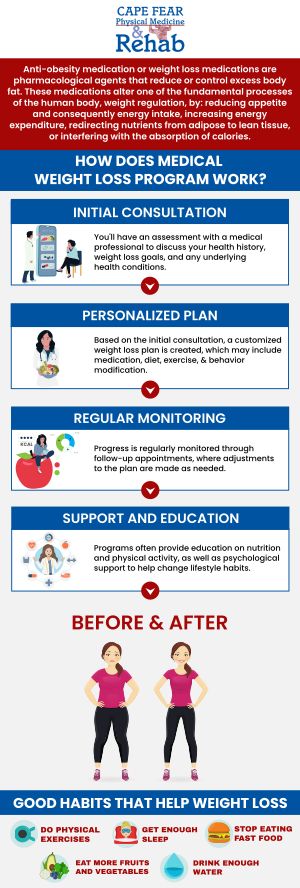
Credit: www.capefearphysicalmedicine.com
Appealing A Denied Claim
To appeal a denied claim for weight loss medication, gather all relevant documents and medical records. Clearly explain why the medication is necessary for your health. Contact your insurance provider to understand their specific appeal process and follow up regularly to ensure your case is reviewed.
Appealing a denied insurance claim for weight loss medication can feel daunting, but it’s an essential step in ensuring you receive the coverage you deserve. If your initial claim is denied, don’t lose hope—many claims are overturned on appeal. Understanding the reasons for denial and knowing how to present a strong case can turn the tide in your favor.Understanding Denial Reasons
Before you start an appeal, it’s crucial to understand why your claim was denied. Insurance companies often cite reasons like insufficient medical necessity or lack of documentation. Your denial letter will outline the specific reasons, so review it carefully. Take time to gather any missing information that could strengthen your appeal. This might include additional medical records, doctor’s notes, or proof of previous treatments. Knowing exactly what the insurer needs can prevent missteps and save time. Did you know that many denials are due to simple errors or misunderstandings? By clarifying and correcting these, you might quickly resolve the issue.Steps To Appeal Successfully
Start by contacting your insurance company to discuss the denial. Ask for clarification and confirm the appeal process steps. This initial conversation can sometimes reveal simple solutions or necessary documentation. Next, gather all necessary documents. A strong appeal includes comprehensive medical records, letters from healthcare providers, and a detailed explanation of why the medication is medically necessary. Make sure your appeal packet is complete and clearly organized. When writing your appeal letter, be concise and focused. Clearly state why you believe the denial was incorrect and support your argument with evidence. Personal experiences, like how the medication has improved your health, can provide compelling real-world context. Think about this: what if your appeal could be the turning point for your health journey? Don’t hesitate to ask your healthcare provider for support in crafting your appeal. Their expertise and authority can add weight to your case. Finally, keep track of deadlines. Insurance companies often have strict timelines for appeals, and missing them can mean starting from scratch. Mark your calendar and stay proactive in following up on your appeal.Utilizing Alternative Coverage Options
For many, weight loss medication can seem out of reach financially. Finding insurance coverage can make it more affordable. But traditional insurance plans might not always cover these medications. That’s where alternative coverage options come in. They can be a valuable resource.
Exploring Employer-sponsored Plans
Check if your employer offers a health benefits package. Sometimes, these plans include weight loss programs. Employers might provide discounts or incentives for healthy living. This can include medication for weight management.
Ask your HR department about what’s included. They can guide you on the available options. You might be surprised at the available benefits.
Looking Into State And Federal Assistance
State and federal programs can offer help. Medicaid and Medicare sometimes cover weight loss medications. Each state may have different rules and options. Research your state’s guidelines to see what’s available.
Federal assistance programs can also be an option. They might not cover everything, but they can help reduce costs. Applying for assistance can sometimes be a complex process. But it’s worth exploring for potential savings.
Staying Informed On Policy Changes
Stay informed about policy changes to get insurance coverage for weight loss medication. Check your policy details regularly. Contact your insurer for updates and required documentation.
Staying informed on policy changes is essential if you want to get insurance to cover weight loss medication. Policies can change frequently, and staying updated ensures you don’t miss out on new opportunities. Understanding these changes can be the key to accessing the coverage you need.Monitoring Insurance Market Trends
Insurance companies often adjust their coverage based on market trends. They respond to demands, regulatory changes, and medical advancements. By keeping an eye on these trends, you can anticipate changes in your policy. One way to stay informed is to subscribe to newsletters from insurance companies or industry news platforms. They provide updates on policy modifications and emerging coverage options. This information could be the deciding factor in whether your weight loss medication is covered. Another strategy is to join online forums or social media groups focused on health insurance. These communities share firsthand experiences and insights, helping you stay ahead of the curve. Have you ever considered how these discussions might reveal opportunities you hadn’t thought of?Adapting To New Coverage Opportunities
As policies evolve, new opportunities for coverage often arise. Being adaptable allows you to take advantage of these changes effectively. It’s not just about knowing the changes; it’s about acting on them. Review your insurance policy regularly. Look for updates on what medications are covered and under what conditions. This proactive approach can alert you to newly covered weight loss medications. Contact your insurance provider to discuss any changes in coverage. Ask questions about how new policies might benefit you. How often do you reach out to inquire about potential coverage enhancements? Ultimately, staying informed and adaptable can significantly impact your ability to get insurance coverage for weight loss medication. It’s about being proactive, asking questions, and leveraging available resources to ensure you have the best coverage possible.
Credit: www.singlecare.com
Frequently Asked Questions
How Do I Get My Insurance To Approve Weight Loss Medication?
Consult your doctor for a prescription and necessary documentation. Check your insurance policy for specific requirements. Submit the required forms and documents. Follow up with your insurance provider for approval status.
What Weight Loss Medications Are Typically Covered By Insurance?
Insurance often covers FDA-approved weight loss medications like Phentermine, Orlistat, and Liraglutide. Coverage varies by insurer and plan. Always check with your provider for specific details. Prior authorization may be required, so consult your doctor for guidance and necessary documentation.
How Can I Check If My Insurance Covers Weight Loss Medication?
Start by contacting your insurance provider directly. Inquire about coverage for specific medications. Review your policy’s benefits section for details. Your healthcare provider can also assist in determining coverage and necessary steps. Always confirm with your insurer to avoid unexpected costs.
What Steps Are Needed For Insurance Approval?
To get approval, consult your healthcare provider first. They can provide necessary documentation and prescriptions. Submit these to your insurer. Follow up with your insurance company for updates. They may require proof of medical necessity, so ensure all paperwork is complete.
Conclusion
Navigating insurance for weight loss medication can seem tough. Start by reviewing your policy details. Then, talk with your doctor about your needs. They can provide crucial documentation. Contact your insurance provider. Ask them about specific coverage options. Remember to be persistent.
Sometimes, it takes time and patience. Keep records of all communication. This helps if you face any issues later. Consider alternative options if needed. Some organizations offer support programs. Stay informed, and be proactive. Achieving coverage is possible with the right approach.
Take small steps, and stay hopeful. Your health journey is important.