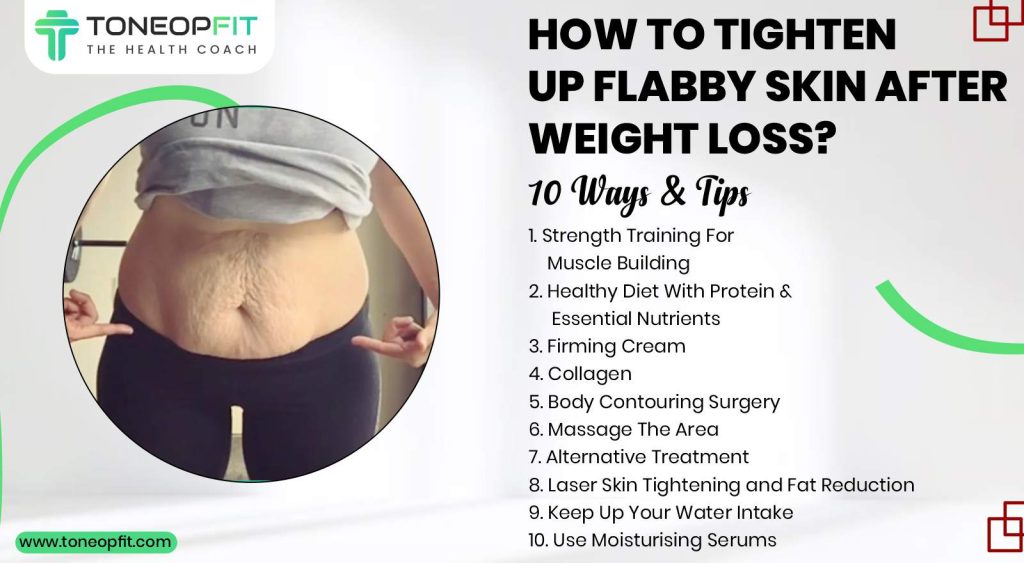
Are you worried about loose skin after shedding those extra pounds? You’re not alone.
Many people fear that their weight loss success might come with the unwanted side effect of sagging skin. But here’s the good news: you can take proactive steps to minimize and even prevent loose skin as you slim down. Imagine feeling confident not just about your weight loss, but also about the way your skin looks and feels.
In this guide, you’ll discover simple and effective strategies to help maintain your skin’s elasticity. You’ll learn how to support your body’s natural healing process, ensuring that your skin remains as toned and tight as possible. Ready to find out how you can achieve your weight loss goals without sacrificing your skin’s firmness? Keep reading to unlock the secrets to maintaining beautiful skin while transforming your body.
Importance Of Skin Elasticity
Understanding the Importance of Skin Elasticityis crucial when you’re aiming to avoid loose skin after weight loss. Skin elasticity refers to your skin’s ability to stretch and return to its original shape. It’s like a rubber band that snaps back after being stretched. But what happens when that snap isn’t as strong as it once was?
Strong skin elasticity ensures your skin can adapt to changes, like weight loss, without sagging. Imagine losing weight and still feeling confident wearing a swimsuit. That’s the power of good skin elasticity.
Why Does Skin Elasticity Matter?
Skin elasticity is your body’s natural defense against loose skin. When you lose weight, your skin needs to shrink along with your body. If your skin isn’t elastic, it stays stretched out, which leads to sagging.
How Can You Improve Skin Elasticity?
Nutrition plays a big role in boosting skin elasticity. Foods rich in vitamins A, C, and E help maintain your skin’s health. Eating oranges, almonds, and spinach could make a difference.
Hydration is another key factor. Drinking enough water keeps your skin supple and helps it to stretch and contract smoothly. Consider how your skin feels after a long day without water—it’s dry and less elastic, right?
Impact Of Age On Skin Elasticity
As you get older, your skin naturally loses some elasticity. It’s a normal part of aging. But don’t let this discourage you. There are ways to maintain and improve elasticity regardless of age.
Exercise And Skin Elasticity
Regular exercise boosts circulation, which helps deliver nutrients to your skin. This supports elasticity. Think about how your skin glows after a workout—that’s increased blood flow doing its job.
Strength training is particularly beneficial. It tones the muscles beneath your skin, providing a tighter appearance. Have you tried adding weights to your routine?
Skincare Routine For Elasticity
Using the right skincare products can also support skin elasticity. Look for creams with collagen and elastin. These proteins are essential for maintaining your skin’s firmness.
Consistency is key. Applying these products daily can gradually improve elasticity. Have you found a skincare routine that works for you?
Improving skin elasticity is a journey. It’s not just about the products you use, but also the lifestyle you lead. Are you ready to invest in your skin’s health?

Credit: airsculpt.com
Role Of Nutrition
Nutrition plays a key role in maintaining skin health after weight loss. It helps support skin elasticity and firmness. Proper nutrition ensures your body gets essential nutrients. These nutrients are crucial for skin repair and regeneration.
Choosing the right foods can prevent loose skin. A balanced diet supports overall well-being. It also contributes to skin appearance and texture. Let’s explore how specific nutrients aid skin health.
Protein-rich Diet
Protein is vital for skin elasticity. It helps repair and build tissues. Include lean meats, fish, and eggs in your diet. Plant-based proteins like beans and lentils are also beneficial. Protein supports collagen production. Collagen keeps skin firm and supple.
Essential Vitamins And Minerals
Vitamins and minerals are crucial for skin health. Vitamin C aids collagen synthesis. It is found in citrus fruits and berries. Vitamin E protects against skin damage. Nuts and seeds are rich sources of vitamin E. Zinc promotes skin healing and renewal. Whole grains and dairy provide zinc.
Hydration For Skin Health
Water is essential for skin hydration. It keeps skin soft and elastic. Aim to drink plenty of water daily. Herbal teas and water-rich fruits also help. Hydrated skin resists sagging and dryness. Proper hydration supports nutrient absorption.
Effective Exercise Routines
One of the most pressing concerns after losing weight is dealing with loose skin. While a healthy diet plays a significant role, effective exercise routines can make a substantial difference in firming up your body. By focusing on targeted exercises, you can enhance skin elasticity and tone your muscles, minimizing the appearance of loose skin. Let’s dive into some practical exercise routines that can aid in this process.
Strength Training
Strength training is a powerful tool in your arsenal against loose skin. It helps build muscle, which fills out your skin and gives your body a firmer appearance. You don’t need fancy equipment to get started. Simple bodyweight exercises like squats, lunges, and push-ups can be incredibly effective. If you’re new to strength training, start with lighter weights and focus on form. Gradually increase the weight as your strength improves.
Consider integrating resistance bands into your routine. They’re affordable, versatile, and can be used to target various muscle groups. Consistency is key here, aim for at least two to three sessions a week. Have you ever noticed how toned your arms feel after a few weeks of consistent push-ups? That’s the magic of strength training.
Cardio Workouts
Cardio workouts play a crucial role in maintaining your weight and improving circulation, which is essential for skin health. Running, cycling, and swimming are excellent choices. These activities increase your heart rate, burn calories, and promote healthy skin by boosting blood flow. Aim for at least 150 minutes of moderate-intensity cardio each week.
If you’re bored with conventional cardio, try mixing things up with interval training. Short bursts of high-intensity exercises followed by rest periods can be exciting and efficient. Picture yourself enjoying a brisk walk in the park or a quick cycle around the neighborhood; these simple activities can have profound effects on your body.
Flexibility And Stretching
Flexibility exercises and stretching are often overlooked, but they’re crucial for skin elasticity. Regular stretching helps maintain supple skin and prevents injury. Incorporate yoga or Pilates into your routine to improve flexibility and posture. These practices not only stretch your muscles but also help you relax and reduce stress, which can impact skin health.
Set aside a few minutes daily to stretch your major muscle groups. Focus on areas that feel tight or sore. Remember, it’s not about being able to touch your toes, but rather about feeling more comfortable in your skin. Have you tried a morning stretch routine? It can be a refreshing way to start your day and improve your mood.
Effective exercise routines can significantly impact your journey to firmer skin post-weight loss. By combining strength training, cardio, and flexibility exercises, you provide your skin with the best chance to adapt and tighten. What changes will you make to your workout routine today to ensure your skin stays healthy and firm?
Gradual Weight Loss Strategy
Embarking on a weight loss journey is exciting, but the fear of loose skin can be daunting. A gradual weight loss strategy might just be the key to keeping your skin firm and toned. Losing weight slowly gives your skin the chance to adjust and tighten naturally, reducing the likelihood of sagging.
Gradual Weight Loss: Why It Matters
Quick fixes often promise fast results, but they can leave you with saggy skin. When you lose weight too quickly, your skin doesn’t have enough time to shrink with your body. Think about it—losing one to two pounds a week may seem slow, but it’s effective for long-term skin health.
Benefits Of Slow And Steady
Embracing a gradual weight loss strategy can improve your skin’s elasticity. As you shed pounds slowly, your skin can better adapt to your changing body. Imagine the satisfaction of reaching your goal weight with skin that feels as good as it looks.
Set Realistic Goals
Setting achievable weight loss goals is crucial for your skin’s health. Instead of aiming to lose ten pounds in a week, aim for a more sustainable target. What’s more rewarding: achieving a quick, temporary fix or a lasting, healthier you?
Monitor Your Progress
Keeping track of your weight loss journey helps you stay on course. Regular check-ins not only keep you motivated but also ensure you’re losing weight at a healthy pace. Consider using a journal or app to celebrate small victories along the way.
Personal Experience: The Power Of Patience
Years ago, I decided to lose weight after realizing my clothes were getting tighter. I chose a slow and steady approach, shedding pounds gradually. This patience paid off—I managed to avoid loose skin, feeling confident and comfortable in my own skin.
Adjust Your Routine
Sometimes, small tweaks can make a huge difference. Incorporate strength training into your exercise routine to build muscle and support skin elasticity. Could lifting weights be the secret to achieving your dream body without the fear of sagging skin?
Stay Consistent
Consistency is the backbone of gradual weight loss. Maintain your healthy habits, even when progress seems slow. How committed are you to seeing long-term results and achieving a toned body?
By adopting a gradual weight loss strategy, you give your skin the best chance to stay firm and resilient. Remember, slow and steady wins the race—and keeps your skin looking fantastic along the way.
Skin Care Regimens
Effective skin care regimens can help prevent loose skin after weight loss. A consistent routine strengthens and nourishes the skin. It improves elasticity and texture. This section explores essential steps to enhance your skin care routine. Discover moisturizing techniques, exfoliation practices, and effective topical treatments.
Moisturizing Techniques
Moisturizing is crucial for maintaining skin elasticity. Use hydrating creams daily. Choose products with hyaluronic acid or glycerin. These ingredients lock in moisture. Apply immediately after showering. Damp skin absorbs better. Massage moisturizer in circular motions. This improves circulation and promotes firm skin.
Exfoliation Practices
Exfoliation removes dead skin cells. It encourages new cell growth. Use gentle scrubs once or twice a week. Look for scrubs with natural ingredients. Sugar or salt scrubs work well. Don’t scrub too hard. Gentle pressure is key. Exfoliating regularly keeps skin smooth and vibrant.
Topical Treatments
Topical treatments can enhance skin elasticity. Retinoids are beneficial. They boost collagen production. Vitamin C serums protect against damage. They improve skin texture. Apply these treatments at night. Let your skin absorb them overnight. Consistent use shows the best results.
Medical And Surgical Options
Exploring medical and surgical options can help minimize loose skin after weight loss. Procedures like tummy tucks and body lifts tighten skin, offering a firmer appearance. Consultation with a healthcare professional ensures understanding of risks and benefits.
After weight loss, loose skin can be a challenging concern. If you find that lifestyle changes aren’t enough, medical and surgical options can offer effective solutions. While these options may seem daunting, they provide pathways to achieving the toned appearance you desire. Understanding what’s available can empower you to make informed decisions about your body and health.Non-invasive Procedures
Non-invasive procedures are a great starting point if you’re hesitant about surgery. They typically involve little to no downtime. Techniques like laser therapy, radiofrequency treatments, and ultrasound technology can help tighten loose skin. These procedures stimulate collagen production, which is crucial for skin elasticity. You might notice improvements in your skin’s texture and firmness over several sessions. Imagine lying back in a comfortable clinic chair while technology does the hard work. Have you considered how these non-invasive options might fit into your lifestyle? Many individuals find the convenience and minimal recovery time appealing. However, the results can be gradual, requiring patience and consistency.Surgical Solutions
For those with significant loose skin, surgical solutions might be more effective. Procedures like tummy tucks, arm lifts, and thigh lifts offer immediate and dramatic results. These surgeries remove excess skin and reshape the body’s contours. I once spoke to a friend who had a tummy tuck. She was amazed at how it not only improved her physical appearance but also boosted her confidence. However, she emphasized the importance of choosing a qualified surgeon and being prepared for the recovery process. Surgical solutions often require more recovery time and carry some risks. Have you weighed the potential benefits against these considerations? It’s crucial to have a detailed discussion with your healthcare provider to ensure it aligns with your goals. Whether you opt for non-invasive procedures or surgical solutions, the key is to make choices that make you feel confident and comfortable in your skin. What steps will you take to embrace your transformation journey?Lifestyle Habits
Adopting healthy lifestyle habits can help maintain skin elasticity. These habits support your body’s natural ability to tighten skin. They also promote overall well-being. Let’s explore some essential lifestyle habits to consider.
Adequate Sleep
Getting enough sleep is crucial for skin health. Sleep allows the body to repair and rejuvenate. Aim for 7-9 hours of quality sleep each night. This helps maintain skin elasticity and tone. Sleep also reduces stress, which can impact skin’s appearance. Create a relaxing bedtime routine for better sleep. Avoid screens and caffeine before bed.
Stress Management
Managing stress is vital for healthy skin. High stress levels can weaken skin structure. Practice stress-reducing techniques regularly. Try meditation, yoga, or deep breathing exercises. These methods can help calm the mind and body. Engaging in hobbies you love also reduces stress. Consistent stress management supports skin health and overall wellness.
Credit: www.youtube.com
Mindful Monitoring
Mindful monitoring is a powerful tool when you’re on a weight loss journey. It’s not just about shedding pounds; it’s about keeping track of how your body is changing. Pay close attention to how your skin reacts as you lose weight. Being aware helps you make necessary adjustments to avoid loose skin.
Track Your Progress Regularly
Keep a journal of your weight loss journey. Write down your goals and the steps you’re taking to reach them. Regular monitoring lets you see how your skin is responding to your weight loss.
Use a tape measure to record changes in your body measurements. Sometimes, the scale doesn’t tell the whole story. Changes in inches can give you clues about how your skin is adapting.
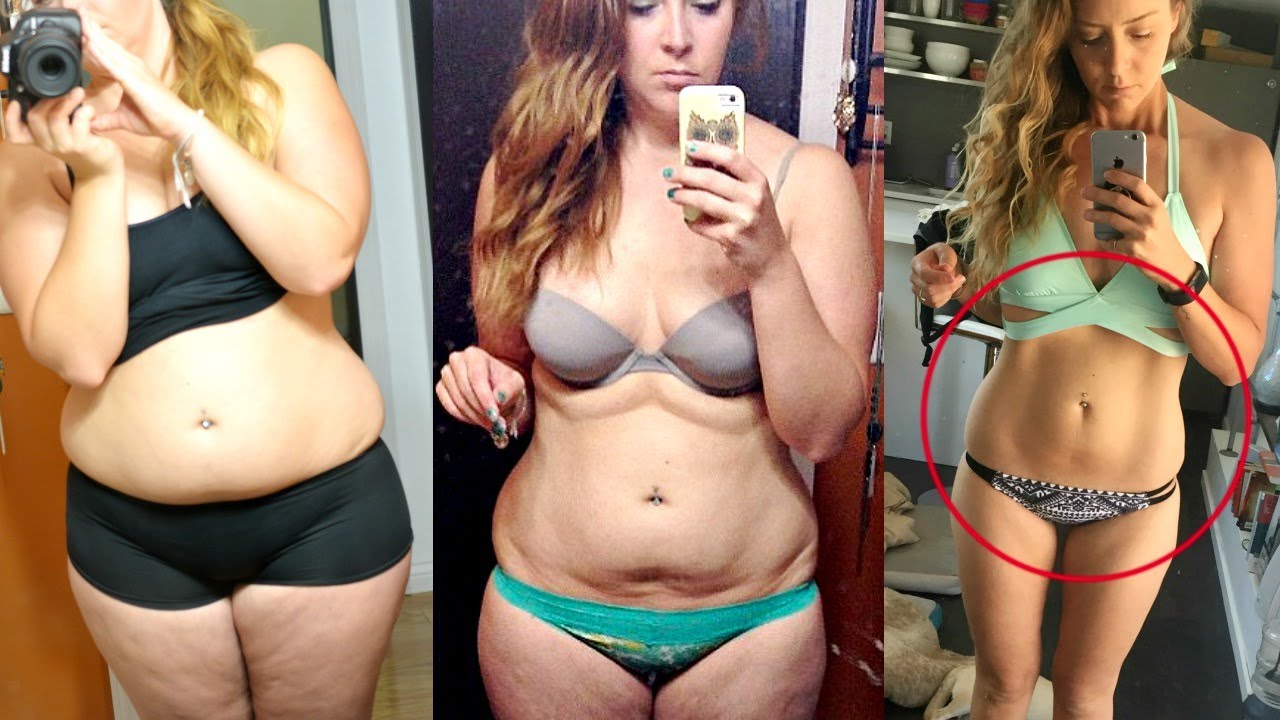
Take photos of yourself every month. Looking back can help you notice subtle changes that aren’t evident on the scale. This visual record can be a motivating factor to stay on track.
Listen To Your Body
Your body gives you signals. If your skin feels less elastic, it may be a sign to slow down your weight loss pace. Rapid weight loss often leads to loose skin.
Notice any discomfort or changes in your skin’s texture. It could indicate a need for more hydration or nutrients. Drinking enough water and eating a balanced diet supports skin health.
Consider how your skin feels after workouts. Post-exercise skin care can be crucial. Moisturize with a cream to maintain elasticity and firmness.
Adjust Your Routine As Needed
If your skin isn’t bouncing back, tweak your routine. Add strength training to build muscle under the skin. This can help fill in loose areas.
Incorporate foods rich in collagen and elastin. These proteins support skin structure. Think about foods like fish, eggs, and leafy greens.
Evaluate your skincare regimen. Use products that enhance collagen production. Look for ingredients like retinol and hyaluronic acid.
Stay Patient And Consistent
Remember, skin elasticity takes time to improve. Consistency is key. Stick with your monitoring and adjustments for long-term results.
What’s your experience with monitoring skin changes during weight loss? Share your insights and tips in the comments below.
Embrace the journey. Each step you take towards mindful monitoring is a step towards healthier skin.

Credit: www.pinterest.com
Frequently Asked Questions
Can I Tighten My Skin After Weight Loss?
Yes, you can tighten skin after weight loss through exercise, hydration, and skin-firming treatments. Consider strength training and moisturizers with collagen-boosting ingredients. Consult a dermatologist for personalized advice.
Is It Possible To Avoid Loose Skin During Weight Loss?
Yes, maintaining muscle mass and staying hydrated can help prevent loose skin during weight loss. Gradual weight loss also reduces the risk. Incorporate strength training and consume protein-rich foods to support skin elasticity. Consult a dermatologist for personalized advice.
Will Losing 50 Pounds Cause Saggy Skin?
Losing 50 pounds might cause saggy skin, especially if weight loss is rapid. Factors like age, skin elasticity, and genetics play a role. Regular exercise and staying hydrated can help improve skin elasticity. Consider consulting a dermatologist for personalized advice on skin tightening treatments or procedures.
Is It Possible To Lose 100 Pounds Without Loose Skin?
Losing 100 pounds without loose skin is challenging. Factors include age, skin elasticity, genetics, and weight loss pace. Gradual weight loss, hydration, strength training, and proper nutrition help reduce loose skin risk. Consult a healthcare professional for personalized advice.
Conclusion
Achieving weight loss without loose skin takes effort and patience. Consistent hydration helps skin stay elastic. Include protein and collagen-rich foods in your diet. Exercise regularly to tone muscles under the skin. Choose strength training for best results. Consult a professional for personalized advice.
Celebrate small victories on your journey. Embrace changes and focus on overall health. Your body deserves care and attention. Take steps today for a healthier tomorrow. Remember, every small action counts. Stay committed to your goals. A healthy lifestyle is within reach.
Enjoy your progress and be proud.