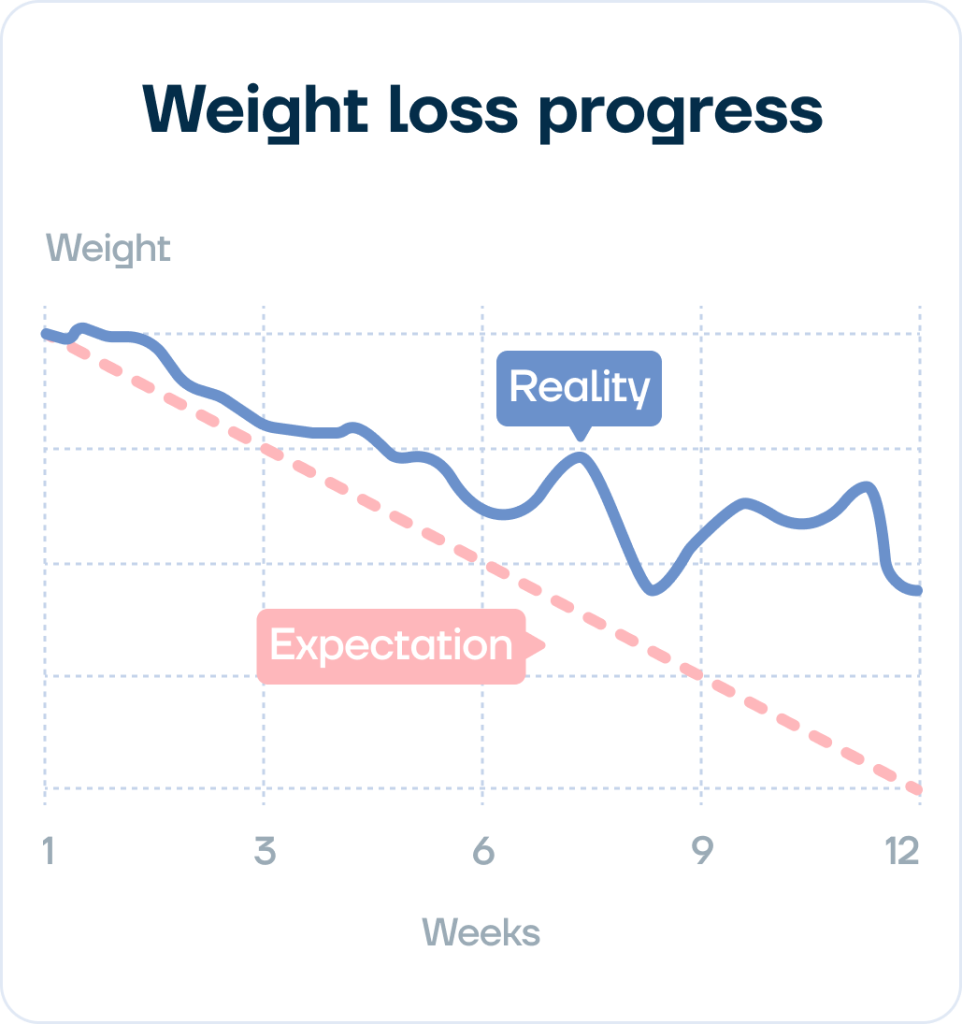
You’ve been diligently sticking to your diet and workout routine, but suddenly, the scale refuses to budge. Frustrating, isn’t it?
This stubborn phase, known as a weight loss plateau, can leave you questioning your efforts and feeling stuck. But how long does it typically last? Is your plateau just a temporary pause, or is it time to rethink your strategy?
Understanding how many weeks define this plateau is key to breaking through it and reigniting your progress. You’ll discover what constitutes a weight loss plateau and how to navigate it effectively. Keep reading, and let’s turn that plateau into a stepping stone to success.
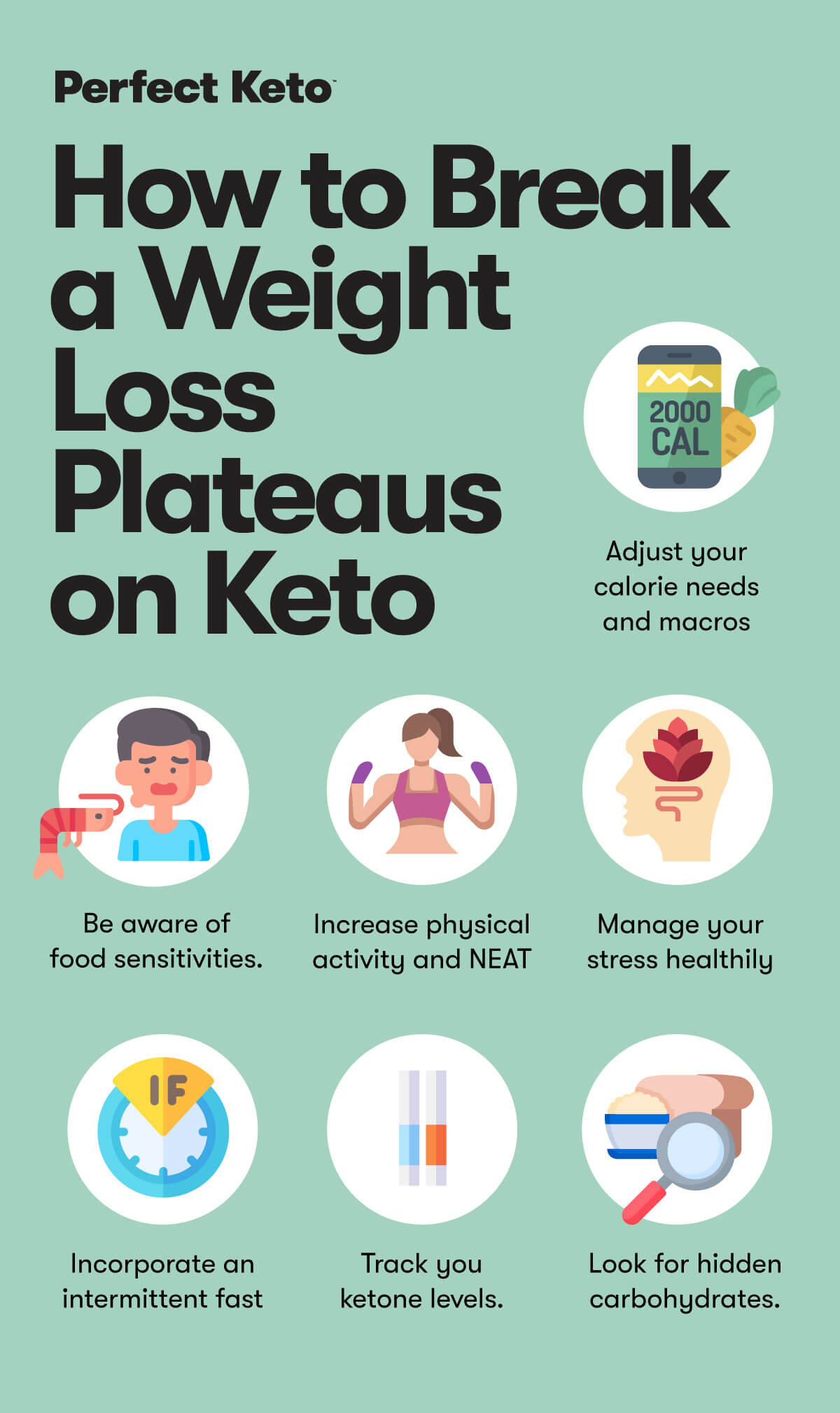
Credit: perfectketo.com
Understanding Weight Loss Plateaus
Weight loss can be a challenging journey, and hitting a plateau is a common experience for many. When progress stalls, it can feel frustrating and discouraging. But understanding weight loss plateaus can be the key to overcoming them. Knowing how long they typically last can help you adjust your strategy and keep moving toward your goals.
What Is A Weight Loss Plateau?
A weight loss plateau occurs when your body stops losing weight despite continued efforts with diet and exercise. You’ve probably experienced the initial excitement when pounds drop off quickly. Then, suddenly, the scale doesn’t budge. It’s like your body is saying, “Hold on, I need a minute!”
How Many Weeks Is Considered A Plateau?
Typically, a plateau lasts about three to four weeks. If you’re stuck at the same weight for this duration, it’s time to reassess your plan. Sometimes, it might last longer, but don’t panic. Take a step back and evaluate your habits. Are you still following your diet strictly? Is your workout routine varied enough to challenge your body?
Why Does A Plateau Happen?
Your body is smart. It adapts to new routines, and what once worked might not be effective anymore. Metabolism slows down as you lose weight, making it harder to burn calories. This is why changing your routine is crucial. If you keep doing the same thing, your body gets comfortable and resists further change.
Personal Story: The Plateau Challenge
I’ve been through the plateau struggle myself. I remember being stuck at the same weight for weeks. It was tempting to give up, but instead, I decided to tweak my routine. I added more protein to my diet and switched up my workouts. Soon, the scale started moving again. This experience taught me the importance of flexibility and creativity in weight loss.
Strategies To Break Through
Consider tracking your food intake more precisely. Sometimes, small indulgences sneak in unnoticed. Review your exercise routine and add strength training or interval workouts. These can boost your metabolism and help break the plateau. But remember, it’s not just about physical changes. How are you mentally approaching this challenge?
Keep Your Motivation Alive
Ask yourself: Are you focusing too much on the scale? Weight loss isn’t just about numbers. Celebrate non-scale victories like improved energy levels or fitting into smaller clothes. Keep your motivation alive by setting new goals. Remember, the plateau is just a phase, not the end of your journey.

Credit: kaynutrition.com
Signs Of A Plateau
Experiencing a weight loss plateau can feel frustrating. You might be putting in effort but not seeing results. It’s important to recognize the signs of a plateau. This can help you adjust your strategy and break through the stagnation.
Stable Scale Numbers
The scale remains steady despite your efforts. You’ve been consistent with diet and exercise. Yet the numbers on the scale don’t change. This is a clear sign of a weight loss plateau. It might last several weeks. It’s your body adjusting to changes. It’s crucial to not get discouraged. Understanding your body’s signals can guide your next steps.
Lack Of Progress In Measurements
Your clothes fit the same, even after workouts. You’ve been tracking your waist, hips, and other areas. There’s little to no change in these measurements. This indicates your body has adapted. Measurements are essential for tracking body changes. When progress stalls, a plateau might be the reason. Adjusting your routine can reignite progress.
Common Duration Of A Plateau
A weight loss plateau can feel frustrating. Progress slows despite consistent efforts. Understanding the common duration helps manage expectations and refine strategies. Knowing how long a plateau might last is key for better planning.
Typical Timeframes
Plateaus often occur after initial weight loss. They usually last between three to four weeks. This duration can vary. Some may experience shorter plateaus. Others might face longer stalls. Everyone’s journey is unique.
Factors Influencing Duration
Several factors affect plateau length. Individual metabolism plays a role. Faster metabolisms might break plateaus sooner. Slow metabolisms may extend the stall. Exercise routines impact duration too. Changing workouts can stimulate progress.
Diet choices also influence plateau length. Nutrient-rich foods might shorten it. Processed foods could prolong it. Stress levels affect weight loss. High stress can extend a plateau. Managing stress may help resume progress.

Credit: www.fitresults.net
Causes Of Weight Loss Plateaus
Experiencing a weight loss plateau can be frustrating, especially when you’ve been working hard to shed those extra pounds. You might wonder why the scale has stopped moving despite your best efforts. Several factors can contribute to this stagnation, and understanding them can help you break through the plateau. Let’s dive into some common causes of weight loss plateaus.
Metabolic Adaptation
As you lose weight, your body becomes more efficient, needing fewer calories to perform daily activities. This process is known as metabolic adaptation. Your metabolism might slow down as a protective mechanism, making it harder to continue losing weight. Have you noticed your energy levels dropping as well? That’s your body’s way of conserving energy. Consider adjusting your calorie intake to match your new metabolic rate.
Caloric Intake And Expenditure
Weight loss boils down to a simple equation: calories in versus calories out. If your caloric intake matches your expenditure, your weight loss stalls. Are you keeping track of what you eat daily? Sometimes, we underestimate the calories we consume or overestimate the calories we burn. Using a food diary or app can provide a clearer picture of your intake and help identify areas for adjustment.
Physical Activity Levels
Your body becomes accustomed to routine exercises over time, reducing their effectiveness. Are you doing the same workouts every day? Mixing up your exercise routine can boost your calorie expenditure and reignite weight loss. Try adding some strength training or high-intensity interval training (HIIT) sessions. Changing the intensity or duration of workouts can make a significant difference in breaking a plateau.
These insights might prompt you to reevaluate your current approach to weight loss. Have you experienced any of these plateau causes firsthand? Reflecting on your personal journey can offer valuable lessons and inspire changes to overcome challenges. Remember, your path to weight loss is unique, and understanding the causes of plateaus can empower you to make informed decisions. What’s your next step in conquering the plateau?
Breaking Through A Plateau
A weight loss plateau typically lasts for three to four weeks without any progress. During this time, your body adapts to changes, making it harder to lose weight. Adjusting your diet or exercise routine can help overcome this phase.
Breaking through a weight loss plateau can feel like an uphill battle, but with the right strategies, you can start seeing results again. When the scale refuses to budge, it’s time to reassess your approach and make some changes. The key is to stay persistent and be open to trying different methods until you find what works for you.Adjusting Diet And Exercise
Sometimes, your body simply adapts to your current routine. Have you been eating the same meals or doing the same workouts for weeks on end? It might be time to shake things up. Consider tweaking your calorie intake or trying new exercise classes. I remember feeling stuck after losing the first 10 pounds, only to realize my diet was too predictable. Introducing more protein and varying my workouts finally got things moving again.Monitoring Progress
Keeping track of your journey is crucial. Are you only relying on the scale? Try measuring your waist, hips, or even taking progress photos. Seeing changes in different areas can be motivating. You might be losing inches instead of pounds. This was a game-changer for me, as I discovered my clothes fit better even when the scale didn’t reflect it.Incorporating New Strategies
Are you exploring new ways to challenge your body and mind? Adding small, manageable changes can have a big impact over time. Try adding a daily walk or swapping out sugary snacks. Experimenting with intermittent fasting or strength training might be the fresh start you need. What’s one change you’re willing to try this week to get back on track? Remember, the journey is about progress, not perfection.Maintaining Motivation
Staying motivated during a weight loss journey can be challenging. This is especially true when encountering a plateau. A weight loss plateau is a phase where your progress stalls, usually lasting around three to six weeks. It’s crucial to maintain motivation during this time to push through barriers and continue on your path to success.
Setting Realistic Goals
Set achievable goals to stay motivated. Focus on short-term targets. Smaller goals feel less daunting and more attainable. Instead of aiming to lose 20 pounds, aim for five pounds first. Celebrate each step. Realistic goals prevent disappointment and keep spirits high.
Celebrating Small Wins
Recognize and celebrate small achievements along the way. Did you lose a pound this week? That’s a win! Each small victory boosts confidence. It reminds you of your capabilities. Celebrate by rewarding yourself. Buy a new book or take a relaxing bath. Small rewards reinforce positive behaviors.
Seeking Support And Guidance
Lean on others for support. Join a weight loss group or find a buddy. Sharing experiences and challenges offers encouragement. Professional guidance can also help. Consult a nutritionist or personal trainer. They provide tailored advice and keep you accountable. Support systems can reignite motivation during tough times.
Frequently Asked Questions
How Long Does It Take To Break A Weight Loss Plateau?
Breaking a weight loss plateau typically takes a few weeks to a month. Consistently adjust diet and exercise routines for effective results. Stay hydrated, manage stress, and ensure adequate sleep to support metabolism. Patience and persistence are key to overcoming plateaus successfully.
How Do You Know You’re In A Weight Loss Plateau?
You might be in a weight loss plateau if your weight hasn’t changed for several weeks despite consistent efforts. Tracking food intake and exercise can help identify areas for improvement. Consider adjusting your routine or consulting a professional to overcome the plateau and continue losing weight effectively.
What Is The Hardest Week Of Weight Loss?
The hardest week of weight loss is typically the first week. Adjusting to new routines and diet changes can be challenging. Cravings and fatigue are common as the body adapts. Consistency and perseverance during this period are crucial for long-term success.
Motivation and setting realistic goals help overcome initial hurdles.
How Do I Break Out Of A Weight Loss Plateau?
Boost your workout intensity and vary exercises. Adjust calorie intake by eating more protein and fewer carbs. Stay hydrated and manage stress. Prioritize sleep for recovery and metabolism. Consider consulting a nutritionist or trainer for personalized guidance.
Conclusion
Understanding a weight loss plateau can be challenging. It often happens after consistent progress. Usually, this plateau lasts about two to four weeks. During this time, weight may not change much. It’s normal and part of the journey. Staying patient is key.
Evaluate your diet and exercise habits. Small changes can restart progress. Listen to your body and adjust your plan. Remember, progress isn’t just numbers on a scale. Celebrate non-scale victories too. Stay committed and stay positive. Your efforts will pay off.
Keep pushing forward. Success is within reach.