Are you tired of spending hours at the gym or feeling overwhelmed by complex workout routines? Imagine achieving strong, toned legs without ever leaving your home.
Yes, it’s possible! A full leg workout at home can be just as effective as a gym session, and it’s perfect for fitting into your busy schedule. Whether you’re a fitness newbie or a seasoned pro, this guide is tailored to help you unlock the secrets to powerful legs.
You’ll discover exercises that require minimal equipment and still deliver maximum results. Ready to transform your legs and boost your confidence? Dive in to find out how you can start your journey towards stronger legs today.
Benefits Of A Home Leg Workout
Exercising at home offers many benefits. A home leg workout is both convenient and effective. It saves time and money while boosting your fitness journey. Let’s explore these benefits in more detail.
1. Convenience And Flexibility
Home workouts fit into any schedule. You can exercise anytime, morning or night. No need to commute to a gym. Just roll out a mat and start your routine.
2. Cost-effective Fitness
Forget gym memberships and travel costs. Home workouts need no equipment. Simple exercises use your body weight. Squats, lunges, and calf raises are perfect examples.
3. Personalized Workout Environment
Create a space that suits your needs. Play your favorite music or enjoy silence. This personal touch enhances your motivation and focus.
4. Privacy And Comfort
Exercise in your own space. There’s no judgment or crowded locker rooms. Wear what makes you comfortable. Focus solely on your workout.
5. Consistent Progress
Regular home workouts build discipline. Consistency leads to noticeable improvements. Stronger legs, better endurance, and increased confidence await you.
Essential Equipment
Working out at home has many benefits. It saves time and money. You don’t need a gym membership. For a full leg workout, you need some basic equipment. This equipment enhances your exercise routine. It helps build strength and endurance. Discover the essential items for your leg workout.
Resistance Bands
Resistance bands are lightweight and portable. They add resistance to exercises. You can use them for squats and lunges. Bands come in different tensions. Choose one based on your strength level. They are affordable and easy to store.
Dumbbells
Dumbbells are versatile tools. They add weight to your exercises. You can use them for deadlifts and calf raises. Dumbbells come in various weights. Select a pair that suits your fitness level. They help in building muscle strength.
Yoga Mat
A yoga mat provides comfort and safety. It cushions your joints during floor exercises. The mat prevents slipping. Choose a mat with good grip. It’s ideal for workouts like leg lifts and stretches. Easy to clean and store.
Stability Ball
A stability ball helps improve balance. It engages your core muscles. You can use it for wall squats. It adds challenge to your workout. Choose a ball based on your height. It’s a fun way to enhance your routine.
Step Platform
A step platform is great for cardio. It helps with step-ups and box jumps. Adjust the height for different exercises. It builds leg strength and endurance. Platforms are easy to store at home.
Warm-up Routine
Starting your full leg workout at home with a proper warm-up routine is crucial. It’s like setting the stage for the main event. Warming up not only helps prevent injuries but also improves performance. Imagine your body like a car engine; you need to get it running smoothly before hitting the road. Let’s dive into two key components of a great warm-up: dynamic stretches and joint activation.
Dynamic Stretches
Dynamic stretches are all about movement. Instead of holding a stretch, you actively move your muscles and joints. Think about leg swings or lunges. These movements increase blood flow and prepare your muscles for action. You might notice a difference in your flexibility and range of motion. Why not try ten leg swings per leg? Feel how it awakens your muscles.
Keep it simple and focused. You don’t need fancy equipment. Just some space to move. How does your body feel after these stretches? You might be surprised by the energy boost.
Joint Activation
Joint activation targets the areas that will do most of the work. Focus on your hips, knees, and ankles. These joints are vital for leg exercises. Simple movements like ankle circles can make a big difference. Ever noticed how your knees feel stiff sometimes? Activating them can help improve mobility.
Try gentle knee bends and hip circles. Feel the difference in your joints’ readiness. Are you ready to tackle those squats? Joint activation ensures you are.
Warm-ups are often overlooked, but they’re powerful. They set the tone for your workout. Are you ready to step into your leg routine with confidence? Give these warm-up techniques a try and see the impact on your performance.
Credit: greensafaris.com
Bodyweight Exercises
Bodyweight exercises are perfect for a full leg workout at home. They need no equipment and are effective. You can build strength and improve balance. Let’s dive into some key exercises.
Squats
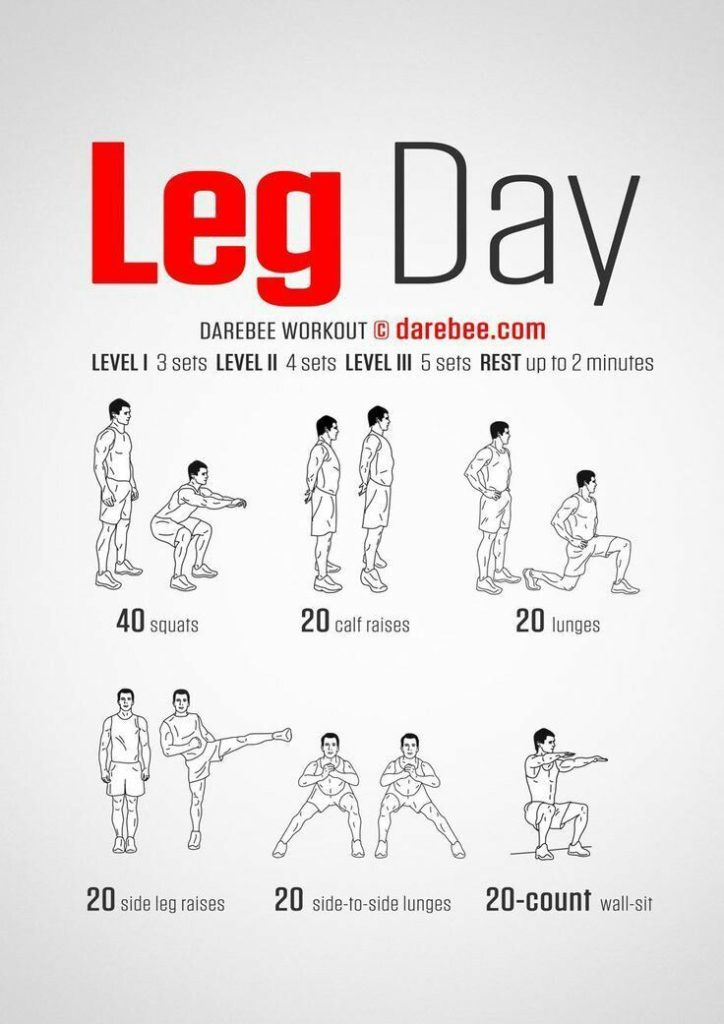
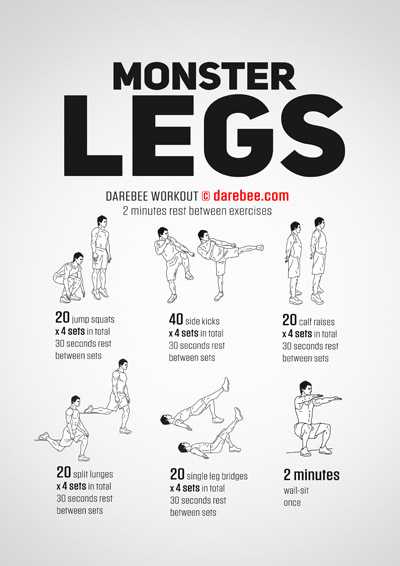
Squats are a fundamental exercise for leg strength. Start with feet shoulder-width apart. Lower your body like sitting in a chair. Keep your back straight and chest up. Push through your heels to stand back up. Repeat for several reps. Squats engage your thighs, glutes, and core. They help build muscle and improve stability.
Lunges
Lunges are excellent for targeting leg muscles. Stand tall and step forward with one foot. Lower your hips until both knees bend at 90 degrees. Keep your front knee above your ankle. Push back to the starting position. Switch legs and repeat. Lunges work your quads, hamstrings, and glutes. They also improve balance and coordination.
Calf Raises
Calf raises focus on the lower leg. Stand with your feet hip-width apart. Slowly rise onto the balls of your feet. Hold for a second at the top. Lower back down with control. Calf raises strengthen the calf muscles. They help improve ankle stability and enhance athletic performance.
Resistance Band Exercises
Achieve a full leg workout at home with resistance bands. Target muscles effectively, enhancing strength and flexibility. Perfect for a convenient and efficient exercise routine, these bands offer versatility for all fitness levels.
Resistance bands provide a versatile way to strengthen leg muscles at home. They offer resistance that targets multiple muscle groups effectively. Using bands can enhance your workout routine without heavy equipment. Let’s explore some band exercises that focus on the legs.Band Squats
Band squats are excellent for building strength in the thighs and glutes. Place a resistance band around your thighs just above the knees. Stand with feet shoulder-width apart. Keep your back straight and lower your body into a squat position. Ensure your knees don’t go past your toes. Push back up to the starting position. Repeat for desired reps.Leg Curls
Leg curls work the hamstrings. Attach a resistance band to a sturdy object and loop it around your ankle. Stand with feet hip-width apart and keep your balance. Bend your knee to bring your heel towards your glutes. Feel the tension in your hamstrings. Slowly return to the starting position. Perform sets on each leg.Lateral Walks
Lateral walks target the outer thighs and hips. Place a band around your legs, right above the ankles. Stand with knees slightly bent. Step sideways, maintaining the tension in the band. Take small steps to ensure control. Continue walking sideways for a few steps in one direction. Repeat in the opposite direction.Dumbbell Exercises
Dumbbell exercises offer a full leg workout at home. Squats, lunges, and calf raises target major muscle groups effectively. This routine builds strength and endurance without the need for gym equipment.
Working out at home doesn’t mean you have to compromise on the quality of your leg workout. Dumbbell exercises can be your go-to solution for an effective full leg workout. Not only do they build muscle and strength, but they also improve your balance and coordination. Let’s dive into some powerful dumbbell exercises that can transform your home workout routine.Goblet Squats
Goblet squats are a fantastic way to engage your quads, hamstrings, and glutes. To perform this exercise, hold a dumbbell with both hands at your chest level, like you’re holding a goblet. Keep your feet shoulder-width apart. Lower your body into a squat, ensuring your knees don’t extend past your toes. Your back should stay straight. Push through your heels to return to the starting position. You might find it challenging at first, but it’s incredibly rewarding. Consider increasing the dumbbell weight as you progress to keep challenging your muscles.Deadlifts
Deadlifts are incredible for targeting your hamstrings, glutes, and lower back. Stand with your feet hip-width apart, holding a dumbbell in each hand. Bend at your hips, keeping a slight bend in your knees, and lower the dumbbells down your legs. Ensure your back remains flat throughout the movement. Lift the dumbbells back up by straightening your hips and standing tall. Deadlifts not only enhance your leg strength but also improve your posture. How heavy can you lift while maintaining perfect form?Step-ups
Step-ups are excellent for boosting your leg power and agility. Find a sturdy bench or chair that can support your weight. Hold a dumbbell in each hand, arms resting by your sides. Step one foot onto the bench, pressing through your heel to lift your body up. Bring the other foot up to meet it. Step back down with the same foot, followed by the other. Repeat on both sides, focusing on using your leg muscles rather than momentum. Feel free to challenge yourself by increasing the height of the step or the weight of the dumbbells. How high can you step while maintaining control and balance? Incorporating these dumbbell exercises into your home workout routine can significantly enhance your leg strength and overall fitness. Now, are you ready to feel the burn and see the results?Core Integration
Strengthening the core is essential for a balanced leg workout. Core muscles play a key role in maintaining stability and form. They also support efficient movement during leg exercises. Integrating core exercises into your leg routine ensures a well-rounded workout.
Plank Variations
Planks are excellent for building core strength. Standard planks engage the core and support leg stability. To add variety, try side planks. These target the obliques and improve balance. Another option is the plank with leg lifts. This enhances both core and leg strength.
Russian Twists
Russian twists focus on the oblique muscles. Sit on the floor, lean back slightly, and lift your feet. Rotate your torso from side to side. This movement builds core strength and improves flexibility. Russian twists are simple yet effective for core integration.
Cool Down And Stretching
Ease muscle tension with a cool down and stretching routine after your full leg workout at home. Enhance flexibility and prevent soreness, keeping your legs strong and healthy. Enjoy a relaxed finish to your exercise session.
Cooling down and stretching after a full leg workout at home is not just a routine—it’s a crucial part of your fitness journey. Imagine your muscles as elastic bands; they need to regain their shape after being stretched. This phase helps your body relax and prevents injuries. Plus, it’s a perfect moment to mentally pat yourself on the back for the hard work you’ve done.Static Stretches
Static stretches are your go-to moves for winding down. These stretches involve holding a position for a period, allowing your muscles to elongate and relax. Think about the classic hamstring stretch: sit on the floor, extend your legs, and reach for your toes. Hold this pose for 20-30 seconds. Another effective stretch is the quadriceps stretch. Stand tall, bend one knee and grab your ankle behind you. Feel the stretch in your quad and hold. These stretches not only improve flexibility but also help you cool down gradually.Breathing Techniques
Breathing techniques go hand in hand with stretching. They help calm your nervous system and ease your body into relaxation. Try the simple 4-7-8 method: inhale for 4 seconds, hold for 7, and exhale for 8. As you breathe deeply, focus on how your body feels. Is there tension in a particular spot? Adjust your stretch accordingly. Breathing enhances the effectiveness of your stretches and helps you listen to your body’s needs. Have you ever noticed how controlled breathing can change your mindset? It’s a powerful tool to end your workout on a positive note. So, why rush through the cooldown? Take your time, breathe deeply, and stretch your muscles. You deserve a peaceful end to your workout.Progress Tracking Tips
Tracking your progress is crucial for improving your leg workouts at home. It helps you stay motivated and see your hard work pay off. By keeping an eye on your achievements, you can make necessary adjustments to your routine.
Set Clear Goals
Start with setting specific and achievable goals. Decide what you want to accomplish in your leg workouts. It might be increasing strength or enhancing endurance. Clear goals provide direction and purpose.
Use A Workout Journal
A workout journal is a practical tool for tracking your progress. Record your exercises, sets, and reps. Note how you feel after each session. This helps you identify patterns and areas for improvement.
Take Progress Photos
Photos offer a visual record of your journey. Take pictures at regular intervals. Compare them to see visible changes. This boosts motivation and confirms your progress.
Track Your Strength Gains
Monitor how much weight you lift or how many reps you complete. Increasing these numbers over time shows strength improvement. Celebrate these milestones to keep spirits high.
Monitor Your Endurance
Endurance is key in leg workouts. Track how long you can maintain exercises like squats or lunges. Aim to extend this time gradually for better stamina.
Use Fitness Apps
Fitness apps can simplify progress tracking. They offer features to log workouts and analyze data. Choose an app that suits your needs and preferences.
Reassess Regularly
Take time to review your progress every few weeks. Adjust your goals and workouts based on your current performance. This ensures you stay on the right track.

Credit: www.maplebear.bg
Safety And Injury Prevention
Ensure safety during a home leg workout by using proper form and controlled movements. Warm up with light exercises to prevent injuries. Include stretches before and after for flexibility and muscle care.
When you’re working out at home, safety should be your top priority. Without the watchful eyes of a gym trainer, it’s easy to overlook injury risks, especially during a full leg workout. Protecting yourself isn’t just about avoiding pain; it’s about ensuring your fitness journey is long-lasting and effective. By focusing on proper techniques and listening to your body, you can prevent injuries and maximize your results.Understanding Your Limits
Knowing your limits is crucial. It’s tempting to push yourself harder, but that can lead to strains or sprains. If you’re new to leg workouts, start with lighter exercises. Gradually increase intensity as your body adapts. Listen to your muscles; if something feels off, it probably is.Proper Warm-up Techniques
A proper warm-up prepares your muscles for action. Spend 5-10 minutes on dynamic stretches or light cardio. These activities boost blood flow and increase muscle flexibility. Skipping warm-ups can lead to stiffness and injuries. Think of it as a way to signal your muscles that it’s time to work, safely.Correct Form And Technique
Maintaining the correct form is essential. Poor technique can cause more harm than good. For example, during squats, keep your knees aligned with your toes and back straight. Use mirrors if possible to monitor your posture. Form over speed is the key; slow and controlled movements prevent injuries.Equipment Safety
Home workouts often involve minimal equipment, but safety should never be compromised. Ensure your gear is in good condition. For resistance bands, check for wear and tear. With weights, secure them properly to avoid accidents. It’s about ensuring your tools help rather than hinder your progress.Listening To Your Body
Your body communicates with you constantly. Pay attention to any discomfort or pain during exercises. These signals aren’t to be ignored. A personal story: I once ignored a sharp pain during lunges, leading to weeks of recovery. Learn from my mistake; rest if needed, and consult professionals for persistent issues.Recovery And Rest
Rest days are part of training, not a break from it. Muscles need time to repair and strengthen. You might think skipping rest accelerates progress, but it actually increases injury risk. Consider how you balance workout days with recovery to maintain a sustainable routine. Remember, your fitness journey is a marathon, not a sprint. What steps will you take today to ensure your safety and longevity in fitness?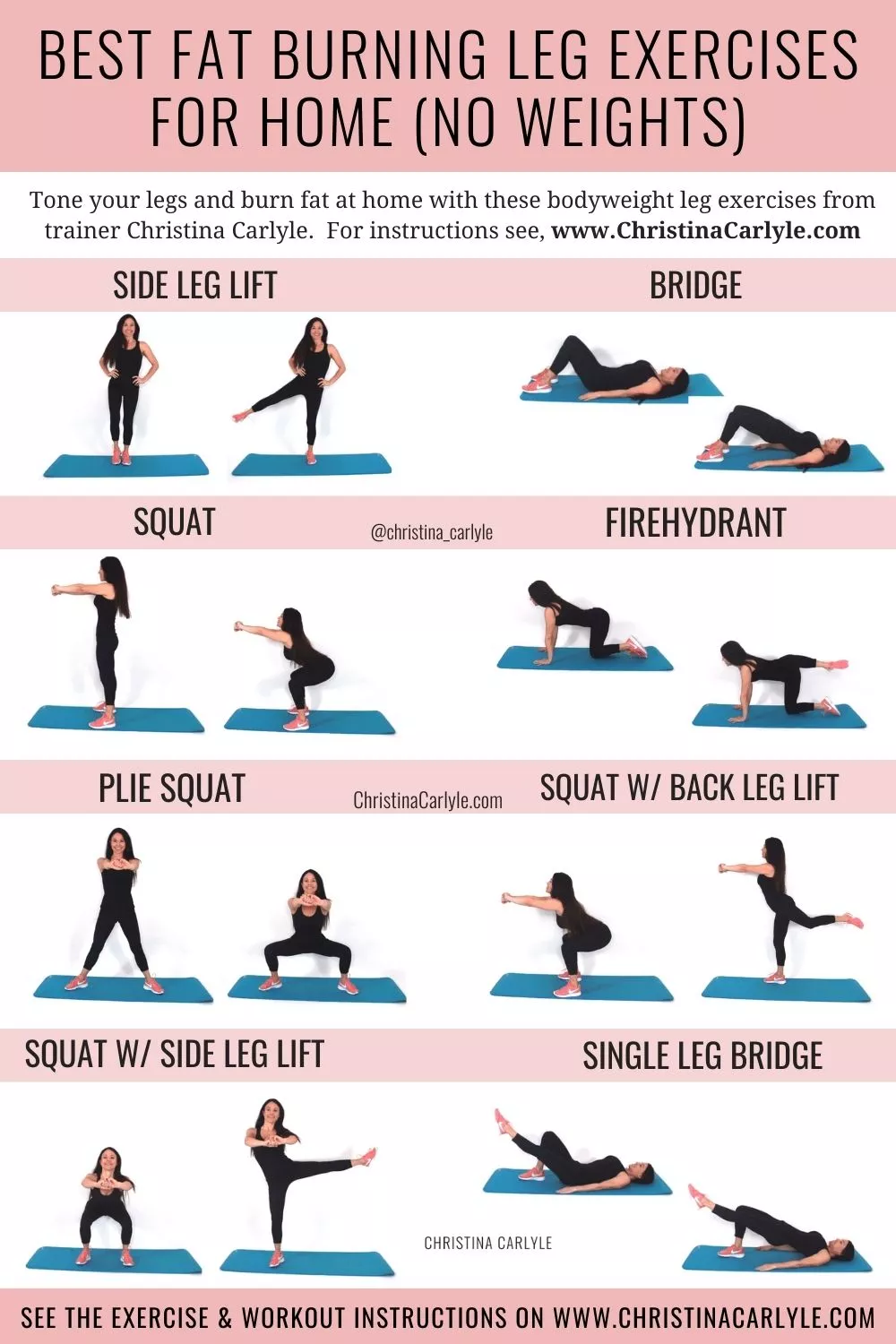
Credit: www.greensafaris.com
Frequently Asked Questions
What Is The Best Full Leg Workout?
A great full leg workout includes squats, lunges, deadlifts, leg presses, and calf raises. Perform each exercise for 3-4 sets of 8-12 reps. Ensure proper form to prevent injuries. Include warm-up and cool-down sessions for optimal results. Adjust intensity based on fitness level.
Can I Build Leg Muscle Without Weights?
Yes, you can build leg muscle without weights. Engage in bodyweight exercises like squats, lunges, and calf raises. Consistently practice exercises like jump squats and hill sprints. Maintain proper form and increase intensity over time. Regular workouts will effectively strengthen and tone your leg muscles.
Is 7 Exercises Enough For Leg Day?
Seven exercises can be enough for leg day if they target different muscle groups. Focus on squats, lunges, deadlifts, and leg presses. Adjust the intensity, sets, and reps to match your fitness level. Ensure proper form to maximize effectiveness and reduce injury risk.
Listen to your body for best results.
Which Exercise Is Best For Legs At Home?
Squats are excellent for strengthening legs at home. They target quadriceps, hamstrings, and glutes. Lunges and calf raises also effectively build leg muscles without equipment.
Conclusion
A full leg workout at home is simple and effective. With dedication, you can build strength without a gym. Use basic exercises like squats and lunges. They target major leg muscles. Consistency is key for progress. Start small, increase intensity over time.
Warm up before each session. Cooling down is important too. Balance exercise with rest for best results. Stay motivated by tracking your improvements. Celebrate small achievements. Remember, every effort counts. Enjoy the process and stay active. Fitness at home is possible and rewarding.
Keep pushing your limits. Your legs will thank you.