Are you dreaming of stepping onto the stage and showcasing your hard-earned physique at a fitness and figure competition? Achieving this goal requires more than just relentless hours in the gym.
It hinges on mastering a diet that not only fuels your workouts but also sculpts your body into peak condition. The right diet can be your secret weapon, giving you the edge over competitors and helping you shine under the spotlight.
We’ll unravel the mystery of the fitness and figure competition diet, revealing how you can transform your eating habits to align with your competition goals. Get ready to discover the strategies that can elevate your physique and confidence to new heights, making you the standout competitor you’ve always aspired to be. Keep reading to find out how the right nutrition plan can make all the difference in your competition journey!

Credit: nextlevelbikiniprep.com
Diet Basics
Fitness and figure competitions demand a strict diet for peak performance. Understanding diet basics is essential. It supports muscle growth and maintains low body fat. A well-structured diet lays the foundation for success.
Macronutrients Breakdown
Macronutrients are proteins, carbohydrates, and fats. Each plays a crucial role. Proteins support muscle repair and growth. They are building blocks for your body. Carbohydrates provide energy for workouts. They fuel intense training sessions. Fats are vital for hormone production. They help absorb essential vitamins. Balance these macronutrients for optimal results.
Importance Of Hydration
Hydration is often overlooked. Yet, it is vital for overall health. Water regulates body temperature. It aids digestion and nutrient absorption. Staying hydrated boosts performance. It reduces the risk of injury. Aim for at least eight glasses daily. Adjust intake based on activity level.
Meal Timing
Meal timing affects energy levels and recovery. Consistent meal timing aids metabolism. Eat every 3-4 hours for steady energy. Pre-workout meals should include carbs and protein. Post-workout meals are crucial. They help replenish glycogen stores. They also support muscle recovery. Plan meals around your training schedule.
Pre-competition Nutrition
Getting ready for a fitness and figure competition involves more than just intense workouts. Your pre-competition nutrition plan can be the difference between looking good and feeling great on stage. This phase is crucial, as it helps you fine-tune your physique and boost your energy levels. Let’s dive into some practical strategies to help you optimize your diet for that winning look.
Carb Cycling Strategies
Carb cycling is a popular method to enhance muscle definition while maintaining energy. It involves alternating between high-carb and low-carb days. On high-carb days, you replenish glycogen stores, giving your muscles that fuller look. Low-carb days are designed to torch fat, helping your body tap into its reserves for energy.
Consider eating more carbs on heavy training days. This ensures your body has enough fuel for those intense workouts. On lighter days or rest days, reduce your carb intake. This approach prevents excess calorie consumption and supports fat loss.
Protein Intake Optimization
Protein is vital for muscle repair and growth. Before the competition, your protein needs might slightly increase to maintain lean muscle mass. Aim for a variety of protein sources like chicken, fish, and plant-based options to keep your meals interesting.
How much protein is enough? A good rule of thumb is around 1.2 to 2 grams per kilogram of body weight daily. This might seem like a lot, but spreading it across meals can make it manageable. You could even add a protein shake post-workout for convenience.
Healthy Fats Inclusion
Fats often get a bad rap, but they are essential for hormone production and overall health. Including healthy fats in your diet can give you the energy needed for those last few weeks of intense training.
Opt for sources like avocados, nuts, and olive oil. These fats help keep your skin looking vibrant—a bonus when you’re on stage. However, be mindful of portion sizes to avoid excess calorie intake.
Are you ready to refine your nutrition strategy? Remember, the right diet can enhance your physique and boost your confidence. What adjustments will you make to your pre-competition plan?
Training And Diet Synergy
Finding the perfect balance between training and diet is crucial for fitness and figure competition success. Proper synergy enhances performance and helps achieve desired physique goals. Both elements support each other, creating an optimal environment for growth and recovery.
Strength Training And Diet
Strength training requires the right nutrients for muscle building and repair. Protein is vital. It aids in muscle recovery post-workout. Carbs provide energy. They fuel intense workouts and improve performance. Healthy fats support hormone production. They also help in maintaining energy levels.
Timing your meals is equally important. Consuming protein and carbs before and after workouts maximizes muscle gains. A balanced diet helps achieve strength training objectives.
Cardio And Caloric Balance
Cardio workouts burn calories. They aid in fat loss and improve heart health. Balancing caloric intake with cardio is essential for weight management. Consuming fewer calories than burned results in fat loss. Monitoring portion sizes helps in controlling calorie intake.
Hydration plays a significant role. Drinking enough water supports efficient calorie burning. It also aids in maintaining energy levels during cardio sessions.
Recovery Nutrition
Post-workout recovery is crucial for muscle repair. Consuming protein aids in this process. It also reduces muscle soreness. Carbs help replenish glycogen stores. They restore energy levels post-exercise.
Including antioxidants in your diet supports cellular repair. They fight free radicals generated during workouts. Adequate hydration aids in recovery. It supports nutrient transport to muscles.
Common Mistakes
In the world of fitness and figure competitions, diet is crucial. Competitors often make common mistakes that hinder their progress. Understanding these pitfalls can help achieve better results. Let’s explore some frequent errors in diet plans.
Overeating And Undereating
Finding the right balance of calories is important. Overeating leads to excess body fat. Undereating can cause muscle loss and low energy. Both harm performance and appearance on stage. Monitor calorie intake closely. Adjust based on training needs and body changes.
Ignoring Micronutrients
Focusing only on proteins, fats, and carbs is not enough. Vitamins and minerals play a key role in health. They affect energy, recovery, and immune function. A lack of micronutrients can impact performance. Include a variety of fruits and vegetables in your diet. They ensure you get essential vitamins and minerals.
Dehydration Risks
Staying hydrated is vital for muscle function and skin appearance. Dehydration reduces strength and endurance. It can lead to cramping and fatigue. Drink plenty of water daily. Adjust based on activity level and climate conditions. Proper hydration enhances overall performance.
Supplementation
Supplementation is crucial for fitness and figure competitors. It supports muscle growth and enhances performance. Knowing the right supplements helps optimize training and diet.
Essential Supplements
Protein powders are essential for muscle repair. They provide quick nutrients after workouts. Creatine boosts strength and muscle volume. It aids in high-intensity exercises. BCAAs reduce muscle fatigue. They support endurance and recovery. Multivitamins fill nutritional gaps. They ensure overall health and vitality.
Timing For Best Results
Proper timing maximizes supplement benefits. Consume protein within 30 minutes post-workout. It aids muscle recovery efficiently. Take creatine before workouts. It improves energy levels and performance. BCAAs can be taken before and after workouts. They enhance endurance and recovery speed. Multivitamins work best in the morning. They offer daily nutritional support.
Potential Side Effects
Supplements can have side effects. Excess protein may strain kidneys. Creatine might cause water retention. It can lead to bloating. BCAAs could affect blood sugar levels. It’s crucial to monitor intake. Multivitamins might cause digestive issues. Always consult with a healthcare professional.
Mental And Emotional Health
Embarking on a fitness and figure competition journey is exhilarating. It challenges your body and mind. Diet plays a huge role in this process. It affects both physical and mental well-being. The right mindset is crucial. It helps in overcoming challenges and staying focused. Mental and emotional health is a pillar of success. Let’s explore how diet impacts stress, mindset, and support systems.
Stress And Diet Impact
Stress can derail your fitness goals. Your diet can influence stress levels. Eating balanced meals helps manage stress better. Avoid processed foods. They can increase anxiety. Choose whole foods instead. They nourish both body and mind. Omega-3 fatty acids are beneficial. They improve mood and reduce stress. Stay hydrated. Water intake helps maintain mental clarity. A well-planned diet supports emotional stability. It aids in stress management during intense training.
Building A Positive Mindset
A positive mindset is a powerful tool. It keeps you motivated and driven. Set realistic goals for your journey. Celebrate small victories along the way. Positive affirmations boost confidence. They encourage a healthy outlook. Visualize success. Picture yourself achieving your goals. Surround yourself with positivity. Inspirational quotes or images can help. A positive mindset fuels perseverance. It makes challenging days more manageable.
Support Systems
Support systems are vital. They provide encouragement and guidance. Family and friends can offer emotional support. Share your goals with them. Seek advice from fitness communities. Online forums and groups are great resources. They connect you with like-minded individuals. Professional guidance is also beneficial. Nutritionists or coaches can offer personalized advice. Lean on your support system during tough times. It strengthens your mental and emotional health. A strong support network enhances your journey.
Post-competition Recovery
After a fitness and figure competition, the right diet speeds up recovery. Balanced meals help rebuild muscles. Nutrient-rich foods restore energy and support overall health.
After the adrenaline rush of a fitness and figure competition, many competitors face the critical phase of post-competition recovery. This period is crucial not only for physical recovery but also for mental well-being. Navigating this phase with care ensures you maintain a healthy balance and continue to thrive beyond the competition stage.Transitioning Back To Normal Diet
As the competition wraps up, it’s tempting to dive back into your favorite comfort foods. However, making sudden dietary changes can shock your body. Gradually reintroduce foods to avoid digestive issues and maintain energy levels. Consider starting with small portions of carbs and fats, slowly increasing them over weeks. This method helps your metabolism adjust smoothly. Remember that balance is key—your body needs nutrients, not just calories.Managing Weight Fluctuations
Post-competition, weight fluctuations are common and completely normal. Your body is recovering from a strict regimen, so don’t stress over numbers on the scale. Focus on how you feel rather than your weight. To stabilize weight, keep track of your food intake and adjust based on your body’s response. Regular exercise, though less intense, helps maintain your physique and mental health. How do you handle changes—do they motivate or demoralize you? Reflect on this as you navigate this period.Long-term Health Considerations
A sustainable lifestyle is more important than short-term goals. Prioritize nutrient-rich foods to support your overall health. Vitamins and minerals play a significant role in recovery and long-term well-being. Stay hydrated and pay attention to your body’s signals. Are you experiencing fatigue, or are you feeling energized? Listening to your body ensures you make informed decisions about your diet and exercise. Remember, the journey to health is ongoing, and each step matters. Taking time for post-competition recovery not only benefits your physical health but also enhances your mental resilience, preparing you for future challenges. What strategies will you adopt to ensure a balanced recovery?
Credit: www.pinterest.com
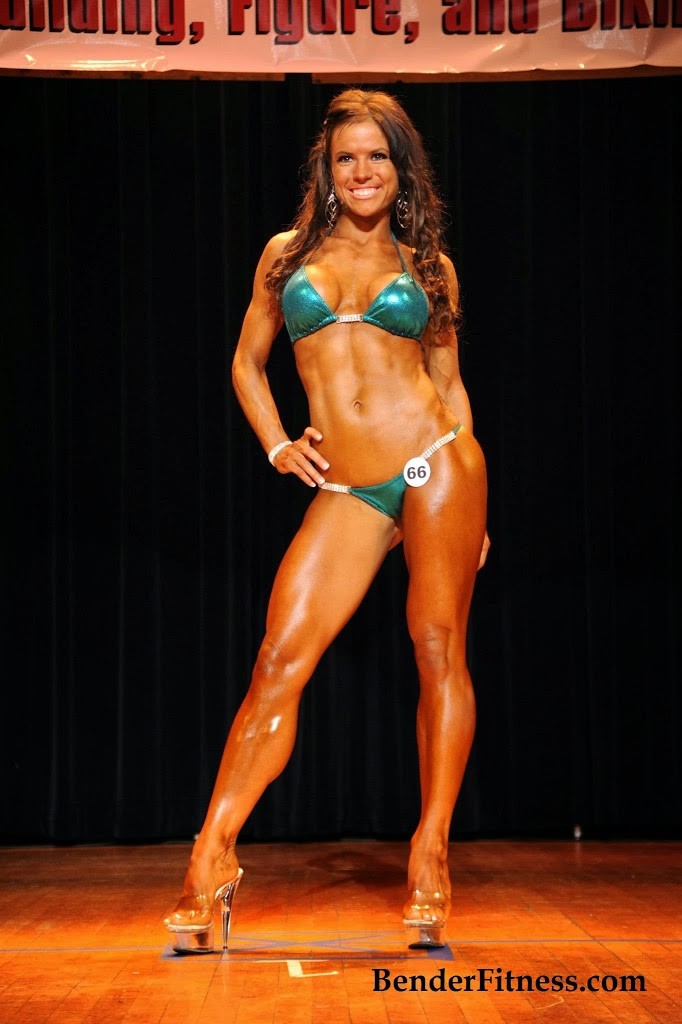
Credit: www.benderfitness.com
Frequently Asked Questions
What Do Figure Competitors Eat?
Figure competitors eat lean proteins, complex carbs, healthy fats, and plenty of vegetables. They often consume chicken, fish, sweet potatoes, brown rice, nuts, and leafy greens. Meals are portioned carefully to support muscle growth and fat loss, focusing on nutrient density and balanced macronutrients.
Hydration is also crucial.
What To Eat During A Fitness Competition?
Eat lean proteins, complex carbs, and healthy fats. Include chicken, fish, quinoa, brown rice, and avocados. Hydrate with water and electrolyte drinks. Snack on nuts and fruits for energy. Avoid processed foods and sugars to maintain peak performance during your fitness competition.
What Do Bodybuilders Eat On Competition Day?
Bodybuilders eat lean proteins, complex carbohydrates, and healthy fats on competition day. Hydration is crucial, so water intake is monitored. Foods like chicken, sweet potatoes, oats, and nuts are common choices. Meals are planned to maintain energy and promote muscle fullness without bloating.
What Do Fitness Models Eat?
Fitness models eat lean proteins, whole grains, and plenty of vegetables. They prioritize healthy fats, fruits, and hydration. Meals are balanced with nutrient-dense foods. They avoid processed foods, sugary drinks, and excessive salt. Portion control is essential to maintain their physique.
Conclusion
Crafting the right diet boosts fitness and competition success. Balanced meals fuel your body for workouts. Protein aids muscle growth, while carbs provide energy. Don’t forget healthy fats for overall wellness. Hydration plays a key role in performance. Small, frequent meals keep metabolism active.
Listen to your body’s signals. Adjust your diet as needed. Consistency brings results over time. Stay committed to your nutrition goals. Celebrate small victories along your journey. Achieve your fitness aspirations with dedication and mindful eating. Focus on the process, not just the outcome.
Your efforts will lead to success. Keep pushing forward.