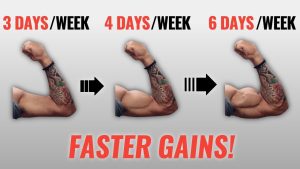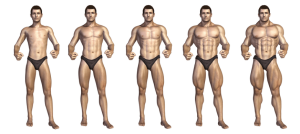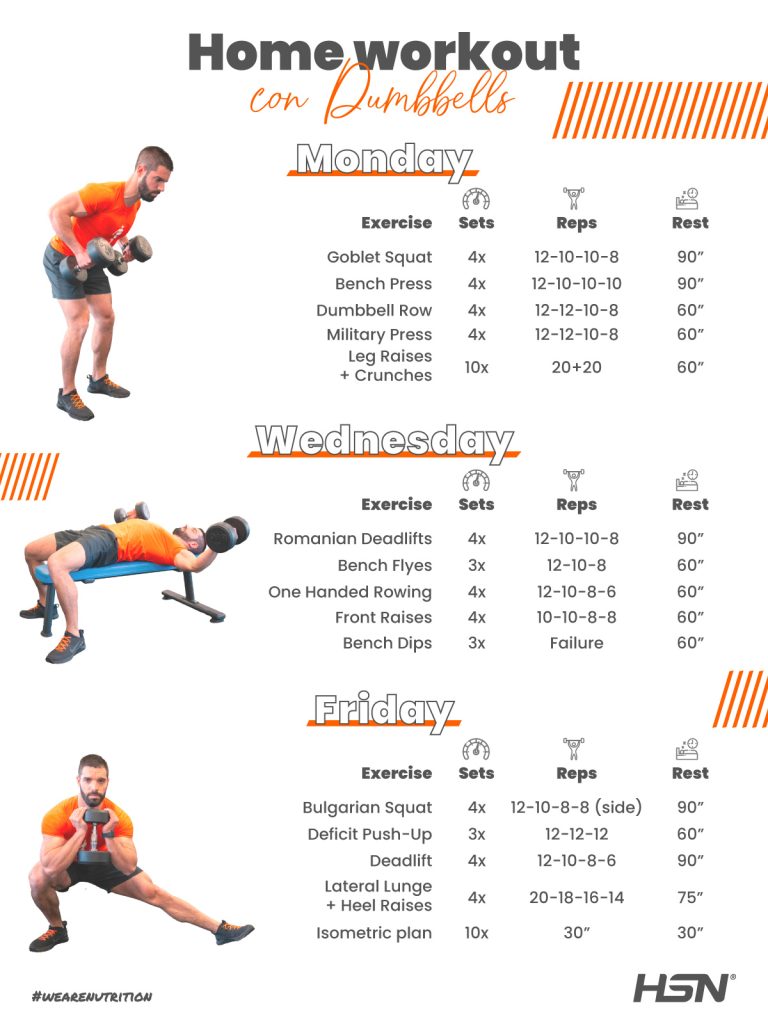
Are you tired of crowded gyms and complex machines? Imagine transforming your body using just a pair of dumbbells and the comfort of your own home.
With a Dumbbell Home Workout Program, you can achieve incredible results without stepping outside. This workout plan is designed to fit seamlessly into your busy schedule, making it easier than ever to stay consistent and motivated. You’ll find yourself feeling stronger, more energetic, and closer to your fitness goals each day.
Intrigued? Keep reading to discover how this simple yet effective program can redefine your fitness routine. Your journey to a healthier you starts now, and it’s just a scroll away.

Credit: cbicorporate.com
Benefits Of Dumbbell Workouts
Dumbbell workouts offer numerous benefits for fitness enthusiasts. They are versatile and effective for building strength and muscle. Perfect for home workouts, they cater to beginners and advanced athletes alike. Dumbbells provide a full-body workout, targeting various muscle groups.
1. Enhances Muscle GrowthDumbbells are excellent for muscle building. They allow for isolated exercises, targeting specific muscles. This leads to better muscle growth and definition.
2. Improves Balance and CoordinationDumbbell workouts require stability and control. They improve your balance and coordination. This benefit extends to daily activities, reducing the risk of falls.
3. Boosts Metabolic RateStrength training with dumbbells boosts metabolism. It increases calorie burn even after the workout. This aids in weight management and fat loss.
4. Increases FlexibilityDumbbell exercises enhance flexibility. Movements like lunges and presses extend muscle range. This helps in achieving better flexibility and mobility.
5. Convenient and Cost-EffectiveWorking out with dumbbells is convenient. They require minimal space and are affordable. Perfect for home gyms, they eliminate the need for expensive equipment.
6. Promotes Mental HealthExercise with dumbbells boosts mental well-being. It releases endorphins, reducing stress and anxiety. Regular workouts lead to improved mood and energy.
Choosing The Right Dumbbells
Selecting dumbbells for a home workout program can significantly impact your fitness journey. Consider adjustable weights for versatility or fixed ones for specific exercises. Ensure the dumbbells fit comfortably in your hands and match your strength level for effective and safe workouts.
Choosing the right dumbbells for your home workout program is crucial to maximizing your exercise routine. You might think all dumbbells are the same, but the truth is, selecting the appropriate type and weight can transform your fitness journey. Let’s dive into some practical tips to help you make an informed choice.Understanding Different Types Of Dumbbells
Not all dumbbells are created equal. There are fixed-weight dumbbells, adjustable dumbbells, and even smart dumbbells that track your reps. Fixed-weight dumbbells are great for beginners who need a straightforward option. They come in various weights, so you can easily pick what suits your strength level. Adjustable dumbbells are perfect if you have limited space. They allow you to change weights easily, saving you from buying multiple sets. Smart dumbbells offer advanced features, like tracking your workout progress. While they are more expensive, they provide valuable insights into your fitness journey.Determining The Right Weight
Choosing the correct weight is not just about how strong you are. It’s about the type of exercises you plan to do and your fitness goals. If your goal is muscle building, opt for heavier weights. They challenge your muscles and promote growth. For toning and endurance, lighter weights with more reps can be effective. They help improve stamina without overwhelming your muscles. Consider starting with a weight that allows you to perform 8-12 reps comfortably. Adjust as you become stronger and more confident.Considering Space And Budget
Space and budget are often overlooked but are essential factors. Think about where you will store your dumbbells. A dedicated corner or a small rack can keep your workout area organized. Fixed-weight dumbbells can be bulky. Adjustable dumbbells save space but may be more costly upfront. However, they might be more economical in the long run since you won’t need multiple pairs. Ask yourself: What’s your budget? How much space do you have? These questions will guide you in making the best choice for your home.Personal Experience: Finding Balance
When I started my home workout journey, I underestimated the importance of choosing the right dumbbells. I bought a heavy set thinking it would push me harder. Instead, it led to frustration and poor form. Adjusting to lighter weights allowed me to focus on technique and gradually build strength. Remember, it’s not about lifting the heaviest weights. It’s about finding the balance between challenge and ability. Choosing the right dumbbells can be a game-changer in your workout routine. Consider your goals, space, and budget to make the best choice for your fitness journey. What will your choice be?Setting Up Your Home Gym
Create an effective workout space at home with a focus on dumbbell exercises. This approach offers flexibility and targets various muscle groups. Enjoy the convenience of working out without leaving your house.
Setting up your home gym can be a game-changer for your fitness journey, especially if you’re embarking on a dumbbell home workout program. Having a dedicated space eliminates the hassle of gym commutes and lets you work out on your own schedule. Creating an environment that motivates you is crucial. Imagine waking up and seeing your fitness goals right in front of you, ready to tackle the day.Choosing The Right Space
Find a spot in your home where you feel comfortable and energized. It could be a corner in your living room or a spare room. Ensure there’s enough space to move freely as you perform various exercises. A good rule of thumb is to have room for a yoga mat and the ability to stretch your arms out wide.Essential Equipment
Start with basics. Dumbbells are versatile and effective for strength training. Consider adjustable dumbbells for space efficiency and variety in weight. A sturdy mat can protect your floors and provide comfort during workouts. Add a bench or stability ball for more exercise options.Organizing Your Gym
Keep your equipment organized for easy access. Use a rack for dumbbells, and store smaller items in a basket or on shelves. This not only saves space but also keeps your workout area tidy. A clutter-free environment can help you stay focused and motivated.Creating The Right Atmosphere
Think about what motivates you. Maybe it’s music or a motivational quote. Set up a speaker system for your favorite playlists. Hang inspiring posters or write your goals where you can see them. This personal touch can make your home gym feel inviting and energizing.Setting Goals And Tracking Progress
Establish clear fitness goals to keep yourself accountable. You might aim to increase your strength or improve endurance. Use a calendar or app to track your progress. Seeing your improvements can boost your motivation and help you stay committed. Setting up your home gym is not just about the physical space—it’s about creating a sanctuary where your fitness ambitions come alive. What’s the one thing you believe will transform your workout space into a powerhouse of motivation?Warm-up Routine
Starting your workout with a proper warm-up is crucial. It prepares your body for the exercise ahead. A good warm-up increases blood flow and reduces injury risk. Let’s dive into an effective warm-up routine for your dumbbell home workout program.
1. Jumping Jacks
Jumping jacks are a great way to get your heart rate up. Stand with your feet together and arms at your sides. Jump while spreading your legs and raising your arms overhead. Return to the starting position. Repeat for 30 seconds. This exercise warms up your entire body.
2. Arm Circles
Arm circles target your shoulders and arms. Stand straight with your feet shoulder-width apart. Extend your arms to the sides at shoulder height. Make small circles with your hands. Gradually increase the circle size. Do this for 30 seconds, then reverse direction.
3. Leg Swings
Leg swings help loosen your hip joints. Stand next to a wall for support. Swing one leg forward and backward in a controlled manner. Keep your core tight. Repeat 10 swings for each leg. This prepares your legs for more intense exercises.
4. Torso Twists
Torso twists warm up your core muscles. Stand with your feet hip-width apart. Place your hands on your hips. Twist your upper body to the left, then to the right. Keep your hips stable. Perform 10 twists on each side.
5. High Knees
High knees are perfect for raising your heart rate. Stand tall with feet hip-width apart. Lift one knee towards your chest, then quickly switch to the other knee. Do this for 30 seconds. It engages your core and leg muscles.
Incorporating these exercises into your warm-up routine will enhance your workout. Stay consistent for the best results.
Upper Body Exercises
Building strength doesn’t require a gym membership. You can achieve remarkable results with dumbbells at home. Upper body exercises target muscles like the chest, shoulders, back, and arms. They improve your strength and appearance. Let’s explore some effective exercises.
Chest Press
The chest press is a powerful exercise. It targets the pectoral muscles. Lie on a bench or the floor. Hold dumbbells at chest height. Push them upwards until your arms extend fully. Lower slowly back to start. Repeat for desired repetitions. This enhances chest strength and definition.
Shoulder Press
The shoulder press targets shoulder muscles. Stand or sit with a straight back. Hold a dumbbell in each hand. Start at shoulder height. Push them upward until arms are straight. Return slowly to start. This exercise strengthens shoulders and improves posture.
Bent-over Row
The bent-over row works the upper back. Bend slightly at the waist. Keep your back straight. Hold a dumbbell in each hand. Pull them towards your chest. Squeeze the shoulder blades. Lower the weights slowly. This builds a strong back and enhances posture.
Bicep Curls
Bicep curls focus on the front of your arms. Stand with feet shoulder-width apart. Hold a dumbbell in each hand. Keep elbows close to your body. Curl the weights towards your shoulders. Lower them back slowly. This exercise enhances arm strength and tone.
Lower Body Exercises
Dumbbell home workouts target the lower body effectively. Exercises like squats and lunges build strength and improve stability. Perfect for those seeking a practical fitness routine at home.
Lower Body Exercises Transforming your lower body with a dumbbell home workout program is both effective and rewarding. If you’re tired of gym fees or just want the convenience of working out at home, dumbbells are your best friend. They’re versatile, easy to store, and can help you achieve toned legs and a strong core. A question to ponder: How often do you focus on strengthening your lower body? It deserves as much attention as your upper body. Here’s a breakdown of four essential exercises to enhance your lower body strength and endurance.Squats
Squats are a powerhouse exercise for building lower body strength. They target the quads, hamstrings, and glutes. Imagine holding a dumbbell in each hand at shoulder height and lowering your body as if sitting back into a chair. – Keep your back straight – Ensure your knees don’t go past your toes – Aim for 10-15 reps Feel the burn? That’s your muscles getting stronger. Squats not only build strength but also improve balance and flexibility.Lunges
Lunges are fantastic for targeting the legs and buttocks. Holding dumbbells, step forward with one leg, lowering your hips until both knees are bent at about a 90-degree angle. – Focus on keeping your upper body straight – Switch legs after each lunge – Try 3 sets of 8-12 reps You might notice one leg is stronger than the other. This exercise can help balance that out, making both legs equally powerful.Deadlifts
Deadlifts are crucial for strengthening the back of your body. Stand with feet hip-width apart, holding a dumbbell in each hand. Bend at your hips and knees, lowering the weights while keeping your back straight. – Engage your core – Keep the weights close to your body – Perform 3 sets of 10 reps This exercise is a game-changer for improving posture and overall strength. How does your posture hold up after a long day? Deadlifts can help support it.Calf Raises
Calf raises are ideal for building strong calves. Stand with the balls of your feet on a step and hold a dumbbell in each hand. Slowly raise your heels until you’re standing on your toes, then lower back down. – Focus on control – Perform 3 sets of 15 reps This simple move can make a huge difference in how your legs look and feel. Do you find your calves getting tired easily? Regular calf raises can help enhance their endurance. By incorporating these exercises into your routine, you’ll notice improved strength and muscle tone in your lower body. How will you challenge yourself to take the next step in your fitness journey?Core Strengthening Moves
Build core strength with dumbbell exercises at home. Engage your muscles effectively with simple, targeted moves. Enhance stability and balance through consistent practice. Ideal for beginners seeking a straightforward workout routine.
Building a strong core is essential for overall fitness. It stabilizes your body, improves posture, and supports every movement you make. A dumbbell home workout program can effectively target your core with various exercises. You don’t need fancy equipment or a gym membership. Just a pair of dumbbells and determination can transform your core strength. Let’s dive into some effective moves.Russian Twists
Russian Twists are an excellent way to engage your obliques. Sit on the floor with your knees bent and feet slightly elevated. Hold a dumbbell with both hands and lean back slightly. Twist your torso to move the dumbbell from side to side. You’ll feel the burn in your sides as you maintain balance. Try doing three sets of 15 reps. You’ll not only work your core but also enhance your balance and coordination.Plank Rows
Plank Rows challenge your stability and strength. Start in a plank position with a dumbbell in each hand. Keep your body straight from head to heels. Lift one dumbbell to your waist while balancing on the other arm. Ensure your hips stay level. This move targets your core, shoulders, and back. Aim for 10 reps on each side. You’ll notice improved endurance and stronger muscles over time.Dumbbell Side Bends
Dumbbell Side Bends are perfect for sculpting your waistline. Stand with your feet shoulder-width apart. Hold a dumbbell in one hand and place the other hand on your hip. Bend sideways at the waist, lowering the dumbbell towards your knee. Return to the starting position and repeat. Switch sides after each set. Perform 12 reps per side. This exercise effectively targets your obliques, enhancing core definition and strength. Remember, consistency is key. Include these exercises in your routine, and you’ll see noticeable improvements in core strength. Are you ready to take your core workouts to the next level?Full-body Circuits
Full-body circuits with dumbbells offer a dynamic way to exercise at home. They target multiple muscle groups, enhancing strength and endurance. These circuits can be tailored to fit any fitness level, making them versatile. Let’s explore some effective full-body circuits using dumbbells.
Warm-up Exercises
Start with a gentle warm-up to prepare your body. Perform jumping jacks for 2 minutes. Follow with arm circles to loosen shoulder joints. Add a few bodyweight squats to engage leg muscles. Ensure your heart rate is elevated before moving to circuits.
Upper Body Circuit
Begin with dumbbell shoulder presses. Sit or stand with feet shoulder-width apart. Lift weights above your head in a controlled motion. Next, perform bicep curls. Keep elbows close to your sides while lifting weights towards shoulders. Finish with tricep extensions. Hold weights behind your head and extend arms upward.
Lower Body Circuit
Start with goblet squats. Hold a dumbbell close to your chest and squat down. Ensure knees do not pass toes. Move to lunges. Step forward with one leg, keeping the other stationary. Alternate legs for balance. End with calf raises. Stand on your toes while holding dumbbells at your sides.
Core Circuit
Focus on strengthening your core. Perform Russian twists with a dumbbell. Sit with knees bent, twisting the weight side to side. Follow with weighted sit-ups. Hold a dumbbell to your chest, and lift your upper body. Finish with plank rows. Get into a plank position, and row a dumbbell towards your waist.
Cool Down Routine
End with a cool-down to relax muscles. Stretch arms and legs gently. Hold each stretch for 20 seconds. Take deep breaths to lower heart rate. This helps reduce muscle soreness and aids recovery.
Cool-down Techniques
Ease muscle tension with cool-down techniques after a dumbbell home workout. Stretching and gentle movements help relax muscles and improve recovery. Adding deep breathing calms the mind and body, enhancing overall well-being.
Cooling down after a workout is crucial for your body’s recovery. It helps relax your muscles, reduces soreness, and prevents injuries. If you’re wrapping up a dumbbell home workout, don’t skip the cool-down. It’s the part that ensures your hard work pays off without leaving you aching the next day. Dive into these techniques to enhance your recovery and keep your body in top shape.Stretching For Flexibility
Focus on stretching major muscle groups like your arms, legs, and back. Hold each stretch for 20-30 seconds. Feel the tension melting away as your muscles lengthen. Use a door frame or towel to deepen your stretches. This helps improve flexibility, making future workouts smoother and more effective.Deep Breathing Exercises
Incorporate deep breathing to calm your mind. Inhale deeply through your nose, hold for a few seconds, then exhale slowly through your mouth. This practice not only relaxes your muscles but also lowers your heart rate. It’s a simple yet effective way to transition from exercise to rest.Foam Rolling
Foam rolling can be a game-changer for muscle recovery. Target areas like your thighs, calves, and shoulders. Roll slowly, pausing on tender spots. You might discover tight areas you didn’t notice during your workout. This helps release muscle knots and improves circulation.Light Walking
Consider a brief walk around your living room or backyard. This keeps your blood flowing and aids in clearing lactic acid buildup. It’s a gentle way to return your body to its resting state. Plus, it gives you a moment to reflect on your workout achievements.Hydration And Nutrition
Drink water to replenish lost fluids. Your muscles need hydration to recover efficiently. Pair your water intake with a small protein snack. This supports muscle repair and growth, enhancing your workout benefits. — As you finish your dumbbell session, which cool-down technique will you try first? Each offers unique benefits to keep your body healthy and ready for the next challenge. Remember, your cool-down is an investment in your fitness journey.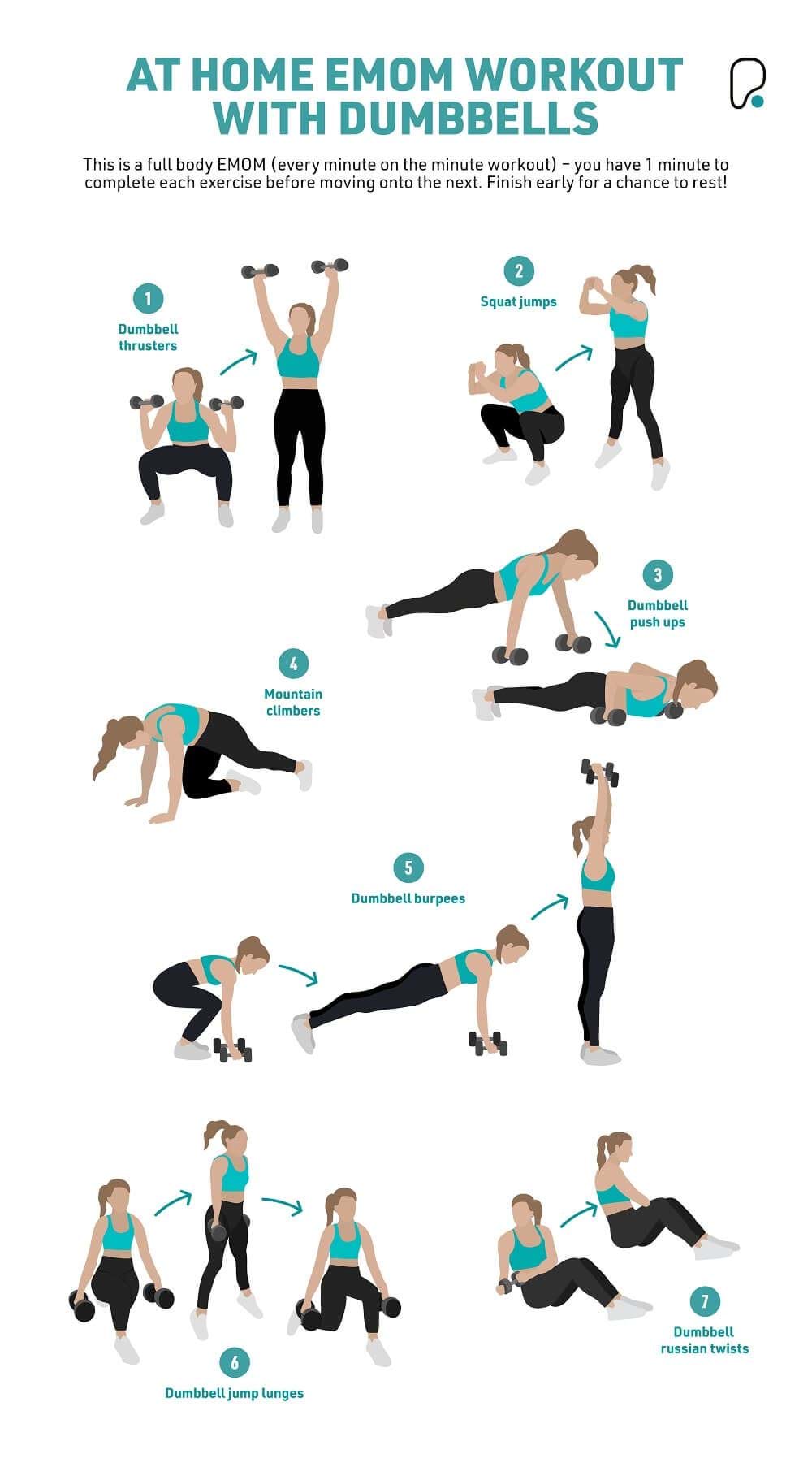
Credit: www.puregym.com
Tracking Progress
Tracking progress is crucial in any workout program. It helps you see your growth. For a dumbbell home workout program, keeping tabs on progress boosts motivation. You stay committed and celebrate small wins. Let’s explore how to effectively track your progress.
Setting Clear Goals
Start by setting clear goals. This gives direction to your workouts. Be specific. Do you want to increase strength or build muscle? Write down your goals. This makes them real and keeps you focused.
Using A Workout Journal
A workout journal is a great tool. Record every workout session. Note the number of sets, reps, and weights used. This helps you see improvements over time. A journal also highlights areas needing more attention.
Regular Assessments
Conduct regular assessments. Measure your strength and endurance every few weeks. Test with exercises like bicep curls or squats. Compare your current performance with past records. This shows progress and areas to improve.
Visual Progress
Visual progress is motivating. Take photos or videos monthly. Observe changes in muscle definition or posture. This visual record inspires continued effort. You see physical changes that numbers alone can’t show.
Adjusting Goals And Plans
Adjust goals and plans as needed. If you meet a goal, set a new one. This keeps your workout challenging. Modify exercises to suit your current fitness level. Tracking helps identify what works and what doesn’t.
Staying Motivated
Staying motivated is crucial in any workout routine. Especially in a dumbbell home workout program. It’s easy to start strong but maintaining that energy can be tough. Motivation keeps you moving forward. It helps in achieving your fitness goals. With the right mindset, your home workouts can be effective and enjoyable.
Set Clear Goals
Goals give direction. Decide what you want to achieve. Maybe it’s muscle gain. Or improved endurance. Write these goals down. They serve as a reminder of why you started. Reviewing them weekly keeps you focused.
Track Your Progress
Progress tracking boosts motivation. Use a journal. Record each workout session. Note the weights used. Document reps and sets completed. Seeing improvement encourages more effort. Celebrate small victories. They matter.
Find A Workout Buddy
A workout buddy adds fun. Invite a friend to join. Share your goals. Encourage each other. Accountability increases commitment. You both benefit from shared motivation. Friendly competition can push you further.
Keep It Varied
Variety prevents boredom. Change your exercises weekly. Explore new dumbbell routines. Switch up the reps and sets. Adjusting intensity keeps workouts exciting. This maintains interest and engagement.
Reward Yourself
Rewards boost morale. Set milestones. Treat yourself upon reaching them. Maybe it’s a new workout outfit. Or a healthy meal at your favorite restaurant. Rewards provide a sense of achievement. They make the journey enjoyable.
Stay Inspired
Inspiration fuels motivation. Watch fitness videos online. Follow fitness influencers. Read success stories. Surround yourself with positive content. This keeps your spirits high and urges you to continue.

Credit: www.pinterest.com
Frequently Asked Questions
How Often Should I Do A Dumbbell Workout?
For optimal results, aim for a dumbbell workout 3 to 4 times a week. This frequency allows your muscles to recover and grow while ensuring consistent progress. Ensure to vary your routine to target different muscle groups and prevent plateaus.
Can Beginners Use Dumbbells At Home?
Yes, beginners can effectively use dumbbells at home. Start with lighter weights to master proper form and technique. Gradually increase the weight as you gain strength and confidence. Dumbbells are versatile and can be used for a wide range of exercises.
What Are The Benefits Of Dumbbell Workouts?
Dumbbell workouts offer numerous benefits, including improved muscle strength, endurance, and flexibility. They also enhance coordination and balance. Additionally, dumbbells allow for a full range of motion, activating stabilizing muscles and promoting functional fitness.
Do I Need A Lot Of Space For Dumbbell Workouts?
No, you don’t need much space for dumbbell workouts. A small area that allows for a full range of motion is sufficient. Ensure your space is clear of obstacles to prevent accidents. Dumbbell workouts can be easily adapted to fit any home environment.
Conclusion
Achieving fitness goals at home is possible with dumbbells. This workout program suits all fitness levels. You can build strength and improve flexibility. Consistency is key for progress. Set clear goals and track your achievements. Stay motivated with varied exercises.
Listen to your body, and rest when needed. Enjoy the journey towards better health. Make fitness a part of your routine. Keep pushing forward and celebrate small victories. Your home can be your gym. Discover the benefits of dumbbell workouts today.
Start your fitness journey now and feel the difference.