Ever found yourself pondering the benefits of incline walking? Whether you’re looking to shed those extra pounds or build lean muscle, incline walking might be your secret weapon.
Imagine this: a simple tweak to your treadmill routine could unlock a world of fitness benefits. But, does incline walking burn fat, or does it build muscle? The answer might surprise you. You’ll discover how this underrated workout can transform your fitness regimen.
Get ready to uncover the science-backed truths that will motivate you to lace up your sneakers and hit that incline button. Your fitness journey is about to take an exciting turn, and you won’t want to miss a single step.

Credit: www.lifespanfitness.com.au
Incline Walking Benefits
Incline walking is an effective way to burn fat and build muscle. This exercise increases heart rate, promoting calorie burn and fat loss. It also targets muscles in the legs and glutes, enhancing strength and tone.
Incline walking offers a range of benefits for those looking to burn fat and build muscle. This simple yet effective exercise can fit into any fitness routine, providing both cardiovascular and strength-building advantages. Whether you’re new to exercising or a seasoned athlete, incorporating incline walking into your regimen can yield noticeable results.Boosts Calorie Burn
Walking on an incline burns more calories than walking on a flat surface. The increased effort required to walk uphill means your body needs more energy, which translates to a higher calorie burn. This makes incline walking an efficient way to shed those extra pounds.Enhances Muscle Tone
Incline walking engages different muscle groups compared to flat walking. It targets your calves, hamstrings, and glutes, helping to tone and strengthen these areas. As you continue, you may notice improved muscle definition and strength.Improves Cardiovascular Health
Incline walking is excellent for your heart. It elevates your heart rate, improving cardiovascular endurance and health. Regular sessions can contribute to lower blood pressure and a reduced risk of heart disease.Joint-friendly Exercise
Unlike running, incline walking is low-impact. It puts less stress on your joints, making it a suitable option for people with knee or hip concerns. You can still get a great workout without the risk of injury.Increases Endurance
Incline walking challenges your stamina. Over time, you’ll notice you can walk longer and at steeper inclines without tiring quickly. This increase in endurance can benefit other physical activities, making daily tasks easier to handle.Boosts Mental Well-being
Physical exercise, including incline walking, releases endorphins that enhance your mood. It can be a peaceful way to de-stress, especially if you walk in nature or while listening to your favorite music. A happier mind can lead to a healthier body. Why not try incorporating incline walking into your routine? The tangible benefits might surprise you. What changes could you make today for a healthier tomorrow?Fat Burning Potential
Incline walking is a simple yet powerful exercise that many people overlook when trying to lose fat. This activity not only boosts your heart rate but also engages a wide range of muscles, making it a dual-threat workout. Whether you’re looking to shed a few pounds or tone your muscles, understanding the fat-burning potential of incline walking can help you achieve your fitness goals. Let’s dive into how this exercise can be your ticket to a leaner body.
Caloric Expenditure
Incline walking ramps up your caloric burn more than walking on a flat surface. The effort of walking uphill demands more energy, which translates to higher calorie consumption. Imagine you’re on a treadmill with the incline set at a steep angle; your body works harder, and you feel it in your legs and core. This extra exertion means you can burn more calories in the same amount of time. Have you ever wondered why hikers seem so fit? It’s partly due to the increased caloric expenditure from tackling inclines.
Metabolic Rate Increase
Elevating your walk not only burns calories during the activity but also boosts your metabolic rate afterward. When you push your body to work harder, it naturally shifts to a higher gear, continuing to burn calories even after you stop. This post-exercise calorie burn is a bonus that you get from incline walking. You might find that after a session, you feel more energized and less hungry. This happens because your metabolism is still firing up, helping you shed fat even when you’re resting.
Incline walking is more than just a workout; it’s a strategic way to enhance your body’s ability to burn fat. Are you ready to make this simple yet effective exercise a part of your routine? Remember, every step you take uphill is a step closer to your fitness goals. Try it out, and see the results for yourself.
Muscle Building Effects
Incline walking is more than just a cardiovascular exercise; it can also enhance muscle building. When you walk on an incline, your body is forced to recruit additional muscle groups compared to walking on a flat surface. This simple yet effective workout can lead to noticeable changes in your muscle tone and strength. But which muscles are engaged, and how does it contribute to strength and endurance? Let’s dive in!
Muscle Groups Engaged
Incline walking primarily targets your lower body muscles. Your calves, hamstrings, quadriceps, and glutes are all actively engaged as you climb. The steeper the incline, the harder these muscles work to propel you upward. You might notice your calves burning after a good incline session; that’s a sign they’re getting a solid workout!
But it doesn’t stop at your legs. Your core muscles, including your abs and lower back, also play a vital role. They stabilize your body as you walk uphill, offering a hidden bonus of core strengthening. Think about the last time you felt soreness in your abs after a hike—incline walking works similarly.
Strength And Endurance
Incline walking enhances both strength and endurance. As your muscles adapt to the challenge, they become stronger and more resilient. This dual benefit can be particularly advantageous if you’re aiming to improve your overall fitness.
With regular incline walking, you’ll find everyday activities become easier. Climbing stairs won’t leave you breathless, and your legs will feel sturdier on uneven terrain. Isn’t it fascinating how a simple tweak to your walking routine can lead to such substantial improvements?
Engaging in incline walking builds strength, but it also boosts your stamina. The continuous effort required to walk uphill increases your cardiovascular capacity. This means your heart and lungs work more efficiently, and you’ll endure longer workouts with less fatigue.
Have you ever considered how this could transform your fitness journey? By incorporating incline walking into your routine, you not only build muscle but also enhance your endurance, setting the stage for more dynamic workouts.
Comparing Incline Walking To Other Exercises
Incline walking has become a popular fitness choice, but how does it stack up against other forms of exercise? Whether you’re aiming to burn fat or build muscle, understanding how incline walking compares to other exercises can help you tailor your workout routine to meet your goals. Let’s dive into how incline walking fares against treadmill walking, outdoor walking, and running.
Treadmill Vs Outdoor Walking
Walking on a treadmill with an incline offers a consistent workout environment. You control the incline and speed, making it easier to track your progress. This setup is ideal if you have limited time and want a straightforward way to boost your calorie burn.
On the other hand, outdoor walking provides natural inclines, varied terrains, and fresh air. These elements can make your workout more dynamic and engaging. Ever notice how walking up a hill outside feels different than on a treadmill? That’s your body responding to changes in terrain, which can enhance muscle engagement.
Both have their merits. The choice depends on your preference for stability or variety in your workouts. Which one aligns with your lifestyle?
Incline Walking Vs Running
Incline walking is a lower-impact exercise compared to running. It’s gentler on your joints while still offering cardiovascular benefits. If you’ve ever dealt with knee pain, incline walking might be your answer to maintaining fitness without discomfort.
Running, however, is a high-intensity workout that can burn more calories in a shorter time. It’s a powerful exercise for those who enjoy a challenge and are aiming to increase endurance. But it requires more recovery time due to its intensity.
If you’re balancing a busy schedule, incline walking can be a sustainable way to incorporate regular exercise. It allows you to multitask with less fatigue. Running might be your go-to for days when you’re ready to push your limits. How do you balance intensity and sustainability in your routine?
Choosing between these exercises boils down to your personal fitness goals and physical constraints. Incline walking offers a happy medium for those looking to blend muscle engagement with fat burning.
Incorporating Incline Walking In Fitness Routines
Incline walking effectively targets fat burn and muscle build. Elevating the treadmill increases heart rate, enhancing calorie burn. Walking uphill engages leg muscles, promoting strength and endurance.
Incorporating incline walking into fitness routines offers diverse benefits. It can burn fat and build muscle, making it a versatile exercise. This activity targets different muscle groups and elevates heart rate. It can enhance overall fitness and health. Understanding how to include it effectively can maximize its potential.Frequency And Duration
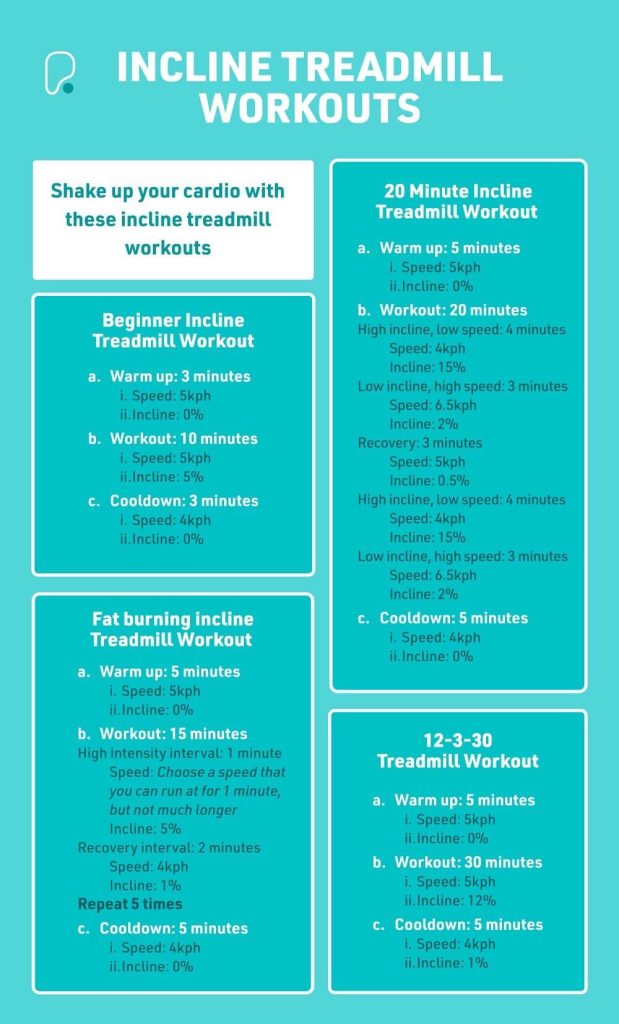
Regular sessions yield the best results. Aim for consistency. Walking uphill two to three times weekly can be effective. Each session should last 30 minutes or more. This duration allows the body to adapt and respond. Short walks might not provide significant benefits. Longer durations help burn more calories and strengthen muscles.Intensity Levels
Varying intensity impacts results. Start with a moderate incline. This level is suitable for beginners. Gradually increase the slope for more challenge. Steeper inclines work muscles harder. They require more effort and energy. Speed also influences the workout’s effectiveness. Faster walking increases calorie burn. Slow, steady pace can enhance muscle endurance. Choose intensity based on personal fitness goals.
Credit: www.instagram.com
Tips For Effective Incline Walking
Incline walking effectively targets fat burn and muscle building. This exercise boosts calorie burn while engaging leg muscles. Adjusting incline levels enhances workout intensity, promoting both weight loss and muscle growth.
Incline walking is an effective way to enhance your fitness routine, whether you aim to burn fat, build muscle, or achieve both. It’s more than just walking uphill; it’s about maximizing your effort with the right techniques. Implementing a few key tips can make a significant difference in your results. Let’s delve into how you can elevate your incline walking game.Proper Form And Technique
Maintaining proper form is crucial. Stand tall and keep your shoulders back. Engage your core by slightly tucking in your stomach. Use your arms to maintain balance and increase intensity. Swing them naturally as you walk, ensuring they don’t cross your body. This helps in burning more calories and maintaining proper posture. Walk at a steady pace. A brisk walk is ideal, but listen to your body. You should feel challenged, not overwhelmed.Avoiding Common Mistakes
Avoid leaning forward excessively. This can strain your back and reduce the effectiveness of your workout. Instead, keep your body aligned and upright. Don’t hold onto the treadmill handles tightly. This reduces the load on your muscles. Lightly touching them for balance is fine, but focus on building your strength. Ensure you’re not overstepping. Taking smaller, controlled steps can help maintain balance and reduce the risk of injury. Plus, it engages your leg muscles more effectively. Incline walking is a journey. The more you refine your technique, the better your results will be. What changes can you make today to improve your incline walking routine?Health Considerations
Incline walking helps burn fat by increasing heart rate and enhancing calorie expenditure. Steep paths engage more muscles, aiding in muscle building. Combining these effects offers a balanced approach to fitness.
When it comes to incline walking, it can be a powerful tool for burning fat and building muscle, but it’s crucial to consider the health aspects before diving into a routine. Many people jump into new fitness activities without understanding the potential impact on their bodies. Being informed about safety and consulting with professionals can prevent injuries and help you achieve your fitness goals effectively.Safety Precautions
Before you start incline walking, check your fitness level. Beginners might feel ambitious, but it’s essential to pace yourself. Consider starting with a slight incline and gradually increasing it. Stay hydrated. Walking on an incline can lead to more sweat, and you need to replace those lost fluids. Ensure you have the right footwear. Shoes with good grip and support can prevent slips and protect your joints.Consulting With Professionals
Speak with a fitness trainer or a health professional before you start. They can assess your current fitness level and recommend a suitable incline walking plan. If you have any underlying health conditions, discuss them with your doctor. Certain conditions might require modifications to your exercise routine. Have you ever thought about getting a fitness assessment? It might reveal insights about your body that you hadn’t considered, helping you tailor your workouts more effectively. Incline walking can be beneficial for burning fat and building muscle, but it’s vital to prioritize your health. By taking appropriate safety measures and seeking professional advice, you can maximize the benefits while minimizing risks.
Credit: runtothefinish.com
Frequently Asked Questions
Does Incline Walking Burn Fat And Build Muscle?
Incline walking effectively burns fat and builds muscle. It increases calorie burn, targets lower body muscles, and enhances endurance. Regular incline walking can help tone legs and glutes, promoting overall fitness. Integrating incline walking into your routine supports weight loss and muscle growth.
Is 30 Minutes Of Incline Walking Enough?
Yes, 30 minutes of incline walking can be effective for cardiovascular health and burning calories. It enhances endurance, tones muscles, and improves overall fitness. Consistency and intensity are key for optimal results. Combine with a balanced diet for maximum benefits.
Always consult a health professional before starting a new exercise routine.
Will Walking On An Incline Slim My Thighs?
Walking on an incline can help slim your thighs by increasing muscle engagement and burning more calories. It targets the thigh muscles, promoting toning and fat loss. Consistent incline walking combined with a balanced diet and strength training can enhance results.
Always consult a fitness professional for tailored advice.
What Happens If You Walk On An Incline Every Day?
Walking on an incline daily boosts cardiovascular health and strengthens leg muscles. It aids in calorie burning and improves endurance. Incline walking reduces joint strain compared to running. Consistency enhances balance and posture over time. It’s an effective, low-impact exercise for overall fitness improvement.
Conclusion
Incline walking offers benefits for both fat burning and muscle building. It increases heart rate, helping burn calories. This supports fat loss over time. The incline also engages leg muscles more than flat walking. Stronger legs? Yes, please. Consistent incline walking can improve muscle tone and endurance.
It’s a simple way to enhance your fitness routine. Just remember to start at a pace that suits you. Gradually increase the incline and duration. Listen to your body and enjoy the journey. Stay motivated and keep moving. Your health will thank you.