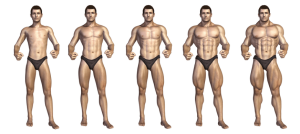
Are you tired of choosing between shedding fat and building muscle? What if you could achieve both at the same time?
Welcome to the world of body recomposition, where your fitness goals become a reality. This isn’t just another workout plan; it’s a strategic approach designed to transform your physique efficiently. Imagine looking in the mirror and seeing a leaner, more muscular you.
Sounds promising, right? You’ll discover a workout plan tailored to optimize fat loss while enhancing muscle growth. The best part? You don’t need to be a gym guru to understand or follow it. This plan is crafted with simplicity and effectiveness in mind. Curious to know how you can start this transformative journey? Read on to unlock the secrets of body recomposition that can redefine your fitness path and boost your confidence to new heights.
What Is Body Recomposition
Body recomposition involves losing fat while gaining muscle, transforming your body’s appearance and composition. A workout plan focuses on strength training and balanced nutrition, essential for achieving these goals effectively.
Body recomposition is all about changing your body structure by reducing fat and increasing muscle simultaneously. Unlike traditional fitness goals that focus solely on weight loss or muscle gain, body recomposition aims to improve your overall body composition. It’s about transforming your body into a stronger, leaner version of itself. But what exactly does that mean for you? Let’s break it down.Understanding Body Recomposition
Body recomposition is the process of losing fat while gaining muscle. Instead of just dropping pounds, you focus on how much of your weight is lean muscle versus fat. This approach can lead to a more toned appearance and better overall health. To achieve this, you need a balanced workout plan that includes both strength training and cardio. Strength training helps build muscle, while cardio assists in burning calories. The combination of the two is key for effective body recomposition.Why Choose Body Recomposition?
You might wonder why you should aim for body recomposition instead of traditional weight loss. The answer is simple: it’s more sustainable. Have you ever lost weight quickly only to gain it back just as fast? Body recomposition promotes a lifestyle change rather than a quick fix. It encourages you to adopt healthy habits that become part of your daily routine. This means better results that last longer.How Does Nutrition Play A Role?
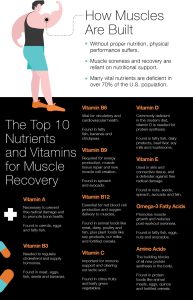
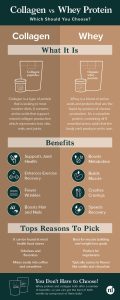
Nutrition is crucial when it comes to body recomposition. You can’t out-train a bad diet. Eating the right balance of proteins, fats, and carbs fuels your workouts and aids recovery. Proteins are essential for muscle building, while carbs provide energy. Healthy fats help with hormone production, which is vital for muscle growth. Tracking your macronutrients can give you a clearer picture of what your body needs to reach your goals.Setting Realistic Goals
Setting realistic goals is important for body recomposition. You won’t see drastic changes overnight, and that’s okay. Aim for small, achievable milestones. This approach keeps you motivated and allows you to celebrate progress along the way. Have you noticed how a small victory can boost your confidence and keep you on track? That’s the power of setting realistic goals.Measuring Success
How do you measure success in body recomposition? It’s not just about the number on the scale. Pay attention to how your clothes fit and how you feel in your own skin. Take progress photos and track your strength gains in the gym. These metrics often provide a more accurate reflection of your progress than a simple weight measurement. Remember, body recomposition is a journey. It’s about making consistent, healthy changes that lead to a better version of yourself. Are you ready to start your transformation?
Credit: sunnyhealthfitness.com
Setting Goals
Setting goals is crucial for body recomposition success. This helps you focus your efforts and track progress. Clear goals motivate and guide your workout plan. Start by understanding your body and what changes you want. Consider muscle gain and fat loss as key components.
Defining Muscle Gain
Muscle gain means increasing muscle size and strength. It requires consistent strength training and proper nutrition. Focus on exercises targeting major muscle groups. Consume enough protein to support muscle repair and growth. Track your progress by measuring muscle size and strength.
Understanding Fat Loss
Fat loss involves reducing body fat percentage. This improves overall health and appearance. Create a calorie deficit through diet and exercise. Focus on cardio and strength training. Monitor your progress by measuring body fat percentage and weight. Aim for a balanced approach combining muscle gain and fat loss.
Nutrition Strategies
Embarking on a body recomposition workout plan requires more than exercise. Nutrition plays a vital role. It’s not just about calories but what you consume. Eating right fuels muscle growth and fat loss. A balanced diet helps achieve fitness goals. Let’s explore key nutrition strategies for effective body recomposition.
Macronutrient Balance
Protein intake is crucial for muscle repair. Aim for lean sources like chicken, fish, and tofu. Carbohydrates provide energy for workouts. Choose whole grains, fruits, and vegetables. Healthy fats aid hormone production. Include nuts, seeds, and olive oil. Balance these macronutrients for optimal results.
Meal Timing
Eating at the right time boosts metabolism. Start with a protein-rich breakfast. It kickstarts your day with energy. Consume small meals every few hours. This keeps hunger at bay and maintains energy levels. Post-workout meals should include protein and carbs. They aid muscle recovery and replenish glycogen stores.
Strength Training Principles
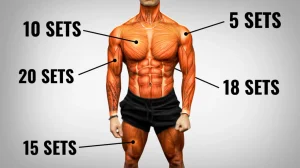
Strength training is essential for body recomposition. It helps in building muscle while burning fat. Understanding the principles can enhance the effectiveness of your workout plan. Focus on exercises that engage multiple muscles. Increase weights gradually to challenge your body.
Compound Vs. Isolation Exercises
Compound exercises target multiple muscle groups simultaneously. They boost overall strength and muscle growth. Squats and deadlifts are prime examples. Isolation exercises focus on one muscle group. Bicep curls and leg extensions are typical isolation moves. Balance both types for optimal results.
Progressive Overload Techniques
Progressive overload is crucial for continuous improvement. Start by increasing the weight you lift. Add more repetitions to your sets. Gradually reduce rest intervals between sets. This pushes your muscles beyond their comfort zone. Your body adapts and grows stronger.
Cardio And Conditioning
Cardio and conditioning are crucial elements in a successful body recomposition workout plan. They not only help in burning excess fat but also improve your endurance and overall fitness. Balancing cardio with strength training can significantly boost your efforts in achieving a leaner and more toned physique. Let’s dive into the options you can explore for effective cardio and conditioning.
High-intensity Interval Training
High-Intensity Interval Training (HIIT) is a game-changer for those looking to maximize fat loss while preserving muscle. Short bursts of intense activity followed by brief rest periods keep your heart rate up and torch calories effectively.
Imagine sprinting for 30 seconds and then walking for 60 seconds, repeating this cycle for about 15 minutes. It’s quick, intense, and incredibly efficient. Perfect for those who are time-crunched but still want results.
HIIT workouts can be done with exercises like burpees, jump squats, or cycling. You can even design your own routine based on your favorite activities. The key is intensity—push yourself hard during the activity bursts.
Steady-state Cardio Options
Steady-state cardio involves maintaining a consistent pace over a longer duration, typically 30 to 60 minutes. This type of cardio is less intense than HIIT but still plays a vital role in body recomposition.
Think of activities like jogging, cycling, or swimming. You maintain a steady pace, allowing your body to tap into fat stores for energy. It’s an excellent way to enhance cardiovascular health and endurance.
Do you prefer a morning jog in the park or an evening swim at the gym? Steady-state cardio is versatile, fitting seamlessly into your routine. Choose an activity that you enjoy to ensure consistency and commitment.
Balancing HIIT with steady-state cardio can offer the best of both worlds—intensity and endurance. Have you found your perfect cardio mix yet? Consider experimenting with different activities to keep things exciting and effective.
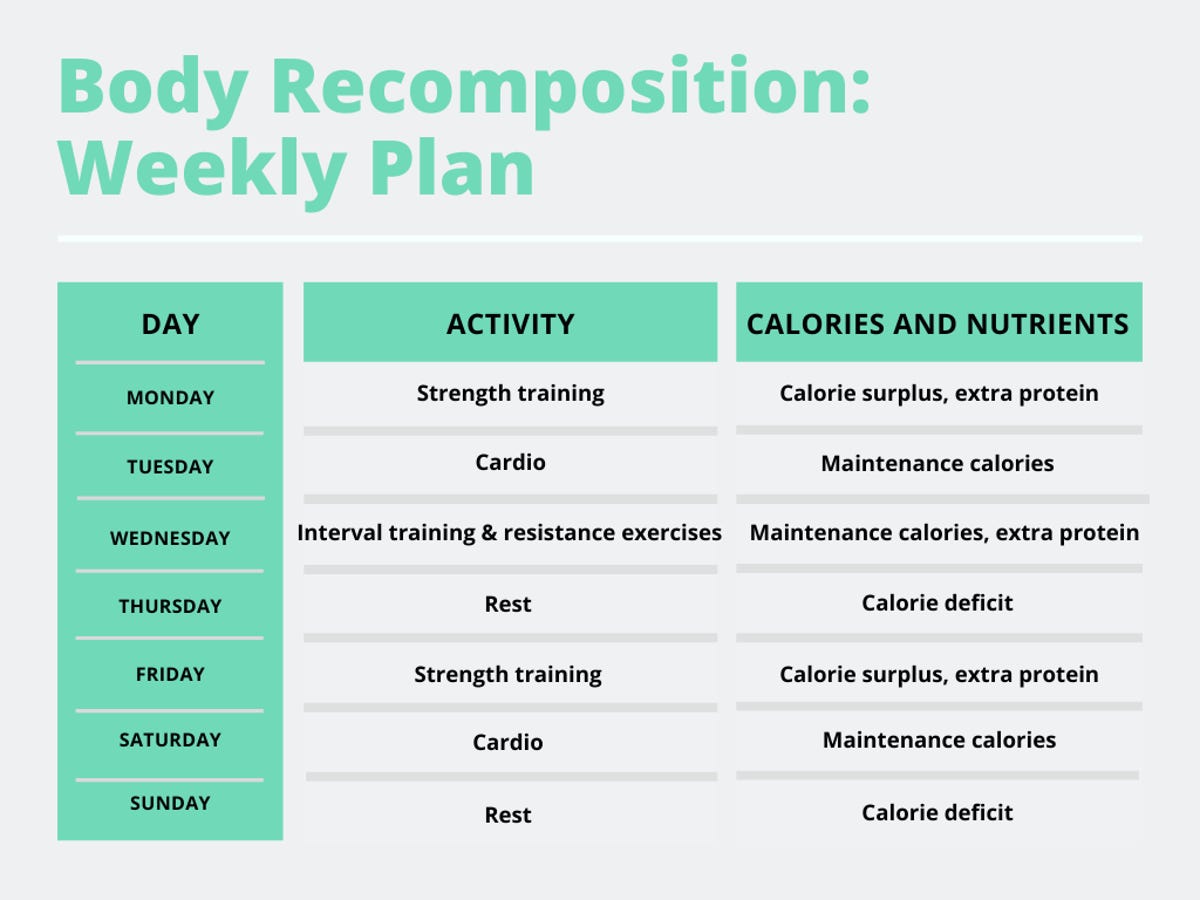
Credit: www.cnet.com
Recovery And Rest
Recovery and rest are crucial components of any effective body recomposition workout plan. These elements often get overlooked, yet they can make or break your progress. Balancing intense workouts with proper rest ensures your body has the time it needs to repair and grow stronger.
Importance Of Sleep
Quality sleep is your body’s natural reset button. It helps in repairing muscle tissues and maintaining hormonal balance. Skimping on sleep could stall your progress, leaving you feeling sluggish and demotivated.
Aim for 7-9 hours of uninterrupted sleep each night. A regular sleep schedule can improve your mood and performance. Have you ever noticed how a good night’s sleep makes your workouts feel easier?
Active Recovery Techniques
Active recovery includes low-intensity activities that keep you moving without stressing your body. Think of walking, yoga, or light swimming. These activities boost circulation and help reduce muscle soreness.
You might find a short yoga session more refreshing than an entire rest day. It keeps the blood flowing and helps your muscles heal faster. Consider adding a 20-minute walk after your workout to aid recovery.
What active recovery techniques work best for you? Experimenting with different activities can keep your routine interesting and effective.
Tracking Progress
Tracking progress is essential for any body recomposition workout plan. It helps you understand what’s working and what needs adjustment. Consistent monitoring keeps you motivated and focused. Here’s how you can effectively track your progress.
Measuring Body Composition
Body composition provides a clearer picture than weight alone. Use tools like calipers or body fat scales. These tools offer insights into fat and muscle percentages. Regular measurements can show you real changes over time. Keep a record every few weeks for accuracy. This helps in identifying trends and patterns.
Adjusting The Plan
Progress tracking helps refine your workout plan. If results stall, consider tweaking your exercises or diet. Sometimes, small changes lead to big improvements. Listen to your body and adjust intensity or volume as needed. Consistency is key, but flexibility ensures continued progress. Regular assessment keeps your goals realistic and achievable.
Common Mistakes
Body recomposition is a popular fitness goal. It focuses on losing fat and gaining muscle. Many people make mistakes during this journey. These errors can slow progress and cause frustration. Knowing these common mistakes helps you achieve your goals effectively.
Overtraining Pitfalls
Many people think more exercise equals better results. This isn’t true for body recomposition. Overtraining can lead to injury and burnout. It also hampers muscle recovery. Your body needs rest to grow and repair. Without enough rest, muscles can’t rebuild properly. Plan rest days and listen to your body. Balance your workout routine with adequate recovery.
Ignoring Nutrition
Exercise alone doesn’t drive body recomposition. Nutrition plays a crucial role too. Some people neglect their diet. They believe workouts are enough. But, a poor diet can sabotage your efforts. Eating too little can slow metabolism. Consuming too much can prevent fat loss. Aim for a balanced diet. Include protein, healthy fats, and carbohydrates. This supports muscle growth and fat loss. Track your meals to ensure you’re on the right path.
Success Stories
Embarking on a body recomposition journey is a path many have tread. The stories of those who’ve succeeded inspire and motivate. Real stories show what dedication and a solid workout plan can achieve.
Real-life Transformations
Meet Jake. Jake struggled with his weight for years. His goal was clear: lose fat while gaining muscle. After months of following a tailored workout plan, the results were outstanding. Jake’s body fat percentage dropped significantly. His muscle mass increased noticeably. His friends couldn’t believe the change.
Then there’s Mia. Mia wanted a leaner physique. Her focus was on strength training and balanced nutrition. Her dedication paid off. In six months, Mia transformed her body. She gained muscle definition and lost unwanted fat. Her success story is an inspiration to many.
Lessons Learned
These transformations teach valuable lessons. Consistency is key. Both Jake and Mia stuck to their plans. They faced challenges but did not give up. Discipline played a crucial role. Tracking progress helped them stay motivated. Small victories kept them going.
Another lesson is the importance of a balanced approach. Exercise alone is not enough. Nutrition is equally important. Mia learned this early on. Incorporating healthy eating habits made a difference. Staying hydrated and getting enough rest also contributed to their success.
These stories remind us that change is possible. With the right plan and commitment, body recomposition goals are achievable. The journey may be tough, but the results are worth it.
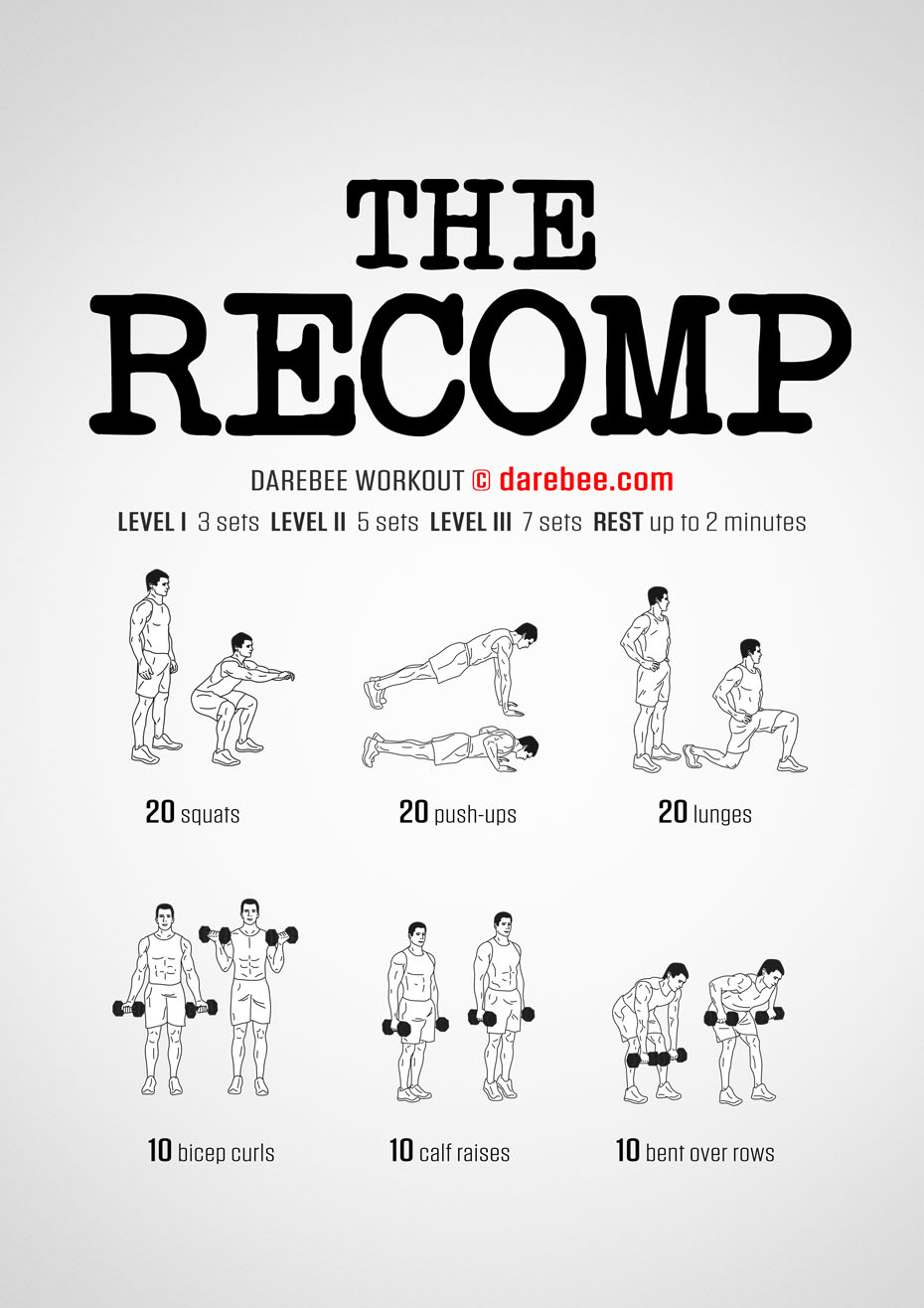
Credit: darebee.com
Frequently Asked Questions
Which Workout Plan Is Best For Body Recomposition?
The best workout plan for body recomposition combines strength training and cardio. Focus on compound exercises like squats and deadlifts. Incorporate HIIT for effective fat loss. Consistency and a balanced diet are crucial for success. Tailor the plan to individual goals and fitness levels.
How Long Does It Take To Recomposition Your Body?
Body recomposition typically takes several months. Progress depends on factors like diet, exercise, and consistency. Stay patient and focused.
How Many Days A Week Should I Workout For Body Recomposition?
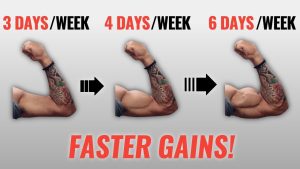
For effective body recomposition, aim to workout 3-5 days a week. Balance strength training with cardio for optimal results. Listen to your body and adjust as needed. Consistency and rest are crucial to achieving your fitness goals.
What Is The 6 Week Body Recomp?
The 6-week body recomp program focuses on losing fat and building muscle simultaneously. It combines strength training, cardio, and a structured nutrition plan. This approach enhances metabolism and improves body composition within a short period. Ideal for those seeking a leaner, more muscular physique.
Conclusion
Achieving body recomposition requires dedication and the right workout plan. Focus on consistent exercise and balanced nutrition. This helps build muscle while losing fat. Remember, progress takes time and patience. Listen to your body and adjust your routine as needed.
Stay motivated and track your results regularly. Celebrate small victories along the way. They keep you on track. Stay committed, and you’ll see positive changes. Your health and fitness journey is worth the effort. Keep pushing forward for a stronger, healthier you.