Are you ready to transform your fitness routine but don’t know where to start? Imagine walking into any gym or setting up a workout space at home with confidence, knowing exactly what to do.
The great news is, you don’t need expensive equipment or a complicated routine. All you need is a pair of dumbbells and a plan tailored just for beginners like you. This beginner dumbbell workout plan is designed to make your fitness goals achievable and your workouts enjoyable.
Whether you’re aiming to build strength, tone your muscles, or shed a few pounds, this plan will guide you every step of the way. As you read on, you’ll discover simple yet effective exercises that fit seamlessly into your schedule. You’ll also learn tips that can help you stay motivated and see results faster. Are you ready to take control of your fitness journey? Let’s dive in and get started!
Credit: www.equidiversity.org
Benefits Of Dumbbell Workouts
Dumbbell workouts offer effective strength training for beginners. They help build muscle, improve balance, and increase flexibility. Simple exercises with dumbbells enhance overall fitness, making them ideal for a beginner workout plan.
Embarking on a beginner dumbbell workout plan can offer a variety of benefits that contribute to overall fitness and well-being. Dumbbells are incredibly versatile and accessible, making them a popular choice for those starting their fitness journey. These workouts not only help in building strength and muscle but also improve stability and balance, which are crucial for daily activities. Let’s dive into why dumbbell workouts should be a staple in your exercise routine.
Versatility And Accessibility
Dumbbells are perfect for working out at home or at the gym. They come in different sizes and weights, allowing you to tailor your workout to your fitness level. You can easily store them in a small space and switch between exercises without the need for complicated equipment. Imagine waking up and finding it a hassle to drive to the gym. With dumbbells, you can perform a full-body workout right in your living room. This convenience means you’re more likely to stick to your fitness plan.
Building Strength And Muscle
Dumbbell workouts effectively target multiple muscle groups. They offer the resistance needed to build strength and muscle mass. Whether you’re doing curls, presses, or squats, dumbbells add intensity to each movement. When I started using dumbbells, I noticed my arms and shoulders became more toned after just a few weeks. It was rewarding to see visible results from consistent efforts. Ask yourself, wouldn’t you love to feel stronger and see changes in your body?
Improving Stability And Balance
Dumbbells require you to engage stabilizing muscles, enhancing your balance. This is because each arm works independently, forcing your core to stabilize the body. Improved balance translates into better performance in daily tasks and reduces the risk of injury. Picture walking on an uneven surface without the fear of stumbling. Incorporating dumbbell workouts can make this a reality, giving you confidence in your movements. Are you ready to add dumbbells to your routine and experience these benefits firsthand? Embrace the versatility, strength-building potential, and balance improvements that dumbbell workouts provide. They are an essential tool for anyone looking to start their fitness journey with confidence and ease.
Essential Equipment
Starting your fitness journey with a beginner dumbbell workout plan is exciting. You might wonder what equipment you need to get started. Essential equipment is key to making your workouts effective and safe. Let’s dive into what you should have at home to kick off your fitness journey.
Choosing The Right Dumbbells
Picking the right dumbbells is crucial. As a beginner, you might not know where to start. Go for adjustable dumbbells if you want versatility without clutter.
Fixed-weight dumbbells are great for simplicity. Choose a weight that challenges you but doesn’t compromise your form. Test different weights at a local gym to find what suits you.
Remember, dumbbells come in various materials. Rubber-coated ones are quieter and protect your floors. Metal dumbbells are durable but can be noisy. Think about your workout environment when choosing.
Additional Gear For Safety
Safety is paramount, especially when lifting weights. A yoga mat can prevent slipping and provide cushioning. It’s a small investment for big peace of mind.
Consider weightlifting gloves to avoid blisters and improve grip. They come in different sizes and materials, so find a pair that fits well.
What about a water bottle? Staying hydrated during workouts is vital. Keep it within reach to maintain energy levels and avoid cramps.
Why not think about mirrors? They’re not just for vanity; they help you check your form. Proper form reduces injury risk and maximizes workout results.
Have you thought about incorporating music? A good playlist can motivate and keep you focused. Use wireless earphones to avoid tangled wires during your workout.
Finally, ask yourself: Is your workout space inviting? A clean, organized area can boost motivation. Set up your equipment where you feel inspired.
Warming Up For Success
Warming up is crucial for a successful beginner dumbbell workout plan. It prepares your body, increases blood flow, and reduces injury risk. A good warm-up enhances performance and sets the tone for your workout.
Dynamic Stretching Techniques
Dynamic stretching improves flexibility and range of motion. It involves active movements that stretch your muscles gently. Arm circles, leg swings, and torso twists are great examples. These movements increase heart rate and loosen muscles. They prepare your body for the workout ahead.
Activating Key Muscle Groups
Activation targets specific muscles, priming them for exercise. Focus on major muscle groups like the chest, back, and legs. Bodyweight exercises such as squats and lunges work well. They engage muscles and improve coordination. Planks and push-ups activate the core and upper body. This ensures muscles are ready to lift weights effectively.
Upper Body Exercises
Building a strong upper body is essential for overall fitness. Dumbbells offer a simple way to target key muscles. They are versatile and effective for beginners.
This section covers exercises that enhance strength and endurance. Focus on proper form to prevent injuries. Let’s explore three powerful dumbbell exercises.
Dumbbell Bench Press
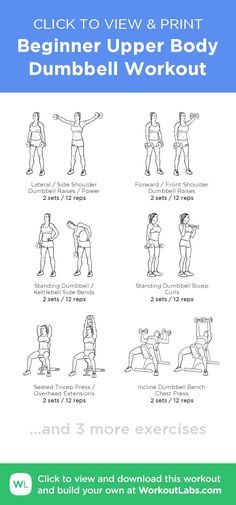
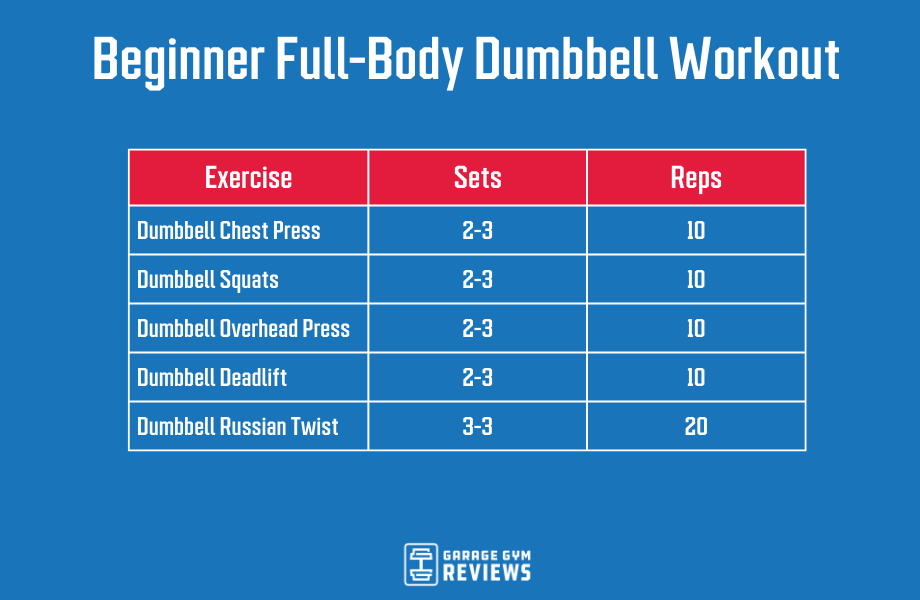
The dumbbell bench press strengthens your chest, shoulders, and triceps. Lay on a flat bench with a dumbbell in each hand. Keep your feet flat on the ground. Start with the dumbbells at chest level. Push them upward until your arms are straight. Lower them back slowly. Repeat for 8-12 reps. Focus on controlled movements for best results.
Shoulder Press Variations
Shoulder presses develop the deltoid muscles. Sit or stand with a dumbbell in each hand. Hold them at shoulder height. Press the weights overhead until arms are straight. Then lower them back slowly. Try different variations for variety. Seated presses provide more support. Standing presses engage the core. Mix it up for balanced development.
Bent-over Rows
Bent-over rows target the back muscles. Hold a dumbbell in each hand. Bend slightly at the waist. Keep your back straight. Pull the weights towards your torso. Squeeze your shoulder blades together. Lower the weights back to start. Perform 8-12 reps. This exercise builds a strong back and improves posture.
Lower Body Exercises
Lower body exercises are essential for building strength and stability. They also improve your overall balance and coordination. If you’re starting a beginner dumbbell workout plan, focusing on your lower body will lay a solid foundation for your fitness journey.
Goblet Squats
Goblet squats are a fantastic way to start working on your lower body strength. Hold a dumbbell close to your chest like a goblet. This helps you maintain balance and ensures proper form.
Squat down by pushing your hips back and bending your knees. Keep your chest up and your back straight. How low can you go while keeping your heels flat?
Try performing three sets of 10-12 reps. Feel the burn in your thighs and glutes? That’s a sign you’re doing it right!
Lunges With Dumbbells
Lunges with dumbbells are excellent for targeting your quads and hamstrings. Hold a dumbbell in each hand, arms by your sides. Take a step forward with one foot.
Lower your hips until both knees are bent at about 90 degrees. Your front knee shouldn’t go past your toes. Can you feel the tension in your legs as you push back to the starting position?
Complete three sets of 8-10 reps per leg. Alternating legs helps improve balance and coordination.
Romanian Deadlifts
Romanian deadlifts are perfect for strengthening your hamstrings and glutes. Stand with your feet hip-width apart, holding a dumbbell in each hand. Keep your knees slightly bent.
Hinge at your hips and lower the dumbbells along your legs. Stop when you feel a stretch in your hamstrings. Are you maintaining a flat back as you rise back up?
Aim for three sets of 10-12 reps. This exercise challenges your balance and flexibility, so take it slow and steady.
Adding these exercises to your routine can greatly improve your lower body strength. Consistency is key. Are you ready to take the first step in your fitness journey?
Credit: www.garagegymreviews.com
Core And Stability
Strengthen your core with this beginner dumbbell workout plan. Improve stability through simple exercises targeting key muscle groups. Perfect for building a solid foundation.
Working on your core and stability is crucial for any beginner dumbbell workout plan. A strong core not only enhances your balance and posture but also prevents injuries. It’s the foundation that supports every movement, from lifting to running. Imagine the progress you could make if you felt steady and secure in every exercise. Let’s dive into some effective exercises to build that core strength.
Russian Twists
Russian Twists are a fantastic way to target your obliques. Sit on the floor with your knees bent and feet flat. Hold a dumbbell with both hands, lean back slightly, and twist your torso to the right, then to the left. Keep your core engaged throughout the movement. Start with light weights to master the form before adding more challenge. Can you feel your sides working?
Plank Dumbbell Pass
Challenge your stability with the Plank Dumbbell Pass. Start in a plank position, with a dumbbell placed next to one of your hands. Reach with the opposite hand to grab the dumbbell and pass it across to the other side. Switch sides and repeat. This exercise not only works your core but also tests your balance. Maintaining a steady plank while moving the weight demands focus and control. Are you ready to test your limits?
Dumbbell Side Bends
Dumbbell Side Bends are perfect for sculpting your waistline. Stand tall, holding a dumbbell in one hand, with your feet shoulder-width apart. Bend sideways at the waist, lowering the dumbbell toward the floor, then return to the starting position. Perform this exercise on both sides for a balanced workout. Remember to keep your movements slow and controlled. Feel the stretch and contraction in your obliques. Can you sense the difference in your posture already? Every movement you master in your core and stability workout contributes to a more confident, agile you. Try these exercises and notice how your body responds. What’s holding you back from strengthening your foundation today?
Creating A Weekly Routine
Starting a beginner dumbbell workout plan helps build strength and confidence. Create a weekly routine with simple exercises. Focus on consistency to see gradual improvements in your fitness journey.
Creating a weekly dumbbell workout routine can transform your fitness journey. It helps build strength, boosts energy, and improves overall health. For beginners, it’s essential to plan workouts carefully to avoid overtraining. A balanced routine will target all major muscle groups and include rest days. This approach ensures steady progress and minimizes the risk of injury.
Balancing Muscle Groups
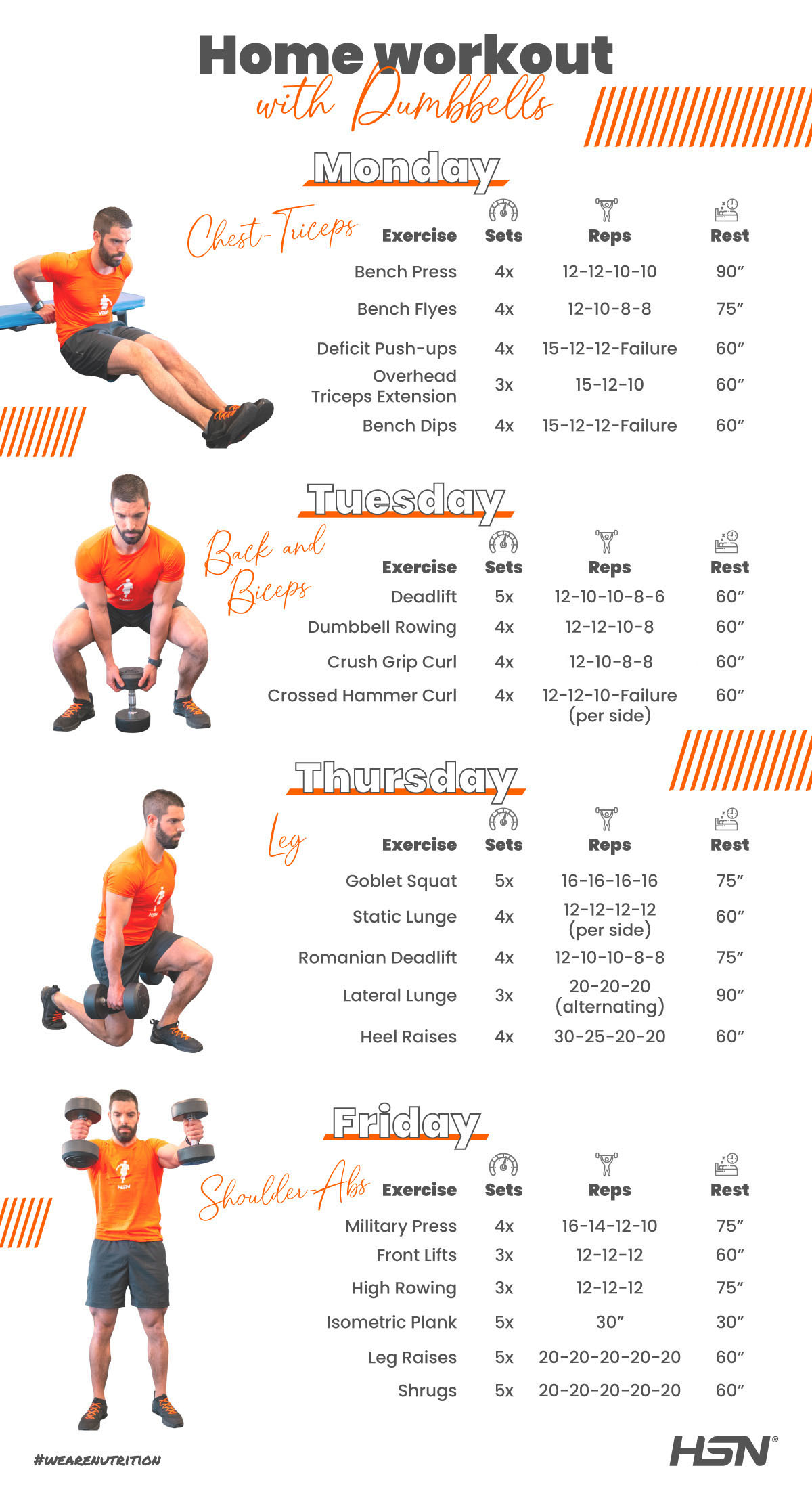
Balancing muscle groups is key in a dumbbell workout plan. Each muscle group should get equal attention during the week. Consider dividing your workouts into push, pull, and leg days. Push days focus on chest, shoulders, and triceps. Pull days target back and biceps. Leg days strengthen quads, hamstrings, and calves. This division ensures each group is trained effectively without overworking.
Incorporating Rest Days
Rest days are crucial in any workout plan. They allow muscles to recover and grow. Plan at least two rest days each week. This gives your body time to heal and prevents burnout. On rest days, engage in light activities like walking or yoga. This keeps you active without straining your muscles. Rest days also improve mental health, keeping you motivated for the next workout.
Tracking Progress
Tracking your progress in a beginner dumbbell workout plan is crucial. It helps you see improvements and stay motivated. Regular tracking can turn a routine into a rewarding journey. Let’s explore how to monitor your progress effectively.
Monitoring Strength Gains
Strength gains are a vital part of your workout journey. Begin by noting the weights you lift for each exercise. Keep a journal or use a fitness app. Record the repetitions and sets you complete. Over time, you’ll notice changes. These changes show your muscle strength is improving. This tracking method gives clear insights into your growth.
Adjusting Intensity Levels
Your body adapts to the same workout over time. To ensure continued growth, adjust the intensity. Increase weights gradually to challenge your muscles. If you can easily complete your sets, it’s time to add more weight. This keeps your muscles engaged and promotes steady progress.
Adjusting intensity prevents plateaus. It keeps your workouts effective and engaging. Listen to your body and make changes thoughtfully.
Avoiding Common Mistakes
Starting a beginner dumbbell workout plan is exciting and beneficial. Yet, many beginners make common mistakes. These mistakes can lead to injuries or slow progress. Understanding these pitfalls helps in building a safe and effective routine. Focus on key areas to enhance your workout experience.
Maintaining Proper Form
Using correct form is essential in any workout. Poor form can cause injuries. It also reduces workout effectiveness. Watch tutorials or seek advice from fitness trainers. They can guide you on proper technique. Always keep your back straight and engage your core. Avoid swinging the weights. Move slowly and with control. This ensures you target the right muscles.
Listening To Your Body
Your body sends signals during workouts. Pay attention to them. Pushing through pain can cause harm. Rest if you feel discomfort or strain. It’s important to differentiate between fatigue and pain. Fatigue means your muscles are working. Pain might indicate an injury. Allow recovery time for muscles to heal. This helps in building strength effectively.
Staying Motivated
Starting a beginner dumbbell workout plan is exciting, but staying motivated is where the real challenge lies. Motivation is like the fuel that keeps your fitness journey moving. Without it, the road can seem long and daunting. Let’s explore how you can stay motivated by setting achievable goals and finding the right workout buddy.
Setting Achievable Goals
Imagine aiming to lift too heavy too soon. It can lead to frustration or even injury. Instead, start small. Set a goal to lift weights comfortably for 15 minutes a day. Gradually increase the time and weight as you feel stronger.
Think about what success looks like for you. Is it lifting a heavier dumbbell? Is it feeling more energetic? Write it down. Tracking your progress can boost your confidence and keep you engaged. Celebrate small victories; they add up to big wins.
Have you set a goal that feels out of reach? Adjust it. Goals should challenge you, not overwhelm you. Remember, the real competition is with yourself, not others.
Finding A Workout Buddy
Working out alone can sometimes feel isolating. A workout buddy can change that. They can cheer you on when you feel like giving up. They hold you accountable when skipping a session seems tempting.
Think of someone who shares your interest in fitness. It could be a friend, a family member, or even someone you met at the gym. Having someone to share the journey makes it more enjoyable and less daunting.
Ever noticed how a shared laugh can make tough moments easier? That’s the magic of a workout buddy. They can help transform your workout into a fun and social activity. Plus, you might learn new techniques or exercises from each other.
What if your buddy can’t make it? There’s always the option of virtual workouts. Use video calls to exercise together, even if you’re miles apart. Staying connected can make your workout more exciting and keep the motivation flowing.
Staying motivated is about finding what works for you. Whether it’s setting achievable goals or teaming up with a buddy, the key is to keep moving forward. How will you stay motivated in your dumbbell workout plan?

Credit: www.pinterest.com
Frequently Asked Questions
What Is A Beginner Dumbbell Workout Plan?
A beginner dumbbell workout plan includes simple exercises for newcomers. It focuses on basic movements to build strength and endurance. Typically, it involves exercises like squats, lunges, and bicep curls. The goal is to introduce weight training safely while improving overall fitness.
How Often Should I Do Dumbbell Workouts?
For beginners, performing dumbbell workouts 2-3 times a week is ideal. This frequency allows for sufficient muscle recovery and growth. Consistency is key to building strength and improving technique. Ensure you give each muscle group ample rest before your next session.
Can Dumbbell Workouts Help With Weight Loss?
Yes, dumbbell workouts can aid in weight loss. They increase muscle mass, boosting your metabolism. More muscle burns more calories even at rest. Combined with a healthy diet, regular dumbbell workouts can effectively support weight loss goals.
What Dumbbell Weight Should Beginners Use?
Beginners should start with light weights, typically 5-10 pounds. This helps learn proper form and technique without risking injury. As you gain strength and confidence, gradually increase the weight. Listen to your body and adjust accordingly for optimal results.
Conclusion
Starting a dumbbell workout plan builds strength and confidence. Stick to the routine for visible progress. Consistency is key to seeing results. Celebrate small achievements along the journey. Listen to your body, and adjust as needed. Stay focused and motivated.
Always prioritize safety and proper form. Enjoy the process of getting stronger. Remember, every step counts towards your fitness goals. Keep pushing, and you’ll see improvements over time. Fitness is a journey, not a race. Appreciate each step forward in your workout adventure.