Feeling the urge to strengthen your core without stepping outside? You’re not alone.
A good core workout at home is not just a dream—it’s an attainable reality. Imagine achieving the toned abs and robust back muscles you’ve always desired, all within the comfort of your living room. With the right exercises, you can unlock a stronger, healthier you, without the need for expensive gym memberships or fancy equipment.
Picture this: a routine that’s designed to fit seamlessly into your busy schedule, offering visible results and a boost in confidence. As you read on, you’ll discover simple yet effective exercises that transform your fitness routine, making your core the powerhouse it’s meant to be. Ready to uncover the secrets to a stronger core? Let’s dive in and get you started on your journey to a fitter, more confident you.
Benefits Of Core Workouts
Strengthening the core at home boosts stability and posture. Core workouts enhance balance and reduce injury risk. Easily done with minimal equipment, these exercises fit into any routine.
Core workouts are essential for overall fitness. They strengthen the muscles around your trunk and pelvis. A strong core supports all physical activities. It also improves posture, balance, and stability. At home, core exercises offer many benefits without needing special equipment.Improved Posture
Good posture is vital for health. Core workouts help align your spine. This reduces back pain and improves body mechanics. When sitting or standing, a strong core keeps your body upright.Enhanced Balance And Stability
Balance is crucial in daily activities. A solid core provides stability in movement. You feel more grounded and less likely to fall. This is important as we age. Stability exercises keep you steady.Better Athletic Performance
Athletes need a strong core for peak performance. It enhances agility and strength in sports. Whether running or jumping, the core is key. A robust core helps transmit power to the limbs.Reduced Risk Of Injury
Injuries can occur during physical activities. A strong core protects against common injuries. It supports the body during sudden movements. This lowers the chance of strains and sprains.Increased Flexibility
Core workouts also improve flexibility. This makes everyday tasks easier. Bending and stretching become less taxing. A flexible body feels more relaxed and agile.Boosted Confidence
A strong core boosts self-esteem. You feel more confident in your abilities. Physical improvements often lead to better mental health. Feeling fit can enhance your overall well-being.Essential Equipment
Building a strong core at home requires essential equipment like a yoga mat, resistance bands, and stability ball. These tools help target your abs, obliques, and lower back effectively. Simple setups make workouts more engaging and comfortable.
Staying fit at home can be just as effective as hitting the gym, especially when it comes to working on your core. But what do you really need to get the most out of your home workout sessions? Let’s dive into the essential equipment that can transform your living room into a personal fitness studio. You might be surprised by how little you actually need to get started.Yoga Mat
A good yoga mat is more than just a comfortable place to lie down. It provides the traction you need for exercises like planks and mountain climbers. Imagine slipping during a workout—it’s both dangerous and discouraging. A mat keeps you steady, allowing you to focus on your form rather than your footing.Resistance Bands
Resistance bands are small but mighty tools. They add intensity to your workouts without taking up space. Have you tried using bands during leg raises or Russian twists? They can make your muscles burn in ways you never thought possible. What’s more, they are portable and affordable, making them a smart addition to your fitness arsenal.Dumbbells
Dumbbells are not just for building biceps. Light weights can enhance your core exercises, challenging your stability and balance. Think about holding dumbbells while performing sit-ups or standing oblique crunches. It adds an extra layer of difficulty, pushing your limits and helping you grow stronger.Stability Ball
A stability ball is a versatile piece of equipment that can take your core workout to the next level. How does balancing on an unstable surface sound? It forces your core to engage fully, creating a more effective workout. Try using it for exercises like ball passes or ball planks, and feel the difference in muscle activation.Foam Roller
A foam roller isn’t just for post-workout recovery. It can be a fantastic tool for core workouts. Using it for exercises like roll-outs or plank variations can intensify your routine. Plus, rolling out your muscles keeps them flexible and reduces soreness, preparing you for the next session.Jump Rope
Cardio is an essential part of any workout, and a jump rope is a simple way to add it to your routine. It’s not only great for your heart but also engages your core as you stabilize during jumps. In what ways have you incorporated cardio into your core workouts? Jumping rope can be a fun and effective option. Equipping yourself with the right tools can make a world of difference. What equipment do you currently use for your home workouts? Consider adding some of these essential items to maximize your core training. Remember, it’s not about having a lot of equipment, but rather having the right equipment that suits your needs.Bodyweight Exercises
Enhance your core strength with bodyweight exercises at home. Planks and sit-ups require no equipment and are effective. Consistent practice leads to improved stability and balance.
Bodyweight exercises offer a convenient way to strengthen your core at home. No equipment is needed, just your body and a bit of space. These exercises are perfect for beginners and experienced fitness enthusiasts alike. They help build stability, improve balance, and enhance overall core strength. Let’s explore some effective bodyweight exercises for a stronger core.Planks
Planks are a simple yet powerful core workout. Lie face down and lift your body on your forearms and toes. Keep your body straight, like a plank of wood. Hold this position as long as you can. Planks engage multiple muscle groups, including abs, back, and shoulders. They improve posture and increase endurance.Russian Twists
Russian Twists target the obliques and strengthen the entire abdomen. Sit on the floor with knees bent and feet flat. Lean back slightly and lift your feet off the ground. Hold your hands together and twist your torso side to side. Keep your core tight throughout the movement. This exercise enhances rotational strength and balance.Bicycle Crunches
Bicycle Crunches are great for engaging the upper and lower abs. Lie on your back with hands behind your head. Lift your legs and bend your knees at a 90-degree angle. Alternate touching your elbow to the opposite knee, mimicking a pedaling motion. Maintain a steady pace and breathe consistently. Bicycle Crunches improve coordination and boost muscle definition.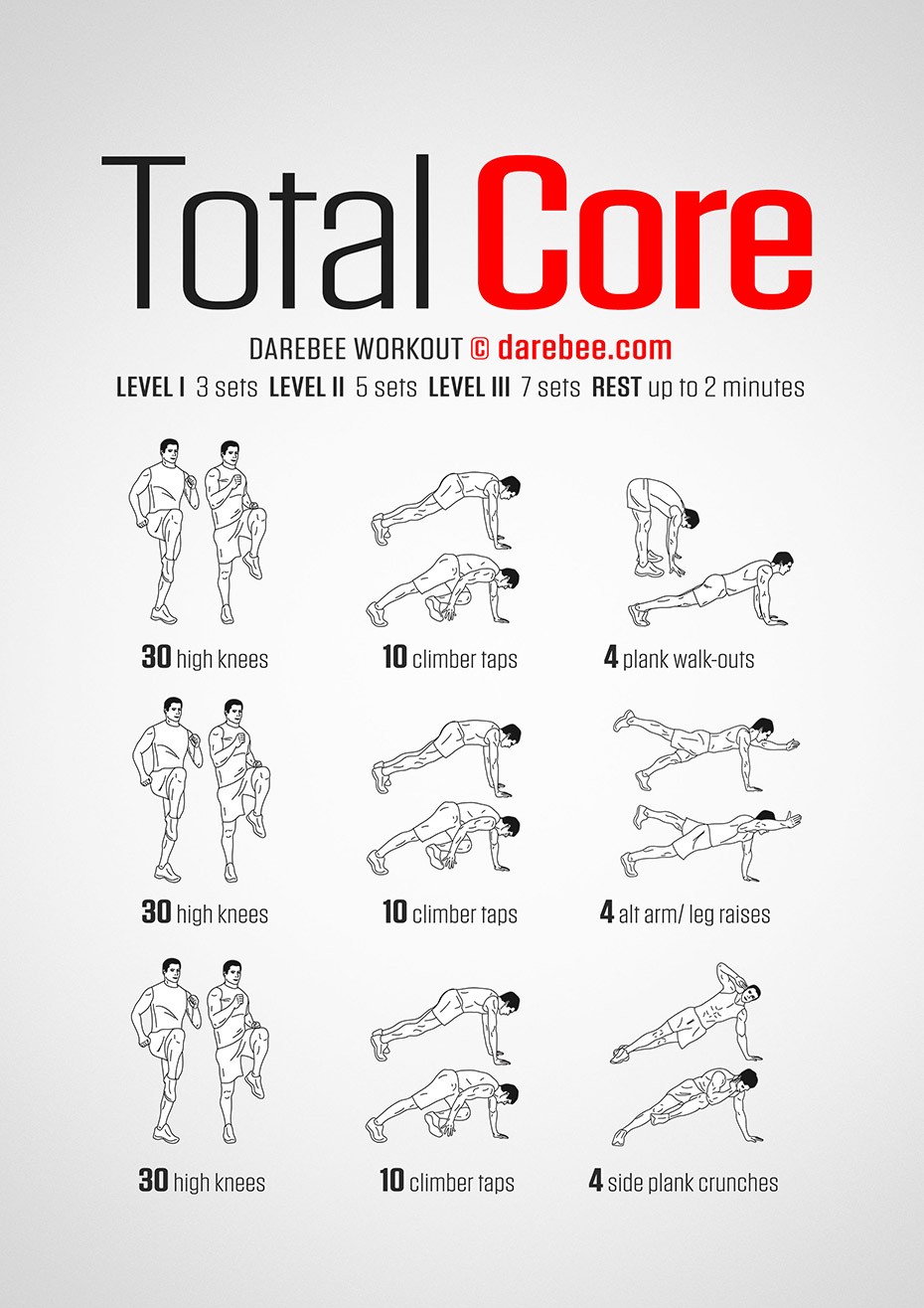
Credit: darebee.com
Using Resistance Bands
Resistance bands offer a simple way to enhance your home workout. They are affordable and easy to store. These bands can target your core muscles effectively. With various exercises, they provide versatility in your routine. Let’s explore two core exercises using resistance bands.
Standing Core Twists
Begin by securing the band to a fixed point. Stand with feet shoulder-width apart. Hold the band with both hands. Keep arms straight and engage your core. Twist your torso to one side. Return to the center, then twist to the other side. This exercise strengthens your obliques and improves balance. Perform 10-15 repetitions per side.
Seated Band Rotations
Sit on the floor with legs extended. Wrap the band around your feet. Hold the ends with both hands. Lean back slightly, engaging your core. Rotate your torso to one side. Keep your arms straight, moving with your body. Return to the center, then rotate to the other side. This exercise enhances core stability and flexibility. Aim for 10-15 rotations per side.
Incorporating Stability Ball
Incorporating a stability ball into your core workout can be highly beneficial. It adds an element of balance and engages more muscles. Stability balls challenge your core and improve your balance. They are versatile and can be used for various exercises. Whether you’re aiming to build strength or enhance flexibility, a stability ball is ideal.
Ball Passes
Ball passes are an effective core exercise with the stability ball. Lie flat on your back with your arms extended above your head. Hold the ball between your hands. Lift your legs and arms simultaneously, passing the ball from your hands to your feet. Lower both arms and legs back to the ground. Repeat the move, passing the ball back to your hands.
Stability Ball Rollouts
Stability ball rollouts target your core deeply. Start on your knees, with the ball in front of you. Place your forearms on the ball and slowly roll it away. Extend your body forward while keeping your core tight. Hold the position for a second and roll back. This exercise strengthens your abs and improves stability.
High-intensity Interval Training
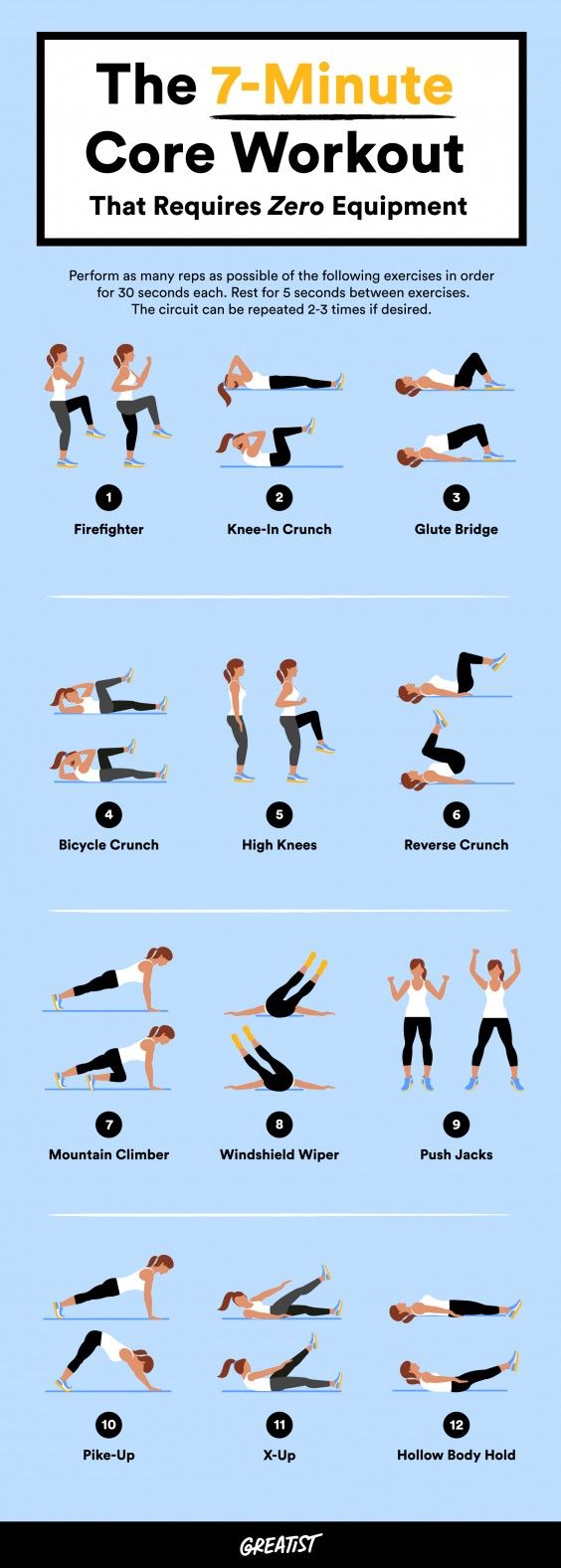
High-Intensity Interval Training, or HIIT, is a popular exercise method. It involves short, intense bursts of activity. This is followed by brief rest periods. HIIT workouts are efficient and effective. They burn calories and strengthen muscles. You can do HIIT workouts at home. No equipment is needed. Just your body weight and some space.
Timed Circuit Training
Timed circuit training is a key part of HIIT. It involves moving through exercises quickly. Each exercise lasts for a set time. Usually around 30 seconds. Then, move on to the next exercise. Keep rest periods short. This keeps your heart rate up. Circuit training can include planks, crunches, and leg raises. These target core muscles. Adjust the time to suit your fitness level. Start slow and work up. Consistency is key.
Rest And Recovery Tips
Rest is crucial in HIIT workouts. Your body needs time to recover. Short breaks between exercises help. They let your muscles catch their breath. Listen to your body. If you’re too tired, rest longer. Stay hydrated. Drink water before and after workouts. Eating a balanced diet aids recovery. Protein helps repair muscles. Stretching after workouts reduces soreness. It also improves flexibility. Give your body time to adapt. Over time, increase the intensity.
Nutrition For Core Strength
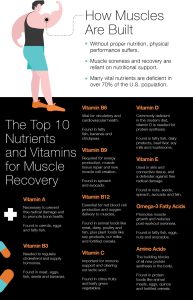
Building a strong core requires more than just exercise. Proper nutrition plays a crucial role. Fueling your body with the right nutrients supports muscle growth. It also aids in recovery and enhances overall performance. A balanced diet and hydration are key.
Balanced Diet Tips
A balanced diet is essential for core strength. Include a mix of proteins, carbs, and fats. Proteins help in muscle repair and growth. Chicken, fish, and beans are good sources. Carbs provide energy for workouts. Whole grains and fruits are excellent choices. Healthy fats support cell function. Avocados and nuts are ideal options. Eat a variety of foods for best results.
Hydration Importance
Staying hydrated is vital for core workouts. Water supports all bodily functions. It helps in nutrient transportation. Dehydration can lead to muscle cramps. Drink plenty of water daily. Aim for at least eight glasses. During workouts, increase your intake. Your muscles will thank you.
Credit: www.tunet.cult.cu
Tracking Progress
Tracking progress is essential in any workout routine. It helps you see your achievements and understand areas needing improvement. This keeps your motivation high and ensures your workouts are effective. Knowing how to measure success and adjust workouts can make a significant difference.
Measuring Success
Measuring success in your core workout is straightforward. Start by setting clear goals, like holding a plank for longer. Record your initial abilities. Track changes each week. Use a journal or app to note improvements. Physical changes can be subtle, so pay attention to strength and endurance. Notice how your posture improves over time. Celebrate small milestones. They add up to big results.
Adjusting Workouts
Adjust workouts as you grow stronger. Increase intensity or duration. Add new exercises to challenge your muscles. Modify existing exercises for variety. Listen to your body. Rest when needed. Recovery is crucial for progress. Mix workouts to keep things interesting. A fresh routine maintains motivation. Experiment with different techniques. Discover what suits you best. Make adjustments based on your tracking data.
Staying Motivated
Boost motivation with a core workout at home. Crunches and planks strengthen muscles and improve focus. Consistent routines keep energy levels high and spirits lifted.
Staying motivated during your core workouts at home can be challenging, especially when distractions are just a room away. However, motivation is key to consistency and achieving results. Let’s explore how you can keep your spirits high and your commitment strong.Setting Realistic Goals
The first step in staying motivated is setting goals that are achievable. Aim for small milestones that build up to your ultimate fitness target. Picture this: You start with a goal to hold a plank for 30 seconds and gradually increase it as your strength improves. This approach makes success attainable and keeps you motivated. What is your core workout goal for this week? Write it down and remind yourself daily. This simple act can transform your mindset and keep you on track.Finding Inspiration
Inspiration can be found in unexpected places. Maybe it’s a friend who swears by daily workouts or an influencer who shares their fitness journey online. Consider joining online communities where people share their progress and tips. Seeing others succeed can ignite your passion and push you forward. Have you ever thought about why you started your core workout journey? Reflecting on your initial motivation can reignite your drive and keep you focused.
Credit: ie.pinterest.com
Frequently Asked Questions
What Is The Best Core Exercise At Home?
The best core exercise at home is the plank. It strengthens your abs, back, and shoulders effectively. Maintain a straight line from head to heels. Hold the position as long as you can for optimal results. Repeat daily for a stronger core.
Is 20 Minutes Of Core Exercise Enough?
Yes, 20 minutes of core exercise can be effective. Consistency and proper technique are key for results. Combine with a balanced diet and other workouts for overall fitness. Tailor intensity to your fitness level for best outcomes.
What Are The Big 3 Exercises For The Core?
The Big 3 core exercises are the plank, dead bug, and Russian twist. These exercises target core strength, stability, and endurance, providing a well-rounded workout for your abdominal muscles. Incorporating them into your routine helps improve posture and enhances overall athletic performance.
What Core Exercise Burns The Most Belly Fat?
Planks effectively burn belly fat by engaging core muscles, improving stability, and boosting metabolism. Include side planks and variations for best results. Consistency and a balanced diet enhance fat loss.
Conclusion
A good core workout at home builds strength and balance. It’s simple and effective. No fancy equipment needed. Just dedication and a bit of space. Start slowly. Increase intensity as you grow stronger. Consistency is key. Regular practice improves posture and reduces back pain.
Plus, it boosts your confidence. Remember to focus on form. Proper technique prevents injuries and maximizes results. Always listen to your body. Rest when needed. Enjoy the journey to a healthier you. Fitness at home can be fun and rewarding.
Keep moving and stay motivated. Your core will thank you!