Are you tired of gyms and hefty workout equipment? Imagine getting fit using just your body weight.
That’s the beauty of calisthenics. It’s a workout plan that’s both simple and effective, especially for beginners like you. Picture yourself gaining strength, flexibility, and confidence without stepping foot inside a gym. This beginner calisthenics workout plan is your ticket to transforming your body and mind.
As you read on, you’ll discover easy-to-follow exercises that fit seamlessly into your daily routine. So, why wait? Dive into this article and unlock the secret to a stronger, healthier you.
Benefits Of Calisthenics
Calisthenics offers numerous benefits for beginners venturing into fitness. This form of exercise uses body weight, making it accessible and effective. Discover the compelling reasons to incorporate calisthenics into your workout plan.
1. Improved Strength And Endurance
Calisthenics builds strength by engaging multiple muscle groups. Exercises like push-ups and squats enhance endurance. Over time, expect increased stamina.
2. Cost-effective Fitness Solution
No need for expensive gym memberships. Calisthenics requires minimal to no equipment. Train effectively at home or in parks.
3. Enhanced Flexibility
Dynamic movements in calisthenics improve flexibility. Greater flexibility reduces injury risk. Enjoy better range of motion in daily activities.
4. Boosted Mental Health
Physical activity releases endorphins, improving mood. Calisthenics can reduce stress and anxiety. Regular workouts enhance mental clarity and focus.
5. Improved Body Composition
Calisthenics helps burn calories effectively. Achieve a leaner physique with consistent practice. Noticeable changes in body composition over time.
6. Adaptability For All Fitness Levels
Calisthenics caters to all fitness levels. Progressions and regressions make it customizable. Adjust workouts to match personal fitness goals.

Credit: www.pinterest.com
Essential Equipment
Beginner calisthenics workouts need minimal equipment. A sturdy pull-up bar and a yoga mat are essential. These tools support basic exercises like pull-ups and push-ups, helping build strength and flexibility.
Calisthenics workouts are a fantastic way to build strength, flexibility, and endurance using your body weight. As a beginner, you might wonder what equipment you need to kickstart your journey. The truth is, calisthenics is remarkably accessible, requiring minimal gear to get started. Let’s dive into the essential equipment you’ll need to enhance your calisthenics experience and progress effectively.Pull-up Bar
The pull-up bar is a game-changer for calisthenics enthusiasts. It allows you to perform a variety of exercises, including pull-ups, chin-ups, and hanging leg raises. A reliable pull-up bar can be mounted in a doorway or wall, making it convenient for home workouts. When I first installed my pull-up bar, I was surprised at how it challenged my upper body and core strength. Have you considered where you’d set up yours?Resistance Bands
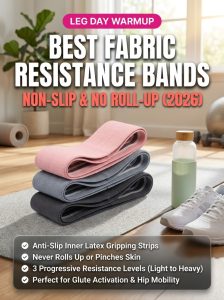
Resistance bands are versatile and portable, perfect for beginners looking to add variety to their workouts. They come in different tension levels, helping you progress gradually as you build strength. Once, I used a resistance band to assist my pull-ups, and it was incredible how much it helped me improve my form. How could resistance bands fit into your workout routine?Yoga Mat
A yoga mat provides comfort and safety during floor exercises like planks, push-ups, and stretching. It prevents slips and cushions your joints, making workouts more pleasant and effective. I remember the difference a simple yoga mat made during my workouts; it transformed my living room into a mini gym. Where will you lay yours for the best workout experience?Parallettes
Parallettes are small bars used for exercises like dips and L-sits, enhancing strength and stability. They are excellent for improving your balance and core engagement. My first time using parallettes was a revelation; they added a new dimension to my workouts. Have you tried exercises that challenge your balance before?Jump Rope
A jump rope is an inexpensive tool that boosts cardiovascular fitness and coordination. It’s perfect for warming up and adding a cardio element to your routine. I found jump rope sessions invigorating, breaking the monotony of my usual workouts. How would you incorporate cardio into your calisthenics plan?Gloves
Gloves protect your hands during intense workouts and provide better grip on bars and equipment. They can prevent calluses and make exercises more comfortable. During my initial pull-up attempts, gloves saved my palms from soreness, making workouts enjoyable. Would you consider using gloves for a smoother workout experience? By investing in these essential pieces of equipment, you set yourself up for success in your calisthenics journey. Which item will you add to your collection first?Warm-up Routine
Starting your calisthenics workout with a proper warm-up routine is crucial. It not only prepares your muscles but also boosts your mental readiness. Skipping this step can lead to injuries and reduced performance.
Dynamic Stretching
Dynamic stretching is a great way to kick off your warm-up. It involves active movements that mimic the exercises you’re about to do. Think arm circles and leg swings. These stretches increase your range of motion and get your blood flowing.
Cardio Boost
Add a short cardio session to raise your heart rate. Jogging in place or jumping jacks for five minutes can do wonders. This simple step will improve circulation and energize you for the workout ahead.
Joint Mobilization
Don’t overlook the importance of joint mobilization. Focus on your wrists, shoulders, and knees. Gentle rotations help loosen up these areas. This can prevent strain during your calisthenics exercises.
Muscle Activation
Activate your muscles with light exercises. Try squats or push-ups at a slower pace. These movements wake up your muscle fibers. They also prepare your body for more intense activities.
Breathing Techniques
Breathing exercises can enhance your focus and relaxation. Practice deep inhalations and exhalations. Controlled breathing steadies your heart rate. It also helps you maintain energy levels throughout your workout.
Have you ever considered how a proper warm-up can transform your workout experience? By dedicating just ten minutes to these practices, you set the stage for success. What changes could you notice in your performance and endurance?
Basic Calisthenics Exercises
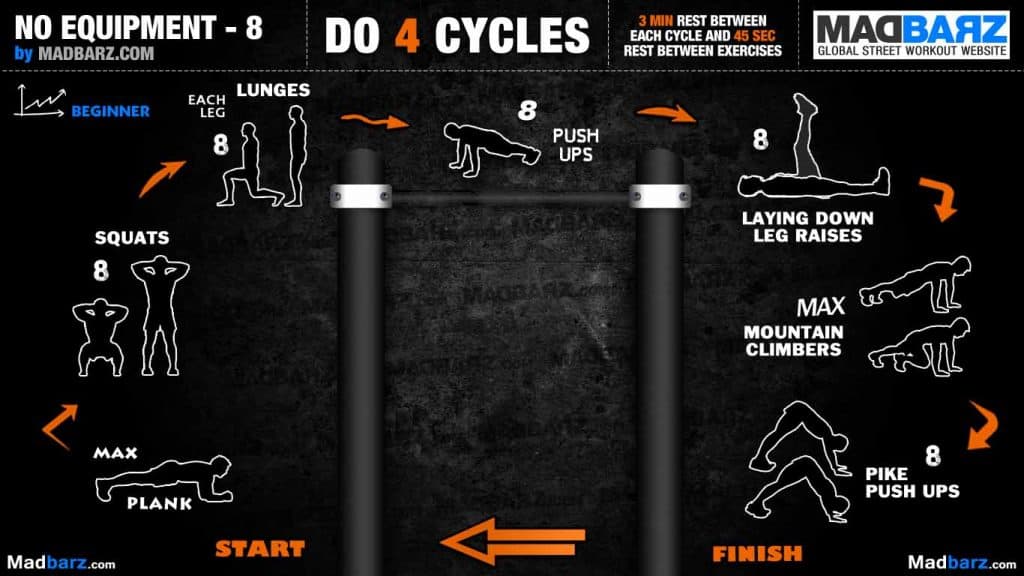
Starting your calisthenics journey is exciting. Basic exercises build strength and endurance. No need for fancy equipment. Just your body weight and determination. These exercises lay a strong foundation. They are simple yet effective. Perfect for beginners.
Push-ups
Push-ups are a classic exercise. They target the chest, shoulders, and arms. Keep your body straight. Lower down until your chest is near the floor. Push back up. Feel the burn in your muscles. Start with a few reps. Gradually increase as you gain strength.
Squats
Squats strengthen your legs. They work your thighs and glutes. Stand with feet shoulder-width apart. Lower your hips as if sitting back. Keep your chest up. Push through your heels to return to standing. They improve balance and flexibility.
Planks
Planks build core strength. They also improve posture. Keep your body straight like a board. Rest on elbows and toes. Hold the position as long as possible. Feel your abs working hard. Start with short holds. Increase duration over time.
Lunges
Lunges target leg muscles. They enhance stability and coordination. Step forward with one leg. Lower your hips until both knees are bent. Push back to starting position. Alternate legs for balanced strength. Keep your upper body straight. They tone and shape your lower body.
Creating A Weekly Schedule
Starting with calisthenics can feel overwhelming. A weekly schedule helps. It provides structure and sets clear goals. This ensures consistent progress.
Frequency And Duration
Begin with three days a week. This is ideal for beginners. Each session should last about 30 minutes. This duration keeps workouts effective. It also prevents burnout. Over time, consider adding another day. But keep it gradual. Listen to your body.
Balancing Intensity
Balance is key in calisthenics. Start with basic exercises. Push-ups, squats, and planks work well. Gradually increase intensity. This keeps the body challenged. Also, include rest days. They are crucial for recovery. This helps prevent injuries.
Tracking Progress
Beginner calisthenics workouts require tracking progress to maintain motivation and achieve goals. Simple exercises like push-ups and squats build strength. Regularly assessing your improvements helps you stay focused and adjust your plan as needed.
Tracking your progress is essential when starting a calisthenics workout plan as a beginner. It helps you stay motivated and see how far you’ve come. Plus, it allows you to make adjustments to your routine to ensure you’re always challenged.Setting Achievable Goals
Begin by setting clear, achievable goals. Ask yourself, what do you want to accomplish with calisthenics? Do you aim to master a pull-up in a month or improve your push-up count? Setting these objectives gives you direction. Make sure your goals are realistic. Break them down into smaller milestones. This way, you can celebrate small victories along the way.Using Fitness Journals
A fitness journal can be your best friend. It’s not just for writing down reps and sets. Record how you feel after each workout. Are certain exercises getting easier? Jot down any challenges you face. This can help identify areas where you need to focus more. Using a journal can also reveal patterns. Maybe you notice you have more energy on certain days. You can adjust your workout schedule accordingly. Tracking progress isn’t just about numbers. It’s about understanding your journey and using insights to improve. Have you considered documenting your calisthenics journey? What surprising trends might you uncover?Nutrition Tips For Beginners
Starting a calisthenics workout plan requires balanced nutrition. Focus on protein-rich foods to support muscle growth. Hydration is key for energy and recovery, so drink enough water daily.
Embarking on a calisthenics workout plan as a beginner is an exciting journey. However, your efforts can fall short without the right nutrition to fuel your body. To maximize your progress and ensure your body gets what it needs, consider these essential nutrition tips.Balanced Diet
A balanced diet is your foundation. Aim to fill your plate with a variety of foods that provide all the essential nutrients. Include lean proteins like chicken or tofu, which are vital for muscle repair and growth. Don’t forget healthy fats from avocados or nuts that keep your energy levels stable. Carbohydrates are also crucial, especially for energy during workouts. Opt for whole grains like brown rice or quinoa. They release energy slowly, keeping you fueled throughout your training. You might think skipping carbs will help you lean out faster, but your body needs them to perform at its best.Hydration Importance
Hydration is often overlooked, yet it’s key to a successful workout routine. Water helps transport nutrients to your muscles and keeps your body cool. Make it a habit to drink water consistently throughout the day. How much water should you drink? A simple rule is to aim for at least eight glasses a day. But listen to your body. If you’re sweating a lot during workouts, you’ll need more. Remember a time when you felt sluggish and realized you hadn’t been drinking enough water? Staying hydrated can prevent that fatigue, helping you push through your sessions with energy. By following these tips, you can better support your calisthenics journey. What changes will you make to your diet to boost your progress?
Credit: fitnessfaqs.com
Avoiding Common Mistakes
Starting a calisthenics workout plan can be exciting and challenging. Yet, many beginners stumble upon common pitfalls. These mistakes can hinder progress and cause frustration. Understanding and avoiding these errors is key. Let’s explore two crucial areas to keep in mind.
Overtraining
Overtraining is a common issue for beginners. Enthusiasm can lead to excessive workouts. This results in fatigue and injury. Muscles need time to recover. Proper rest is as important as exercise. Aim for balanced training sessions. Listen to your body’s signals. If you feel constant soreness or exhaustion, ease up. Rest days are vital for muscle growth and recovery. Prioritize quality over quantity in your workouts.
Ignoring Form
Proper form is essential in calisthenics. Incorrect movements can cause injuries. They also reduce the effectiveness of exercises. Always focus on maintaining the right form. Start with basic moves and build up gradually. Watch tutorials or seek guidance from a coach. This ensures that you perform exercises correctly. Remember, it’s better to do fewer reps with good form than more with poor technique. Consistent practice improves form over time.
Staying Motivated
Embarking on a calisthenics workout plan as a beginner is exciting. But staying motivated can be a real challenge. You might feel pumped up in the beginning, but maintaining that enthusiasm requires effort and strategy. Here’s how you can keep your motivation alive and kicking.
Finding A Workout Buddy
Teaming up with a workout buddy can transform your fitness journey. A friend or family member can not only hold you accountable but also make workouts more fun. Imagine sharing your progress, celebrating milestones, and even laughing through the tough times.
Having someone to push you during those challenging sets can make all the difference. You’ll find yourself showing up even when you’re tempted to skip. Plus, a workout buddy can offer fresh ideas and variations to your routine.
Ever noticed how tasks seem easier when you tackle them together? The same goes for your workout. Your buddy can help you stay consistent and motivated, just like you’ve helped others achieve their goals.
Joining Online Communities
Online communities are buzzing hubs of motivation for fitness enthusiasts. Joining one can offer an endless stream of inspiration and support. These platforms are perfect for sharing tips, asking questions, and celebrating achievements.
You can find workout challenges, motivational posts, and even virtual meetups. Engaging with others in these communities can reignite your passion when you’re feeling low. The shared experiences can be both comforting and motivating.
Consider how connecting with people who have similar goals can keep you driven. You’ll discover new techniques and advice that can enhance your workout plan. It’s a way of being part of something bigger than just your routine.
Have you considered how these strategies might impact your journey? Finding a workout buddy and joining online communities could be the key to staying motivated in your calisthenics workout plan. What steps will you take today to keep your motivation high?

Credit: calisthenixpro.com
Frequently Asked Questions
How Do You Start Calisthenics For Beginners?
Begin with basic exercises like push-ups, squats, and planks. Focus on perfecting your form and technique. Gradually increase difficulty as you gain strength. Maintain consistency and track your progress. Use online resources or join a community for guidance and motivation.
What Is The 80/20 Rule In Calisthenics?
The 80/20 rule in calisthenics focuses on spending 80% of your time on foundational exercises. These exercises provide the most significant strength and skill improvements. The remaining 20% is for advanced techniques or variations, enhancing overall performance and preventing plateaus.
This approach maximizes efficiency and progress in training.
How Long Should A Beginner Do Calisthenics?
Beginners should start calisthenics for 20-30 minutes, three times a week. Gradually increase duration and intensity. Focus on proper form and consistency for best results. Listen to your body and rest when needed.
Is 20 Minutes Of Calisthenics A Day Enough?
Yes, 20 minutes of daily calisthenics can be effective for fitness. It boosts strength and flexibility. Consistency is key. Adjust intensity to match your fitness goals. Always maintain proper form to avoid injuries. Combine with a balanced diet for best results.
Conclusion
Starting calisthenics can be a rewarding journey. It’s simple yet effective. You don’t need fancy equipment. Just your body and dedication. Progress at your pace. Consistency is key. Enjoy the process and celebrate small wins. These exercises build strength and confidence.
Perfect for beginners looking to get fit. Remember, every effort counts. Stay motivated and keep pushing forward. Your body will thank you. Embrace the challenge and feel the difference. With time, you’ll notice improvements. A healthier, stronger you awaits. Keep practicing and believe in yourself.
Happy training!