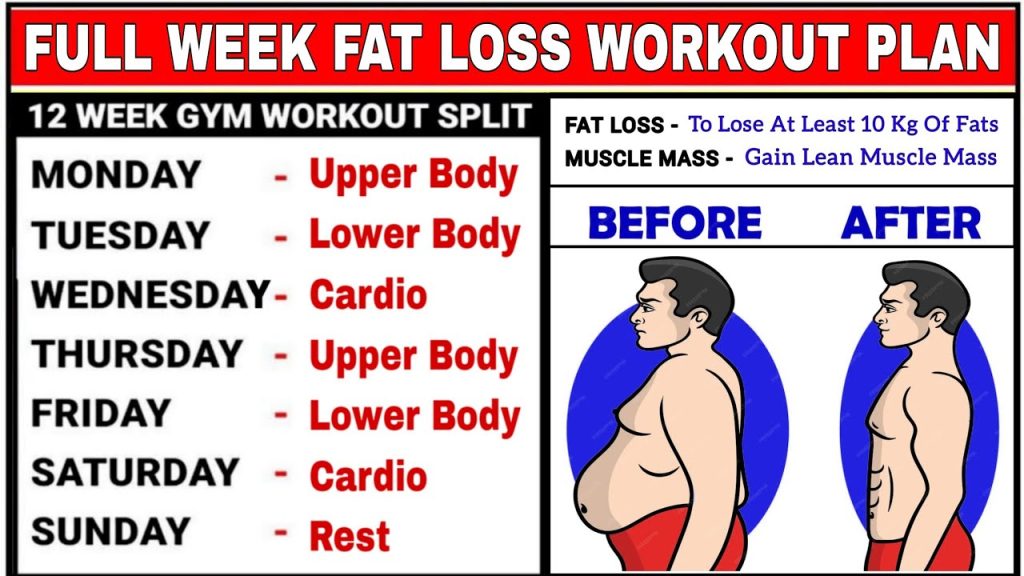
Are you ready to transform your body and boost your confidence? A weight loss workout plan tailored specifically for men might be your key to achieving those goals.
Whether you’re looking to shed a few pounds or embark on a complete fitness overhaul, the right plan can make all the difference. But with so much information out there, how do you know what truly works? This article dives deep into a workout routine that’s designed with you in mind, focusing on efficiency and effectiveness.
Imagine feeling stronger, more energetic, and seeing real results. Intrigued? Keep reading to uncover a plan that could change the way you look and feel. Your journey to a fitter, healthier you starts here.

Credit: harubina.co.jp
Setting Fitness Goals
Embarking on a weight loss journey requires clear fitness goals. Goals provide direction and motivation. They help you stay focused and track progress. For men aiming to shed pounds, setting specific objectives is crucial. This ensures you know what you want to achieve.
Identifying Personal Objectives
Start by identifying personal objectives. Decide on the amount of weight you want to lose. Consider your current fitness level. Think about your desired physique. These elements guide your workout plan. Be realistic and consider time constraints. Setting achievable goals increases your chances of success.
Tracking Progress
Tracking progress is essential in any fitness plan. Use a journal or app to record workouts. Keep track of your weight and measurements. Document changes in strength and endurance. Regular tracking keeps you motivated. It helps you understand what works best for you. Adjust your plan based on progress.
Essential Components Of A Workout Plan
Creating a weight loss workout plan for men requires focus on key components. Each part plays a vital role in achieving fitness goals. Understanding these components helps in building an effective routine. A balanced plan leads to better results and sustainable weight loss.
Cardio Exercises
Cardio exercises boost heart health and burn calories. Running is a popular choice for men. Cycling and swimming are also excellent options. These activities increase endurance and improve overall fitness. Aim for 30 minutes of cardio, five days a week. High-intensity interval training can add variety and challenge.
Strength Training
Strength training builds muscle and increases metabolism. Lifting weights helps in toning the body. Focus on compound movements like squats and deadlifts. These exercises target multiple muscle groups. Start with lighter weights and gradually increase. Two to three sessions per week can yield visible results.
Flexibility And Mobility
Flexibility aids in preventing injuries and improving performance. Stretching enhances mobility and supports recovery. Incorporate yoga or Pilates into the routine. These activities improve balance and posture. Spend 10-15 minutes on flexibility exercises daily. Consistent practice leads to better movement and reduced muscle tension.
Sample Weekly Workout Schedule
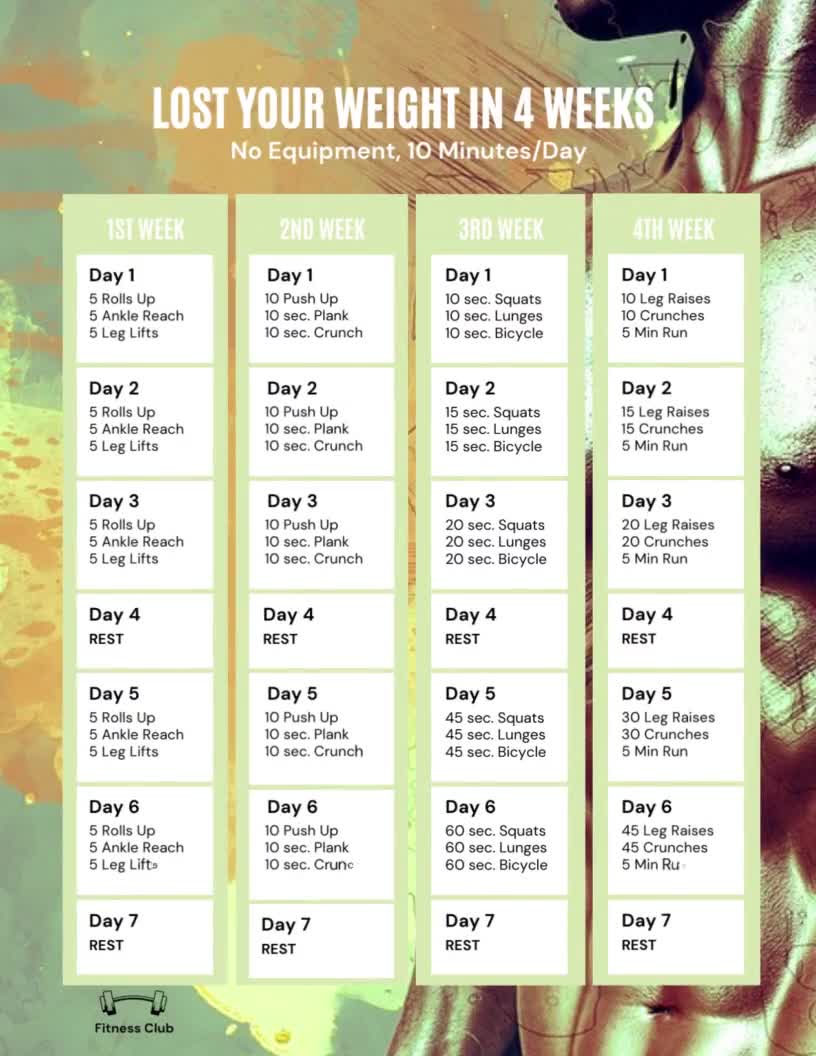
Embarking on a weight loss journey requires a well-structured workout plan. For men aiming to shed pounds, a weekly schedule can provide direction and motivation. This plan should balance workouts, ensuring progress and preventing burnout.
Day-by-day Breakdown
Monday: Start with strength training. Focus on major muscle groups. Push, pull, squat. Three sets of each exercise.
Tuesday: Cardio day. Aim for 30 minutes. Running or cycling at a steady pace.
Wednesday: Mix it up. Try high-intensity interval training (HIIT). Short bursts of effort followed by rest. Repeat for 20 minutes.
Thursday: Rest day. Allow muscles to recover. Consider light stretching or yoga.
Friday: Back to strength training. Target different muscles. Include deadlifts, bench press, and rows.
Saturday: Active recovery. Go for a walk. Swim, or play a sport. Stay active but relaxed.
Sunday: Reflect. Evaluate progress and adjust as needed. Prepare for the next week.
Balancing Intensity And Recovery
It’s crucial to balance workout intensity with recovery time. Intense workouts can lead to fatigue. Ensure rest days are part of your schedule. Rest helps muscles heal. It boosts performance in future sessions.
Listen to your body. If feeling exhausted, take it easy. It’s better to adjust than risk injury. Recovery enhances endurance and strength over time.
Maintaining this balance supports long-term weight loss goals. It keeps workouts effective and enjoyable.
Credit: www.etsy.com
Nutrition And Hydration
Nutrition and hydration are key elements in any weight loss journey. Eating right and staying hydrated boost your workouts and support your goals. Understanding these fundamentals can make a big difference in your progress.
Dietary Guidelines For Weight Loss
Choose foods that are high in protein and low in fat. Lean meats, beans, and nuts are excellent options. They help build muscle and reduce hunger. Eat plenty of fruits and vegetables. They provide essential vitamins and keep you full longer. Limit sugar and processed foods. These add empty calories and slow your weight loss. Track your calorie intake. Use a journal or app to monitor what you eat. Make sure you eat fewer calories than you burn.
Importance Of Staying Hydrated
Hydration is vital for effective weight loss. Water helps control hunger and aids digestion. Drink at least eight glasses of water daily. Carry a water bottle to stay on track. Avoid sugary drinks like soda or juice. They contain high calories and little nutrition. Herbal teas or flavored water can be good alternatives. Proper hydration boosts energy and improves workout performance.
Common Mistakes To Avoid
Embarking on a weight loss journey requires effort and dedication. Many men aim for quick results, making common mistakes along the way. These errors can hinder progress and lead to frustration. Understanding these pitfalls is essential for a successful workout plan.
Overtraining Risks
Pushing your body too hard can lead to burnout. Muscles need time to recover and grow stronger. Without proper rest, performance declines and injuries can occur. Balance workouts with rest days to prevent fatigue. Listen to your body’s signals. Feelings of constant soreness and exhaustion indicate overtraining. Quality matters more than quantity in exercise.
Ignoring Nutrition
Exercise alone won’t shed pounds effectively. Nutrition plays a crucial role in weight loss. Consuming the right foods fuels workouts and aids recovery. Skipping meals or eating unhealthy snacks sabotages progress. Create a balanced diet plan that complements your workout routine. Focus on whole foods rich in protein, fiber, and healthy fats. These nutrients support energy levels and muscle growth.
Staying Motivated
Keeping motivation high during a weight loss journey can be tough. Many men start strong but lose steam over time. Strategies can help maintain focus and enthusiasm. A clear plan with support makes all the difference.
Setting Milestones
Setting milestones can keep you engaged in your workout plan. Start with small, achievable goals. Each milestone should reflect a step towards your main goal. Celebrate every achievement, no matter how small. This boosts confidence and keeps spirits high.
Track your progress regularly. Use a journal or app to see improvements. Tracking helps you understand what works and what needs change. Adjust your plan as needed to stay on track.
Finding Workout Partners
Exercising with a partner can enhance motivation. A workout buddy offers support and accountability. Choose someone with similar fitness goals. Plan sessions together to stay committed.
Friendly competition can make workouts more fun. Challenge each other to reach new milestones. This adds excitement and increases your dedication. Sharing progress and setbacks creates a supportive environment.
Tracking And Adjusting The Plan
Men’s weight loss workouts benefit from tracking progress and adjusting plans. Measure results regularly to ensure effective workouts. Modify exercises based on goals and achievements to maintain motivation and boost results.
Embarking on a weight loss workout plan is a significant step towards better health. However, just as crucial as starting, is the need to track and adjust your plan. By monitoring your progress, you gain insights into what’s working and what needs tweaking. This process ensures you’re not only losing weight but also optimizing your workouts for maximum benefit. Let’s look at how you can effectively track your progress and make necessary adjustments.Using Fitness Apps
Fitness apps can be a game-changer in tracking your weight loss journey. They offer a convenient way to log workouts, monitor calorie intake, and even track your sleep patterns. Apps like MyFitnessPal or Fitbit can provide detailed insights into your daily activities. You can set goals, and the app will remind you to stay on track. When I started using a fitness app, I was surprised at how much more aware I became of my habits. Have you ever thought about how technology could transform your workout routine?Making Necessary Changes
Adapting your workout plan is essential as your body changes. If you notice a plateau in your progress, it might be time to switch things up. Adding variety can reignite your motivation and challenge different muscle groups. Consider altering the intensity or duration of your workouts. Maybe add a new exercise or increase the weights you lift. I once realized I wasn’t seeing results because I was too comfortable with my routine. What small tweak could make a big difference in your plan? Making adjustments doesn’t mean you’re failing; it means you’re paying attention and committed to your goals. Keep an open mind and be ready to pivot when necessary. Are you ready to fine-tune your fitness journey for better results?
Credit: www.pinterest.com
Frequently Asked Questions
Which Workout Is Best For Weight Loss For Males?
High-intensity interval training (HIIT) effectively burns calories and boosts metabolism for male weight loss. Combine it with strength training to preserve muscle mass. Consistent cardio exercises like running or cycling also aid in shedding pounds. Choose a workout routine that suits your lifestyle for sustainable results.
What Is The 30/30/30 Rule For Weight Loss?
The 30/30/30 rule involves eating 30 grams of protein, 30 grams of fiber, and 30 minutes of exercise daily. This strategy helps boost metabolism, improve digestion, and support weight loss efforts effectively. Prioritize nutrient-rich foods and maintain a consistent workout routine for optimal results.
What Is The Best Weight Loss Program For Men?
Opt for a program combining balanced diet, regular exercise, and accountability. Consider programs like Noom or WW for personalized guidance. Choose one that fits your lifestyle and goals. Consult a healthcare professional for tailored advice. Sustainable weight loss requires commitment and gradual changes.
Which Workout Plan Is Best For Weight Loss?
A combination of cardio and strength training is ideal for weight loss. High-intensity interval training (HIIT) effectively burns calories. Consistency and a balanced diet are crucial for optimal results. Always consult a fitness professional to tailor a plan to your needs.
Conclusion
Achieving weight loss goals requires dedication and the right workout plan. Men can benefit from varied exercises that suit their lifestyle. Consistency is key. Stay active and monitor progress regularly. Choose activities you enjoy to stay motivated. Adjust the plan as needed, listening to your body.
A balanced diet complements your exercise routine. Remember, patience and persistence pay off in the long run. Small steps lead to big results. Celebrate milestones and keep pushing forward. Transform your fitness journey into a sustainable lifestyle. Success is within reach with the right mindset and effort.