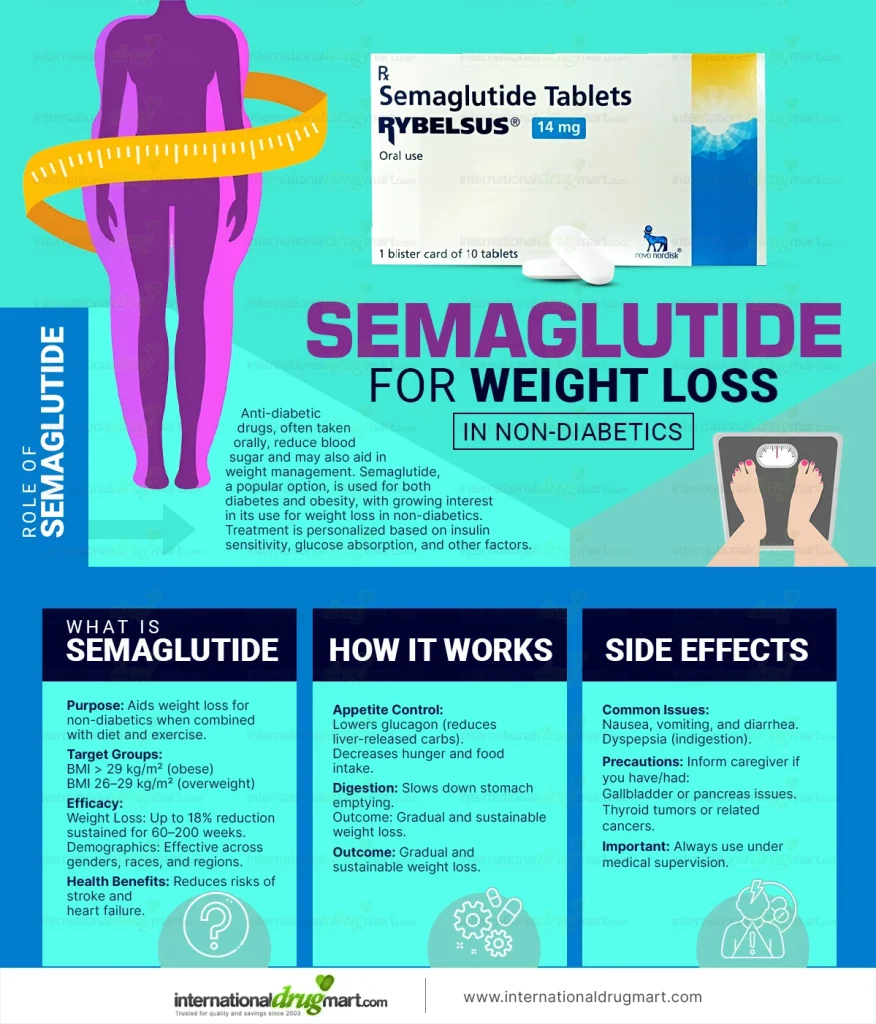
Are you curious about the latest breakthrough in weight loss solutions? Imagine a world where shedding those stubborn pounds doesn’t feel like an uphill battle.
Enter oral semaglutide, a game-changer that is sparking interest beyond the diabetic community. If you’ve been on the lookout for an effective weight loss method without the complexities of diabetes management, you’re in the right place. This new approach has the potential to revolutionize how you think about weight loss.
Stay with us as we uncover how oral semaglutide might just be the tool you need to achieve your health goals.
Credit: www.2minutemedicine.com
The Science Behind Semaglutide
The science behind semaglutide is fascinating and complex. This drug, initially designed for managing diabetes, is now being explored for weight loss. Its mechanism involves mimicking a hormone that regulates appetite. This hormone, GLP-1, plays a significant role in controlling hunger and food intake.
Mechanism Of Action
Semaglutide works by activating GLP-1 receptors in the brain. This action helps reduce hunger and slows stomach emptying. As a result, people feel full longer after eating. This leads to lower calorie intake and weight loss.
GLP-1 also affects insulin production. It helps the body use insulin better. Although semaglutide aids weight loss, its primary role remains blood sugar regulation. This dual function makes it a unique tool in weight management.
Differences From Injectable Forms
Oral semaglutide differs from its injectable counterpart. The oral form offers convenience and ease of use. It eliminates the need for needles and injections. This appeals to those uncomfortable with injections.
Bioavailability is a challenge for oral forms. The digestive system can break down drugs before they work. To counter this, oral semaglutide includes an absorption enhancer. This helps ensure the drug reaches the bloodstream effectively.
Despite these differences, both forms share similar benefits. They both help manage weight and improve metabolic health. But, the choice between them depends on individual preferences and medical advice.

Credit: www.indiamart.com
Clinical Trials And Studies
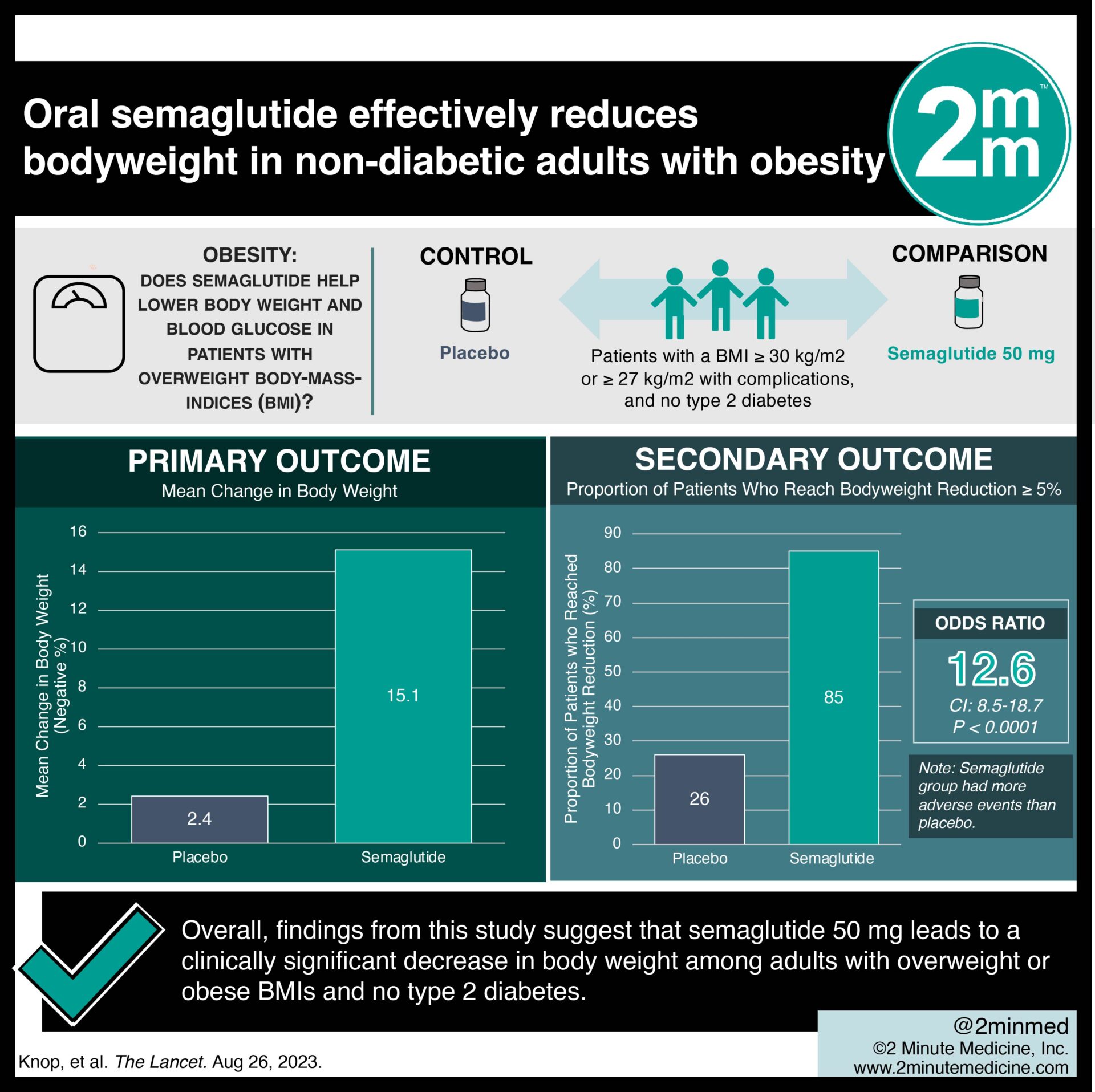
Oral Semaglutide is gaining attention for its potential in weight loss. Recent clinical trials have shed light on its effectiveness. Researchers conducted studies to understand its impact on non-diabetic individuals.
Key Findings
The studies revealed significant weight loss in participants. Many lost weight over a short period. Oral Semaglutide showed promise in managing obesity. It was well-tolerated by most users. Weight reduction was consistent across various age groups. Participants experienced improved body mass index. Reduced appetite was a common observation. The trials highlighted its potential beyond diabetes management.
Impact On Non-diabetic Participants
Non-diabetic participants saw notable results. Weight loss was substantial and sustainable. Many reported an enhanced quality of life. Participants felt more energetic and active. The medication addressed weight issues effectively. It helped in achieving healthier lifestyles. Participants appreciated the ease of use. Oral Semaglutide offered a new avenue for weight management. These trials are paving the way for broader applications. The findings are encouraging for the non-diabetic population.
Benefits Of Oral Administration
Oral Semaglutide offers a convenient option for weight loss, especially for those who prefer avoiding injections. This oral form simplifies the administration process, making it accessible for non-diabetics seeking weight management solutions. Let’s explore the benefits of oral administration.
Ease Of Use
Taking a pill is straightforward. Many find it easier than managing injections. Pills fit seamlessly into daily routines. No special skills are required. Just swallow with water.
Patient Adherence
Easy intake encourages consistent use. Consistency is key for effective weight loss. Patients can follow their regimen without hassle. This boosts adherence and outcomes. Oral administration reduces the burden of treatment.

Credit: ntxsurgical.com
Safety And Side Effects
Oral Semaglutide may help non-diabetics lose weight, but it’s crucial to consider its safety profile. Possible side effects include nausea, diarrhea, and stomach pain. Consulting a healthcare professional ensures safe usage.
Safety and side effects are crucial factors when considering oral semaglutide for weight loss in non-diabetics. This medication, initially developed for diabetes management, is now gaining attention for its potential weight loss benefits. Understanding its safety profile helps users make informed decisions. It’s essential to know both common and long-term side effects associated with its use.Common Side Effects
Oral semaglutide may lead to mild side effects. Nausea is often reported. Some experience diarrhea. Others notice mild stomach discomfort. Headaches can occur in some cases. These symptoms are usually temporary. Most people find them manageable. Adjusting doses may reduce these effects. Consult a healthcare provider if symptoms persist. Understanding these helps in anticipating changes.Long-term Safety Concerns
Long-term safety is still under review. Current studies show promising results. Researchers continue exploring its effects. Potential risks need more evaluation. Long-term use might affect digestion. Some worry about thyroid health. Regular monitoring is advisable. Healthcare professionals should guide usage. Staying informed is key. This helps in weighing benefits and risks effectively.Comparing To Other Weight Loss Options
Oral Semaglutide shows promise for weight loss in non-diabetics compared to traditional methods. This medication offers a convenient pill form, potentially aiding weight management more effectively than diet or exercise alone. Users may find it an accessible option alongside other weight loss strategies.
Comparing to Other Weight Loss Options Deciding on the right weight loss strategy can feel overwhelming. With so many options available, from lifestyle changes to medications, it’s important to understand how they measure up against each other. Oral Semaglutide, a medication originally for diabetes, is now gaining attention for weight loss in non-diabetics. But how does it compare to other popular methods?Medications
Oral Semaglutide is making waves in the weight loss community. Unlike some weight loss pills that suppress appetite, it works by mimicking a hormone that regulates insulin and blood sugar levels. This can lead to reduced hunger and weight loss. Other medications like Orlistat work differently. Orlistat blocks fat absorption in your body, which might sound appealing, but it often comes with unpleasant side effects like oily stools. Phentermine is another option, but it’s an appetite suppressant that can increase heart rate and blood pressure. Is the potential risk worth the reward?Lifestyle Changes
Medications aren’t the only path to weight loss. Lifestyle changes, such as adopting a healthier diet and increasing physical activity, are foundational and often recommended. They promote overall health and sustainable weight loss. Consider the benefits of simple daily habits. Taking a 30-minute walk every day or swapping out sugary drinks for water can lead to significant changes over time. However, for some, lifestyle changes alone might not yield the desired results quickly. This is where medications like Oral Semaglutide might come into play, offering a boost in your weight loss journey. When weighing these options, reflect on your personal lifestyle and health goals. What aligns best with your needs and preferences? Are you ready to embrace a combination of methods for optimal results? Finding the right balance can be key to achieving and maintaining your weight loss goals. What steps are you willing to take today?Potential Market Impact
The introduction of oral semaglutide for weight loss in non-diabetics could reshape the market landscape. Its potential extends beyond traditional diabetes treatment. This offers new avenues for pharmaceutical companies and healthcare providers. Let’s delve into its possible market impact.
Pharmaceutical Industry
Pharmaceutical companies might see significant opportunities with oral semaglutide. Non-diabetic weight loss is a growing concern. This medication could tap into a large market. Companies could diversify their product lines. It opens doors to new research and development. Competitive pricing strategies may emerge. This could benefit consumers seeking effective weight loss solutions.
Healthcare Providers
Healthcare providers might notice changes in patient care approaches. Oral semaglutide offers a new treatment option. It could become a part of weight management programs. Providers might need training to understand its benefits. This ensures proper patient guidance. The medication could shift focus from invasive procedures. It may lead to more personalized care plans. Patients may benefit from improved health outcomes.
Future Research Directions
The potential of oral semaglutide for weight loss in non-diabetics is promising. This medication, originally for diabetes, shows weight loss benefits. As interest grows, researchers are exploring its broader applications. Future research will focus on understanding its full potential for weight loss.
Ongoing Studies
Several studies are examining oral semaglutide’s effects on weight loss in non-diabetics. Researchers aim to determine its safety and efficacy. These studies will provide insights into dosage and long-term effects. Early results suggest positive outcomes, sparking further interest.
Areas For Further Exploration
Researchers need to explore how oral semaglutide impacts different populations. Understanding how age, gender, and lifestyle affect outcomes is crucial. Investigating the medication’s impact on metabolism and appetite is important. Such studies will guide personalized treatment plans.
Long-term studies are essential to understand potential side effects. Researchers must also explore the medication’s role in a comprehensive weight loss strategy. This includes its interaction with diet and exercise. These areas will help tailor effective weight loss solutions.
Frequently Asked Questions
What Happens If You Take Semaglutide And You Don’t Have Diabetes?
Semaglutide can lead to weight loss in non-diabetics. Common side effects include nausea and vomiting. Consult a doctor before use. It affects appetite and blood sugar levels. Long-term effects are still under study. Always follow medical advice for safe usage.
Which Semaglutide Is Best For Non-diabetics?
Ozempic is often recommended for non-diabetics seeking weight loss. It contains semaglutide and supports appetite regulation. Consult your doctor for suitability and dosage. Always consider medical advice before use.
Can You Lose Weight On Oral Semaglutide?
Yes, oral semaglutide can aid weight loss. It reduces appetite and calorie intake, promoting weight reduction.
How Much Weight Can I Lose In A Month On Oral Semaglutide?
On oral semaglutide, you may lose around 5-10% of your initial body weight in a month. Results vary based on diet and exercise. Consult your doctor for personalized advice.
Conclusion
Oral semaglutide shows promise for weight loss in non-diabetics. Many find it effective. It helps reduce appetite, leading to weight loss. Side effects are usually mild. Some people may experience nausea or headaches. Always consult a healthcare provider before starting.
They can provide guidance and support. Choosing a healthy lifestyle is important too. Diet and exercise play key roles in weight management. Oral semaglutide can be a helpful tool. But it should be part of a balanced approach. Individual results may vary.
Stay informed and make decisions that are right for you.