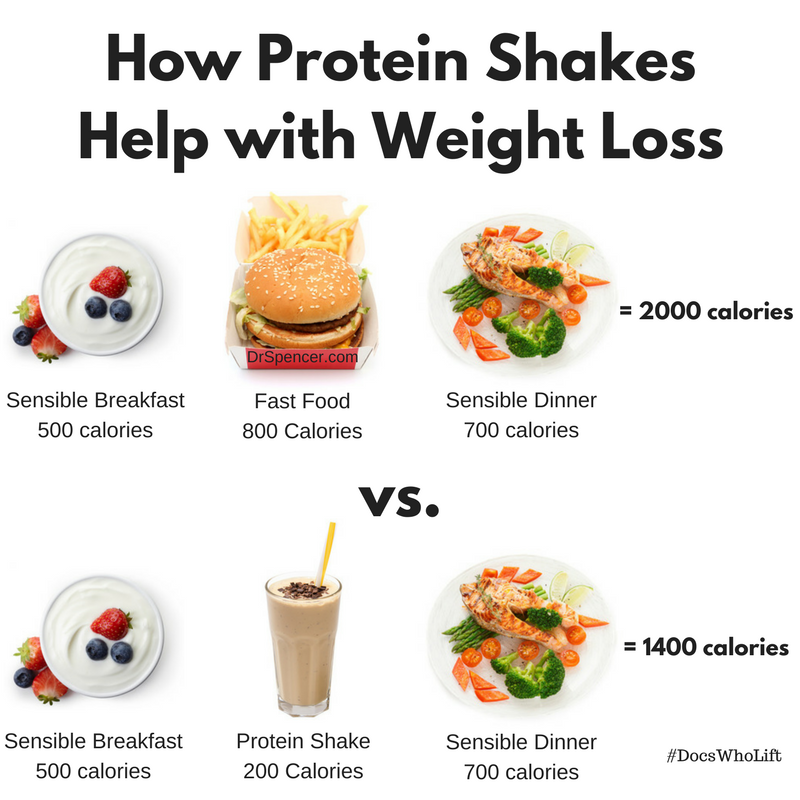
Are you trying to shed those extra pounds and wondering if a protein shake might be your secret weapon? You’re not alone.
Many people just like you are exploring the benefits of protein shakes for weight loss. But is it truly effective, or just another health trend? Understanding the role of protein shakes in your weight loss journey could be the game-changer you’ve been searching for.
Imagine sipping on a delicious shake that not only satisfies your hunger but also supports your weight loss goals. Sounds too good to be true, right? Before you head to the store to stock up, let’s dive into the science and discover whether protein shakes can genuinely help you achieve the results you desire. Keep reading to find out how this popular supplement might fit into your diet plan and boost your weight loss efforts.
Role Of Protein In Weight Loss
Protein plays a crucial role in weight loss. It helps you feel full, boosts your metabolism, and supports muscle retention. But how exactly does protein work in aiding weight loss? Let’s dive into the specifics.
Understanding Protein’s Impact On Appetite
Ever noticed how a protein-rich meal keeps you satisfied longer? That’s because protein affects the hunger hormones in your body. It increases levels of peptide YY, a hormone that makes you feel full. So, next time you’re about to reach for a snack, ask yourself: have you had enough protein today?
Metabolism Boost With Protein
Protein requires more energy to digest compared to fats or carbs. This means your body burns more calories processing protein. It’s a small but significant boost to your metabolism. Imagine your body working harder, even when you’re at rest, just because you added a protein shake to your routine.
Maintaining Muscle Mass
During weight loss, your body can lose muscle mass if you’re not careful. Protein helps preserve muscle while you lose fat. This is crucial because muscle burns more calories than fat. Picture your body as a well-oiled machine, efficiently burning calories even when you’re lounging on the couch.
Protein Shake As A Convenient Option
Protein shakes are a handy way to increase your protein intake without cooking a full meal. They are quick, easy, and can be tailored to your taste. Ever thought about mixing fruits or greens into your shake? It’s a great way to make it more nutritious and exciting.
Assessing Your Protein Needs
How much protein should you consume for weight loss? It varies based on your activity level and goals. A general guideline is 1.2 to 2.0 grams per kilogram of body weight. Have you calculated your daily needs? Doing so could be the key to unlocking your weight loss potential.
Protein isn’t just a nutrient; it’s a powerful ally in your weight loss journey. Whether you’re sipping a shake post-workout or enjoying a protein-packed meal, remember the benefits it brings. Are you ready to make protein a staple in your diet?
Credit: drinkclick.com
Benefits Of Protein Shakes
Protein shakes can support weight loss by promoting a feeling of fullness, reducing overall calorie intake. They offer a convenient way to consume essential nutrients and maintain muscle mass during dieting.
Protein shakes can aid in weight loss. They offer several benefits that make them a popular choice. They provide a convenient way to boost protein intake. They are also packed with essential nutrients. Let’s dive into the benefits of protein shakes.Convenience And Accessibility
Protein shakes are easy to prepare. Just mix with water or milk. They save time for busy individuals. You can carry them anywhere. Perfect for a quick protein fix. No need for elaborate cooking. They are available in stores. You can find them online too. Many flavors are available. There’s something for everyone.Nutrient Density
Protein shakes are rich in nutrients. They contain high-quality protein. Essential for muscle repair. They often include vitamins and minerals. This helps meet daily nutrient needs. They are low in calories. This makes them ideal for weight management. Some shakes have fiber. Fiber supports digestion. They offer a balanced mix of nutrients.Protein Shakes Vs. Whole Foods
In the journey of weight loss, protein shakes often stand out. They are convenient, easy to prepare, and widely available. But how do they stack up against whole foods? Understanding their role can help you make informed choices.
Comparing Nutritional Profiles
Protein shakes offer a concentrated source of protein. They often contain essential amino acids. Whole foods provide more than just protein. They are rich in vitamins and minerals. Whole foods have fiber, which aids digestion. Shakes may lack these additional nutrients. Examine labels for added sugars or artificial ingredients. Whole foods are less processed. They retain natural nutrients. For balanced nutrition, consider both options.
Satiety And Fullness
Feeling full is key to managing weight. Protein shakes can help control hunger. They are quick to digest. Whole foods take longer to break down. They keep you full for longer periods. Fiber in whole foods plays a crucial role. It slows digestion, prolonging satiety. Shakes may leave you hungry sooner. Whole foods promote lasting fullness. Both have their benefits. Consider what fits your lifestyle best.
Types Of Protein Shakes
When considering protein shakes for weight loss, it’s important to understand the different types available. Choosing the right protein shake can significantly impact your weight loss journey. Let’s dive into two popular types of protein shakes: whey protein and plant-based options.
Whey Protein
Whey protein is a favorite among fitness enthusiasts for its quick absorption and muscle-building properties. It’s derived from milk and is packed with essential amino acids. Whey protein can be a great choice if you’re looking to build muscle while losing fat.
Many people find whey protein shakes convenient after workouts. They can help reduce hunger and aid recovery. Have you ever noticed how energized you feel after a whey protein shake? It’s not just your imagination; it’s the protein working to rebuild your muscles.
However, if you’re lactose intolerant, whey protein might not be the best option. Consider how your body reacts and choose accordingly.
Plant-based Options
Plant-based protein shakes are becoming increasingly popular, especially among vegans and those with dairy sensitivities. They can be made from sources like peas, hemp, or brown rice. These options are often easier on the stomach and packed with fiber.
Plant-based shakes can be just as effective as whey protein in supporting weight loss. They are rich in nutrients and often contain fewer calories. Imagine sipping on a delicious pea protein shake that not only tastes good but fuels your body with clean energy.
Do you think plant-based proteins might be a better fit for your lifestyle? If you’re looking for a shake that’s kinder to the environment and your digestion, these might be worth trying.
Choosing between whey and plant-based protein shakes comes down to your dietary needs and preferences. It’s about finding what works best for your body and goals. As you explore these options, consider what aligns with your lifestyle and how each type makes you feel after consumption.
Potential Drawbacks
While protein shakes can be a convenient option for weight loss, they aren’t without potential drawbacks. It’s essential to weigh both the pros and cons before adding them to your diet. Let’s delve into some common issues you might face with protein shakes.
Added Sugars And Calories
Many protein shakes come with added sugars to enhance flavor. These sugars can sneakily increase your calorie intake. If you’re not careful, your weight loss efforts might stall. Always check the label for hidden sugars. Opt for shakes with low or no added sugar to keep your calorie count in check.
Are you aware of how many calories your shake contains? Even healthy-looking shakes can pack a caloric punch. A small oversight here can lead to consuming more calories than you burn, defeating your weight loss goals. Choose shakes that align with your daily caloric needs.
Digestive Issues
Protein shakes can cause digestive problems for some people. Ingredients like lactose or certain proteins might not sit well with your stomach. If you’ve ever experienced bloating after a shake, you’re not alone. Consider shakes with ingredients you know your body tolerates well.
Have you ever felt uncomfortable after consuming a shake? The discomfort could be due to your body’s reaction to the shake’s composition. Try different brands or types to find one that agrees with your digestive system.
Before you jump on the protein shake bandwagon, ask yourself: Is a shake right for your body and weight loss strategy? Understanding these potential drawbacks can help you make a more informed decision.
Expert Recommendations
Experts suggest protein shakes can aid weight loss by boosting metabolism and reducing appetite. These shakes offer a convenient source of essential nutrients, helping maintain muscle mass during calorie reduction.
Protein shakes are popular for weight loss. Experts have specific recommendations to maximize their benefits. These shakes can support your goals if consumed correctly. They are not magic solutions. Instead, they should be part of a balanced diet and lifestyle.Ideal Consumption Timing
Timing is key for protein shake effectiveness. Experts suggest consuming them post-workout. This helps in muscle recovery and growth. Drinking a shake in the morning can boost metabolism. It provides energy for daily activities. Morning shakes can reduce hunger later in the day.Balancing With Diet
Protein shakes alone won’t lead to weight loss. They should complement a balanced diet. Include whole foods rich in nutrients. Vegetables, fruits, and lean proteins are essential. Avoid relying solely on shakes for nutrition. They should fill gaps in your diet. Use them to meet daily protein needs. Always read labels for added sugars and calories. Choose shakes with fewer additives for better health.Integrating Shakes Into A Weight Loss Plan
Protein shakes can be a beneficial addition to a weight loss plan. They provide essential nutrients while keeping you full longer. Opting for low-calorie shakes can help reduce overall calorie intake and support muscle health.
Protein shakes can be a helpful tool for weight loss. They offer a quick and nutritious option. But, they should be part of a balanced plan. Understanding how to fit them in is key. Below are strategies to make shakes effective in your journey.Meal Replacement Strategies
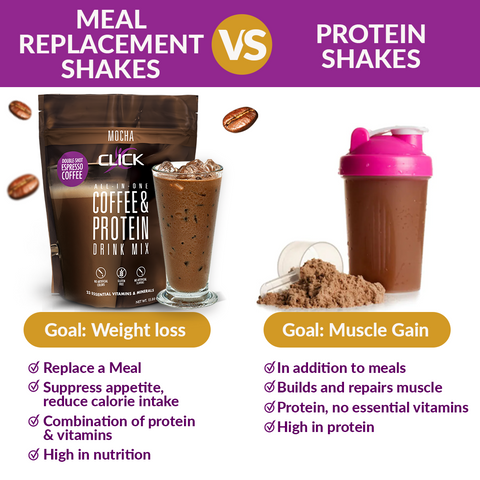
Replacing a meal with a protein shake can cut calories. Choose a shake that is low in sugar. This helps maintain your energy levels throughout the day. A balanced shake includes protein, fiber, and healthy fats. These nutrients keep you full longer. It reduces the need for snacks. It’s important to eat whole foods too. Shakes are convenient but should not replace all meals. Balance shakes with veggies, fruits, and whole grains. This ensures you get all essential nutrients.Combining With Exercise
Exercise plays a vital role in weight loss. Pairing protein shakes with workouts can enhance results. Protein helps repair muscles after exercise. This can lead to improved muscle tone. Drink a shake post-workout for recovery benefits. Shakes can also be a pre-workout snack. They provide energy without feeling heavy. This can improve workout performance. Choose a shake that suits your exercise routine. This way, you maximize the benefits of both nutrition and activity. `
Credit: www.everydayeasyeats.com
Myths And Misconceptions
Protein shakes often spark debates on their effectiveness for weight loss. Some believe they help reduce cravings, aiding in portion control. Others argue they might add unnecessary calories. Understanding these myths is crucial for making informed decisions.
Protein shakes have become a staple in many weight loss journeys. However, myths and misconceptions often cloud their effectiveness. Understanding these misunderstandings can help you make informed choices that truly benefit your health goals.Protein Overconsumption
Many people believe that consuming large amounts of protein will speed up weight loss. This isn’t necessarily true. Your body can only use a certain amount of protein each day. Excess protein doesn’t magically convert to muscle or burn fat faster. Imagine loading up on protein shakes several times a day, thinking you’re boosting your metabolism. In reality, you might be consuming more calories than you burn. It’s important to balance protein intake with other nutrients for a healthy diet. Are you aware that too much protein can sometimes lead to weight gain rather than loss? It’s crucial to tailor your protein intake to your individual needs, rather than following a one-size-fits-all approach.Quick Fix Beliefs
The appeal of quick fixes often makes protein shakes seem like a magic bullet for weight loss. But relying solely on shakes without a balanced diet and exercise can be misleading. Protein shakes are a tool, not a shortcut. Consider someone who replaces meals with shakes, hoping for rapid results. This might work initially, but long-term success requires sustainable habits. You need to incorporate whole foods and regular activity to truly see progress. Have you ever thought about how tempting it is to look for shortcuts? Real weight loss takes time and effort, not just a blender and some powder. Focus on building a lifestyle that supports your goals, rather than searching for instant solutions. Understanding these myths and misconceptions can empower you to use protein shakes effectively. How will you integrate this knowledge into your weight loss journey?
Credit: www.fitresults.net
Frequently Asked Questions
Should I Drink A Protein Shake When Trying To Lose Weight?
Drinking a protein shake can support weight loss by curbing hunger and preserving muscle mass. Choose low-calorie, high-protein options. Ensure it fits your daily calorie needs and complements a balanced diet. Always consult with a healthcare professional before making dietary changes.
Can Protein Shakes Help With Weight Loss?
Yes, protein shakes can aid weight loss by promoting satiety and reducing appetite. They help preserve muscle mass during calorie restriction. Opting for low-calorie protein shakes can be effective. However, they should complement a balanced diet and regular exercise for optimal results.
How Often Should I Drink Protein Shakes?
Drink protein shakes 1-2 times daily, ideally post-workout or as a meal replacement. Ensure they fit into your daily calorie and protein goals. Overconsumption can lead to unnecessary calorie intake, hindering weight loss. Always consult a nutritionist for personalized advice.
Which Protein Shake Is Best For Weight Loss?
Whey, casein, and plant-based protein shakes are popular for weight loss. Opt for low-calorie, low-sugar options with around 20-30 grams of protein per serving. Consider your dietary preferences and any allergies when choosing the best protein source for you.
Conclusion
Protein shakes can help with weight loss. They are a quick meal option. Low in calories, they support a balanced diet. High protein content keeps you full longer. This can reduce unnecessary snacking. But use them wisely. Not all shakes fit every diet.
Check labels for added sugars. Combine shakes with exercise and healthy meals. This ensures better results. Consult a nutritionist for personal advice. Tailor your shake choice to fit your needs. A balanced approach leads to successful weight loss. Stay committed and enjoy the journey.