Are you ready to transform your body and boost your confidence? The 12 Week Fitness Competition Diet might just be your secret weapon.
This diet plan isn’t just about shedding a few pounds; it’s about sculpting your physique and elevating your health to new heights. Imagine looking in the mirror and seeing the best version of yourself staring back. Exciting, right? But here’s the catch: success doesn’t come from just wishful thinking.
It requires dedication, smart choices, and the right guidance. That’s where this article comes in. We’ll unravel the mysteries of the 12 Week Fitness Competition Diet, providing you with practical tips and strategies that can make all the difference. Are you curious to know how you can maximize your results and stay motivated throughout the process? Keep reading, because your transformation starts now.
Goal Setting
Setting goals is crucial in any 12-week fitness competition diet. It provides direction and keeps motivation high. Clear goals help track progress and make necessary adjustments. They also offer a sense of accomplishment when achieved. Let’s explore how to effectively set goals for this journey.
Identifying Objectives
Start by defining what you want to achieve. Do you want to lose weight? Gain muscle? Improve endurance? Each goal requires different strategies and focus. Be specific about your objectives. Avoid vague goals like “get fit.” Instead, aim for “lose 10 pounds” or “increase squat weight by 20%.” Clear objectives make planning easier and more effective.
Tracking Progress
Regular tracking keeps you on the right path. Use journals or apps to record workouts and meals. Note any changes in weight, strength, or endurance. Tracking allows you to see what works and what doesn’t. It helps identify areas needing improvement. Celebrate small victories to stay motivated. Adjust your plan if you’re not hitting targets.

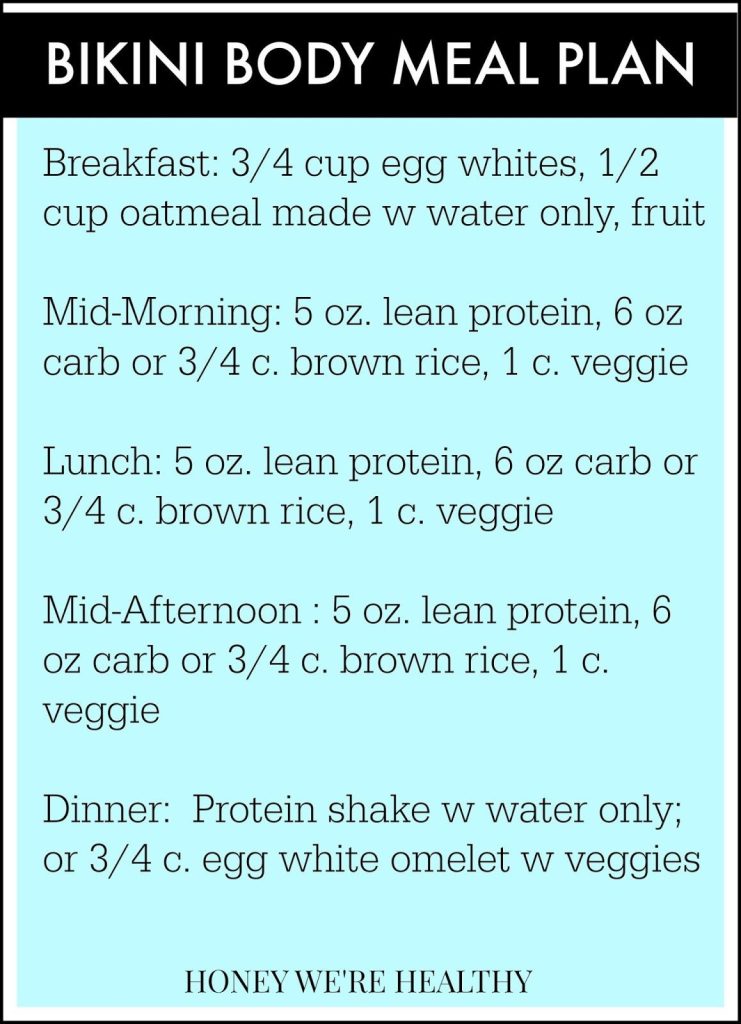
Credit: www.pinterest.com
Nutritional Foundations
Embarking on a 12-week fitness competition requires a solid nutritional foundation. Diet plays a crucial role in achieving your fitness goals. It provides energy and supports muscle growth. Understanding key nutritional elements is essential for success.
Macronutrient Breakdown
Balancing macronutrients is vital for optimal performance. Proteins help build and repair muscles. They are essential for muscle recovery. Carbohydrates provide energy for workouts. Choose complex carbs for sustained energy. Fats support hormone production and overall health. Focus on healthy fats like avocados and nuts.
Hydration Importance
Hydration is often overlooked but is critical. Water supports digestion and nutrient absorption. It regulates body temperature during workouts. Dehydration can hinder performance. Aim for consistent water intake throughout the day. Hydrate before, during, and after exercise. This keeps your body functioning at its best.
Meal Planning Strategies
Embarking on a 12-week fitness competition diet is more than just a challenge—it’s a transformative journey. As you gear up for this intense period, your meal planning strategies will be crucial. The right plan can keep your energy high and your body in peak condition. It’s about creating meals that fuel your workouts and nourish your body. Let’s dive into the essentials of crafting a meal plan that works for you.
Creating Balanced Meals
Balanced meals are your best friend during this competition phase. Think of them as a puzzle where each piece is vital. You need proteins to build muscle, carbs for energy, and fats for overall health. Each meal should have a mix of these nutrients.
Consider adding grilled chicken, quinoa, and avocado to your lunch. This combo ensures you have the protein, carbs, and fats you need. Are you making sure every meal hits these targets? If not, it might be time to reassess your plate.
Using a plate method can simplify things. Divide your plate into quarters: one for protein, one for carbs, and half for vegetables. This visual guide keeps your meals balanced without needing a nutrition degree.
Timing And Frequency
When you eat is as important as what you eat. Timing meals around your workouts can optimize your performance. Eating a carb-rich snack 30 minutes before exercising can boost your energy.
Think about how often you eat. Smaller, frequent meals can maintain energy levels and prevent hunger pangs. Are three meals and two snacks enough for your routine?
Set a schedule that fits your lifestyle. Maybe breakfast at 7 AM, a snack at 10 AM, lunch at 1 PM, a second snack at 4 PM, and dinner at 7 PM. Does this timing align with your workout sessions?
What changes are you willing to make in your meal planning to reach your fitness goals? Remember, it’s a learning process. Adjust and refine your strategies as you progress. Your dedication will reflect in your results. Are you ready to embrace this challenge and transform your diet?
Foods To Embrace
Discover nourishing foods for a 12-week fitness competition diet. Focus on lean proteins, fresh vegetables, and whole grains. Balance meals with healthy fats and hydrate with water for optimal results.
Embarking on a 12-week fitness competition diet is an exciting challenge. It’s all about focusing on foods that fuel your body, enhance your performance, and support your goals. The right diet can make a world of difference. You want to embrace foods that align with your fitness journey, offering a balance of protein, healthy fats, and complex carbohydrates. Let’s dive into these essential food groups that can help you succeed and feel great.
Protein Sources
Protein is the building block of muscles. You need it to repair and grow stronger after intense workouts. Think about adding lean meats like chicken breast or turkey. They offer high protein without excess fat. Eggs are versatile and packed with protein. Whether scrambled, boiled, or in an omelet, they fit perfectly in your meal plans. Quinoa and chickpeas are excellent plant-based proteins. They provide the muscle support you need while adding variety to your diet.
Healthy Fats
Healthy fats are crucial for energy and hormone balance. They keep you full longer and support your overall health. Consider avocados, rich in monounsaturated fats. They’re great in salads or as a spread. Nuts and seeds like almonds and chia seeds are fantastic choices. They offer a crunchy texture and are full of essential nutrients. Olive oil is another heart-healthy fat to include. Use it in cooking or as a salad dressing to enhance flavors without compromising your goals.
Complex Carbohydrates
Carbs are your primary energy source. Choose complex ones for sustained energy during workouts. Brown rice and sweet potatoes are perfect staples. They offer fiber and nutrients to keep you fueled. Whole grain bread or pasta can be included for variety. They provide energy and are easy to prepare. Oats are a powerhouse of energy and fiber. Enjoy them as breakfast or a snack before hitting the gym.
Embracing these foods can transform your fitness journey. Which food group excites you the most? Consider how these options can fit into your daily routine and enhance your progress.
Foods To Avoid
Embarking on a 12-week fitness competition diet requires discipline and knowledge. Knowing which foods to avoid is crucial for achieving your goals. Eliminating certain foods can enhance your results and improve your overall health. Let’s dive into some key foods to steer clear of during your fitness journey.
Refined Sugars
Refined sugars add extra calories without nutritional benefits. They can spike your blood sugar, causing energy crashes. These sugars hide in many foods, even those labeled “healthy.” Avoid candy, soda, and baked goods with high sugar content. Choose natural sweeteners like honey or maple syrup instead.
Processed Foods
Processed foods often contain unhealthy fats, sugars, and preservatives. They can hinder your progress and affect your energy levels. Items like chips, ready meals, and frozen dinners fall into this category. Opt for whole, unprocessed foods to fuel your body. Fresh fruits, vegetables, and lean proteins are excellent alternatives.
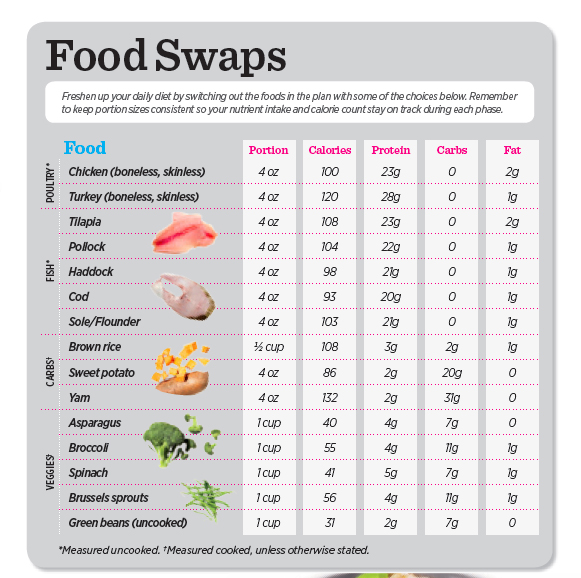
Credit: www.muscleandfitness.com
Supplementation Tips
Embarking on a 12-week fitness competition diet requires careful planning. To maximize results, consider the right supplements. They can enhance performance and support your nutritional needs. Supplements fill gaps in your diet, ensuring your body gets what it needs. Below are some tips on essential vitamins and performance boosters.
Essential Vitamins
Vitamins play a crucial role in overall health. They support energy levels and recovery. Vitamin D strengthens bones and supports muscle function. It’s vital for those training indoors. Vitamin C boosts the immune system, reducing the risk of illness. It also aids in collagen formation, essential for joint health. B Vitamins are key for energy metabolism. They help convert food into fuel, keeping you energized during workouts. Ensure you have a balanced intake of these essential vitamins.
Performance Boosters
Performance boosters can elevate your training sessions. They provide that extra edge needed in competition. Creatine is a popular choice. It enhances strength and power, especially in short bursts. Beta-Alanine reduces fatigue, allowing longer training durations. Caffeine improves focus and endurance. It’s effective in moderate doses before workouts. Branched-Chain Amino Acids (BCAAs) aid in muscle recovery and reduce soreness. They are beneficial post-workout. Integrate these boosters wisely into your regimen.
Mindful Eating
Mindful eating helps participants stay focused during a 12-week fitness competition diet. Paying attention to hunger cues and savoring each bite supports better food choices. This approach promotes awareness, reducing overeating and enhancing nutritional benefits.
Embarking on a 12-week fitness competition diet requires discipline and focus, but incorporating mindful eating can make the journey more enjoyable and effective. Mindful eating involves being present and attentive during meals, which can lead to better food choices and improved digestion. It’s about savoring each bite and recognizing how food affects your body and emotions.
Listening To Your Body
Listening to your body is a cornerstone of mindful eating. It means paying attention to hunger and fullness cues. Are you really hungry, or are you just eating out of habit? Consider how your body feels after certain meals. Do you feel energized or sluggish? Use these insights to adjust your diet for optimal performance. Try pausing during meals to assess your hunger level. This can prevent overeating and help you enjoy your food more. What signals does your body give you when it’s satisfied?
Emotional Eating Awareness
Emotional eating can derail your diet goals if left unchecked. It’s important to recognize when you’re eating to soothe emotions rather than satisfy hunger. Reflect on your eating patterns. Do you reach for snacks when stressed or bored? Identifying these triggers is the first step to overcoming them. Create a list of non-food activities that bring you joy or calm. Next time you feel the urge to eat emotionally, choose an activity from your list instead. How does it feel to replace food with a healthy alternative? Mindful eating isn’t just about what you eat; it’s about understanding why and how you eat. By being attentive to your body’s needs and your emotional patterns, you can make your fitness journey more successful and fulfilling. Are you ready to make mindful eating a part of your fitness competition diet?
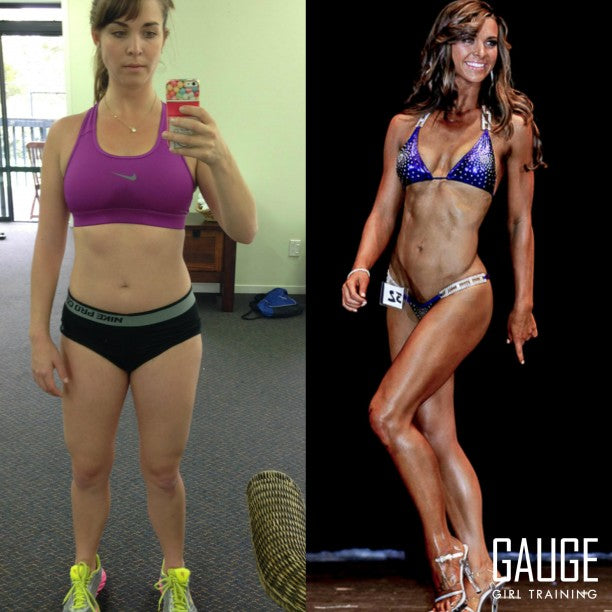
Credit: www.sizzler.humboldt.ca
Adapting To Challenges
Embarking on a 12-week fitness competition diet can be daunting. Success requires dedication and adaptability. Challenges arise that test both body and mind. Adapting to these challenges is crucial for progress. Let’s explore ways to overcome them effectively.
Overcoming Plateaus
Plateaus often occur during fitness journeys. Progress seems to halt. This can be discouraging. To overcome plateaus, change routines. Introduce new exercises. Alter workout intensity. Adjust diet slightly. Small changes can restart progress. Listen to your body. Experiment to find what works.
Staying Motivated
Motivation can wane over time. Especially in intense programs. Keep goals visible. Remind yourself why you started. Celebrate small victories. Share achievements with friends. Support from others boosts morale. Visualize the end result. Picture yourself reaching your goal. These strategies help maintain enthusiasm.
Recovery And Rest
Recovery and rest are crucial in a 12-week fitness competition diet. They ensure your body heals and strengthens after intense workouts. Neglecting these can lead to fatigue and injuries, which can hinder your progress. Prioritizing recovery and rest enhances performance and supports your fitness goals.
Importance Of Sleep
Sleep is vital for muscle repair and growth. Aim for seven to nine hours nightly. Quality sleep boosts mood and energy levels. It enhances cognitive function, aiding decision-making and focus. Poor sleep can increase stress and hinder muscle recovery. Create a sleep-friendly environment by reducing noise and light.
Active Recovery Methods
Active recovery includes light exercises like walking or cycling. These activities promote blood flow and help clear muscle waste products. Stretching and yoga improve flexibility and reduce muscle tension. They also aid in relaxation and mental clarity. Active recovery supports endurance and overall fitness.
Tracking Success
A 12-week fitness competition diet focuses on balanced meals and portion control. It helps in tracking progress effectively. This diet plan supports muscle growth and fat loss by ensuring nutrient-rich food intake.
Tracking success in a 12-week fitness competition diet is crucial for staying motivated and ensuring you’re on the right path. It’s about knowing where you stand and celebrating every small victory. This journey can be more engaging when you use technology, recognize milestones, and understand how each step contributes to your ultimate goal.
Using Technology
Technology can be your best ally in tracking your progress. Apps like MyFitnessPal or Fitbit help you monitor your calorie intake and workouts effortlessly. Visualizing your progress with graphs can make your achievements more tangible. Seeing your improvements can boost your morale. Many people find it helpful to set reminders or alerts for meal times and workout sessions. This ensures consistency and keeps you accountable.
Celebrating Milestones
Reaching a milestone is like crossing a finish line. Celebrate these moments as they are stepping stones to your goal. Consider rewarding yourself with a small treat. Maybe a new workout gear or a relaxing day off from exercising. Reflect on your journey and recognize the effort you’ve put in. Acknowledge the hard work and dedication you’ve shown. Are you making sure to enjoy these victories? Celebrating your progress can make the entire journey more enjoyable and satisfying. Tracking success isn’t just about numbers and graphs. It’s about understanding your progress and celebrating your achievements. How are you planning to track and celebrate your journey?
Frequently Asked Questions
What To Eat During A Fitness Competition?
Eat lean proteins, complex carbs, and healthy fats for energy and muscle recovery. Include foods like chicken, quinoa, avocados, and almonds. Hydrate with water and electrolytes. Avoid processed foods and sugars. Focus on balanced meals to maintain stamina and performance during the competition.
What Do Physique Competitors Eat?
Physique competitors eat lean proteins, complex carbs, and healthy fats. Meals often include chicken, fish, sweet potatoes, brown rice, and vegetables. They avoid processed foods and refined sugars to maintain muscle definition and low body fat. Proper hydration and meal timing are also crucial for optimal performance and physique maintenance.
What Is The Cutting Diet For Competition?
A cutting diet for competition involves reducing calories, increasing protein, and minimizing carbs and fats. Focus on lean protein, vegetables, and healthy fats. Maintain hydration and adjust portion sizes for optimal muscle definition while losing body fat.
What Is A 12-week Fitness Competition Diet?
A 12-week fitness competition diet is a structured eating plan. It focuses on achieving peak physical condition for a fitness event. This diet emphasizes balanced nutrition, portion control, and optimal macronutrient intake. The goal is to enhance muscle definition, energy levels, and overall performance.
Conclusion
A 12-week fitness competition diet needs commitment and planning. Balance is key. Include proteins, carbs, and healthy fats in your meals. Hydration remains crucial. Drink plenty of water daily. Consistency boosts progress. Tracking meals helps you stay on course. Portion control matters too.
Smaller meals keep energy steady. Remember to rest and recharge. Sleep supports your body’s recovery. Celebrate small wins along the way. Each step brings you closer to your goal. Keep motivation high. Support from friends or a coach can help.
Your journey is unique. Stay focused, and success will follow.