Are you tired of sifting through endless advice on how to shed those stubborn pounds while gaining muscle? You’re not alone.
Many people struggle to find the right balance between losing weight and building muscle, often feeling overwhelmed by conflicting information. But here’s the good news: you don’t have to choose one over the other. With the right foods, you can achieve both goals simultaneously.
Imagine looking in the mirror and seeing a leaner, stronger version of yourself. Picture how it feels to fit into your favorite clothes again or to have the energy to tackle your daily activities with ease. The secret isn’t just in the gym – it’s on your plate. By choosing the right foods, you can fuel your body for weight loss and muscle gain, all while enjoying delicious meals. Curious to know which foods can kickstart your transformation? Keep reading to discover how you can make your meals work for you.

Credit: www.pinterest.com
High-protein Foods
High-protein foods are essential for weight loss and muscle building. They help boost metabolism and support muscle repair. Including a variety of proteins in your diet is key. Let’s explore some high-protein foods that can help you reach your goals.
Lean Meats
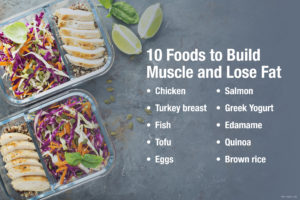
Lean meats are rich in protein and low in fat. Chicken breast is a popular choice. It offers a high protein content with minimal calories. Turkey is another great option. It is lean and full of nutrients. Both meats provide essential amino acids. These support muscle growth and repair. Always choose skinless cuts to reduce fat intake.
Fish And Seafood
Fish and seafood are excellent protein sources. Salmon is high in protein and contains healthy fats. These fats support heart health. Tuna is another protein-rich fish. It is low in calories and easy to prepare. Shrimp is also a good choice. It offers high protein with minimal calories. Seafood provides essential omega-3 fatty acids. These are vital for overall health.
Plant-based Proteins
Plant-based proteins are great for vegetarians and vegans. Lentils are rich in protein and fiber. They aid digestion and keep you full. Chickpeas offer a good protein boost too. They are versatile and can be added to many dishes. Quinoa is another excellent choice. It is a complete protein with all essential amino acids. These plant-based options support muscle growth and weight loss.
Complex Carbohydrates
When aiming to lose weight and build muscle, complex carbohydrates are your best friend. They provide sustained energy, helping you power through workouts and recover efficiently. Unlike simple carbs, complex carbs are digested slowly, keeping you fuller for longer and reducing cravings. But which complex carbohydrates should you focus on?
Whole Grains
Whole grains are a fantastic source of complex carbohydrates, perfect for fueling your fitness journey. Think brown rice, quinoa, and oats. These grains are rich in fiber, aiding digestion and promoting a healthy gut. When I swapped white bread for whole-grain options, I noticed a significant increase in energy levels throughout the day. Have you tried adding whole grains to your meals?
Starchy Vegetables
Sweet potatoes, squash, and corn aren’t just tasty; they’re packed with complex carbs. These starchy vegetables offer vital nutrients like vitamins A and C, which are crucial for muscle recovery. Incorporating these into your diet can enhance your meal variety without sacrificing your health goals. Once, I experimented with sweet potato fries, and they became a staple in my weekly meal prep. What’s your favorite starchy vegetable?
Legumes
Beans, lentils, and chickpeas are powerhouse foods that should be on your plate. They are high in protein and fiber, making them excellent for muscle building and weight loss. Legumes are incredibly versatile; you can add them to salads, soups, or even blend them into a smoothie. I once added chickpeas to a salad, and it kept me full for hours—no snacking needed. Are legumes part of your diet yet?
Choosing the right complex carbohydrates can significantly impact your fitness journey. These foods not only support weight loss but also aid muscle growth. Have you considered how they might transform your diet and workouts? Start today and feel the difference. Remember, small changes lead to big results.
Healthy Fats
Healthy fats play a crucial role in weight loss and muscle building. They provide energy, support cell growth, and help absorb nutrients. Including healthy fats in your diet can enhance your fitness journey. Discover some essential sources of healthy fats that can boost your progress.
Avocados
Avocados are rich in monounsaturated fats. These fats help reduce bad cholesterol levels. Avocados contain fiber, which keeps you full longer. They are also loaded with vitamins and minerals. This fruit supports muscle repair and growth.
Nuts And Seeds
Nuts and seeds are packed with healthy fats. They offer protein and essential nutrients. Almonds, walnuts, and chia seeds are popular choices. Eating them promotes satiety and helps manage weight. They also provide energy for workouts.
Olive Oil
Olive oil is a heart-healthy fat source. It contains antioxidants and anti-inflammatory properties. Olive oil aids in fat loss and muscle maintenance. Use it in salads or cooking for added flavor. It supports overall health and fitness.
Credit: www.youtube.com
Fiber-rich Options
In your journey to lose weight and build muscle, fiber-rich foods can be your best friends. They help in keeping you full, regulate digestion, and provide essential nutrients. Adding these to your diet can make your health goals more attainable without feeling deprived. You’ll discover that these foods not only support your weight loss but also fuel your muscle-building endeavors.
Fruits
Fruits are a delicious way to add fiber to your diet. Apples, bananas, and berries are fantastic choices. An apple a day might just keep cravings at bay. Have you ever tried a banana before a workout? It’s a natural energy booster. Berries, with their vibrant colors, offer both fiber and antioxidants. Toss them in yogurt or oatmeal for a nutrient-packed meal.
Vegetables
Vegetables offer a variety of fiber-rich options. Consider spinach, broccoli, and carrots. Spinach is versatile; add it to smoothies or salads. Broccoli is not only fibrous but also rich in vitamins. It’s a staple in many healthy recipes. Carrots are perfect for snacking. They are crunchy and satisfying, ideal for curbing hunger between meals.
Whole Grains
Whole grains are crucial for fiber intake. Think oats, quinoa, and brown rice. Oats are perfect for breakfast and can keep you full for hours. Quinoa is a powerhouse grain; it’s high in protein and fiber. Brown rice is a healthier alternative to white rice. It supports muscle growth with its slow-releasing energy. Have you considered swapping your usual grains for whole options? They could be the game-changer you need.
Now, as you explore these fiber-rich options, remember that each choice contributes to your overall health. Are you ready to make these foods a regular part of your meals? It’s easier than you think, and your body will thank you.
Hydration And Its Role
Hydration plays a crucial role in weight loss and muscle building. Proper hydration aids in digestion, nutrient absorption, and energy production. It can help regulate body temperature during workouts. Staying hydrated can also prevent fatigue and improve exercise performance.
Water
Water is essential for every cell in your body. Drinking enough water can increase metabolism. It helps in burning more calories. Water keeps you full, reducing unnecessary snacking. It flushes out toxins, aiding in weight loss.
Electrolyte Balance
Electrolytes maintain fluid balance in your body. They are vital for muscle function and recovery. Sodium, potassium, and magnesium are key electrolytes. They prevent cramps and improve muscle performance. Ensure your diet includes foods rich in these minerals.
Herbal Teas
Herbal teas are a great hydration option. They offer antioxidants and nutrients. Green tea boosts metabolism and aids fat burning. Chamomile tea can help relax muscles post-workout. Choose teas without added sugars for health benefits.
Meal Timing Strategies
Eating at the right time aids weight loss and muscle gain. Breakfast boosts energy, while post-workout meals build muscle. Evening meals should be light for better digestion and weight control.
Eating right is crucial when you’re aiming to lose weight and build muscle. But timing your meals is equally important. Meal timing strategies can make a significant difference in how your body responds to your workouts and recovers. Let’s dive into some effective strategies that can help you achieve your fitness goals more efficiently.Pre-workout Meals
What you eat before a workout can fuel your body for better performance. Aim to consume a balanced meal 1-3 hours before exercising. This could include a mix of carbohydrates for energy and protein for muscle support. Consider having a bowl of oatmeal topped with a handful of berries and a scoop of protein powder. This combination provides slow-releasing carbs and essential amino acids. It’s a simple meal that’s easy to digest and keeps you energized. Eating too close to your workout might make you feel sluggish. Experiment with timing to find what works best for you. How does your body react to different foods? Pay attention and adjust accordingly.Post-workout Recovery
After a workout, your body craves nutrients to repair and grow muscle. A mix of protein and carbohydrates within 30 minutes to 2 hours post-exercise can be beneficial. Consider a protein shake with a banana or a turkey sandwich on whole-grain bread. These options are quick and pack the essential nutrients for recovery. Remember, it’s not just about refueling, but also about rebuilding. Skipping post-workout nutrition can leave you feeling tired and hinder muscle growth. Make it a habit to plan your recovery meal just like you plan your workouts. What’s your go-to post-workout snack?Intermittent Fasting
Intermittent fasting has gained popularity for weight loss and muscle gain. This strategy involves cycling between periods of eating and fasting. But how does it fit into your fitness plan? Some people find that fasting helps them control calorie intake and improve metabolic health. You might follow a 16/8 schedule, eating during an 8-hour window and fasting for 16 hours. During the eating window, focus on nutrient-rich meals to fuel your body. If you decide to try intermittent fasting, listen to your body. It might take time to adjust, and that’s okay. Does fasting leave you energized or drained? Tailor the approach to suit your lifestyle and fitness goals.Supplementation
Supplementation plays a vital role in weight loss and muscle building. While whole foods provide essential nutrients, supplements can fill in gaps. They offer convenience and targeted nutrition support. Supplements help achieve fitness goals efficiently.
Protein Powders
Protein powders are popular among those aiming for muscle growth. They provide a quick source of protein after workouts. Whey and casein are common choices. Plant-based options like pea protein are available too. These powders support muscle repair and growth.
Creatine
Creatine is a well-researched supplement. It enhances strength and muscle mass. Creatine helps muscles produce energy during high-intensity exercise. This leads to improved performance and muscle gains. It is safe and effective for most people.
Branched-chain Amino Acids
Branched-Chain Amino Acids (BCAAs) include leucine, isoleucine, and valine. They support muscle recovery and reduce exercise fatigue. BCAAs are found in protein-rich foods. Supplementing can provide additional benefits. They are especially helpful during intense training.
Common Mistakes
Choosing foods high in sugars and fats can sabotage weight loss and muscle gain. Relying solely on protein shakes may neglect other essential nutrients. Skipping meals might reduce calorie intake but harms muscle development.
When you’re on a journey to lose weight and build muscle, it’s easy to make some common mistakes that can derail your progress. It’s not just about eating the right foods; how you approach your diet and exercise can make all the difference. Let’s dive into some frequent pitfalls and how you can avoid them to stay on track.Overeating Healthy Foods
It’s easy to assume that if a food is healthy, you can eat as much as you want. Nuts, avocados, and whole grains are nutrient-dense but also calorie-rich. If you’re not mindful, the calories can add up quickly, stalling your weight loss. Imagine munching on handfuls of almonds throughout the day, thinking you’re making a smart choice. Without realizing it, you could be consuming several hundred extra calories. Always measure your portions and be aware of your intake.Underestimating Caloric Needs
Many people underestimate how many calories they need, especially when building muscle. If you eat too little, your body might struggle to gain muscle. This can lead to frustration, thinking your workouts aren’t effective. Are you eating enough to fuel your workouts and muscle recovery? Use a reliable calculator to determine your caloric needs based on activity level and goals. Adjust your intake as needed to find the right balance for weight loss and muscle gain.Neglecting Strength Training
Some focus solely on cardio, believing it’s the quickest path to weight loss. But without strength training, you’re missing out on muscle-building opportunities. Muscles burn more calories, even at rest, which supports weight management. In my own experience, I initially avoided weights, thinking cardio was sufficient. Once I incorporated strength training, I saw a significant improvement in muscle tone and metabolism. Are weights a part of your routine, or are you avoiding them? It’s crucial to balance your diet and exercise. Avoid these mistakes, and you’ll be on a more efficient path to achieving your fitness goals. How will you adjust your habits to ensure success?Personalized Nutrition Plans
When it comes to achieving your fitness goals, personalized nutrition plans can be a game-changer. Tailoring your diet to your unique needs helps you efficiently lose weight and build muscle. This approach acknowledges that everyone’s body is different, and what works for someone else might not work for you. Personalized plans focus on your specific goals, preferences, and lifestyle, making it easier to stick to your routine and see results.
Consulting A Dietitian
Working with a dietitian can be a smart move when crafting a personalized nutrition plan. These professionals can help you understand your body’s nutritional needs and how to meet them. They take into account your metabolism, health conditions, and fitness goals to create a plan tailored just for you. Imagine the confidence of knowing you’re eating right for your body, not just following a generic diet. Have you ever considered how much easier your journey could be with expert guidance?
Tracking Progress
Tracking your progress is crucial for staying motivated and ensuring you’re on the right path. Keep a food diary or use a nutrition app to log your meals and workouts. This helps you see patterns and make connections between what you eat and how you feel. Seeing results, even small ones, can be incredibly motivating. What if tracking your progress was the key to unlocking consistent success?
Adjusting Based On Results
Adjusting your plan based on results is essential for continuous improvement. If you notice you’re not losing weight or gaining muscle as expected, tweak your diet and workout routine. Maybe you need more protein, or perhaps your exercise intensity needs a boost. Don’t be afraid to experiment and find what works best for you. Have you ever thought about how small adjustments could lead to significant changes in your journey?

Credit: www.instagram.com
Frequently Asked Questions
What Should I Eat To Lose Weight And Gain Muscle?
Eat lean proteins like chicken, fish, and tofu for muscle gain. Include whole grains, vegetables, and healthy fats. Control portion sizes and stay hydrated. Prioritize nutrient-dense foods and avoid processed sugars and fats. Balance your meals with protein, carbs, and fats for optimal results.
Can You Lose Fat And Build Muscle At The Same Time?
Yes, you can lose fat and build muscle simultaneously with proper diet, strength training, and consistent effort. Focus on consuming protein-rich foods, maintaining a calorie deficit, and lifting weights regularly. This combination promotes muscle growth while burning fat, helping achieve your fitness goals efficiently.
What Is The Fastest Way To Gain Muscle And Lose Weight?
Combine strength training and high-intensity interval training (HIIT) for effective muscle gain and weight loss. Prioritize protein-rich diets to support muscle growth. Stay consistent with workouts and maintain a calorie deficit. Ensure adequate sleep and hydration for optimal recovery and results.
Which Food Grows Muscle Fast?
Lean meats like chicken and turkey boost muscle growth. Include eggs, Greek yogurt, and cottage cheese for protein. Add fish like salmon for omega-3s. Beans and lentils provide plant-based protein. Incorporate nuts and seeds for healthy fats. Opt for quinoa and brown rice for complex carbs.
Conclusion
Choosing the right foods helps with weight loss and muscle gain. Lean proteins, healthy fats, and complex carbs are key. These foods provide energy and aid muscle recovery. Eating a balanced diet supports your fitness goals. Remember to stay hydrated and sleep well.
Consistency is crucial for results. Small changes in your diet can make a big difference. Listen to your body and adjust as needed. Your journey is unique. Stay patient and motivated. Celebrate each small victory. With dedication, you’ll achieve your goals over time.
Keep moving forward and enjoy the process.