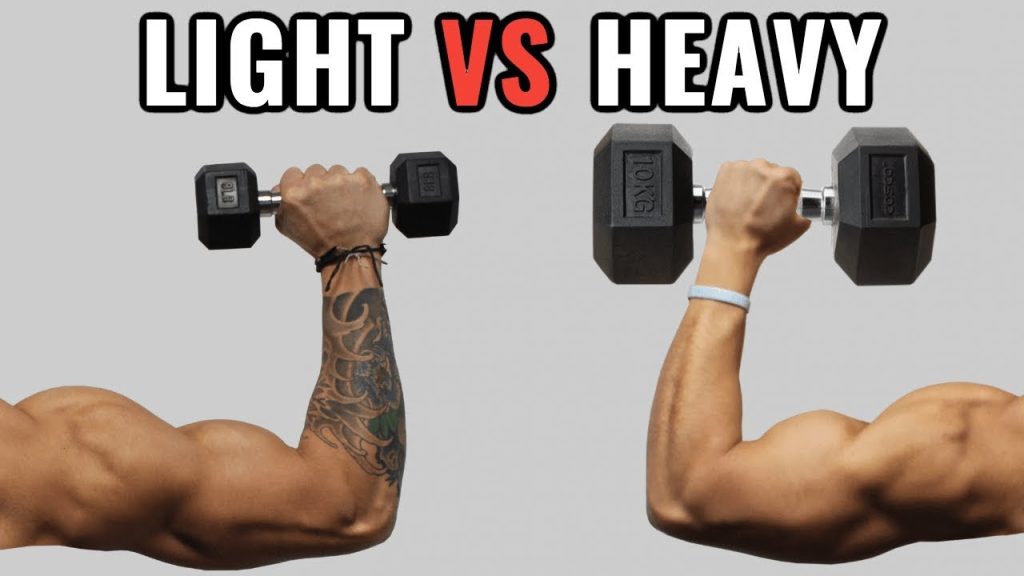
Ever wonder why some people at the gym seem to build muscle faster than others? The secret might just lie in the weights they’re lifting.
You’ve probably heard that lifting heavier weights can help you build muscle more quickly, but is it really that simple? You’re not alone if you’ve asked yourself this question. Understanding the science behind muscle growth and the role that weight plays can be the key to unlocking your fitness potential.
We’ll dive into whether lifting heavier weights truly accelerates muscle growth or if there are other factors at play. Get ready to discover how you can optimize your workouts for maximum results and finally achieve the muscle gains you’ve been working towards. Stay with us, because what you learn next could revolutionize your fitness routine.
Lifting Heavier Vs. Lighter Weights
When you step into the gym, one of the most common questions you might face is whether to lift heavier weights or stick to lighter ones. It’s a debate that can shape your fitness journey and influence your muscle-building goals. Understanding the differences between lifting heavier versus lighter weights can guide you in making informed decisions that align with your personal goals.
Defining Heavy And Light Weights
Heavy weights are typically those that challenge your muscles to their limit within a few reps. Think about the last time you tried to lift a weight and struggled to complete the set. That’s heavy. On the other hand, light weights allow you to perform more reps with ease, focusing on endurance rather than sheer strength.
Choosing between heavy and light weights depends on your fitness objectives. If you aim to gain muscle mass quickly, heavier weights might be your ally. However, lighter weights can be beneficial for toning and improving muscle endurance.
Common Misconceptions
Many believe lifting heavier weights automatically equals bigger muscles. It’s not always that simple. Muscle growth also hinges on nutrition, rest, and workout consistency. You might lift heavy but without proper nutrition, results can be minimal.
Another misconception is that lighter weights don’t contribute to muscle building. In reality, they can help build endurance and tone muscles when used correctly. Remember the time you did endless reps with lighter weights and felt the burn? That’s your muscles growing in a different way.
Ask yourself: Are you lifting heavy for strength or light for endurance? Does your choice match your goals? Reflect on your personal experiences in the gym. Consider experimenting with both approaches to see what suits you best. Your fitness journey is unique, and understanding these nuances can lead to more effective workouts.

Credit: www.pinterest.com
Science Behind Muscle Building
Building muscle is more than just lifting weights; it’s a fascinating process rooted in science. Understanding how muscle growth occurs can transform your workout from a routine into a strategic plan for success. Let’s dive into the science behind muscle building and discover the secrets to faster muscle growth.
Muscle Hypertrophy Explained
Muscle hypertrophy is the technical term for muscle growth. It happens when your muscles increase in size due to repeated stress and resistance.
Imagine your muscles as adaptable sponges. They respond to the stress of lifting weights by growing larger to handle more pressure next time.
It’s not just about the weight you lift. The tension, duration, and frequency of your workouts also play a crucial role. If you’ve ever felt sore after a workout, that’s your muscles adapting and preparing for future challenges.
Role Of Progressive Overload
Progressive overload is a key principle in building muscle effectively. It involves gradually increasing the weight, reps, or intensity of your workouts.
Think of it like climbing a ladder. Each step requires you to exert more effort, encouraging your muscles to grow stronger and bigger.
Have you ever plateaued in your workouts? Progressive overload prevents this by consistently challenging your muscles to push beyond their limits.
To implement this, try adding a little more weight each week or increasing your reps. This keeps your muscles guessing and ensures continuous growth.
But, here’s a question for you: Are you truly pushing your limits, or are you just going through the motions? Assess your workouts honestly to maximize muscle growth.
Understanding the science behind muscle building and applying these principles can make a significant difference. Next time you’re in the gym, remember that it’s not just about lifting heavier weights; it’s about lifting smarter. Do you have the strategy to match your ambition?
Benefits Of Lifting Heavier Weights
Lifting heavier weights can offer significant benefits for building muscle. This approach challenges your body and pushes it to adapt. As a result, you can see improvements in strength and muscle mass. The benefits of lifting heavier weights go beyond physical appearance. They extend to overall health and fitness.
Strength Gains
Heavier weights improve strength. Your muscles work harder with more resistance. This leads to increased muscle strength. It also enhances endurance. Consistent lifting trains your muscles to handle greater loads. You become stronger over time.
Impact On Muscle Mass
Lifting heavy weights affects muscle mass directly. It triggers muscle growth, known as hypertrophy. The muscles repair and grow bigger after intense workouts. Heavy lifting stresses muscle fibers. This process leads to increased muscle size and volume.
Working with heavier weights boosts muscle definition. It targets major muscle groups effectively. This approach helps in developing toned muscles. It also aids in achieving lean body mass.

Credit: www.youtube.com
Drawbacks And Risks
Lifting heavier weights can speed up muscle growth. But it comes with potential drawbacks. Understanding these risks helps prevent injuries and aids in safe training. It’s crucial to weigh these factors before starting a heavy lifting routine. Let’s explore some key risks involved.
Injury Potential
Lifting heavy weights increases the risk of injury. Muscles, tendons, and ligaments face higher strain. Improper form or technique can lead to severe injuries. Common injuries include strains, sprains, and tears. These injuries can sideline athletes for weeks or months. Always prioritize proper form to reduce these risks.
Recovery Time
Heavier weights demand longer recovery periods. Muscles need time to repair and grow. Insufficient recovery can lead to overtraining. This overtraining can cause fatigue and decrease performance. Longer recovery also affects workout frequency. Ensure your routine allows adequate rest for muscle recovery.
Alternative Strategies
Lifting heavier weights can enhance muscle growth, yet it’s not the sole method. Mixing up your workout routine with varied weights and techniques may also support muscle development effectively. Exploring diverse strategies might boost results while keeping training sessions engaging.
When it comes to building muscle, lifting heavier weights is often seen as the golden rule. However, not everyone can or wants to consistently push their limits with massive weights. Whether it’s due to physical constraints, personal preferences, or simply the desire to mix things up, alternative strategies can be just as effective. Here, we’ll explore two popular methods that can help you achieve muscle growth without always resorting to heavy lifting.Volume Training
Volume training focuses on increasing the total amount of work you do during a workout. It’s not just about how heavy the weights are, but how many times you lift them. Think of it like this: if you do more sets and reps, you’re increasing the overall volume of your workout. This strategy can lead to muscle growth by progressively overloading your muscles in a different way. Imagine doing five sets of ten reps with a moderate weight instead of three sets with a heavier one. This approach can be especially beneficial if you find heavier weights intimidating or if you’re recovering from an injury. Volume training allows you to keep the intensity high while avoiding the strain that heavy lifting can sometimes impose.High Reps With Moderate Weights
Another effective strategy is using high repetitions with moderate weights. This method can be a game-changer for endurance and muscle definition. By lifting weights that are not too heavy, you can focus on increasing the number of reps, pushing your muscles to fatigue in a different way. This approach is fantastic if you’re looking to build lean muscle. It can also improve your cardiovascular fitness, as doing many reps keeps your heart rate up. Next time you’re at the gym, try swapping out those heavy dumbbells for a moderate pair and aim for 15-20 reps per set. You’ll feel the burn and see the results without the risk of injury associated with heavier weights. Have you considered how these alternative strategies could fit into your routine? Whether you’re taking a break from heavy lifting or simply seeking variety, these methods offer valuable ways to build muscle efficiently. So, why not give them a try and see how your body responds?
Credit: www.amazon.com
Individual Factors
Different factors influence muscle growth speed. Lifting heavier weights boosts muscle-building by increasing tension on muscles. This process stimulates muscle fibers more effectively, aiding faster growth compared to lighter weights.
When it comes to building muscle, lifting heavier weights can be a game-changer. However, the speed at which you gain muscle isn’t solely dependent on the weight you lift. Individual factors play a crucial role in determining how quickly you see results. Understanding these factors can help you tailor your workout regimen to your unique needs.Genetics And Muscle Response
Your genetic makeup significantly influences how your muscles respond to weightlifting. Some people are naturally predisposed to build muscle quickly due to their genetic structure. If you have a friend who seems to gain muscle effortlessly, they might just have the right genetic advantages. Think about it: have you ever noticed how some people can lift a modest amount of weight and gain muscle mass rapidly, while others need to work harder for similar results? This difference is often due to genetic factors that affect muscle fiber type and hormonal levels. Understanding your genetic predisposition can help you set realistic expectations and goals for your fitness journey.Training Experience And Goals
Your level of experience with weightlifting affects how quickly you can build muscle. Beginners often experience rapid gains initially, a phenomenon known as “newbie gains.” If you’re new to lifting, you might find that even moderate weights lead to noticeable muscle growth. As you become more experienced, these gains may slow down, requiring adjustments in your routine. Set clear goals for what you want to achieve with your training. Are you looking to increase strength, improve endurance, or enhance muscle definition? Your goals will shape your approach to lifting and the weights you choose. Consider a time when you hit a plateau in your training. Did changing your goals or adjusting your technique help you overcome it? By focusing on specific objectives, you can optimize your workouts to suit your needs and maintain motivation. Have you ever thought about how your unique body and experiences shape your fitness journey? Reflecting on these individual factors can offer valuable insights and pave the way for more effective muscle-building strategies.Balancing Weight And Reps
Building muscle often involves lifting heavier weights, which can speed up the process. Increasing weight challenges muscles, prompting growth and strength. Balancing weight and reps is crucial for effective workouts and maximizing muscle gain.
When it comes to building muscle, you might wonder if lifting heavier weights is the fastest route. It’s not just about how much weight you can hoist; it’s also about how you balance the weight with repetitions. This balance is crucial for effective muscle growth. Imagine the thrill of pushing your limits and seeing real progress. But how do you find the right mix that suits your body and goals?Finding The Right Mix
Finding the right balance between weight and reps is like a puzzle. You’re piecing together what works best for your body. Lifting heavier weights with fewer reps can certainly enhance muscle strength, but is it always better? Consider your goals. If you’re aiming for bulk, heavier weights with 6-8 reps might be ideal. But for muscle endurance, lighter weights with 12-15 reps could be more beneficial. You don’t have to stick to one method. Mix them up in your routine to keep your muscles guessing and growing.Listening To Your Body
Your body is your best guide. It tells you when you’re pushing too hard or not enough. Pay attention to how your muscles feel after a workout. Are they tired, or do you feel like you could do more? If you’re lifting heavy and feel exhausted with poor form, it might be time to adjust. The quality of each rep matters more than the quantity. Struggling with a weight that’s too heavy can lead to injury. Remember, progress is personal. What works for someone else might not work for you. Have you ever noticed how some days you feel stronger, while others you struggle? It’s normal. Your energy levels and strength can vary daily. Adjust your weights and reps accordingly. Your body knows what it needs, so give it the attention it deserves.Expert Opinions
Experts agree that lifting heavier weights can build muscle faster. Increased resistance challenges muscles more, prompting growth. Proper form and gradual increase in weight are key.
When it comes to building muscle, one question that often sparks debate is whether lifting heavier weights actually speeds up the process. Many fitness enthusiasts and beginners alike wonder if they should push their limits with heavier loads or focus on other aspects of their training. To shed light on this, we turn to expert opinions to understand what the professionals and researchers have to say.Insights From Fitness Professionals
Fitness professionals often emphasize the importance of progressively challenging your muscles. According to personal trainers, lifting heavier weights can indeed lead to faster muscle growth. This is because heavier weights put more stress on your muscles, forcing them to adapt and grow stronger. A friend of mine, who is a certified trainer, always advises her clients to gradually increase their weights. She believes that this not only builds muscle but also boosts confidence. Have you ever noticed how great it feels to lift something heavier than you did last week? However, experts caution against increasing weight too quickly. They stress the importance of maintaining proper form to prevent injuries. Are you focusing on technique as much as the weight itself?Research Findings
Studies have shown that lifting heavier weights can indeed stimulate muscle growth more effectively. Research indicates that heavier loads activate more muscle fibers, which can lead to increased strength and size. A study published in a popular fitness journal found that individuals who lifted heavier weights saw more significant muscle growth than those who lifted lighter weights with more repetitions. This suggests that if you’re aiming for muscle mass, heavier weights might be your best bet. Yet, it’s crucial to remember that heavier doesn’t always mean better for everyone. Research also points out that individual goals and body types play a significant role. Have you considered how your personal goals align with your weightlifting strategy? Ultimately, while heavier weights can accelerate muscle growth, it’s essential to balance this with safety and personal objectives. What approach will you take to ensure you’re building muscle effectively and safely?Frequently Asked Questions
What Builds Muscle Faster, Light Or Heavy Weights?
Heavy weights build muscle faster by increasing resistance and stimulating muscle growth. Aim for fewer reps with heavier weights. This engages muscle fibers effectively, promoting strength and hypertrophy. Ensure proper form to avoid injuries and balance your routine with adequate rest and nutrition for optimal muscle gain.
Will Lifting Heavier Weights Build Muscle Faster?
Lifting heavier weights can promote faster muscle growth by increasing muscle tension and stimulating muscle fibers. Proper form and gradual progression are essential to prevent injuries and ensure effective workouts. Combining strength training with proper nutrition enhances muscle-building results.
Is It Better To Lift Heavy Or High Reps?
Choosing between lifting heavy or high reps depends on your fitness goals. Lift heavy for strength and muscle gain. Opt for high reps to improve endurance and muscle tone. Balance both for overall fitness benefits. Always maintain proper form to prevent injuries.
Do Heavier People Gain Muscle Faster?
Heavier individuals may gain muscle faster due to more stored energy and strength. Muscle gain depends on diet, exercise, and genetics. Each person’s body responds differently to training and nutrition. Consistency in workouts and proper nutrition play crucial roles in muscle development for everyone, regardless of weight.
Conclusion
Building muscle requires effort and consistency. Lifting heavier weights can speed up muscle growth. But it’s not the only factor. Proper form and balanced nutrition are vital too. Listen to your body. Progress gradually with weight increases. Avoid injury by not overdoing it.
Everyone’s body responds differently to training. Find what works for you. Consult professionals if unsure. Stay motivated and track your progress. Muscle growth takes time and patience. Keep pushing forward. Success comes with dedication and smart choices. Enjoy your fitness journey.