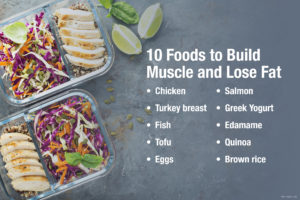
Are you looking to transform your body, shedding unwanted pounds while gaining lean muscle? The secret lies in the food you eat.
Imagine feeling stronger, more energized, and confident in your own skin. By choosing the right foods, you can turn these aspirations into reality. This isn’t about depriving yourself or going hungry; it’s about fueling your body with nutritious, muscle-building, and fat-burning foods.
Want to discover how you can eat your way to a fitter, healthier you? Keep reading to uncover the delicious and satisfying foods that will help you lose weight and build muscle, making your fitness goals easier and more enjoyable to achieve.
Nutrition Basics
Understanding the basics of nutrition helps in achieving fitness goals. The right food fuels the body and supports muscle growth. A balanced diet aids in weight loss while preserving muscle mass. Let’s explore key elements of a nutrition plan for weight loss and muscle gain.
Protein: The Building Block
Proteins are essential for muscle repair and growth. They provide amino acids, crucial for building muscle tissue. Include lean meats, eggs, and legumes in your diet. Aim for a portion of protein with every meal. This supports muscle maintenance and reduces hunger.
Carbohydrates: Energy Source
Carbohydrates give the body energy for workouts. They help preserve muscle while losing weight. Choose whole grains like brown rice and quinoa. These provide sustained energy and support muscle recovery. Balance carb intake with activity levels for best results.
Fats: Essential Nutrients
Healthy fats are important for overall health. They support hormone production, vital for muscle growth. Include avocados, nuts, and olive oil in meals. Keep fat intake moderate to aid weight loss. Focus on unsaturated fats for a heart-healthy diet.
Hydration: Stay Hydrated
Water is crucial for all bodily functions. It aids in digestion and nutrient absorption. Proper hydration supports muscle function and recovery. Drink water throughout the day. Increase intake during workouts to replace sweat loss. Hydration helps maintain performance and energy levels.
Micronutrients: Small But Mighty
Vitamins and minerals support overall health and fitness. They aid muscle function and reduce fatigue. Incorporate a variety of fruits and vegetables in your diet. These provide essential nutrients and antioxidants. A colorful plate ensures a range of micronutrients.
Protein Power
Protein is essential for losing weight and building muscle. It fuels your body, repairs tissues, and supports growth. Protein-rich foods help you feel full longer, reducing overeating. Choosing the right protein sources can make a big difference in your fitness journey.
Lean Meats
Lean meats are great for muscle building and weight loss. They provide high-quality protein without excessive fat. Chicken breast, turkey, and lean beef are popular choices. They are rich in amino acids, aiding in muscle repair and growth.
Opt for grilled or baked meats to keep them healthy. Avoid deep-fried or heavily seasoned options. Incorporate these meats into salads, wraps, or stir-fries for a balanced meal.
Plant-based Proteins
Plant-based proteins are excellent for those avoiding animal products. They offer diverse nutrients and are low in fat. Beans, lentils, and tofu are excellent sources. They are rich in fiber, promoting digestion and satiety.
Quinoa and chickpeas also provide essential amino acids. Include them in soups, stews, or grain bowls. These proteins support muscle growth while being gentle on the stomach.
Protein Supplements
Protein supplements offer convenience and versatility. They are ideal for quick protein boosts post-workout. Whey protein is popular for muscle building, while pea protein suits vegans.
Mix protein powders with water or milk for easy shakes. They can be added to smoothies or baking recipes for a protein-rich snack. Always check labels for sugar and additives before purchasing.
Healthy Fats
When you’re on a journey to lose weight and build muscle, it’s important to remember that not all fats are bad. Healthy fats can actually support your goals by providing essential nutrients and keeping you satisfied. Choosing the right types of fats can make a significant difference in your diet and results. So, what are these healthy fats, and how can they help you?
Omega-3 Sources
Omega-3 fatty acids are a powerful ally in your quest for fitness. They reduce inflammation and support muscle recovery. You can find them in fish like salmon, mackerel, and sardines. If you’re not a fan of seafood, try chia seeds, flaxseeds, or walnuts. Adding these foods to your meals can enhance your overall health and performance. Have you noticed how your energy levels improve after a meal rich in omega-3s?
Monounsaturated Fats
Monounsaturated fats are another great option for healthy eating. They help maintain heart health and aid in weight management. Avocados, olive oil, and nuts are excellent sources. These fats make you feel full and satisfied, reducing the temptation to snack on unhealthy options. Have you ever tried drizzling olive oil over your salad for an extra flavor boost?
Avoiding Trans Fats
Trans fats are a different story. They can derail your weight loss and muscle-building efforts. Found in many processed foods, they increase bad cholesterol and risk of heart disease. Reading labels is crucial to avoid them. Stick to whole foods and minimize processed snacks. How often do you check labels when grocery shopping?
Making informed choices about fats can transform your diet and support your fitness goals. By embracing omega-3s and monounsaturated fats while avoiding trans fats, you can fuel your body in a way that promotes health and vitality. Are you ready to make these changes and see the difference?
Credit: www.asweetpeachef.com
Carbohydrates For Energy
Carbohydrates often get a bad rap when it comes to weight loss and muscle building. But they are an essential part of your diet, especially when you need energy for workouts. Understanding how to use carbs effectively can be a game-changer in your fitness journey. Let’s dive into how complex carbs, timing, and carb cycling can help you.
Complex Carbs
Complex carbohydrates are your best friend when you’re looking to fuel your body efficiently. Foods like brown rice, whole grain bread, and quinoa are packed with nutrients that provide sustained energy. They are digested slowly, ensuring that you have a steady supply of fuel throughout the day.
Why settle for a quick sugar rush when you can have lasting energy? Think of your meals as a way to keep your energy levels stable, which is crucial for maintaining muscle and losing weight.
Timing Your Carbs
When you consume carbs can be just as important as what kind you eat. Eating carbs before a workout can give you the energy boost you need to perform at your best. Post-workout, carbs help replenish your glycogen stores, aiding in recovery.
Imagine heading into a workout feeling sluggish versus feeling energized. Timing your carb intake can make a difference in how effective your exercise sessions are. Do you notice any patterns in your energy levels based on when you eat carbs?
Carb Cycling
Carb cycling is a technique that involves varying your carb intake on different days. This can help optimize your performance and body composition. On high-intensity workout days, you might consume more carbs, while on rest days, you eat fewer.
This approach helps keep your metabolism guessing, potentially aiding in weight loss while maintaining muscle. It can also be a fun experiment with your diet, allowing flexibility and variety. Have you tried adjusting your carb intake based on your activity level?
Carbohydrates are not the enemy. They are a powerful tool in your quest for a healthier and fitter you. By choosing complex carbs, timing your intake, and experimenting with carb cycling, you can harness the energy needed to lose weight and build muscle effectively. Remember, the right carbs at the right time can lead to better performance and results. So, what’s your current approach to carbs, and how can you tweak it for better outcomes?
Hydration Essentials
To effectively lose weight and build muscle, hydration plays a crucial role. Staying hydrated doesn’t just mean drinking water; it involves understanding the balance of fluids and electrolytes in your body. Adequate hydration impacts your energy levels, workout performance, and recovery. Let’s dive into the essentials of hydration that will help you achieve your fitness goals.
Water Intake
Drinking water is the simplest yet most powerful tool in your fitness arsenal. It helps regulate body temperature and supports muscle function. A good rule of thumb is to drink at least half your body weight in ounces of water each day.
Have you ever felt sluggish during a workout? That might be dehydration at play. Carry a reusable water bottle and take sips throughout the day. Your body will thank you with better endurance and faster recovery.
Consider the effects of dehydration on your body. Even mild dehydration can affect your physical performance. Staying hydrated is not just about quantity but consistency. Make it a habit.
Electrolyte Balance
Electrolytes are minerals that help balance fluids in your body. They include sodium, potassium, calcium, and magnesium. These are critical for muscle contractions and preventing cramps during workouts.
Ever experienced muscle cramps or fatigue? Your electrolyte balance might be off. Foods like bananas, avocados, and leafy greens can help restore this balance.
Think of electrolytes as your body’s internal communication system. They ensure your muscles work efficiently. During intense exercise or hot weather, you might need a sports drink or electrolyte supplement to maintain balance.
Engage with your hydration habits. Ask yourself: Are you drinking enough water? Are you balancing your electrolytes? These questions can guide you toward better hydration practices.
Understanding hydration isn’t just about quenching thirst. It’s about optimizing your body’s performance. Make conscious choices and watch your fitness journey thrive.
Meal Timing
Eating the right foods at the right times helps lose weight and build muscle. Consuming protein-rich meals after workouts boosts muscle growth. Balanced meals throughout the day support energy and weight loss.
Achieving your fitness goals is not just about what you eat but also when you eat. Meal timing can significantly impact your ability to lose weight and build muscle. Understanding how to time your meals around your workouts can optimize your energy levels and maximize your results.Pre-workout Meals
Eating before a workout can enhance your performance and help you get the most out of your exercise routine. Aim for a meal that’s rich in carbohydrates and moderate in protein. This can be as simple as a banana with a spoonful of peanut butter or a small bowl of oatmeal with berries. Timing is crucial—try to eat your pre-workout meal about 30 minutes to an hour before you start exercising. This gives your body enough time to digest and convert the food into energy. If you’re pressed for time, a quick snack like a handful of nuts can also do the trick. Have you ever felt sluggish halfway through a workout? Your pre-workout meal might be the missing link. It fuels your body, keeping fatigue at bay and ensuring you have the stamina to push through.Post-workout Nutrition
After exercising, your muscles are like sponges, ready to soak up nutrients. Consuming a balanced meal post-workout helps repair and build muscle tissue. Focus on incorporating lean proteins and healthy carbs. A grilled chicken breast with sweet potatoes or a protein shake with a banana can be great post-workout options. Ideally, eat within 30 minutes to two hours after your workout for optimal muscle recovery. Skipping a post-workout meal can hinder your progress. Have you noticed slower recovery times or persistent soreness? It might be time to adjust your post-exercise nutrition strategy. Your muscles need those nutrients to rebuild stronger and leaner. Take a moment to reflect on your meal timing. Are you fueling your body effectively to meet your fitness goals? Adjusting when you eat can be a game-changer in your weight loss and muscle-building journey.Snacking Smart
Snacking smart is crucial when you’re trying to lose weight and build muscle. It’s easy to grab a quick snack without thinking, but those choices can derail your goals. Choosing the right snacks can keep your energy levels up and help you stay on track.
Imagine this: you’re in the middle of a busy day, and hunger hits. Instead of reaching for chips, what if you had a high-protein snack that fuels your muscles and keeps you full? Making the right snack choices can make all the difference in your fitness journey.
High-protein Snacks
High-protein snacks are your best friends when building muscle. They help repair and grow your muscles after workouts. Plus, protein keeps you feeling full longer, which is great for weight loss.
- Greek yogurt with a handful of almonds is a quick option. It’s creamy and satisfying.
- Hard-boiled eggs are convenient and packed with protein. Keep a few in your fridge for a grab-and-go snack.
- Cottage cheese with sliced cucumbers adds a fresh twist. It’s light yet filling.
Are you getting enough protein during your snack time? Assess your current choices and see if they align with your goals.
Healthy Fat Snacks
Healthy fats are essential for losing weight and building muscle. They provide long-lasting energy and help you absorb vitamins. Including them in your snacks can be both delicious and beneficial.
- Avocado on whole-grain toast makes a simple, nutrient-dense snack.
- A small handful of walnuts or almonds offers a satisfying crunch and healthy fats.
- Nut butter on apple slices gives you a sweet and savory combination.
Think about your last snack. Did it contain healthy fats that support your fitness goals? Making small changes can lead to significant results.
Next time you’re planning your snacks, consider these options. It’s about creating habits that support your lifestyle. What will you choose for your next smart snack?

Credit: www.pinterest.com
Supplements And Their Role
Supplements can help in losing weight and building muscle effectively. They provide essential nutrients that might be missing from meals. A balanced diet combined with supplements supports muscle growth and aids in weight loss.
Supplements can play a crucial role in your journey to lose weight and build muscle. They can offer support by filling nutritional gaps and enhancing performance. However, it’s essential to choose wisely, as not all supplements are created equal.Whey Protein
Whey protein is a popular choice among fitness enthusiasts. It’s packed with essential amino acids, which help repair and build muscle tissues. Many find it convenient to add a scoop to their morning smoothie or post-workout shake. Did you know that whey protein also helps in weight management? It keeps you feeling full longer, reducing the urge to snack on unhealthy options. What’s your favorite way to enjoy whey protein?Bcaas
Branched-Chain Amino Acids (BCAAs) are vital for muscle growth. They consist of three essential amino acids: leucine, isoleucine, and valine. These nutrients support your muscles during intense workouts. Taking BCAAs can reduce muscle soreness, helping you return to the gym faster. Consider sipping on a BCAA drink during your workout. Do you notice quicker recovery when using BCAAs?Creatine
Creatine is renowned for boosting strength and muscle mass. It’s naturally found in muscle cells and helps produce energy during heavy lifting or high-intensity exercise. Many athletes swear by it for enhanced performance. Some studies suggest creatine may also aid in weight loss by increasing your metabolic rate. Mixing creatine into your water or juice can be an easy addition to your routine. How do you feel about incorporating creatine into your diet? Supplements can be a game-changer, but your journey is unique. Always listen to your body and consult with a healthcare professional before starting any new supplement. What’s one supplement you’re curious to try?Creating A Balanced Meal Plan
Crafting a balanced meal plan aids weight loss and muscle gain. Focus on lean proteins, whole grains, and vegetables. Include healthy fats like avocados and nuts for energy and recovery.
Creating a balanced meal plan is crucial for achieving your weight loss and muscle-building goals. It’s not just about eating less or spending hours in the gym; it’s about making smart food choices that fuel your body efficiently. A well-rounded plan considers your daily caloric needs and macronutrient ratios, helping you stay on track with your fitness journey.Daily Caloric Needs
Understanding your daily caloric needs is the first step in crafting a balanced meal plan. Your body requires a certain amount of calories to function optimally, which varies based on factors like age, gender, activity level, and fitness goals. Calculate your baseline caloric requirement using an online calculator or consult a nutritionist. Adjust your intake based on whether you aim to lose weight or build muscle. Creating a slight calorie deficit can promote weight loss, while a surplus may support muscle growth. Monitor your progress and tweak your calorie intake as needed.Macronutrient Ratios
Macronutrients—proteins, carbohydrates, and fats—are the building blocks of your diet. Striking the right balance is essential for efficient weight loss and muscle gain. Proteins are vital for muscle repair and growth. Aim for lean sources like chicken, fish, or tofu, which are low in fat and high in nutrients. Carbohydrates provide energy for your workouts. Opt for complex carbs like whole grains and vegetables, which offer sustained energy and are packed with fiber. Healthy fats support hormone production and overall health. Incorporate sources like avocados, nuts, and olive oil into your meals. Consider a typical day: a breakfast smoothie with protein powder, a lunch of grilled chicken with quinoa, and a dinner featuring salmon and mixed greens. Each meal should reflect a balanced macronutrient profile. Are you adjusting your meals based on how they make you feel during workouts or throughout the day? Listening to your body can be a game-changer. Crafting a meal plan is more than just following a strict diet. It’s about finding the right balance that suits your lifestyle and goals. How will you start tailoring your meals to meet your unique needs today?Common Mistakes
Achieving the right balance between weight loss and muscle gain can be tricky. Many people make common mistakes that hinder progress. Understanding these pitfalls can help you reach your goals faster. This section uncovers some of the frequent errors in diet plans.
Overeating Healthy Foods
Healthy foods are often calorie-rich. Nuts, avocados, and whole grains are nutritious but dense in calories. Eating them in large amounts can lead to weight gain. People assume healthy foods don’t contribute to extra calories. This belief can stall weight loss efforts.
Balance is key. Include healthy foods in your diet but watch the portions. Eating too much can offset the benefits. Tracking calories helps in maintaining a balanced intake. Ensure you eat the right amount to support weight loss and muscle growth.
Ignoring Portion Control
Portion control is crucial for effective weight management. Many overlook the importance of controlling food portions. Eating large portions leads to consuming more calories than needed. This mistake is common among those trying to build muscle.
Even protein-rich foods can be overconsumed. Overeating leads to excess calorie intake. Understanding portion sizes helps prevent this. Use measuring tools to ensure proper portion sizes. This practice aids in achieving a balanced diet.
Learn to listen to your body’s hunger signals. Eating mindfully helps in maintaining correct portion sizes. It ensures you eat the right amount for your goals.
Tracking Progress
Tracking progress in eating the right food is vital to lose weight and build muscle. Balanced meals with lean proteins, healthy fats, and complex carbs support muscle growth and help shed pounds. Regularly monitoring food intake ensures effective results in achieving fitness goals.
Tracking your progress is crucial when you’re on a journey to lose weight and build muscle. It helps you stay motivated and make informed decisions about your diet and exercise routine. Monitoring your progress allows you to celebrate small victories and make necessary adjustments. Tracking doesn’t have to be complicated. Let’s explore two effective methods: food journals and regular assessments.Using Food Journals
Food journals are a powerful tool. They help you keep track of what you’re eating and how it affects your body. Write down everything you consume each day. Include details like portion sizes, calories, and even your mood. A friend once shared how writing in her food journal kept her accountable. She realized that some snacks were sabotaging her muscle-building efforts. By noting them, she could replace them with healthier choices. Have you ever thought about what your food choices reveal about your habits? A food journal can be an eye-opener. Try it for a week and see what patterns emerge.Regular Assessments
Regular assessments are equally important. They provide a snapshot of your progress over time. You can measure your weight, track body measurements, or check muscle growth. Consider setting weekly or monthly goals. Assess how well you’ve met them. This will highlight areas where you excel and those needing improvement. Imagine stepping on the scale after weeks of hard work. Seeing the numbers move in your favor can be an incredible motivator. It reassures you that your efforts are paying off. Are you ready to take charge of your progress? By using food journals and regular assessments, you can stay on track and reach your goals effectively. What’s your next step?
Credit: www.instagram.com
Frequently Asked Questions
What Should I Eat To Lose Weight And Gain Muscle?
Eat lean proteins like chicken, fish, and tofu. Include complex carbs like quinoa and brown rice. Add healthy fats from avocados and nuts. Include plenty of vegetables for nutrients. Ensure adequate hydration.
Can I Lose Fat And Gain Muscle At The Same Time?
Yes, you can lose fat and gain muscle simultaneously. Focus on strength training and a balanced diet. Consume sufficient protein and maintain a slight calorie deficit. Prioritize sleep and manage stress for optimal results. Consistency is key to achieving this goal effectively.
What Is The Fastest Way To Gain Muscle And Lose Weight?
To quickly gain muscle and lose weight, combine strength training with high-intensity interval training. Eat a balanced diet rich in protein, healthy fats, and complex carbohydrates. Stay hydrated and ensure adequate sleep for recovery. Consistency in exercise and nutrition is key to achieving results.
What Is Best For Weight Loss And Muscle Gain?
Combine strength training and cardio for effective weight loss and muscle gain. Focus on a balanced diet rich in protein. Prioritize consistency and adequate rest. Monitor progress and adjust routines as needed. Consider consulting a fitness professional for personalized guidance.
Stay motivated and disciplined for optimal results.
Conclusion
Eating right helps you lose weight and build muscle. Pick foods rich in protein. Think chicken, fish, or beans. These boost your muscle growth. Choose whole grains and veggies for energy. Stay hydrated with water. Avoid sugary drinks and snacks.
They add empty calories. Balance is key. Mix exercise with healthy eating. Enjoy each meal, savor every bite. Stay consistent and patient. Results take time. Believe in your journey. Your body will thank you.