Have you ever wondered if the fun and exhilarating activity of jumping on a trampoline could also be a secret weapon for building muscle? Picture yourself defying gravity, feeling weightless, and having a blast, all while working on your fitness goals.
It sounds almost too good to be true, doesn’t it? But what if this childhood pastime holds the key to a stronger, more toned you? We’ll uncover the surprising link between trampoline workouts and muscle building. You’ll discover how this activity can fit into your fitness routine and why it might just be the game-changer you’ve been looking for.
Whether you’re a fitness enthusiast or someone looking for a fun way to get in shape, this is one read you won’t want to miss. So, are you ready to jump into the details? Let’s get started!
Benefits Of Trampoline Workouts
Trampoline workouts offer a fun way to exercise. They provide many health benefits without feeling like a chore. Jumping on a trampoline is not just for kids. Adults can gain a lot from it too. It can be a great addition to any fitness routine. Let’s explore the benefits of trampoline workouts.
Cardiovascular Health
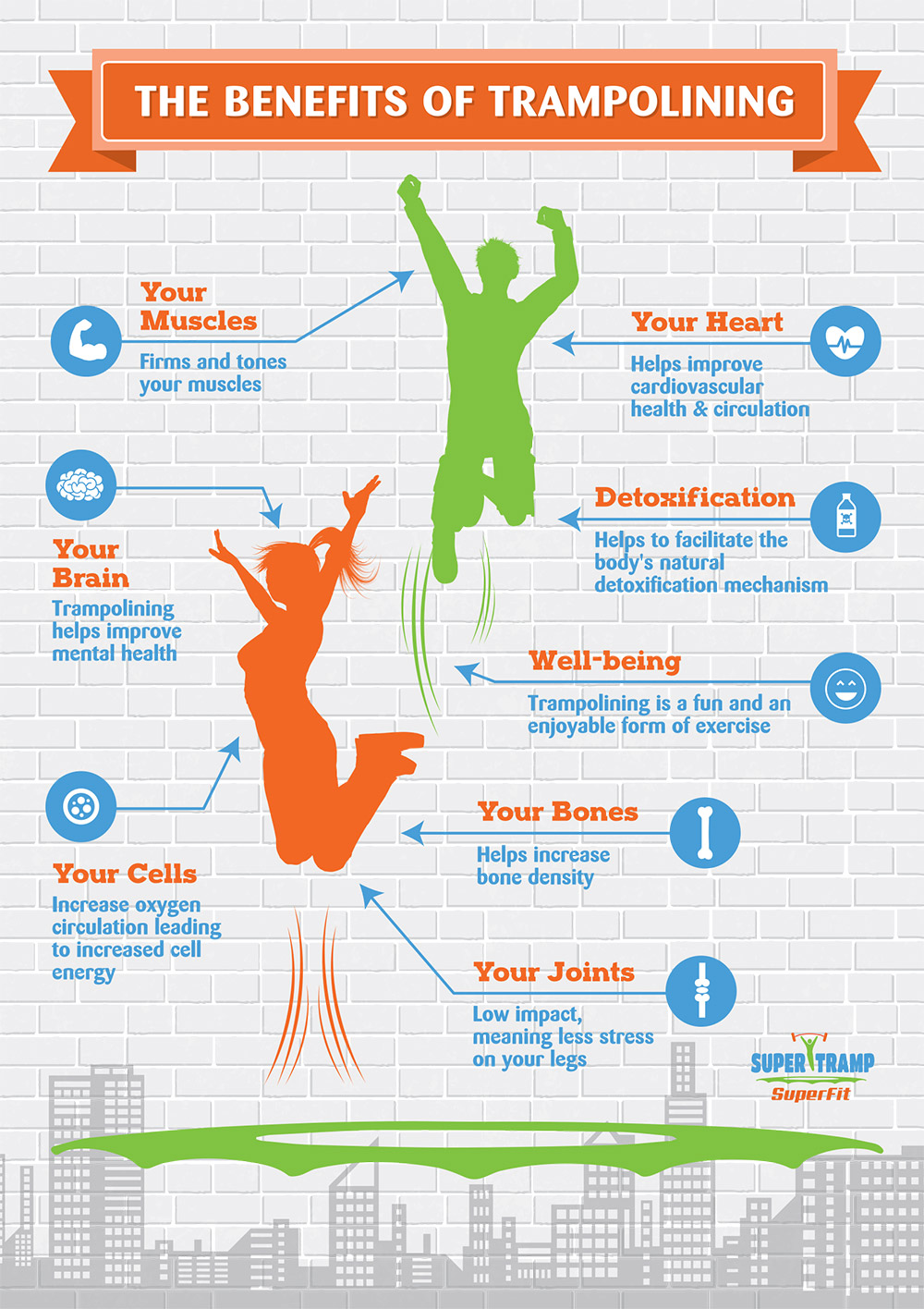
Jumping on a trampoline gets your heart pumping. It boosts your cardiovascular health. This can improve your stamina over time. Regular bouncing increases your heart rate. It helps your heart work more efficiently. A stronger heart means better blood circulation. This keeps your body healthy and energized.
Improved Coordination
Trampoline workouts enhance your coordination skills. They require balance and control. Jumping strengthens your core and stabilizes muscles. This improves your overall body awareness. Better coordination can help in other sports and daily tasks. It’s a skill that benefits people of all ages.
Low-impact Exercise
Trampoline workouts are gentle on your joints. They provide a low-impact exercise option. The trampoline’s surface absorbs shock. This reduces stress on knees and ankles. It’s ideal for those with joint concerns. You can enjoy a good workout without discomfort. Safe and effective for everyone.

Credit: us.acon24.com
Muscle Groups Engaged
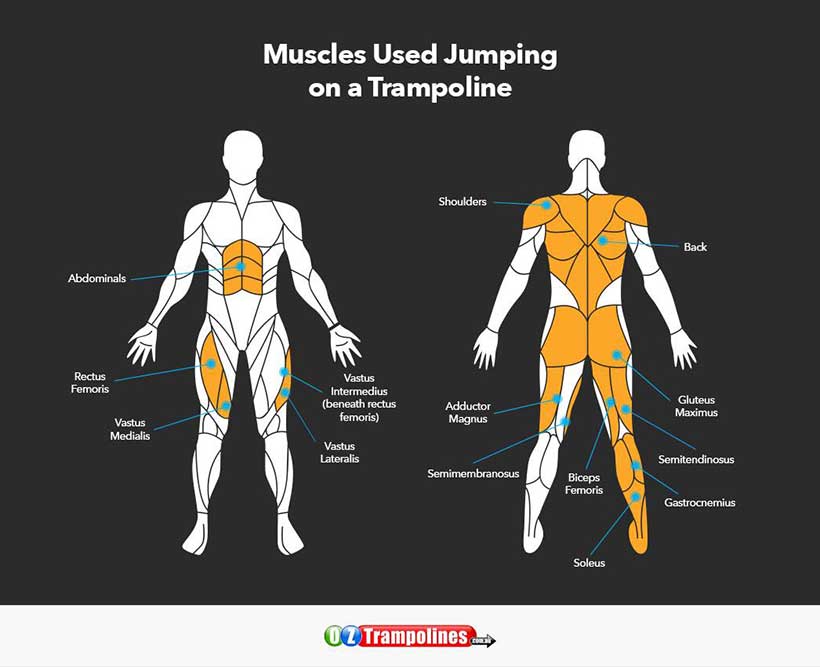
Jumping on a trampoline engages various muscle groups, including legs, core, and back muscles. This activity tones and strengthens muscles while improving balance and coordination. It offers a fun way to stay fit and build muscle.
Jumping on a trampoline is not just a fun activity; it also engages several muscle groups, offering a unique workout. While it might feel like you’re just bouncing around, your body is working hard to maintain balance and stability. Let’s explore how different muscle groups are activated during a trampoline session.Core Activation
Your core muscles play a crucial role in maintaining balance on a trampoline. Every jump requires your abdominal muscles to contract, providing stability and control. Think about the last time you jumped on a trampoline. Did you notice how your midsection felt engaged? That’s your core working overtime to keep you upright and balanced. Engaging your core during trampoline workouts can lead to improved posture and a stronger midsection. This translates to better support for your spine and overall body strength.Leg And Thigh Muscles
Trampoline exercises are a powerhouse for your legs and thighs. As you bounce, your quadriceps, hamstrings, and calves are all in action. Consider the effort needed to push off the trampoline’s surface. Your leg muscles contract and extend with each jump, building strength and endurance. This repeated motion can help tone your thighs and calves, giving you well-defined muscles over time. Are you noticing more definition in your legs after regular trampoline sessions?Upper Body Involvement
While jumping primarily engages your lower body, your upper body isn’t left out. Your arms and shoulders play a supportive role in maintaining balance and rhythm. Try reaching up or swinging your arms as you jump. You’ll feel your shoulders and arms working to keep your body coordinated and stable. Although the upper body’s engagement might seem subtle, consistent trampoline workouts can contribute to improved upper body tone and coordination. Have you felt your arms and shoulders tiring after a trampoline workout? Trampoline workouts offer a full-body exercise that’s fun and effective. Which muscle group do you feel most engaged when you’re bouncing around?Comparing Trampolining To Other Exercises
When choosing an exercise, it’s important to know what each offers. Trampolining isn’t just fun; it can help build muscle. Let’s see how it compares to running, weightlifting, and aerobics.
Trampoline Vs. Running
Running is a popular cardio workout. It strengthens legs and boosts heart health. Trampolining also enhances cardio but engages more muscle groups. Jumping on a trampoline activates the core, legs, and arms simultaneously. Running focuses mainly on the legs.
Both improve endurance. Trampolining may be less taxing on joints. It offers a softer landing, reducing impact on knees. For those with joint concerns, trampolining might be a suitable alternative.
Trampoline Vs. Weightlifting
Weightlifting builds muscle through resistance. It targets specific muscle groups. Trampolining uses body weight for resistance. It involves multiple muscle groups at once.
Weightlifting is ideal for muscle growth. Trampolining enhances muscle tone and endurance. You won’t bulk up with trampolining, but it’s effective for overall fitness.
Trampoline Vs. Aerobics
Aerobics are great for cardio. They improve heart health and burn calories. Trampolining offers similar benefits with added muscle engagement.
Jumping on a trampoline requires balance. It strengthens stabilizing muscles, enhancing coordination. Aerobics are structured, while trampolining can be more dynamic and playful.
Both are effective in boosting cardiovascular health. Trampolining adds a fun element to workouts, making exercise enjoyable.
Credit: www.supertrampparks.co.uk
Maximizing Muscle Building On A Trampoline
Jumping on a trampoline isn’t just for fun. It’s also a great way to build muscle. With the right techniques, you can maximize muscle growth. Trampolines offer a low-impact workout. They are easy on the joints. You can engage various muscle groups while jumping. But how do you enhance this effect? By adding some simple methods to your routine, you can boost muscle gain.
Incorporating Resistance Bands
Resistance bands are a great tool for muscle building. Use them while jumping to add extra tension. This increases the challenge for your muscles. Wrap the bands around your legs or arms. Keep your movements controlled. This ensures your muscles work harder. The added resistance helps you build strength faster.
Adding Body Weight Exercises
Body weight exercises can enhance trampoline workouts. Perform squats or lunges while jumping. These exercises focus on your legs and core. Push-ups on the trampoline engage your upper body. The unstable surface activates more muscles. This promotes muscle growth and stability. Try different exercises to keep your routine fresh.
Interval Training Techniques
Interval training is effective for muscle building. Mix short bursts of high-intensity jumps with rest periods. This keeps your muscles engaged. It also boosts your metabolism. You can alter the intensity to suit your level. Start with short intervals. Gradually increase the duration as you get stronger. This method helps in muscle endurance and growth.
Safety Considerations
Jumping on a trampoline can help build muscle, but safety is crucial. Ensure the trampoline is well-maintained and stable. Supervision is important to prevent injuries, especially for kids and beginners.
Jumping on a trampoline offers a fun way to build muscle. It provides a low-impact workout. Yet, safety is crucial. Knowing safety tips helps avoid injuries. It ensures a better workout experience.Proper Form And Technique
Maintaining correct posture is important. Keep your back straight while jumping. Bend your knees slightly. This helps absorb shock. Use your arms for balance. Avoid jumping too high. Controlled movements reduce injury risks. Start slow, then increase intensity. Focus on landing softly. Practice makes perfect.Choosing The Right Equipment
Pick a sturdy trampoline. Check its weight limit. Ensure it has safety padding. Look for a strong frame. Spring covers prevent accidents. Net enclosures offer extra protection. Choose the right size. Small trampolines work indoors. Larger ones suit outdoor spaces. Quality equipment lasts longer.Preventing Injuries
Warm up before jumping. Stretch to loosen muscles. Wear comfortable clothes. Avoid slippery shoes. Remove jewelry before starting. Keep the trampoline area clear. Watch your surroundings. Avoid jumping with others on a small trampoline. Follow manufacturer’s instructions. Regular checks ensure safety. Fix any damage immediately. Safety comes first.
Credit: us.acon24.com
Expert Opinions And Studies
Expert opinions suggest that jumping on a trampoline can help build muscle through resistance training. Studies indicate that consistent bouncing engages core and leg muscles, promoting strength and endurance.
Jumping on a trampoline is more than just fun. Many wonder if it builds muscle. Expert opinions shed light on this. They offer insights from research and experience. This section explores expert views and studies.Research Findings
Studies show trampoline workouts benefit muscles. Research indicates regular jumping enhances muscle strength. It targets leg muscles, core, and even arms. The bouncing motion engages multiple muscle groups. Some studies highlight improvements in muscle tone. Others note enhanced coordination and balance. Trampoline exercises can improve overall fitness.Trainer Insights
Fitness trainers see trampolines as effective. They often recommend them for muscle building. Trainers believe jumping activates muscles differently. It provides a low-impact workout. This reduces injury risk. Trainers notice increased muscle endurance in clients. They say it complements traditional strength training. Many suggest it for those wanting fun exercise.Real-life Testimonials
Many people share their trampoline experiences. Some report noticeable muscle gains. Others mention improved flexibility and posture. Jumping on a trampoline feels less like exercise. This encourages consistency. Users often feel more energetic. Real-life stories highlight enjoyable workouts. People appreciate its impact on health and fitness.Tips For Beginners
Jumping on a trampoline engages core and leg muscles, offering a fun way to build strength. Frequent bouncing boosts muscle endurance and coordination, while varied jumps target different muscle groups effectively.
Jumping on a trampoline can be a fun and effective way to build muscle, but if you’re new to it, starting with the right approach is crucial. As a beginner, you might wonder how to get the most out of your trampoline workouts. By focusing on a few key tips, you can ensure a safe and productive experience. Let’s dive into some practical advice to kickstart your trampoline journey.Starting Slowly
Begin your trampoline routine by taking it easy. Your body needs time to adjust to the new movements and impact. Start with short, 5-10 minute sessions to get used to the bounce. Gradually increase your time as you become more comfortable. This approach helps prevent injuries and builds a solid foundation for more intense workouts. Remember, your muscles will thank you for this patience. It’s tempting to go all out, but starting slowly ensures long-term success.Setting Realistic Goals
Setting achievable goals keeps you motivated and on track. Ask yourself, what do you hope to achieve with trampoline workouts? Is it muscle growth, improved endurance, or simply a fun way to stay active? Break your goals down into smaller, manageable steps. Instead of aiming to jump for an hour straight, focus on mastering a specific technique or increasing your jump count weekly. This strategy provides a clear path forward and celebrates your progress along the way. It’s rewarding to see how each small victory leads to bigger accomplishments.Tracking Progress
Monitoring your progress is key to staying motivated. Keep a simple journal or use a fitness app to log your trampoline sessions. Record the duration, intensity, and any new skills you’ve learned. Notice patterns in your performance. Are you jumping higher? Do your muscles feel more toned? These insights give you a sense of accomplishment and highlight areas for improvement. You might be surprised at how quickly you advance. Tracking your journey not only boosts confidence but also helps fine-tune your workouts for even better results.Frequently Asked Questions
What Is 10 Minutes On A Trampoline Equal To?
Ten minutes on a trampoline equals a 30-minute run. It provides a fun, effective cardiovascular workout. Trampolining improves balance, coordination, and muscle strength while burning calories efficiently. Enjoy a high-energy exercise with low impact on joints, perfect for all ages seeking a healthy lifestyle.
Can You Lose Belly Fat By Jumping On A Trampoline?
Jumping on a trampoline can help burn calories and improve cardiovascular health, aiding in belly fat loss. Regular exercise combined with a balanced diet enhances results. Enjoyable and low-impact, trampoline workouts are effective for overall fitness and weight loss. Always consult a healthcare professional before starting new exercises.
What Happens If You Jump On A Trampoline Every Day?
Jumping on a trampoline daily improves cardiovascular health, strengthens muscles, and enhances balance. It boosts lymphatic circulation, aiding detoxification. Regular jumping also reduces stress and promotes mental well-being. It’s a fun, low-impact workout that can aid weight loss and improve overall fitness.
Always ensure trampoline safety to prevent injuries.
How Long Should You Jump On A Trampoline For A Workout?
Jump on a trampoline for 20 to 30 minutes for an effective workout. Adjust time based on fitness levels. Start with shorter sessions if new to trampoline exercises. Prioritize safety and proper technique to maximize benefits and prevent injuries.
Conclusion
Jumping on a trampoline can indeed help build muscle. It works your legs, core, and even your arms. Regular jumping tones these muscles over time. The activity is both fun and effective. It combines cardio with strength training. Plus, it is gentle on the joints.
Many people enjoy this as a workout. It also improves balance and coordination. You can make it part of your routine easily. Just jump a few times a week. Enjoy the benefits while having fun. Keep jumping, stay fit, and see the difference.