Are you hitting the gym hard but not seeing the muscle gains you’re aiming for? You might be sabotaging your efforts without even knowing it.
While your workout routine is crucial, what you put on your plate can be just as important. Certain foods can actually hinder your muscle-building progress, keeping you from achieving the strong, toned physique you’re working so hard for. Curious to know what these foods are?
By avoiding them, you can maximize your results and fuel your body more efficiently. Let’s dive into the foods you should steer clear of to ensure your hard work pays off. Keep reading to discover how small changes in your diet can lead to big improvements in your muscle growth journey.
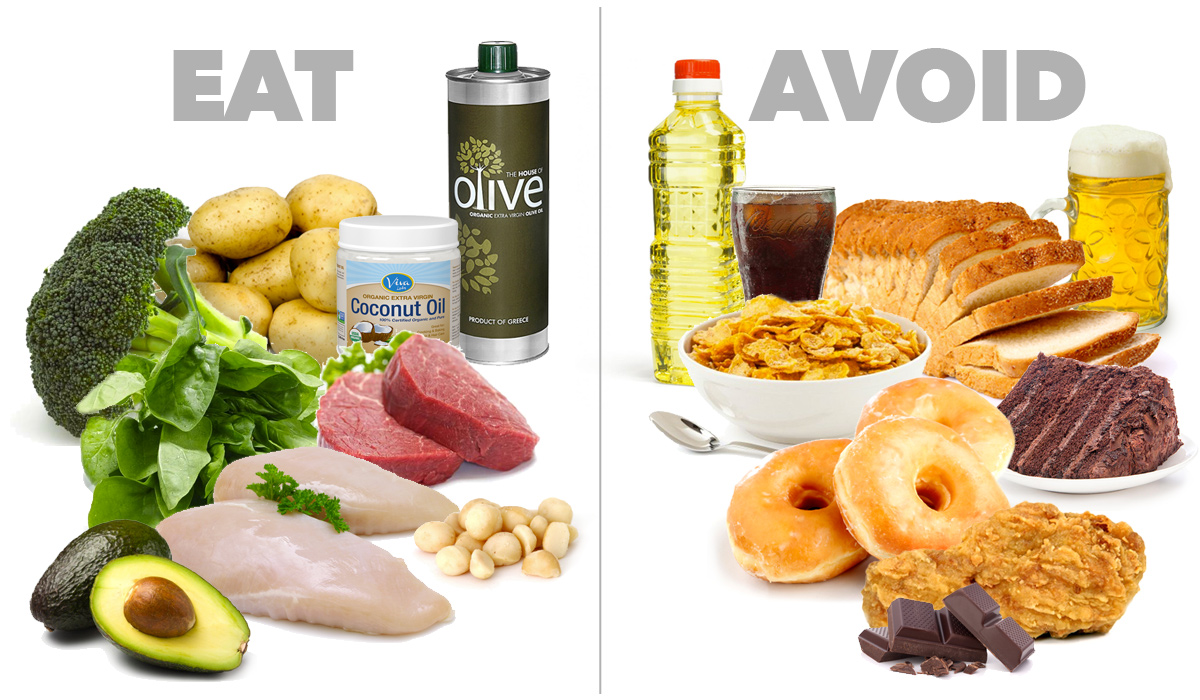
Credit: blogs.rdxsports.com
Processed Foods
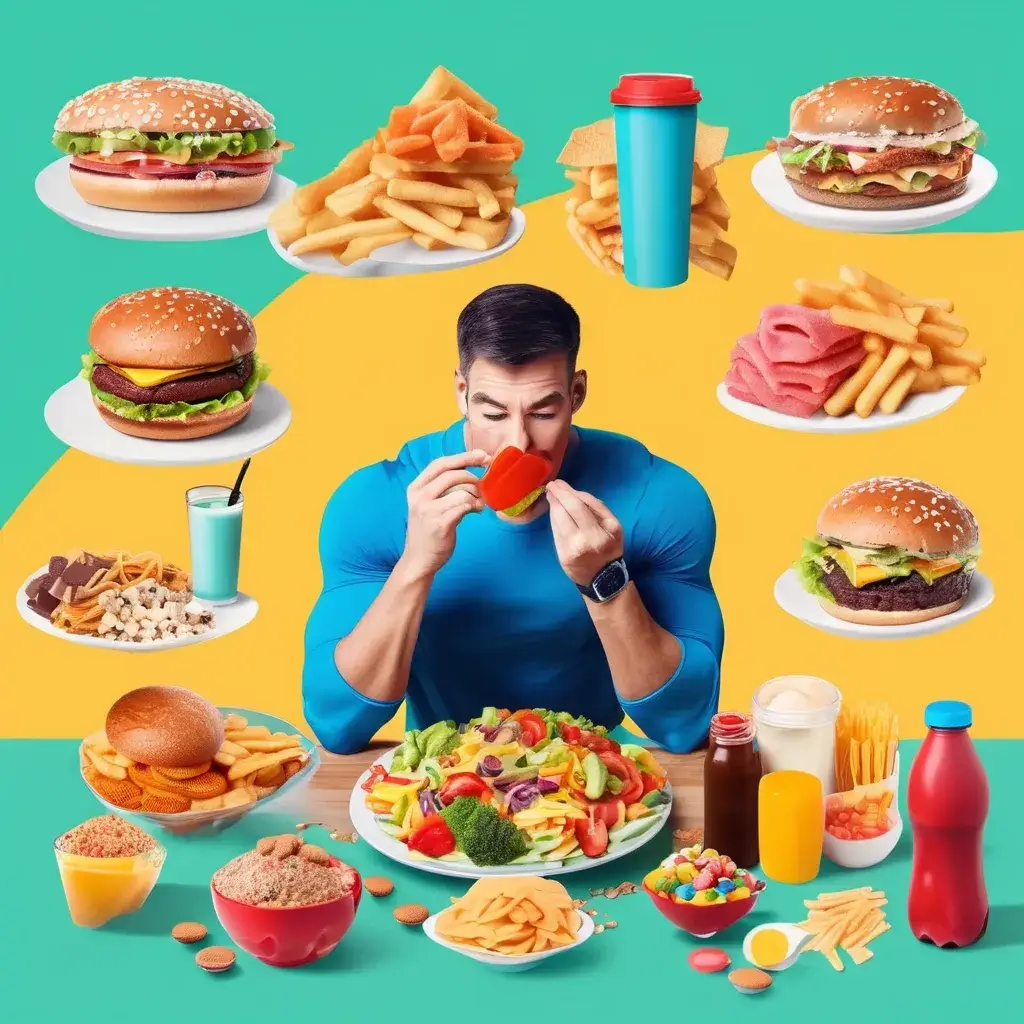
Processed foods often contain high levels of sugar, fat, and artificial additives. These ingredients can hinder muscle growth and recovery. Opt for whole, nutrient-rich foods to support your muscle-building journey.
Building muscle requires more than just lifting weights and getting enough protein. What you eat plays a crucial role, and not all foods are your friends in this journey. One major category to watch out for is processed foods. These are foods that have been altered from their natural state, often for convenience, and are typically packed with ingredients that can sabotage your muscle-building goals.High-sodium Risks
Processed foods often contain high levels of sodium. Think about those ready-to-eat meals or your favorite canned soups. Sodium may enhance flavor, but it also causes water retention. When you’re looking to build muscle, excess water retention can hide your muscle definition. Not to mention, too much sodium can lead to high blood pressure, putting unnecessary stress on your heart. Consider this: a single frozen pizza can contain more than your entire daily recommended sodium intake. You don’t want that hindering your progress. Instead, opt for fresh ingredients where you control the seasoning. This simple change can make a world of difference in how you look and feel.Low Nutrient Density
Many processed foods are low in nutrient density. They are often high in calories but low in essential vitamins and minerals. Think about sugary cereals or snack bars loaded with artificial flavors. These might give you a quick energy boost but lack the nutrients your body needs to repair and grow muscle tissues. Your body thrives on nutrients like iron, calcium, and antioxidants. Can you imagine fueling a high-performance car with low-grade oil? That’s what feeding your body with low-nutrient foods is like. Instead, choose whole foods like fruits, vegetables, lean meats, and whole grains. They offer better fuel for your muscle-building engine. Processed foods might be convenient, but are they worth the risk to your muscle-building goals? By choosing fresher, nutrient-dense options, you set yourself up for success, both in the gym and beyond. So next time you hit the grocery store, what will you choose?
Credit: www.youtube.com
Sugary Beverages
Sugary beverages hinder muscle growth due to high sugar content and low nutritional value. These drinks can cause energy crashes and increase fat storage. Avoid them for effective muscle-building results.
Sugary beverages may seem tempting during workouts. They promise quick energy boosts. Yet, these sweet drinks can hinder muscle-building efforts. Consuming them might derail fitness goals. Understanding their impact is crucial for muscle growth.Empty Calories
Sugary drinks contain calories without nutrients. These calories do not aid muscle repair. They contribute to unnecessary weight gain. This can affect fitness progress negatively. Choosing nutrient-rich alternatives is wiser. Opt for water or unsweetened teas.Impact On Insulin Levels
Sugary beverages spike insulin levels quickly. High insulin affects muscle recovery. It can lead to energy crashes later. Balancing blood sugar is important for strength. Consistent insulin spikes may decrease workout effectiveness. Drinking these beverages can disrupt muscle-building plans.Fried Foods
Fried foods can hinder muscle-building goals. High in unhealthy fats, they may slow recovery after workouts. Opt for grilled or baked options to support muscle growth and maintain energy levels.
Building muscle requires a well-thought-out diet, and fried foods can be a major hurdle in achieving your fitness goals. While they might be tasty, these foods can negatively impact your body in more ways than you might realize. Let’s dive into why you should steer clear of fried foods when focusing on muscle growth.Trans Fats Concerns
Trans fats are often lurking in fried foods, and they’re notorious for causing health issues. These fats can increase bad cholesterol levels while lowering the good kind. This imbalance can lead to heart problems, which is the last thing you want when you’re hitting the gym regularly. Think about your last cheat day. Did you indulge in something fried? If so, you might have felt sluggish afterward. That’s the trans fats taking a toll on your energy levels, which are crucial for effective workouts.Digestive Issues
Fried foods are not friends with your digestive system. They can slow down digestion, making you feel bloated and uncomfortable. This discomfort can affect your performance and motivation during workouts. Have you ever felt heavy and lethargic after a meal loaded with fries or fried chicken? That’s because your body is working overtime to digest those unhealthy fats. If your digestive system is busy handling greasy foods, it’s not focusing on absorbing the nutrients you need to build muscle. Consider how often you consume fried foods. Is it worth sacrificing your muscle-building efforts for a temporary taste sensation? Embracing healthier cooking methods like grilling or steaming can make a significant difference. Your body will thank you with better energy levels and improved muscle growth.
Credit: www.energy.fit
Refined Carbohydrates
Refined carbohydrates like white bread and sugary cereals hinder muscle growth. They offer little nutritional value and spike blood sugar levels. Opting for whole grains and nutrient-rich foods supports effective muscle building.
Building muscle requires a strategic approach, not just in the gym but also in the kitchen. While protein is often hailed as the hero of muscle growth, the type of carbohydrates you consume plays a crucial role too. Refined carbohydrates, found in foods like white bread, sugary cereals, and pastries, can be detrimental to your muscle-building goals. These processed carbs can derail your progress in ways you might not expect.Blood Sugar Spikes
Consuming refined carbohydrates can cause rapid spikes in your blood sugar levels. Your body responds by releasing insulin, which can hinder muscle growth by promoting fat storage instead. Imagine eating a donut before your workout, expecting an energy boost, only to crash halfway through your session. Wouldn’t that be frustrating? Stable energy levels are vital for effective workouts. When your blood sugar fluctuates, so does your energy. Opt for whole grains or sweet potatoes instead, and notice the difference in your performance.Lack Of Fiber
Refined carbs often lack fiber, an essential nutrient for digestion and sustained energy. Without fiber, your body digests these carbs too quickly, leading to hunger soon after eating. This can cause you to eat more than necessary, potentially leading to unwanted weight gain. Fiber-rich foods, like oats or brown rice, keep you full longer. They also support a healthy gut, which is important for nutrient absorption. Next time you’re prepping your meals, think about how a simple swap can make your muscle-building journey more effective. Avoiding refined carbohydrates might seem challenging at first, but the benefits are worth it. Have you noticed any changes in your energy levels or workout performance when you switch to whole grains?Excessive Alcohol
Building muscle demands dedication, not only in the gym but also in the kitchen. One often overlooked culprit that might be hindering your progress is excessive alcohol consumption. While enjoying a drink occasionally might not derail your efforts, overindulgence can sabotage your muscle-building goals. Let’s delve into why excessive alcohol is a muscle-building foe and explore its impact on muscle recovery and hydration.
Muscle Recovery Impairment
Alcohol can significantly slow down the muscle recovery process. After a tough workout, your body needs nutrients and rest to repair and grow muscle fibers. Excessive alcohol disrupts this process, delaying recovery and reducing muscle gains. You might have noticed feeling sluggish or weaker after a night of drinking; this is because alcohol affects protein synthesis, crucial for muscle repair.
Consider this: You’ve pushed your limits at the gym, aiming for gains. Yet, that post-workout drink could be undoing your hard work. Have you noticed how muscle soreness lingers longer after a heavy drinking session? This is no coincidence. It’s your body struggling to recover.
Dehydration Effects
Alcohol is notorious for causing dehydration. It acts as a diuretic, increasing urine production and depleting essential fluids from your body. Proper hydration is vital for muscle function and growth. Lack of hydration can lead to cramps, fatigue, and reduced endurance, making your workouts less effective.
Imagine trying to lift weights with dry, tired muscles. The struggle is real. Drinking excessively can leave you feeling drained and unable to perform at your best. How many times have you felt thirsty during workouts after a night of drinking? That’s your body’s cry for hydration.
So, what’s the takeaway? If muscle gain is your goal, consider moderating your alcohol intake. Your muscles will thank you for it. Are those few drinks worth sacrificing your progress? Only you can decide.
High-fat Dairy Products
High-fat dairy products can hinder muscle-building goals. They are calorie-dense and may lead to unwanted fat gain. Opt for low-fat alternatives to support muscle growth while maintaining a healthy diet balance.
High-fat dairy products can hinder your muscle-building progress. They contain more calories than needed. This can lead to weight gain, not muscle gain. High-fat dairy includes whole milk, butter, and cheese. These foods are calorie-dense and have high saturated fat levels. Choosing the right dairy is vital for your fitness goals.Caloric Overload
High-fat dairy products pack a lot of calories. A single cup of whole milk has 150 calories. Butter and cheese have even more calories. Eating these foods regularly can lead to a caloric surplus. This makes it hard to maintain a lean physique. Instead, opt for low-fat or skim options. They provide protein without extra calories.Saturated Fat Content
Saturated fats in high-fat dairy can be harmful. These fats can raise cholesterol levels. This increases the risk of heart disease. High-fat dairy products also lack essential nutrients. They provide fats that do not support muscle growth. Choose healthier options like Greek yogurt or cottage cheese. These offer protein with less saturated fat.Artificial Sweeteners
Building muscle requires smart dietary choices. Artificial sweeteners often seem like a healthy alternative to sugar. Many fitness enthusiasts opt for them to cut calories. Yet, they might hinder muscle-building goals. They can have unexpected effects on the body. Understanding these effects is crucial for optimal muscle growth.
Gut Health Impact
Artificial sweeteners can affect gut health negatively. They may alter the balance of gut bacteria. A healthy gut is key for nutrient absorption. Poor gut health can slow muscle growth. Some studies link sweeteners to digestive issues. Bloating and discomfort can disrupt workouts. Prioritizing gut health aids muscle-building efforts.
Potential Cravings
Sugar cravings can increase with artificial sweetener use. They may confuse the body’s hunger signals. This confusion might lead to overeating. Consuming more calories than needed can hinder progress. Controlling cravings is crucial for muscle gain. Choosing natural sweeteners can help manage appetite better. Keep cravings in check for optimal results.
Low-protein Snacks
Building muscle requires a balanced diet with enough protein. Some snacks might seem healthy but lack the protein needed for muscle growth. Low-protein snacks can hinder your progress. They may satisfy your taste buds, but they don’t support your muscles effectively.
Insufficient Muscle Support
Muscles need protein for repair and growth. Snacks with low protein fail to provide this essential nutrient. They might fill you up temporarily but won’t aid muscle recovery. Without adequate protein, muscles may struggle to develop. This can slow down your fitness goals.
Satiety Issues
Low-protein snacks often lead to hunger soon after eating. Protein helps keep you full longer. Snacks lacking protein may leave you unsatisfied. You might find yourself reaching for more food. This can disrupt your eating plan and affect muscle building efforts.
Frequently Asked Questions
What Foods Affect Muscle Growth?
Protein-rich foods like chicken, fish, and eggs boost muscle growth. Beans and lentils provide plant-based protein. Nuts and seeds offer healthy fats essential for muscle repair. Whole grains supply energy for workouts. Leafy greens deliver vital vitamins and minerals. Incorporate varied foods to support muscle development and recovery.
What Kills Muscle Gains The Most?
Poor nutrition, inadequate protein, and insufficient calorie intake kill muscle gains. Lack of sleep and recovery hampers growth. Overtraining leads to muscle fatigue and injury. Skipping workouts disrupts progress. High stress elevates cortisol, affecting muscle mass. Consistency and balanced routines are crucial for optimal muscle development.
What Interferes With Muscle Growth?
Poor nutrition, inadequate sleep, and overtraining interfere with muscle growth. Stress and lack of consistency also hinder progress. Prioritize balanced diets, sufficient rest, and structured workouts to enhance muscle development.
What Foods Should I Avoid When Lifting?
Avoid processed foods high in sugar and unhealthy fats. Limit alcohol, fried foods, and excessive caffeine. Opt for whole grains, lean proteins, and healthy fats for optimal energy and recovery. Prioritize hydration and nutrient-dense foods to support muscle growth and performance.
Conclusion
Building muscle requires the right foods. Avoid processed and sugary items. They slow down progress. Choose whole foods instead. Lean proteins, vegetables, and healthy fats help. These support muscle growth. Stay hydrated too. Water aids in recovery. Listen to your body.
It knows what it needs. Balance is key in your diet. Keep meals simple and nutritious. This enhances your muscle-building journey. Always plan your meals. Consistency leads to success. Make informed choices. This helps in achieving your fitness goals. Remember, every bite counts.
Stay focused on your journey. Your body will thank you.