Struggling to find a balance between shedding those extra pounds and building muscle? You’re not alone.
Many people feel overwhelmed by the sheer amount of diet advice out there. Fad diets promise quick fixes, but often leave you feeling deprived and frustrated. But what if you could enjoy your meals, lose weight, and gain muscle all at the same time?
Imagine looking in the mirror and seeing not just a slimmer figure, but a stronger, more toned you. In this guide, you’ll discover a sustainable, effective diet plan that can help you achieve your fitness goals without sacrificing your favorite foods. Get ready to transform your body and boost your confidence with practical tips that really work. Dive in, and uncover the secrets to a healthier, more muscular you.

Credit: in.pinterest.com
Balanced Nutrition Basics
Understanding balanced nutrition is key to achieving fitness goals. It helps in losing weight and building muscle. A diet should provide the right mix of nutrients. This ensures that the body functions at its best. Nutrients are essential for energy, repair, and growth. Let’s explore the basics of balanced nutrition.
Macronutrients Overview
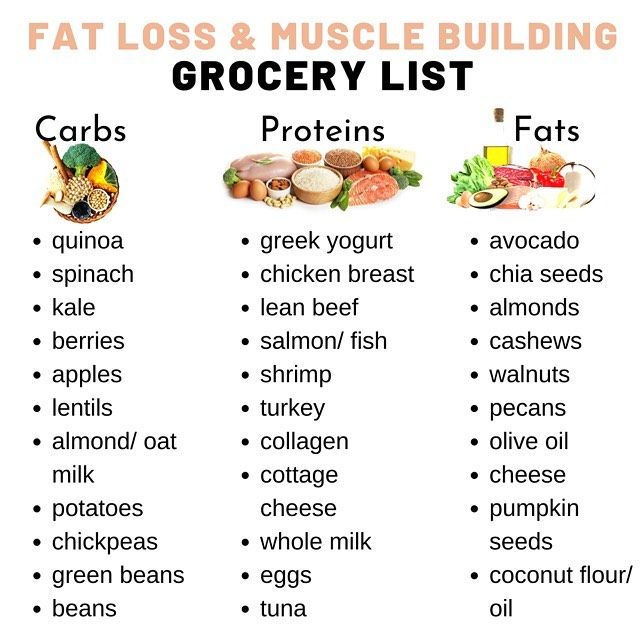
Macronutrients are the main nutrients needed by the body. They include carbohydrates, proteins, and fats. Carbohydrates are the body’s primary energy source. Choose whole grains and fruits for healthy carbs. Proteins are crucial for muscle repair and growth. Lean meats, eggs, and beans are excellent protein sources. Fats support cell function and hormone balance. Opt for nuts, seeds, and fish for healthy fats.
Role Of Micronutrients
Micronutrients are vitamins and minerals. They are needed in smaller amounts. Vitamins boost the immune system and repair cells. Vitamin C and D are vital for these functions. Minerals like iron and calcium are equally important. Iron helps in making red blood cells. Calcium strengthens bones and teeth. Include leafy greens and dairy for these nutrients.
Importance Of Hydration
Hydration is vital for overall health. Water aids digestion and nutrient absorption. It regulates body temperature and removes waste. Dehydration can lead to fatigue and muscle cramps. Drink water regularly throughout the day. Aim for at least eight glasses daily. Hydration supports weight loss and muscle building efforts.

Credit: www.facebook.com
Protein For Muscle Growth
Protein is a powerhouse nutrient when it comes to losing weight and building muscle. It plays a vital role in muscle repair and growth, making it essential for anyone looking to transform their body. But how do you maximize the benefits of protein for muscle growth? Let’s dive into the best protein sources, timing your protein intake, and whether supplements are worth your time.
Best Protein Sources
Not all proteins are created equal. Chicken, turkey, and lean beef are excellent choices for muscle growth. They offer high-quality protein without excessive fat. If you prefer plant-based options, consider lentils, chickpeas, and tofu. These are packed with protein and fiber. Mixing up your protein sources keeps meals interesting and ensures a range of nutrients.
Timing Protein Intake
Timing is everything when it comes to protein. Aim to spread your intake throughout the day. Consuming protein-rich meals every few hours helps your muscles repair and grow continuously. Consider having a protein shake or a small meal before bed to fuel muscle recovery overnight. You’ll be surprised at the difference it makes.
Protein Supplements
Do you really need protein supplements? They can be helpful, especially if you’re struggling to meet your protein goals through food alone. Whey protein is popular due to its quick absorption. But remember, supplements are just that—supplements. They should complement a balanced diet. Always check labels for unnecessary additives.
Have you ever felt you’re not making progress despite working hard? Sometimes, tweaking your protein intake can be the missing piece. What are your favorite protein sources, and have you noticed a difference in your workouts after changing your protein timing? Share your thoughts below!
Healthy Carbohydrates
When you aim to lose weight and build muscle, healthy carbohydrates play a crucial role in your diet. They provide the energy your body needs to power through workouts and help in muscle recovery. However, not all carbs are created equal. Understanding how to make smart carb choices can be the difference between achieving your fitness goals and falling short.
Complex Vs Simple Carbs
Complex carbohydrates are your best friends when trying to lose weight and build muscle. Found in foods like whole grains, vegetables, and legumes, they digest slowly, providing a steady energy release. They help you feel full longer, which can prevent overeating.
On the other hand, simple carbs, often found in sugary snacks and processed foods, give a quick energy spike but can lead to energy crashes. These should be limited, especially if your goal is to maintain a consistent energy level and support muscle growth.
Carb Timing Strategies
When you consume carbs can impact your energy levels and workout performance. Eating carbs before a workout can provide the energy needed to perform at your best. Post-workout carbs help replenish glycogen stores, aiding in recovery.
Consider having a small snack like a banana or a slice of whole-grain toast an hour before your workout. After exercising, a combination of carbs and protein, like a smoothie with fruit and yogurt, can speed up recovery.
Carbs For Energy And Recovery
Your body relies on carbs as its primary energy source during exercise. Without enough carbs, you may feel fatigued and unable to complete your workouts effectively. Proper carb intake ensures you have the stamina to push through each session.
For recovery, carbs are essential in restoring glycogen, the energy stored in your muscles. Consuming carbs within 30 minutes to 2 hours after your workout helps kickstart the recovery process, preparing your muscles for the next challenge.
Have you ever noticed a dip in your workout performance after skipping carbs? Try adjusting your carb intake and timing to see if it makes a difference. Your body will thank you with improved energy and better results.
Fats And Their Role
Understanding the role of fats in your diet is crucial for achieving your weight loss and muscle-building goals. While fats have often been misunderstood, they are essential for various bodily functions, including hormone production and cell health. Choosing the right types of fats can make a significant difference in how you feel and perform.
Healthy Fat Choices
Not all fats are created equal. When you think about adding fats to your diet, it’s important to focus on healthy options like avocados, nuts, seeds, and olive oil. These foods provide essential fatty acids that your body needs to function properly. Imagine the satisfaction of enjoying a delicious avocado toast while knowing it’s fueling your body for the day.
Try experimenting with different sources to find what you enjoy. For instance, swapping out butter for olive oil in your cooking can be a simple yet effective change. This small adjustment can enhance the flavor of your meals while supporting your health goals.
Balancing Omega-3 And Omega-6
Omega-3 and Omega-6 fatty acids play crucial roles in your body, but maintaining a balance is key. Omega-3s, found in fish like salmon, are known for their anti-inflammatory properties. Including them in your diet can support muscle recovery and growth.
On the other hand, Omega-6 fatty acids are prevalent in processed foods and vegetable oils. An imbalance can lead to inflammation. Consider checking your pantry and replacing items with healthier options. Have you ever noticed a change in your energy levels when you tweak your diet?
Fats For Hormonal Balance
Hormones influence everything from your mood to your metabolism. Consuming the right fats supports hormonal balance, which is crucial for weight management and muscle growth. Imagine feeling energetic and motivated throughout your workouts because your hormones are in sync.
Foods rich in healthy fats, like eggs and coconut oil, can help regulate your hormones. Including these in your diet might surprise you with their benefits. Have you ever thought about how your diet impacts your hormonal health?
Incorporating the right fats into your diet is a smart strategy for achieving your fitness goals. Take a moment to reflect on your current habits and consider making changes that align with your health aspirations. What small step can you take today to improve your fat intake?
Meal Planning And Preparation
Meal planning and preparation are key to a balanced diet. They help in losing weight and building muscle. Organizing meals saves time and reduces stress. It ensures you eat nutritious food every day. Let’s explore some essential tips.
Creating A Meal Plan
A meal plan outlines what you will eat. Begin by listing your favorite healthy foods. Include lean proteins, whole grains, and plenty of vegetables. Balance is important in each meal. Decide on meals for the week to avoid last-minute decisions. Write down breakfast, lunch, dinner, and snacks. This helps maintain consistency.
Prepping Meals In Advance
Preparing meals in advance saves time during busy days. Cook large batches of food for multiple meals. Store them in containers in the fridge or freezer. Grilled chicken, roasted vegetables, and quinoa are good choices. They keep well and are easy to reheat. Meal prep ensures you eat healthy even when time is short.
Portion Control Tips
Portion control prevents overeating. Use smaller plates to reduce portion sizes. Fill half your plate with vegetables. Use a quarter for proteins and a quarter for grains. Listen to your body’s hunger signals. Stop eating when you feel satisfied. Measuring food helps too. Use kitchen scales or measuring cups for accuracy.
Supplements For Support
Supplements for support can enhance a good diet aimed at weight loss and muscle building. Protein powders and amino acids promote muscle growth, while vitamins and minerals support overall health.
Achieving a good diet to lose weight and build muscle is more than just eating the right foods; supplements can provide essential support to your journey. While a balanced diet lays the groundwork, supplements fill nutritional gaps, boost energy, and enhance recovery. With the right supplements, you can accelerate your progress and achieve your fitness goals more efficiently.Essential Vitamins And Minerals
Your body demands essential vitamins and minerals to function optimally. If your diet lacks certain nutrients, supplements can be a game-changer. For instance, Vitamin D supports bone health, crucial when you’re lifting weights. Magnesium helps with muscle function and recovery, while zinc boosts your immune system, keeping you healthy and active. Consider a multivitamin to cover your bases, but remember, it complements your diet—it doesn’t replace it. Have you ever felt fatigued despite eating well? It might be a missing nutrient.Pre-workout Supplements
Pre-workout supplements prepare your body for intense exercise. They often contain caffeine, which can improve focus and energy, making your workouts more effective. Beta-alanine is another ingredient that helps reduce fatigue, allowing you to push through tough sets. Creatine is popular for increasing strength and performance. I once hesitated to try pre-workouts, but the boost in energy was undeniable. Before you choose one, check its ingredients and ensure it aligns with your health goals.Post-workout Recovery Aids
Recovery is a critical phase in muscle building and weight loss. Post-workout recovery aids like protein powders help repair and build muscle. Whey protein is a favorite due to its fast absorption and complete amino acid profile. BCAAs (Branched-Chain Amino Acids) can reduce muscle soreness and speed up recovery. Hydration is equally vital; an electrolyte supplement can replenish what you lose through sweat. After a heavy workout session, do you notice that soreness that lingers? The right recovery aid might be your solution. Supplements are tools in your fitness toolbox. Choose wisely and align them with your nutritional needs and fitness goals. Remember, supplements enhance your efforts but a balanced diet and consistent workouts are your foundation.Tracking Progress
Monitoring your diet helps in losing weight and building muscle. Balance proteins, carbs, and fats for effective results. Keep a food diary to track meals and progress.
Tracking your progress is key when you’re on a journey to lose weight and build muscle. It helps you understand what works and what doesn’t. More importantly, it keeps you motivated and on track. Let’s dive into some practical ways to track your progress effectively.Monitoring Weight And Muscle Gain
Regularly check your weight, but remember that it’s not the only indicator of success. Muscle weighs more than fat, so if you’re gaining muscle, you might not see a big drop on the scale. Measure your body with a tape measure. Track areas like your waist, hips, and arms. Noticing changes in these measurements can show progress even when the scale doesn’t. Take photos of your body from different angles. Looking back at these can sometimes reveal progress that measurements miss.Adjusting Diet As Needed
Your diet might need tweaks along the way. If you’re not seeing the results you want, check your calorie intake. You might need to eat more or less depending on your goals. Consider the balance of macronutrients in your meals. Protein is crucial for muscle growth, while carbs provide energy for workouts. Listen to your body. Are you feeling sluggish or hungry all the time? These could be signs that your diet needs an adjustment.Using Apps And Tools
Smartphone apps can be your best friend. Apps like MyFitnessPal or Lose It! help you track calories, macronutrients, and exercise. Use a fitness tracker to monitor your daily activity. Seeing how many steps you take or how many calories you burn can motivate you. Online tools can also help you create meal plans and shopping lists. This keeps your diet organized and on track. Tracking progress isn’t just about numbers. It’s about understanding your journey. How will you celebrate your small wins along the way?
Credit: www.lakeforesthfc.com
Lifestyle Factors
A good diet is essential for losing weight and building muscle. But lifestyle factors play a crucial role too. Balancing nutrition with healthy habits boosts results. Let’s explore key lifestyle aspects that aid in achieving your fitness goals.
Importance Of Sleep
Quality sleep is vital for weight loss and muscle gain. During sleep, your body repairs muscles and burns fat. Aim for 7-9 hours of sleep each night. This ensures your body functions optimally. Poor sleep leads to increased hunger. It disrupts hormone balance. A consistent sleep schedule helps maintain energy levels.
Stress Management Techniques
Stress affects your body’s ability to lose weight. It increases cortisol levels. High cortisol can lead to weight gain. Finding ways to manage stress is important. Meditation and deep breathing help reduce stress. Exercise is another great stress reliever. Even short walks can improve your mood. Find activities you enjoy. This makes stress management easier.
Consistency And Patience
Consistency is key in any fitness journey. Results take time. Set realistic goals. Stick to your diet and exercise plan. Small, steady changes lead to success. Stay patient and persistent. Celebrate small victories. They add up over time. Consistency builds healthy habits. These habits support long-term goals.
Frequently Asked Questions
What Is The 30 30 30 Rule For Weight Loss?
The 30 30 30 rule involves eating 30% protein, 30% healthy fats, and 30% complex carbohydrates. This balanced approach promotes weight loss by supporting muscle maintenance, reducing cravings, and stabilizing blood sugar levels. Prioritize lean protein, whole grains, and unsaturated fats for effective results.
Can I Lose 20 Pounds And Gain Muscle?
Yes, you can lose 20 pounds and gain muscle simultaneously. Focus on a balanced diet, strength training, and consistent exercise. Ensure adequate protein intake and caloric deficit for weight loss. Stay committed to your routine for the best results. Consult a professional for personalized advice.
Can I Lose Fat And Build Muscle At The Same Time?
Yes, you can lose fat and build muscle simultaneously. Focus on strength training and a high-protein diet. Maintain a calorie deficit to lose fat while supporting muscle growth. Consistency and proper recovery are key factors in achieving both goals.
What Is The Fastest Way To Build Muscle And Lose Fat?
Combine strength training with high-intensity interval workouts for optimal muscle growth and fat loss. Eat a balanced diet rich in protein, healthy fats, and complex carbohydrates. Prioritize sleep and recovery to maximize results. Stay consistent and track progress regularly for continuous improvement.
Conclusion
A good diet helps lose weight and build muscle effectively. Focus on whole foods. Lean proteins, whole grains, and vegetables are key. Stay hydrated. Drink enough water daily. Balance your meals for better results. Consistency is important. Stick to your plan regularly.
Listen to your body. Adjust as needed based on progress. Healthy habits foster long-term success. A well-rounded diet supports your fitness goals. Remember, patience is crucial. Changes take time. Celebrate small victories on your journey. Achieve a healthier, stronger you.